

Feb . 11, 2026 00:01 Back to list
china 25mm ppr pipe price Technical Analysis
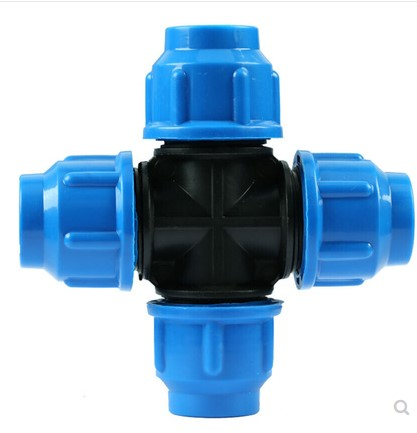
Introduction
Polypropylene Random (PPR) pipe, specifically the 25mm variant commonly sourced from China, represents a significant component in modern fluid transport systems. This guide provides an in-depth technical analysis of the material properties, manufacturing processes, performance characteristics, potential failure modes, and industry standards governing these pipes. PPR pipes are widely utilized in hot and cold-water distribution, industrial applications, and increasingly, in specialized chemical conveyance due to their corrosion resistance and thermal stability. The ‘china 25mm ppr pipe price’ designation signifies not merely a product dimension, but an entire supply chain network impacting material quality, manufacturing tolerances, and overall system reliability. Understanding these aspects is critical for procurement managers, engineers, and installers alike to ensure optimal performance and longevity within their respective applications. The pricing structure is directly correlated to the grade of polypropylene used, the manufacturing process adherence to quality controls, and logistical costs from Chinese manufacturers.
Material Science & Manufacturing
PPR pipe is fabricated from polypropylene random copolymer, differing from homopolymer polypropylene in its branched molecular structure. This branching reduces crystallinity, enhancing impact resistance and flexibility, crucial for pipe applications. The raw material, polypropylene resin, is typically sourced from petrochemical plants and must meet stringent purity standards (typically >99.5% polypropylene content). Manufacturing involves extrusion, where the polypropylene granules are melted and forced through a die to form the pipe shape. Critical process parameters include melt temperature (190-230°C), extrusion pressure (25-40 MPa), and cooling rate. Precise temperature control is paramount to prevent degradation of the polymer and ensure uniform wall thickness. Fusion welding (butt fusion, socket fusion, electrofusion) is the standard joining method, requiring skilled operators and calibrated equipment. The quality of the weld is directly related to surface cleanliness, temperature settings, and applied pressure. Pipe diameters are controlled through die calibration, with tolerances typically within ±0.5%. Hydraulic pressure testing (typically 1.5 times the working pressure) is conducted to verify leak-proof construction and structural integrity. Colorants (often blue for cold water, red for hot) are added during the extrusion process for identification, and UV stabilizers are frequently incorporated to enhance resistance to degradation from sunlight exposure. The choice of copolymer grade dictates the final pipe’s hydrostatic strength, and resistance to slow crack growth.
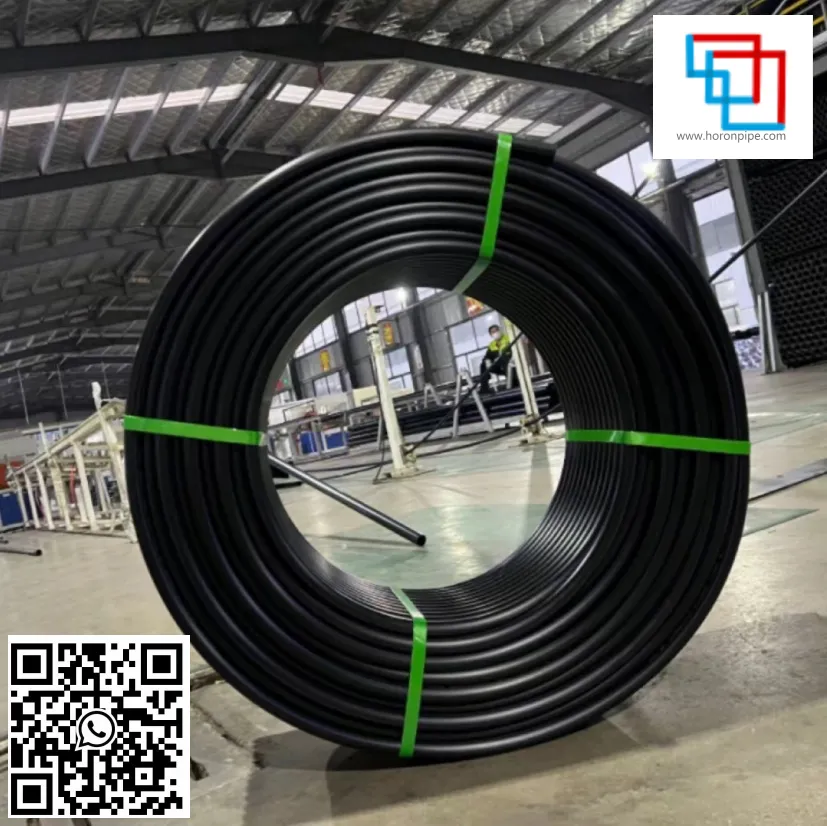
Performance & Engineering
The performance of 25mm PPR pipe is governed by several key engineering principles. Hydrostatic pressure resistance is a primary concern, determined by the pipe’s wall thickness, material grade, and temperature. According to ISO 15876, PPR pipes are classified based on their S (strength) value, indicating the hydrostatic pressure they can withstand at 20°C for 100 years. The pipes exhibit good thermal expansion and contraction characteristics, necessitating the use of expansion joints in long runs to prevent stress buildup and potential cracking. Chemical resistance is generally excellent for common waterborne substances, but prolonged exposure to strong oxidizing agents or aromatic hydrocarbons should be avoided. The pipes are relatively lightweight, simplifying installation, but require proper support to prevent sagging or deformation under load. Force analysis must consider both internal pressure and external loads (soil pressure, traffic load). Compliance with building codes (e.g., UPC, IPC) requires adherence to specific installation guidelines, including pipe support spacing, jointing procedures, and pressure testing protocols. Furthermore, the coefficient of thermal expansion for PPR is approximately 0.15 mm/m°C, and must be accounted for during system design to avoid stress on joints and connected equipment.
Technical Specifications
| Parameter | Unit | Specification (Typical) | Test Standard |
|---|---|---|---|
| Nominal Diameter | mm | 25 | ISO 15876 |
| Wall Thickness | mm | 3.2 – 4.2 | ISO 15876 |
| S Value (Hydrostatic Pressure) | MPa | PN20 (2.0 MPa) | ISO 11671 |
| Maximum Operating Temperature | °C | 95 | DIN 19569 |
| Maximum Operating Pressure | MPa | 2.0 | ISO 15876 |
| Tensile Strength | MPa | >20 | ASTM D638 |
Failure Mode & Maintenance
PPR pipe, while durable, is susceptible to several failure modes. Slow Crack Growth (SCG) is a common issue, particularly in areas of residual stress or exposure to chlorine-containing water. SCG manifests as small cracks that propagate over time, ultimately leading to leakage. Another potential failure mode is oxidation, caused by prolonged exposure to high temperatures and oxygen. This results in embrittlement and reduced impact resistance. UV degradation can also occur, especially in outdoor applications without adequate shielding. Improperly executed fusion welds are a frequent cause of failure, often due to insufficient heating, contamination, or inadequate pressure. Mechanical damage (impact, abrasion) can also compromise pipe integrity. Maintenance typically involves regular visual inspections for cracks, leaks, or signs of degradation. Joints should be checked for tightness and proper alignment. Flush periodically to remove sediment buildup that could contribute to SCG. Avoid using abrasive cleaning agents that could damage the pipe surface. For outdoor applications, consider using UV-resistant coatings or protective sleeves. If SCG is detected, the affected section should be replaced immediately. Preventative maintenance schedules tailored to the specific application environment are crucial for maximizing pipe lifespan.
Industry FAQ
Q: What is the impact of water hardness on the longevity of PPR pipes?
A: High water hardness (high mineral content) can lead to scale buildup inside the pipes, reducing the internal diameter and increasing flow resistance. While PPR is resistant to scale adhesion, excessive buildup can create localized stress points and potentially contribute to SCG over prolonged periods. Water softening systems are recommended in areas with extremely hard water.
Q: How does the quality of the welding equipment affect the reliability of PPR pipe joints?
A: Welding equipment accuracy and temperature control are paramount. Inconsistent heating temperatures, improper pressure settings, or worn-out heating elements can lead to incomplete fusion and weak joints. Regular calibration of welding equipment is essential, along with operator training and adherence to manufacturer's instructions.
Q: Are PPR pipes suitable for use with compressed air systems?
A: Generally, PPR is not recommended for high-pressure compressed air systems. While it can handle moderate pressure, the material’s permeability and susceptibility to brittle fracture at low temperatures make it unsuitable for this application. Materials like polyethylene (PE) or metal piping are better suited for compressed air.
Q: What is the typical service life expectancy of a properly installed 25mm PPR pipe system?
A: With proper installation, maintenance, and operating conditions, a 25mm PPR pipe system can have a service life of 50 years or more. Factors influencing lifespan include water quality, operating temperature, pressure fluctuations, and exposure to UV radiation.
Q: How does the ‘china 25mm ppr pipe price’ relate to the material's ISO certification?
A: Lower prices often indicate compromises in material quality or manufacturing processes. Genuine ISO 9001 and ISO 14001 certifications ensure consistent quality control and adherence to environmental standards. Suppliers offering significantly lower prices may not have these certifications, posing a risk to system reliability and longevity.
Conclusion
The 25mm PPR pipe sourced from China offers a cost-effective and reliable solution for a wide range of fluid transport applications, provided careful consideration is given to material selection, manufacturing quality, and installation practices. Understanding the underlying material science, potential failure modes, and relevant industry standards is crucial for optimizing system performance and ensuring long-term durability. The ‘china 25mm ppr pipe price’ itself is a key indicator, but should not be the sole determining factor in procurement decisions.
Moving forward, advancements in PPR copolymer formulations and extrusion techniques are likely to further enhance the performance characteristics of these pipes. Increased emphasis on sustainable manufacturing practices and improved quality control measures will be essential for maintaining market competitiveness and meeting evolving industry demands. Adherence to international standards and rigorous testing protocols will remain paramount for ensuring the consistent reliability and safety of PPR pipe systems.
-
DN25 HDPE Compression Fitting-HORON INTERNATIONAL|Reliable Irrigation Solutions
NewsFeb.11,2026
-
china 25mm ppr pipe price Technical Analysis
News2026-05-11
-
china hdpe pipe pdf Performance Analysis
News2026-05-11
-
china 12 double wall corrugated pipe Performance Analysis
News2026-05-11
-
china water pipes under kitchen sink Performance Analysis
News2026-05-11
-
china 10 hdpe corrugated pipe Performance Analysis
News2026-05-11
-
china hdpe coupling fittings Performance Analysis
News2026-05-10
-
china hdpe pipe use Performance Analysis
News2026-05-10
-
china hdpe water supply pipe Performance Analysis
News2026-05-10
-
china 1.5 inch pvc pipe Performance Analysis
News2026-05-10
-
china hdpe double wall corrugated pipe Performance Analysis
News2026-05-10
-
china 10mm pvc pipe Performance Analysis
News2026-05-09
-
china ppr pipe for cold water Material Performance
News2026-05-09
-
china type of pvc pipe Material and Manufacturing Analysis
News2026-05-09
-
china hdpe pipe sizes Performance Analysis
News2026-05-09
-
china 50mm pvc pipe Performance Analysis
News2026-05-09