

Feb . 11, 2026 00:01 Back to list
china ppr pipe 3 4 Performance Analysis
Introduction
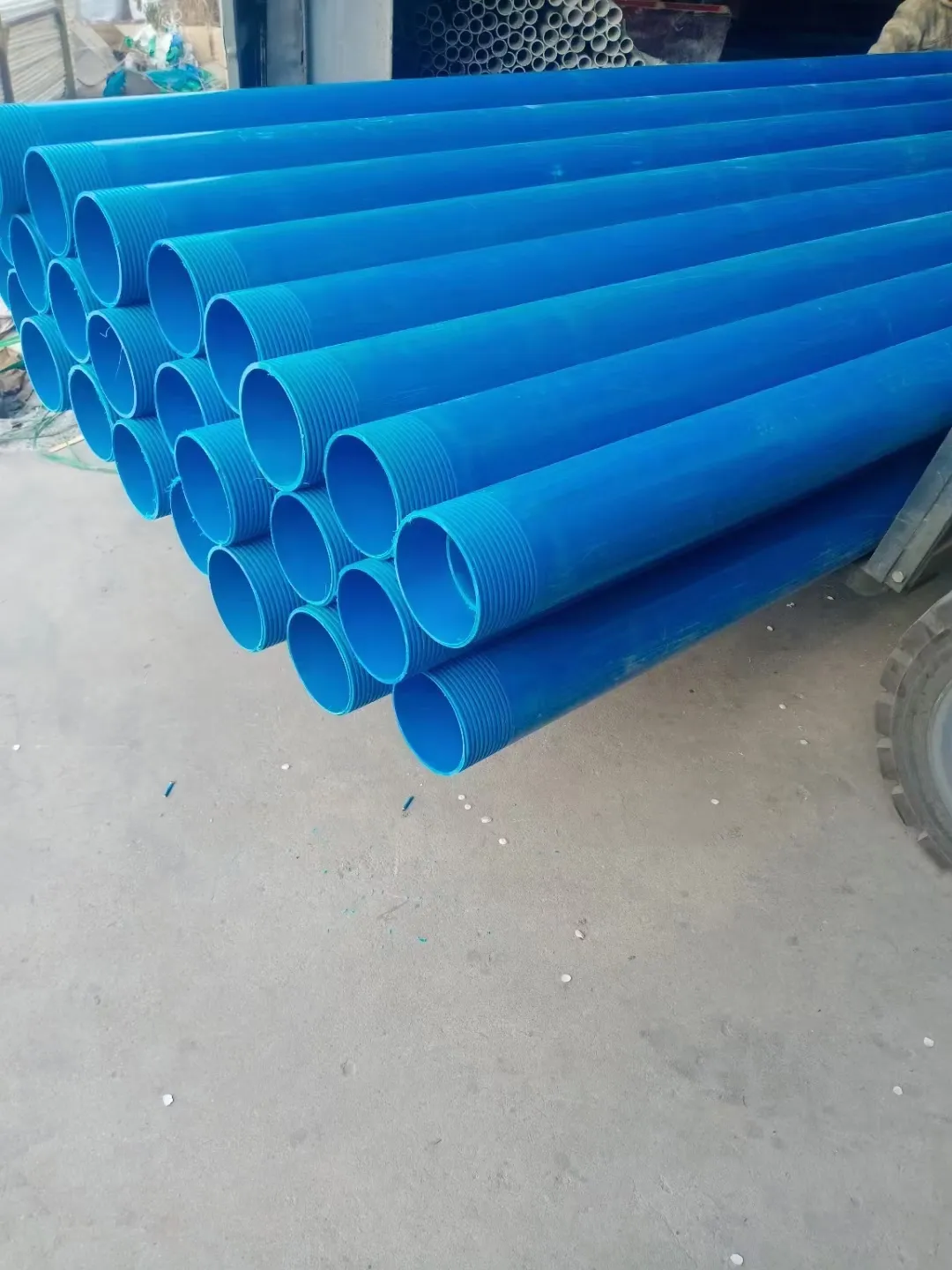
Polypropylene Random (PPR) pipes, specifically the 3/4 inch (DN20) variant manufactured in China, represent a significant component in modern potable water and industrial fluid conveyance systems. Positioned within the broader polymer piping industry, PPR pipes offer a corrosion-resistant, lightweight, and thermally stable alternative to traditional metallic piping. Their increasing adoption is driven by cost-effectiveness and ease of installation. Core performance characteristics include hydrostatic strength, resistance to chemical degradation from common fluids, and consistent flow rates attributed to the smooth internal surface. This guide details the material science, manufacturing processes, engineering considerations, failure modes, and relevant standards pertaining to Chinese-manufactured PPR pipe, size 3/4 inch, targeting engineers, procurement managers, and quality control personnel.
Material Science & Manufacturing
PPR pipes are produced from polypropylene random copolymer resin, differing from homopolymer polypropylene in its branched structure. This branching reduces crystallinity, resulting in enhanced impact resistance and flexibility, crucial for piping applications. Raw material selection emphasizes the Random Copolymer grade ensuring compliance with international standards like DIN 8077/8078. Manufacturing typically involves extrusion. Polypropylene resin is fed into an extruder where it is heated and melted, then forced through a die to form the pipe shape. Critical parameters include maintaining a consistent melt temperature (typically 200-230°C), die pressure (regulated to ensure dimensional accuracy), and cooling rates. Cooling is achieved using water baths, precisely controlling the temperature to prevent deformation. Subsequent to extrusion, the pipes undergo hydrostatic testing to verify pressure resistance and dimensional stability. Socket fusion welding is the primary joining method; the pipe and fitting are heated to a specific temperature (around 130-170°C) and fused together creating a homogenous joint. Quality control focuses on ensuring consistent wall thickness, proper fusion ring formation, and adherence to dimensional tolerances outlined in GB/T 5310.2-2007.
Performance & Engineering
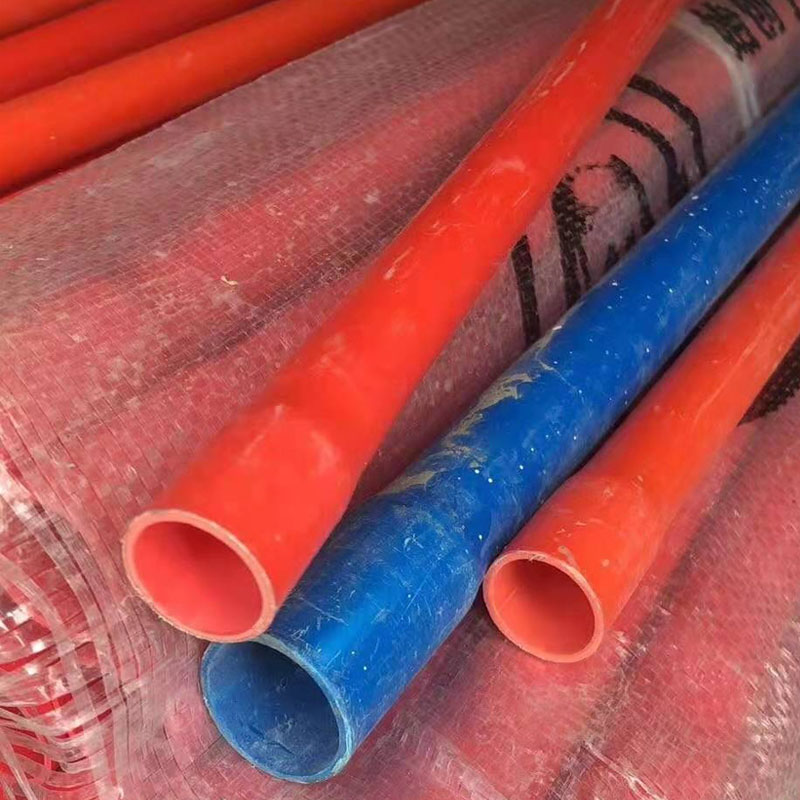
PPR pipes demonstrate excellent resistance to a broad range of chemicals, including acids, bases, and salts commonly found in water distribution systems. However, long-term exposure to highly concentrated oxidizing agents should be avoided. Force analysis dictates that the pipe’s ability to withstand internal pressure is governed by its wall thickness and the material’s yield strength. The 3/4 inch (DN20) size is typically rated for pressures up to 1.6 MPa (approximately 232 psi) at 20°C, decreasing with increasing temperature, as described in ISO 15876-2. Environmental resistance is a key consideration; prolonged UV exposure can lead to degradation, necessitating the use of UV-stabilized compounds in the material formulation or protective coatings in outdoor applications. Compliance with drinking water regulations requires the PPR material to be non-toxic and prevent leaching of harmful substances into the water supply. Specific testing methods include migration testing according to NSF/ANSI 61, ensuring that the water remains potable. Thermal expansion is another engineering factor; PPR has a significantly higher coefficient of thermal expansion than metal pipes, requiring the implementation of expansion loops or flexible connections to prevent stress buildup and potential joint failure. This is particularly critical in long pipeline runs or systems with significant temperature fluctuations.
Technical Specifications
| Parameter | Units | Specification (3/4" PPR Pipe) | Testing Standard |
|---|---|---|---|
| Nominal Diameter | mm | 20 (DN20) | GB/T 5310.2-2007 |
| Outer Diameter | mm | 26.5 | GB/T 5310.2-2007 |
| Wall Thickness | mm | 2.3 - 2.8 | GB/T 5310.2-2007 |
| Hydrostatic Pressure (20°C) | MPa | ≥1.6 | GB/T 5310.3-2007 |
| Tensile Strength | MPa | ≥20 | GB/T 8803.1-2008 |
| Elongation at Break | % | ≥200 | GB/T 8803.1-2008 |
Failure Mode & Maintenance
Common failure modes in PPR piping include: 1) Fatigue Cracking: Repeated pressure fluctuations and thermal cycling can initiate cracks, particularly at stress concentration points like socket joints. 2) Delamination: Poor fusion welding or inadequate material mixing can lead to delamination within the pipe wall. 3) Oxidation: Prolonged exposure to high temperatures and oxidizing agents accelerates degradation, leading to embrittlement. 4) Slow Crack Growth (SCG): Exposure to certain chemicals (e.g., chlorinated water) under sustained stress can lead to slow crack propagation. 5) Joint Failure: Improper welding techniques, insufficient heating, or contamination during fusion can result in weak joints prone to leakage. Maintenance involves regular visual inspections for cracks, leaks, or discoloration. Hydrostatic testing can be performed periodically to assess the integrity of the system. Preventative maintenance includes avoiding excessive mechanical stress, protecting the pipes from direct sunlight, and ensuring proper water chemistry to minimize corrosion. For repairs, socket fusion re-welding is the preferred method, adhering strictly to manufacturer’s instructions. Replacement of damaged sections is necessary for severe cracking or delamination. Avoid using abrasive cleaning agents, as they can damage the pipe surface and increase susceptibility to cracking.
Industry FAQ
Q: What is the impact of water hammer on PPR pipe systems, and how can it be mitigated?
A: Water hammer, caused by the sudden change in fluid velocity, creates pressure surges that can exceed the pipe’s pressure rating and cause joint failures or even rupture the pipe. Mitigation strategies include installing air chambers or surge suppressors to absorb the pressure waves, using slow-closing valves to reduce flow velocity changes, and properly securing the piping to prevent movement and stress concentration.
Q: How does the quality of the welding equipment and operator skill affect the long-term performance of PPR joints?
A: The quality of the welding equipment directly impacts the temperature control and fusion consistency. Substandard equipment can lead to under-welding or over-welding, both weakening the joint. Operator skill is crucial; proper heating times, insertion depths, and cooling procedures must be followed to achieve a homogenous weld. Regular operator training and certification are recommended.
Q: What is the recommended maximum operating temperature for PPR pipe used in hot water systems?
A: While PPR can withstand high temperatures, the recommended maximum continuous operating temperature for hot water systems is typically 70°C (158°F). Exceeding this temperature can lead to a reduction in the pipe’s pressure rating and accelerated degradation over time. Specific temperature limits may vary based on the PPR compound formulation; always refer to the manufacturer’s specifications.
Q: Are PPR pipes suitable for buried applications, and if so, what precautions should be taken?
A: PPR pipes can be used in buried applications, provided adequate protection against external loads and soil chemicals is implemented. This includes encasing the pipe in concrete or surrounding it with well-compacted granular material. UV protection is unnecessary for buried pipes, but measures should be taken to prevent corrosion from aggressive soil conditions.
Q: How do Chinese-manufactured PPR pipes compare to those produced in Europe regarding material quality and adherence to standards?
A: Historically, there have been concerns about the consistency of quality in some Chinese-manufactured PPR pipes. However, reputable Chinese manufacturers now adhere to international standards such as ISO 15876 and DIN 8077/8078, and often undergo third-party testing. It’s crucial to verify the manufacturer’s certifications and quality control processes before procurement. European-made pipes generally have a longer track record and may command a premium due to perceived higher quality control, but high-quality Chinese PPR can offer a cost-effective alternative.
Conclusion
Chinese-manufactured 3/4 inch PPR pipe represents a viable and increasingly reliable solution for potable water and fluid conveyance, offering a compelling balance of cost-effectiveness, ease of installation, and corrosion resistance. However, successful implementation hinges on a thorough understanding of the material’s properties, adherence to proper manufacturing and welding techniques, and consideration of potential failure modes. Selecting reputable manufacturers who demonstrate compliance with relevant international standards is paramount.
Future developments in PPR technology are likely to focus on enhancing UV resistance, improving long-term hydrostatic strength, and incorporating smart sensing capabilities for leak detection and system monitoring. Continued investment in quality control and standardized testing procedures will further solidify PPR’s position as a dominant force in the global piping industry, particularly within cost-sensitive markets.
-
DN25 HDPE Compression Fitting-HORON INTERNATIONAL|Reliable Irrigation Solutions
NewsFeb.11,2026
-
china sprinkler pvc pipe Performance and Engineering
News2026-05-12
-
china ppr pipe 3 4 Performance Analysis
News2026-05-12
-
china hdpe sprinkler pipe Performance Analysis
News2026-05-12
-
china hdpe irrigation pipe fittings Performance Analysis
News2026-05-12
-
china whole sale pvc pipe Performance Analysis
News2026-05-12
-
china 25mm ppr pipe price Technical Analysis
News2026-05-11
-
china hdpe pipe pdf Performance Analysis
News2026-05-11
-
china 12 double wall corrugated pipe Performance Analysis
News2026-05-11
-
china water pipes under kitchen sink Performance Analysis
News2026-05-11
-
china 10 hdpe corrugated pipe Performance Analysis
News2026-05-11
-
china hdpe coupling fittings Performance Analysis
News2026-05-10
-
china hdpe pipe use Performance Analysis
News2026-05-10
-
china hdpe water supply pipe Performance Analysis
News2026-05-10
-
china 1.5 inch pvc pipe Performance Analysis
News2026-05-10
-
china hdpe double wall corrugated pipe Performance Analysis
News2026-05-10