

Feb . 11, 2026 00:01 Back to list
china hdpe irrigation pipe fittings Performance Analysis
Introduction
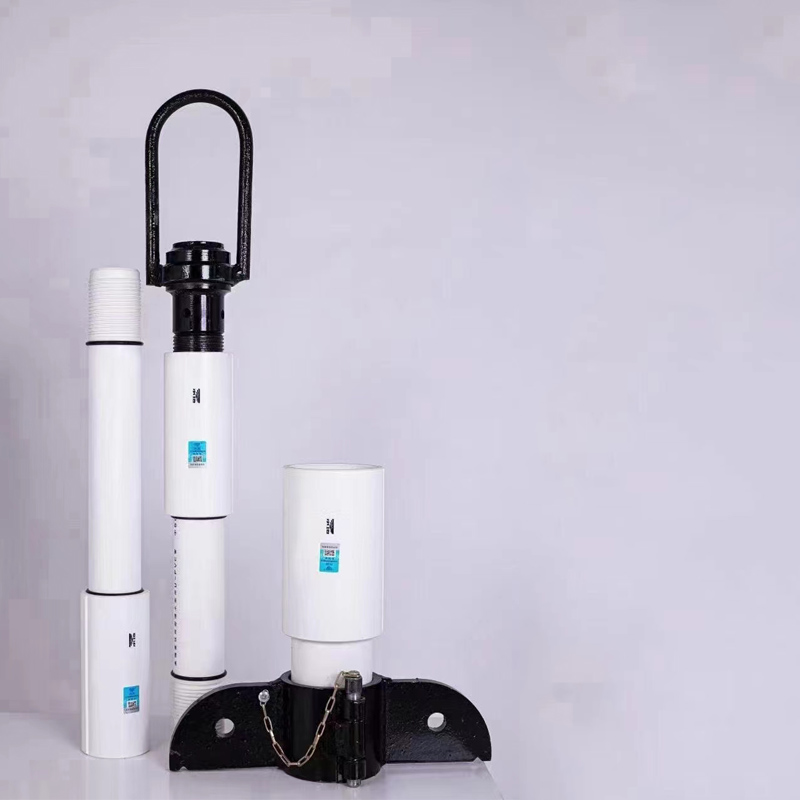
High-Density Polyethylene (HDPE) irrigation pipe fittings represent a critical component in modern agricultural water management systems. Produced extensively in China, these fittings facilitate the efficient and reliable delivery of water to crops, playing a key role in optimizing yield and minimizing water waste. This technical guide details the material science, manufacturing processes, performance characteristics, potential failure modes, and relevant industry standards associated with China-manufactured HDPE irrigation pipe fittings. These fittings typically connect HDPE pipes of various diameters, allowing for the creation of complex irrigation networks. A core industry pain point is maintaining consistent quality across different manufacturers and ensuring long-term durability in varying environmental conditions, including UV exposure, soil chemistry, and pressure fluctuations. This guide aims to provide a comprehensive understanding for procurement managers, engineers, and agricultural professionals.
Material Science & Manufacturing
HDPE irrigation pipe fittings are primarily manufactured from High-Density Polyethylene resin, a thermoplastic polymer known for its excellent chemical resistance, high strength-to-density ratio, and flexibility. The raw material typically conforms to standards such as PE100 or PE80, defining minimum requirements for molecular weight and density. Manufacturing processes vary based on fitting type and complexity. Injection molding is commonly used for smaller fittings like tees, elbows, and caps. This process involves melting the HDPE resin and injecting it into a mold cavity under high pressure. Key parameters controlled during injection molding include melt temperature (typically 180-220°C), mold temperature (30-50°C), injection pressure (70-100 MPa), and cooling time. For larger diameter fittings, rotational molding (rotomolding) is frequently employed. This technique involves heating a mold filled with HDPE powder while rotating it biaxially, resulting in a hollow, seamless fitting. Rotomolding parameters include oven temperature (250-300°C), rotation speed (variable depending on fitting size), and cycle time. Extrusion is utilized for manufacturing straight sections of pipe which are then cut and formed into fittings. Material properties are critically affected by the resin’s molecular weight distribution, the presence of additives (UV stabilizers, antioxidants), and the consistency of processing parameters. Chemical compatibility with fertilizers and pesticides commonly used in irrigation systems is another crucial consideration, requiring formulations resistant to degradation.
Performance & Engineering
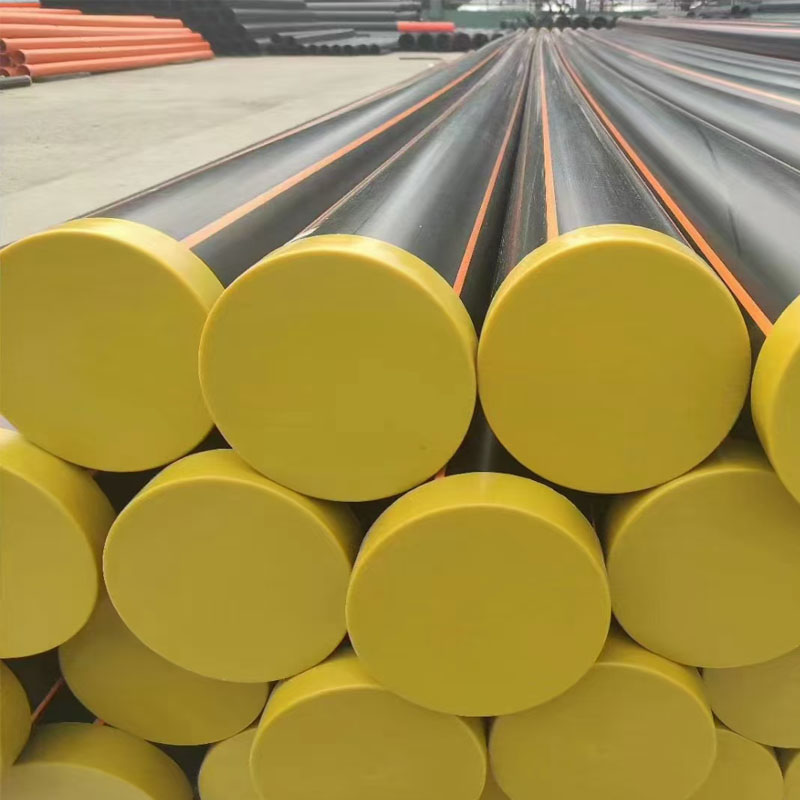
The performance of HDPE irrigation pipe fittings is governed by several key engineering principles. Hydrostatic strength, determined through burst pressure testing (ASTM D1597), is paramount, ensuring the fitting can withstand the operational water pressure. Stress analysis, employing Finite Element Analysis (FEA) methods, is crucial in design to optimize fitting geometry and minimize stress concentrations, especially at connection points. Environmental Stress Cracking (ESC) is a significant concern, particularly when fittings are exposed to chemicals in the irrigation water or soil. Long-term hydrostatic strength (LTHS) testing (ISO 1167) predicts the fitting's ability to withstand sustained pressure over an extended period. UV resistance is vital for fittings exposed to sunlight; additives such as carbon black or hindered amine light stabilizers (HALS) are incorporated into the HDPE resin to mitigate UV degradation. Joint integrity is also critical. Fittings are commonly joined using butt fusion, socket fusion, or mechanical couplings. Butt fusion, involving heating and fusing the pipe and fitting ends, provides the strongest and most reliable joint. Socket fusion, utilizing a heating tool to soften the pipe and fitting socket, offers a simpler connection method. Mechanical couplings, using rubber gaskets and clamping mechanisms, provide a field-installable solution, but generally offer lower pressure ratings. The coefficient of thermal expansion for HDPE (approximately 0.2 mm/m/°C) must be considered in system design to accommodate temperature fluctuations and prevent stress buildup.
Technical Specifications
| Parameter | Unit | PE80 (Typical) | PE100 (Typical) |
|---|---|---|---|
| Hydrostatic Pressure (Burst) | MPa | 12.5 | 16 |
| Long-Term Hydrostatic Strength (LTHS) - 1000 hrs | MPa | 5.0 | 6.3 |
| Density | g/cm³ | 0.935 - 0.955 | 0.960 - 0.980 |
| Rockwell Hardness | - | 60-70 | 70-80 |
| UV Resistance (ASTM D4459) | Hours to 50% Loss of Tensile Strength | >500 | >1000 |
| Operating Temperature Range | °C | -40 to +60 | -40 to +60 |
Failure Mode & Maintenance
HDPE irrigation pipe fittings can fail through several mechanisms. Environmental Stress Cracking (ESC) is a prevalent failure mode, initiated by prolonged exposure to chemicals and stresses. UV degradation can lead to embrittlement and cracking, particularly in fittings lacking adequate UV stabilization. Fatigue cracking can occur at connection points due to cyclic pressure fluctuations. Delamination can occur in rotational molded fittings if the resin is not adequately fused. Oxidation, although slower in HDPE compared to other polymers, can still contribute to long-term degradation. Improper installation, such as over-tightening mechanical couplings or inadequate fusion welding, is a major contributor to early failures. Maintenance procedures should include regular visual inspections for cracks, leaks, and signs of UV degradation. Pressure testing should be conducted periodically to identify potential weaknesses in the system. For butt-fused joints, non-destructive testing methods such as ultrasonic testing can assess weld integrity. Damaged fittings should be replaced immediately. Preventative maintenance includes ensuring proper water filtration to remove abrasive particles and minimizing exposure to harsh chemicals. Periodically flushing the irrigation system to remove sediment buildup is also recommended.
Industry FAQ
Q: What is the difference between PE80 and PE100 HDPE for irrigation fittings, and why would I choose one over the other?
A: PE100 offers superior long-term hydrostatic strength and resistance to environmental stress cracking compared to PE80. While PE80 is generally more cost-effective, PE100 is recommended for higher-pressure systems, applications involving aggressive chemicals, or where long-term reliability is paramount. The higher molecular weight and density of PE100 contribute to its enhanced performance characteristics.
Q: How do I ensure a reliable butt-fused joint in the field?
A: Reliable butt fusion requires properly trained personnel, clean and dry pipe ends, and adherence to precise welding parameters (temperature, pressure, and dwell time) specified by the fitting manufacturer. Using a calibrated fusion machine and performing visual inspections, as well as potentially ultrasonic testing, are crucial steps. Consistent alignment and proper bead sizing are also essential.
Q: What impact does UV exposure have on HDPE irrigation fittings, and how can I mitigate it?
A: UV exposure causes chain scission in the HDPE polymer, leading to embrittlement, loss of impact strength, and surface cracking. Mitigating UV damage requires using fittings formulated with UV stabilizers (carbon black or HALS) and minimizing direct sunlight exposure where possible. Consider burying fittings or using protective covers.
Q: What is the best method for joining HDPE irrigation fittings for a homeowner application with limited experience?
A: For homeowners with limited experience, mechanical couplings are the most user-friendly joining method. While they typically have lower pressure ratings than fused joints, they require minimal tools and skills. Ensure the coupling is properly sized for the pipe diameters and the rubber gasket is correctly installed.
Q: What should I look for when sourcing HDPE irrigation fittings from Chinese manufacturers to ensure quality control?
A: Verify the manufacturer holds relevant certifications (ISO 9001 for quality management). Request material certificates verifying compliance with PE100 or PE80 standards. Inspect samples for dimensional accuracy, surface finish, and the presence of any visible defects. Consider conducting independent testing to validate performance characteristics. A robust supplier audit process is also recommended.
Conclusion
China-manufactured HDPE irrigation pipe fittings are essential for efficient agricultural water delivery, but their long-term performance relies heavily on material selection, manufacturing quality, and proper installation. Understanding the underlying material science, specifically the properties of PE80 and PE100 resins, is crucial for informed procurement decisions. Addressing potential failure modes, such as ESC, UV degradation, and fatigue cracking, through preventative maintenance and appropriate material choices is vital for maximizing system longevity.
The increasing demand for sustainable agricultural practices will continue to drive innovation in HDPE irrigation technology. Future developments may focus on incorporating advanced materials, such as reinforced HDPE compounds, and improving manufacturing techniques to enhance fitting durability and performance. Diligent adherence to international standards and a focus on quality control throughout the supply chain will be paramount to ensure the reliability and longevity of these critical components.
-
DN25 HDPE Compression Fitting-HORON INTERNATIONAL|Reliable Irrigation Solutions
NewsFeb.11,2026
-
china sprinkler pvc pipe Performance and Engineering
News2026-05-12
-
china ppr pipe 3 4 Performance Analysis
News2026-05-12
-
china hdpe sprinkler pipe Performance Analysis
News2026-05-12
-
china hdpe irrigation pipe fittings Performance Analysis
News2026-05-12
-
china whole sale pvc pipe Performance Analysis
News2026-05-12
-
china 25mm ppr pipe price Technical Analysis
News2026-05-11
-
china hdpe pipe pdf Performance Analysis
News2026-05-11
-
china 12 double wall corrugated pipe Performance Analysis
News2026-05-11
-
china water pipes under kitchen sink Performance Analysis
News2026-05-11
-
china 10 hdpe corrugated pipe Performance Analysis
News2026-05-11
-
china hdpe coupling fittings Performance Analysis
News2026-05-10
-
china hdpe pipe use Performance Analysis
News2026-05-10
-
china hdpe water supply pipe Performance Analysis
News2026-05-10
-
china 1.5 inch pvc pipe Performance Analysis
News2026-05-10
-
china hdpe double wall corrugated pipe Performance Analysis
News2026-05-10