

Feb . 11, 2026 00:01 Back to list
PPR 3 4 price service Performance Analysis
Introduction
Polypropylene Random Copolymer (PPR) piping systems represent a significant advancement in fluid conveyance technology, particularly within building infrastructure. "PPR 3 4 price service" refers to the procurement, supply, and associated services concerning PPR pipes with diameters of 32mm and 40mm – dimensions frequently employed in residential and commercial plumbing applications. These systems are characterized by their inherent corrosion resistance, low pressure drop, and ease of installation via thermal fusion welding. They have largely replaced traditional metallic piping systems in many applications due to superior longevity and reduced maintenance requirements. This guide details the material science, manufacturing, performance characteristics, potential failure modes, and relevant industry standards governing PPR 32mm and 40mm piping systems, addressing the concerns of procurement managers, engineers, and maintenance personnel.
Material Science & Manufacturing
PPR pipes are manufactured from polypropylene random copolymer, a thermoplastic polymer produced through the polymerization of propylene with ethylene. The random copolymerization introduces ethylene units randomly along the polypropylene chain, disrupting its crystallinity and enhancing its impact resistance, particularly at lower temperatures. The raw material, polypropylene homopolymer and ethylene, must meet stringent purity standards (typically >99.5%) to ensure optimal pipe properties.
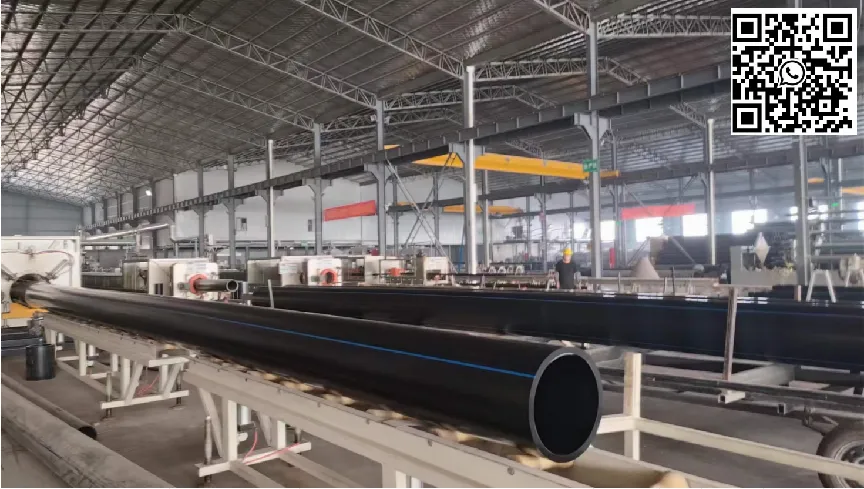
The manufacturing process typically involves extrusion. Polypropylene granules are fed into an extruder, heated, and melted. A precisely controlled die shapes the molten polymer into a seamless pipe. Key parameters during extrusion include temperature profiles (melt temperature generally between 200-260°C), screw speed, and die pressure. Maintaining consistent temperatures throughout the extrusion process is critical to prevent degradation and ensure uniform wall thickness. Following extrusion, pipes are cooled in a water bath, calibrated to precise dimensions, and cut to length. Quality control at this stage involves dimensional checks, hydrostatic pressure testing, and impact strength testing. The "3" and "4" designations in "PPR 3 4" refer to the Standard Dimension Ratio (SDR), which indicates the pipe’s wall thickness relative to its diameter. A lower SDR indicates a thicker wall and therefore higher pressure rating. PPR 3 has an SDR of 17, suitable for cold and hot water applications. PPR 4 has an SDR of 21, typically used for cold water applications only.
Performance & Engineering
The performance of PPR piping systems is dictated by several key engineering properties. Hydrostatic strength, determined by the SDR and material characteristics, defines the pipe’s ability to withstand internal pressure. PPR pipes exhibit excellent chemical resistance to a broad range of chemicals, including acids, bases, and salts commonly found in domestic water supplies. However, prolonged exposure to strong oxidizing agents should be avoided. Thermal expansion is a critical consideration in PPR system design. Polypropylene has a significantly higher coefficient of thermal expansion than metals (approximately 0.15 mm/m°C). Expansion loops and proper anchoring are essential to accommodate thermal movement and prevent stress on joints.
Force analysis during installation and operation must account for the weight of the pipe, fluid pressure, and external loads. Thermal fusion welding, the standard joining method, creates a homogenous joint with strength comparable to the base material. However, improper welding parameters (temperature, pressure, time) can lead to weakened joints prone to failure. Compliance with local plumbing codes and relevant standards (detailed in the footer) is paramount. These codes often specify minimum pressure ratings, allowable stresses, and installation procedures.
Technical Specifications
| Parameter | PPR 3 (SDR 17) - 32mm | PPR 3 (SDR 17) - 40mm | PPR 4 (SDR 21) - 32mm |
|---|---|---|---|
| Outside Diameter (mm) | 32 | 40 | 32 |
| Wall Thickness (mm) | 2.3 | 2.8 | 2.0 |
| Pressure Rating (PN) (bar) | 20 | 16 | 16 |
| Hydrostatic Test Pressure (bar) | 30 | 24 | 24 |
| Operating Temperature (°C) | -20 to +95 | -20 to +95 | -20 to +60 |
| Coefficient of Linear Expansion (mm/m°C) | 0.15 | 0.15 | 0.15 |
Failure Mode & Maintenance
Common failure modes in PPR piping systems include joint failure due to improper fusion welding, cracking from excessive stress or thermal expansion without adequate expansion loops, and slow crack growth (SCG) caused by exposure to chlorinated water and residual stresses in the pipe material. SCG typically occurs over extended periods and is characterized by small, brittle cracks propagating from the inside of the pipe. Delamination can occur if the polymer is degraded during processing or exposed to UV radiation. Oxidation can also contribute to material degradation, particularly at elevated temperatures.
Preventative maintenance involves periodic visual inspection for leaks and cracks. Hydrostatic testing can be performed to assess the integrity of the system. If leaks are detected, the affected section of pipe should be replaced using proper thermal fusion welding techniques. Regular flushing of the system helps remove sediment buildup that can contribute to SCG. Proper insulation can minimize temperature fluctuations and reduce thermal stress. Avoid using abrasive cleaning agents or solvents that can damage the pipe material. For SCG prevention, ensure water chemistry is maintained within acceptable limits and consider using stabilized PPR formulations where appropriate.
Industry FAQ
Q: What is the primary difference between PPR 3 and PPR 4, and when should each be used?
A: The key difference lies in their Standard Dimension Ratios (SDRs). PPR 3 has an SDR of 17, offering a higher pressure rating and making it suitable for both hot and cold water distribution. PPR 4, with an SDR of 21, has a lower pressure rating and is generally recommended for cold water applications only. The choice depends on the specific application's temperature and pressure requirements.
Q: How does thermal expansion affect PPR piping systems, and what mitigation strategies should be employed?
A: PPR has a significant coefficient of thermal expansion. Without proper consideration, expansion and contraction with temperature changes can induce stress on joints and pipe supports, leading to leaks or failures. Mitigation strategies include incorporating expansion loops, using flexible connectors, and providing adequate anchoring to allow for movement without overstressing the system.
Q: What are the critical parameters to control during thermal fusion welding to ensure joint integrity?
A: Precise control of temperature, pressure, and welding time are crucial. The welding temperature must be within the manufacturer's specified range (typically 260-280°C). Sufficient pressure must be applied to ensure adequate bonding. The welding time should be long enough to achieve complete fusion but not excessive, which can lead to material degradation. Regular calibration of the welding equipment is essential.
Q: What is Slow Crack Growth (SCG) in PPR, and how can it be prevented?
A: SCG is a long-term degradation phenomenon caused by the combined effects of sustained stress, the presence of chlorinated water, and inherent imperfections in the polymer. Prevention involves maintaining appropriate water chemistry (minimizing chlorine levels), using stabilized PPR formulations, avoiding excessive stress on the pipe, and performing regular inspections.
Q: How does UV exposure impact PPR pipes, and what protective measures are recommended?
A: Prolonged exposure to UV radiation can cause degradation of the polypropylene material, leading to brittleness and reduced strength. PPR pipes should be protected from direct sunlight, particularly during storage and installation. If outdoor exposure is unavoidable, pipes should be painted with a UV-resistant coating or covered with opaque insulation.
Conclusion
PPR 3 and 4 piping systems offer a robust and reliable solution for fluid conveyance, providing superior corrosion resistance and ease of installation compared to traditional materials. However, realizing their full potential requires a thorough understanding of the material science, manufacturing processes, and potential failure modes. Careful attention to design considerations, proper installation techniques (particularly thermal fusion welding), and regular maintenance are crucial for ensuring long-term performance and minimizing the risk of failures.
Future developments in PPR technology may focus on enhancing UV resistance, improving resistance to SCG, and developing more advanced welding techniques. The selection of the appropriate PPR grade and SDR for a given application, combined with adherence to relevant industry standards, remains paramount for ensuring a safe and durable piping system.
-
DN25 HDPE Compression Fitting-HORON INTERNATIONAL|Reliable Irrigation Solutions
NewsFeb.11,2026
-
china sprinkler pvc pipe Performance and Engineering
News2026-05-12
-
china ppr pipe 3 4 Performance Analysis
News2026-05-12
-
china hdpe sprinkler pipe Performance Analysis
News2026-05-12
-
china hdpe irrigation pipe fittings Performance Analysis
News2026-05-12
-
china whole sale pvc pipe Performance Analysis
News2026-05-12
-
china 25mm ppr pipe price Technical Analysis
News2026-05-11
-
china hdpe pipe pdf Performance Analysis
News2026-05-11
-
china 12 double wall corrugated pipe Performance Analysis
News2026-05-11
-
china water pipes under kitchen sink Performance Analysis
News2026-05-11
-
china 10 hdpe corrugated pipe Performance Analysis
News2026-05-11
-
china hdpe coupling fittings Performance Analysis
News2026-05-10
-
china hdpe pipe use Performance Analysis
News2026-05-10
-
china hdpe water supply pipe Performance Analysis
News2026-05-10
-
china 1.5 inch pvc pipe Performance Analysis
News2026-05-10
-
china hdpe double wall corrugated pipe Performance Analysis
News2026-05-10