

Feb . 11, 2026 00:01 Back to list
ppr 3 4 price product Performance Analysis
Introduction
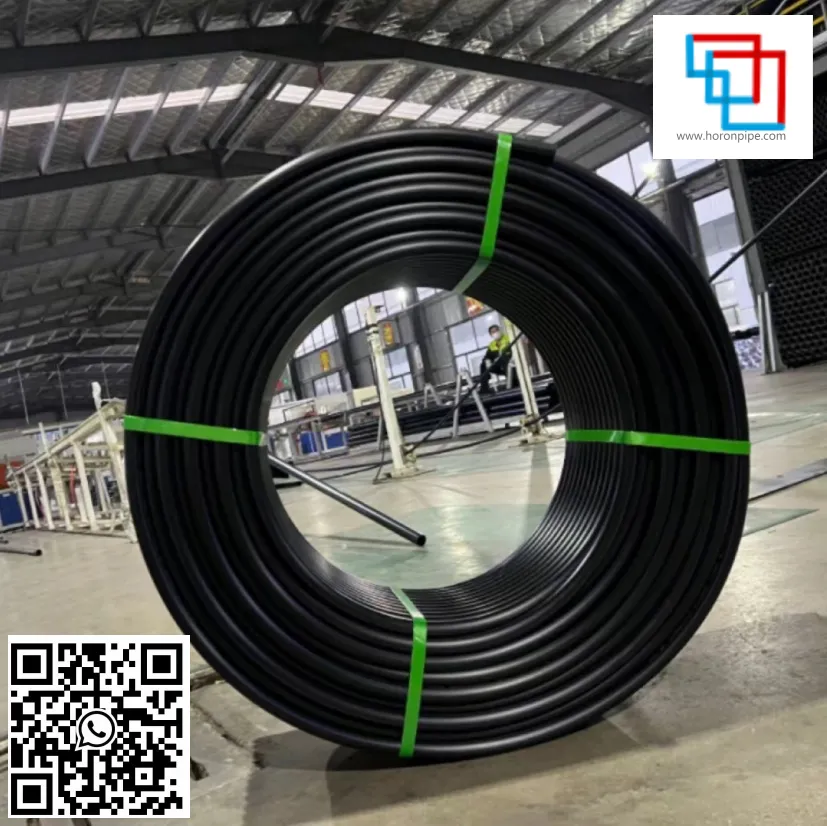
Polypropylene Random Copolymer (PPR) pipe, specifically the 3 and 4 series, represents a significant advancement in fluid conveyance systems. This guide focuses on PPR pipe adhering to relevant international standards, commonly used for potable water, heating, and cooling systems. PPR’s position in the industry chain stems from its role as a direct replacement for traditional metallic piping (copper, galvanized steel) and older PVC systems. Its core performance characteristics revolve around chemical inertness, temperature resistance, and long-term durability with minimal maintenance. A key industry pain point is ensuring consistent weld quality and avoiding premature failure due to improper installation techniques, particularly concerning pressure and temperature ratings. This detailed technical guide will explore the material science, manufacturing processes, performance engineering, potential failure modes, and crucial maintenance protocols associated with PPR 3 and 4 pipe systems.
Material Science & Manufacturing
PPR pipe is manufactured from polypropylene random copolymer resin. The raw material’s key physical properties include a density of approximately 0.905 – 0.92 g/cm³, a tensile strength ranging from 20-30 MPa, and a flexural modulus of 800-1200 MPa. The ‘random copolymer’ designation signifies the random distribution of comonomers (typically ethylene) within the polypropylene chain, resulting in enhanced flexibility and improved impact resistance compared to homopolymer polypropylene. Manufacturing typically involves extrusion molding. Granular PPR resin is fed into an extruder, melted, and forced through a die to create the pipe's shape. Precise control of the melt temperature (typically 190-240°C) and die pressure is crucial to ensure dimensional accuracy and prevent material degradation. Socket fusion and butt fusion are the primary joining methods. Socket fusion involves heating both the pipe end and the fitting socket and joining them under pressure. Butt fusion, used for larger diameters, requires heating the pipe ends and pressing them together. Key parameters controlled during fusion include temperature (typically 260-270°C for socket fusion), pressure, and dwell time. Hydrostatic pressure testing is a critical quality control measure, performed to verify the pipe’s ability to withstand specified internal pressures without leakage or failure. The quality of the resin, consistent extrusion parameters, and proper fusion techniques all directly affect the long-term performance and reliability of the PPR system.
Performance & Engineering
The performance of PPR pipe is dictated by its ability to withstand internal pressure, external loads, and thermal stresses. Force analysis reveals that the hoop stress, resulting from internal pressure, is the primary stress component. PPR’s pressure rating (PN – Nominal Pressure) directly relates to its ability to withstand this hoop stress. PPR 3 pipes typically have a PN rating of 16, capable of withstanding 1.6 MPa (approximately 232 psi) at 20°C, while PPR 4 pipes offer a higher PN of 20, handling 2.0 MPa (approximately 290 psi) at 20°C. Temperature resistance is also crucial; PPR can operate continuously at temperatures up to 70°C, with short-term temperature excursions up to 95°C. Long-term exposure to high temperatures can lead to creep deformation and reduced pressure resistance. Environmental resistance is generally excellent; PPR is resistant to most common chemicals found in potable water and many industrial fluids. However, prolonged exposure to strong oxidizing agents should be avoided. Compliance requirements are governed by international standards (detailed in the footer), ensuring consistent quality and safety. Proper pipe support is essential to prevent excessive bending and stress concentrations, particularly during installation and operation. Expansion loops are recommended for long pipe runs to accommodate thermal expansion and contraction, minimizing stress on joints and fittings.
Technical Specifications
| Parameter | PPR 3 | PPR 4 | Unit |
|---|---|---|---|
| Nominal Pressure (PN) | 16 | 20 | bar |
| Operating Temperature (Continuous) | -20 to 70 | -20 to 70 | °C |
| Operating Temperature (Short Term) | Up to 95 | Up to 95 | °C |
| Tensile Strength | 20-25 | 22-30 | MPa |
| Flexural Modulus | 800-1000 | 900-1200 | MPa |
| Density | 0.905-0.92 | 0.905-0.92 | g/cm³ |
Failure Mode & Maintenance
Common failure modes in PPR pipe systems include joint failures (due to improper fusion), cracking (caused by overpressure, thermal stress, or mechanical damage), and slow crack growth (SCG) in the presence of certain contaminants. Fatigue cracking can occur in areas subjected to repeated pressure cycles or vibration. Delamination can occur within the pipe wall if the material was poorly compounded or processed. Oxidation and UV degradation are less common but can occur with prolonged exposure to sunlight. Failure analysis typically involves visual inspection, hydrostatic testing, and microscopic examination of fractured surfaces. Preventive maintenance is crucial. Regular visual inspections should be conducted to identify any signs of leakage, cracking, or deformation. Periodic hydrostatic testing (especially for critical applications) can verify the system’s integrity. Avoid using abrasive cleaning agents or solvents, as these can damage the pipe material. If repairs are necessary, use only compatible PPR fittings and ensure proper fusion techniques. For minor leaks, localized repairs using appropriate PPR welding techniques are generally effective. For significant damage, replacement of the affected pipe section is recommended. Maintaining a record of installation dates, pressure test results, and maintenance activities is essential for long-term system reliability.
Industry FAQ
Q: What is the primary difference between PPR 3 and PPR 4 in terms of application suitability?
A: PPR 3 is generally suitable for residential potable water systems and low-pressure heating applications. PPR 4, with its higher pressure rating, is preferred for larger diameter systems, higher pressure heating systems, industrial applications, and situations requiring increased safety margins. The choice depends on the maximum operating pressure and temperature of the specific application.
Q: What are the common causes of joint failure in PPR pipe systems?
A: Joint failures most often result from inadequate fusion – insufficient heating temperature, improper pressure during fusion, or insufficient dwell time. Contamination of the pipe end or fitting socket with dirt or moisture can also compromise the weld. Improper chamfering of the pipe end prior to fusion can also cause incomplete bonding.
Q: Can PPR pipe be used for transporting gas?
A: While PPR is chemically resistant to many gases, it is generally not recommended for gas transport without specific certification and compliance with local gas safety regulations. Gas permeation through the pipe wall can occur, and PPR’s pressure resistance may not be adequate for all gas applications.
Q: How does temperature affect the long-term performance of PPR pipe?
A: Elevated temperatures accelerate creep deformation and reduce the long-term pressure resistance of PPR. While PPR can withstand short-term temperature excursions, prolonged exposure to temperatures above 70°C should be avoided. Thermal expansion and contraction also need to be accounted for in the system design, with the use of expansion loops.
Q: What is slow crack growth (SCG) and how can it be prevented?
A: SCG is a phenomenon where cracks initiate and propagate slowly over time due to the combined effects of sustained stress, the presence of certain chemicals (e.g., chlorine), and material defects. Prevention includes using high-quality PPR resin, avoiding contact with incompatible chemicals, and ensuring proper installation to minimize stress concentrations.
Conclusion
PPR 3 and 4 pipe systems represent a robust and reliable solution for fluid conveyance, offering advantages in terms of corrosion resistance, ease of installation, and cost-effectiveness. However, successful implementation hinges on a thorough understanding of the material’s properties, proper manufacturing processes, and adherence to industry best practices. Ensuring correct fusion techniques, appropriate pipe support, and preventative maintenance are critical to maximizing the lifespan and performance of the system.
The long-term durability of PPR piping relies heavily on minimizing stress concentrations and preventing material degradation. Future advancements may focus on developing PPR compounds with enhanced UV resistance and improved resistance to SCG. Continued adherence to international standards and rigorous quality control measures will be essential to maintaining the reliability and safety of PPR piping systems across various industrial and residential applications.
-
DN25 HDPE Compression Fitting-HORON INTERNATIONAL|Reliable Irrigation Solutions
NewsFeb.11,2026
-
china sprinkler pvc pipe Performance and Engineering
News2026-05-12
-
china ppr pipe 3 4 Performance Analysis
News2026-05-12
-
china hdpe sprinkler pipe Performance Analysis
News2026-05-12
-
china hdpe irrigation pipe fittings Performance Analysis
News2026-05-12
-
china whole sale pvc pipe Performance Analysis
News2026-05-12
-
china 25mm ppr pipe price Technical Analysis
News2026-05-11
-
china hdpe pipe pdf Performance Analysis
News2026-05-11
-
china 12 double wall corrugated pipe Performance Analysis
News2026-05-11
-
china water pipes under kitchen sink Performance Analysis
News2026-05-11
-
china 10 hdpe corrugated pipe Performance Analysis
News2026-05-11
-
china hdpe coupling fittings Performance Analysis
News2026-05-10
-
china hdpe pipe use Performance Analysis
News2026-05-10
-
china hdpe water supply pipe Performance Analysis
News2026-05-10
-
china 1.5 inch pvc pipe Performance Analysis
News2026-05-10
-
china hdpe double wall corrugated pipe Performance Analysis
News2026-05-10