

Feb . 11, 2026 00:01 Back to list
ppr 3 4 price factory Performance Analysis
Introduction
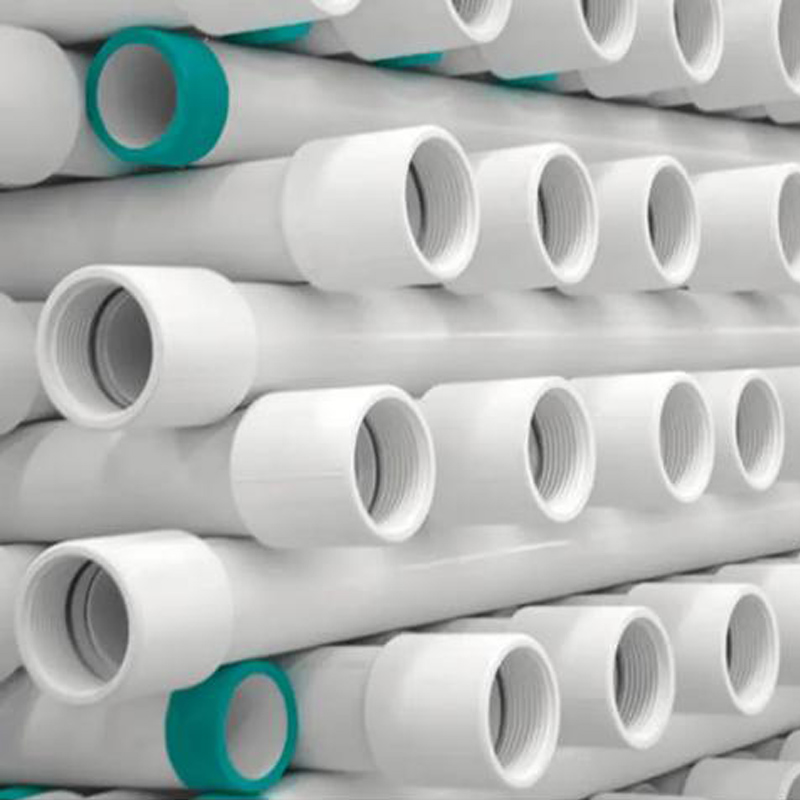
Polypropylene Random Copolymer (PPR) piping systems, specifically those conforming to a 3.4 MPa (34 bar) pressure rating, represent a critical component in modern fluid conveyance infrastructure. This technical guide details the science, manufacturing, performance, failure modes, and maintenance protocols associated with PPR pipes, focusing on cost-effective factory pricing structures. PPR systems are widely deployed in hot and cold water distribution, industrial applications requiring chemical resistance, and increasingly, in heating and cooling systems. Their position in the industry chain sits between raw polypropylene resin production and final installation by plumbers and engineers. Core performance characteristics include pressure resistance, thermal stability, chemical inertness, and long-term durability. The increasing demand for PPR is driven by its advantages over traditional metallic piping – corrosion resistance, lower thermal conductivity (reducing heat loss), and ease of installation via heat fusion welding. However, understanding the nuances of material selection, manufacturing quality control, and proper installation are paramount to realizing these benefits and mitigating potential failures.
Material Science & Manufacturing
PPR pipes are manufactured from polypropylene random copolymer, a thermoplastic polymer created by polymerizing propylene monomers with ethylene comonomers. This random copolymerization disrupts the crystallinity of polypropylene, resulting in improved impact resistance and flexibility, especially at lower temperatures. The base material, polypropylene, is derived from propylene gas, a byproduct of petroleum refining and natural gas processing. Key physical properties include a density of approximately 0.905 – 0.92 g/cm³, a glass transition temperature around 0°C, and a melting point between 130-170°C, depending on the specific grade.
Manufacturing typically involves extrusion. Polypropylene granules are fed into an extruder, heated to a molten state, and forced through a die to create the pipe’s shape. Critical parameters during extrusion include temperature control (to prevent degradation and ensure homogeneity), die pressure (influencing pipe dimensions and wall thickness), and cooling rate (affecting crystallinity and mechanical properties). Heat fusion welding is the standard joining method for PPR pipes. This involves heating both the pipe and fitting surfaces to their melting point and pressing them together, creating a homogenous, leak-proof joint. Quality control during manufacturing necessitates rigorous testing of melt flow index (MFI), impact strength (using Charpy or Izod tests), hydrostatic pressure testing, and dimensional accuracy. The presence of additives, such as stabilizers (to prevent UV degradation) and antioxidants (to prevent oxidation), are crucial for long-term performance, and their concentration must be carefully controlled.
Performance & Engineering
The performance of PPR pipes is heavily reliant on their ability to withstand hydrostatic pressure, thermal expansion, and chemical exposure. A 3.4 MPa pressure rating signifies that the pipe can safely contain water at that pressure level over its intended lifespan (typically 50+ years). Force analysis reveals that hoop stress (circumferential stress) is the dominant stress component in pressurized pipes. The pipe wall thickness is engineered to withstand this stress, calculated using the Barlow's formula: σ = (P D) / (2 t), where σ is hoop stress, P is internal pressure, D is pipe diameter, and t is wall thickness.
Thermal expansion is a significant consideration. PPR has a coefficient of thermal expansion approximately ten times higher than steel. This necessitates the incorporation of expansion loops or flexible connectors in long pipe runs to prevent stress cracking due to thermal cycling. Chemical resistance is a key advantage; PPR is resistant to a wide range of acids, alkalis, and salts commonly found in water supplies and industrial fluids. However, it's susceptible to degradation by certain organic solvents and oxidizing agents. Compliance requirements vary by region. In Europe, EN ISO 15876 governs the specifications for PPR piping systems. In North America, ASTM D3951 provides standards for polypropylene pipe. Proper installation, adhering to manufacturer guidelines and relevant standards, is critical to achieving optimal performance and longevity. Incorrectly fused joints or inadequate support can lead to premature failure.
Technical Specifications
| Parameter | Specification (Typical) | Test Standard | Units |
|---|---|---|---|
| Nominal Pressure Rating | 3.4 | EN ISO 15876 | MPa (Bar) |
| Material | Polypropylene Random Copolymer | ISO 1043-1 | - |
| Density | 0.905 – 0.92 | ISO 1183 | g/cm³ |
| Melt Flow Index (MFI) | 1.5 – 2.5 | ISO 1133 | g/10 min |
| Hydrostatic Pressure Test | ≥ 4.1 | EN ISO 11332 | MPa (Bar) |
| Operating Temperature | -20 to +95 | EN ISO 15876 | °C |
Failure Mode & Maintenance
PPR pipe failures typically fall into several categories: 1) Fatigue Cracking: Repeated pressure fluctuations can induce fatigue cracks, particularly at stress concentrators like joints or fittings. 2) Thermal Stress Cracking: Insufficient accommodation for thermal expansion/contraction can lead to stress buildup and cracking. 3) Oxidation: Prolonged exposure to high temperatures and oxygen can cause oxidative degradation, reducing mechanical properties. 4) UV Degradation: Exposure to ultraviolet radiation can embrittle the material, leading to cracking. 5) Joint Failure: Improperly fused joints are a common failure point, resulting in leaks. 6) Corrosion (External): While internally corrosion resistant, external exposure to aggressive chemicals can cause surface degradation.
Preventive maintenance includes regular visual inspections for leaks, cracks, or signs of degradation. Periodic pressure testing can identify potential weaknesses before catastrophic failure. Avoid exposing PPR pipes to direct sunlight for prolonged periods. Insulation can mitigate thermal stress. If leaks are detected, the affected section of pipe should be replaced using proper heat fusion welding techniques. Avoid using abrasive cleaning agents, as they can damage the pipe surface. For systems handling chemically aggressive fluids, consult a materials compatibility chart to ensure the PPR grade is suitable. In the event of widespread oxidation or UV degradation, complete system replacement may be necessary.
Industry FAQ
Q: What is the impact of water hardness on the lifespan of a PPR piping system?
A: Water hardness, specifically calcium and magnesium content, can contribute to scale buildup inside PPR pipes over time. While PPR is inherently corrosion-resistant, scale can reduce the internal diameter, increasing flow resistance and potentially leading to localized pressure stresses. Regular flushing or the installation of water softeners may be necessary in areas with high water hardness to mitigate this effect.
Q: What are the advantages of using PPR over CPVC in hot water applications?
A: PPR generally offers lower thermal conductivity than CPVC, resulting in reduced heat loss from hot water systems. PPR also exhibits greater flexibility, making it less prone to cracking under thermal stress. While CPVC can withstand slightly higher temperatures, PPR's superior welding characteristics and resistance to chlorine-based disinfectants are often advantageous.
Q: How does the quality of the welding equipment impact the reliability of PPR joints?
A: The quality of the heat fusion welding equipment is paramount. Precise temperature control and consistent heating element performance are crucial for achieving homogenous, leak-proof joints. Using calibrated and regularly maintained welding machines is essential. Improper welding parameters (e.g., insufficient heating time or excessive pressure) can lead to weak joints prone to failure.
Q: Are there any specific considerations for installing PPR pipes in seismic zones?
A: In seismic zones, PPR piping systems require flexible connections and adequate anchoring to accommodate ground movement. Consider using specialized PPR fittings designed for seismic applications, which incorporate features to absorb vibrations and prevent joint separation. Proper pipe support and secure anchoring to building structures are also critical.
Q: What is the environmental impact of PPR pipe production and disposal?
A: Polypropylene is a recyclable plastic (recycling code #5). While not all municipalities accept PPR for recycling, efforts are increasing to develop polypropylene recycling infrastructure. The production of polypropylene does rely on fossil fuels, and energy consumption during manufacturing is a concern. However, PPR’s long lifespan and resistance to corrosion reduce the need for frequent replacements, minimizing overall environmental impact compared to metallic piping systems.
Conclusion
PPR piping systems, specifically those rated for 3.4 MPa, represent a robust and cost-effective solution for a wide range of fluid conveyance applications. Their inherent corrosion resistance, ease of installation, and thermal properties provide significant advantages over traditional materials. However, realizing these benefits demands meticulous attention to material selection, manufacturing quality control, proper installation techniques (heat fusion welding), and ongoing maintenance to prevent potential failure modes such as fatigue cracking, thermal stress cracking, and UV degradation.
Future development will likely focus on enhancing PPR formulations with improved UV stabilizers, impact modifiers, and recycled content. The implementation of advanced non-destructive testing methods for quality control during manufacturing and installation will further enhance system reliability. Continued adherence to international standards like EN ISO 15876 and ASTM D3951, alongside industry best practices, will be crucial for ensuring the long-term performance and sustainability of PPR piping infrastructure.
-
DN25 HDPE Compression Fitting-HORON INTERNATIONAL|Reliable Irrigation Solutions
NewsFeb.11,2026
-
china sprinkler pvc pipe Performance and Engineering
News2026-05-12
-
china ppr pipe 3 4 Performance Analysis
News2026-05-12
-
china hdpe sprinkler pipe Performance Analysis
News2026-05-12
-
china hdpe irrigation pipe fittings Performance Analysis
News2026-05-12
-
china whole sale pvc pipe Performance Analysis
News2026-05-12
-
china 25mm ppr pipe price Technical Analysis
News2026-05-11
-
china hdpe pipe pdf Performance Analysis
News2026-05-11
-
china 12 double wall corrugated pipe Performance Analysis
News2026-05-11
-
china water pipes under kitchen sink Performance Analysis
News2026-05-11
-
china 10 hdpe corrugated pipe Performance Analysis
News2026-05-11
-
china hdpe coupling fittings Performance Analysis
News2026-05-10
-
china hdpe pipe use Performance Analysis
News2026-05-10
-
china hdpe water supply pipe Performance Analysis
News2026-05-10
-
china 1.5 inch pvc pipe Performance Analysis
News2026-05-10
-
china hdpe double wall corrugated pipe Performance Analysis
News2026-05-10