

Feb . 11, 2026 00:01 Back to list
PPR 3 4 Price Factories Performance Analysis
Introduction
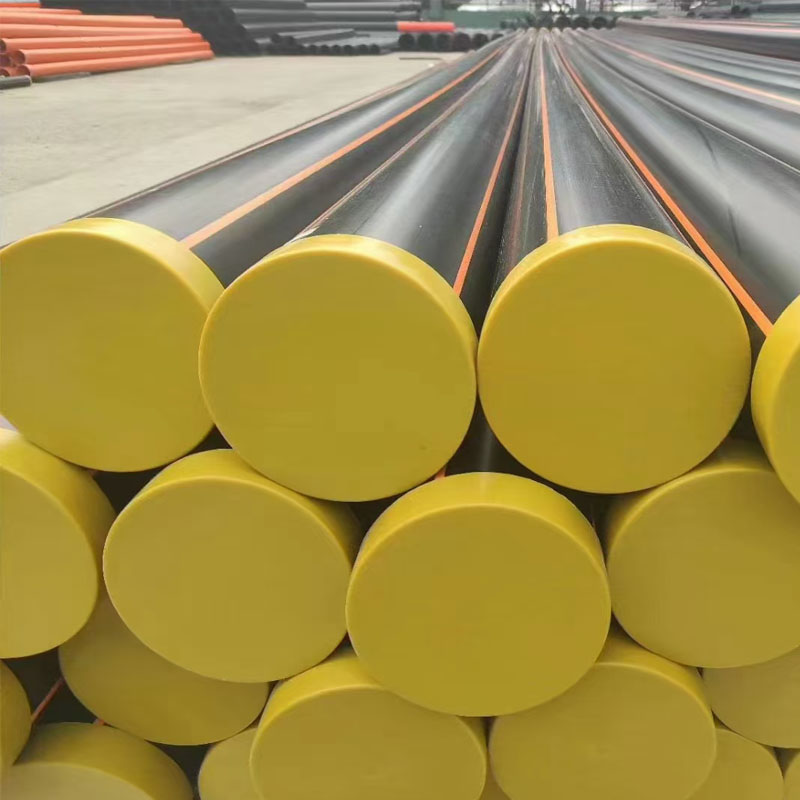
Polypropylene Random Copolymer (PPR) piping systems are a ubiquitous component in modern fluid transport networks, encompassing both potable water distribution and industrial applications. “PPR 3 4 price factories” refers to the manufacturers specializing in PPR pipe systems with diameters of 3 and 4 inches, representing a significant volume segment within the market. These systems are favored for their corrosion resistance, thermal stability, and ease of installation via heat fusion welding. The technical position of PPR lies between traditional metal piping (steel, copper) and other plastic alternatives like PVC and PE. PPR’s random copolymerization structure imparts superior impact strength and creep resistance compared to homopolymer polypropylene. Core performance characteristics include pressure containment, flow rate, temperature resistance (up to 95°C for short durations, 70°C continuous), and long-term durability. A key industry pain point is maintaining consistent raw material quality and process control to ensure uniform weld strength and prevent premature failure. Cost pressures also drive a focus on optimizing manufacturing processes within these “ppr 3 4 price factories” to remain competitive.
Material Science & Manufacturing
PPR pipe is manufactured from polypropylene random copolymer resin. The raw material’s key physical properties include a density of approximately 0.905 g/cm³, a Vicat softening temperature between 130-150°C, and a tensile strength ranging from 20-30 MPa. The random copolymerization process, achieved through the incorporation of ethylene monomers into the polypropylene chain, disrupts the crystallinity, increasing flexibility and impact resistance. Manufacturing primarily utilizes extrusion molding. Granules of PPR resin are fed into an extruder, melted, and forced through a die to form the pipe shape. Critical parameters include barrel temperature profiles (typically 180-240°C, varying by zone), screw speed, and die pressure. Precise temperature control is vital to prevent thermal degradation of the polymer. Pipe dimensions (diameter, wall thickness) are controlled by the die design and haul-off speed. Fittings are commonly produced via injection molding, requiring meticulous control of mold temperature (60-80°C) and injection pressure to ensure dimensional accuracy and weldability. Chemical compatibility is excellent with most common fluids, but prolonged exposure to strong oxidizing agents should be avoided. Post-extrusion cooling is typically achieved with water tanks, followed by dimensional inspection and quality control. Inconsistent cooling rates can lead to residual stress and warping. The grade of polypropylene used (e.g., Type 1, Type 2, Type 3 – differing in molecular weight distribution and ethylene content) directly impacts the final product performance.
Performance & Engineering
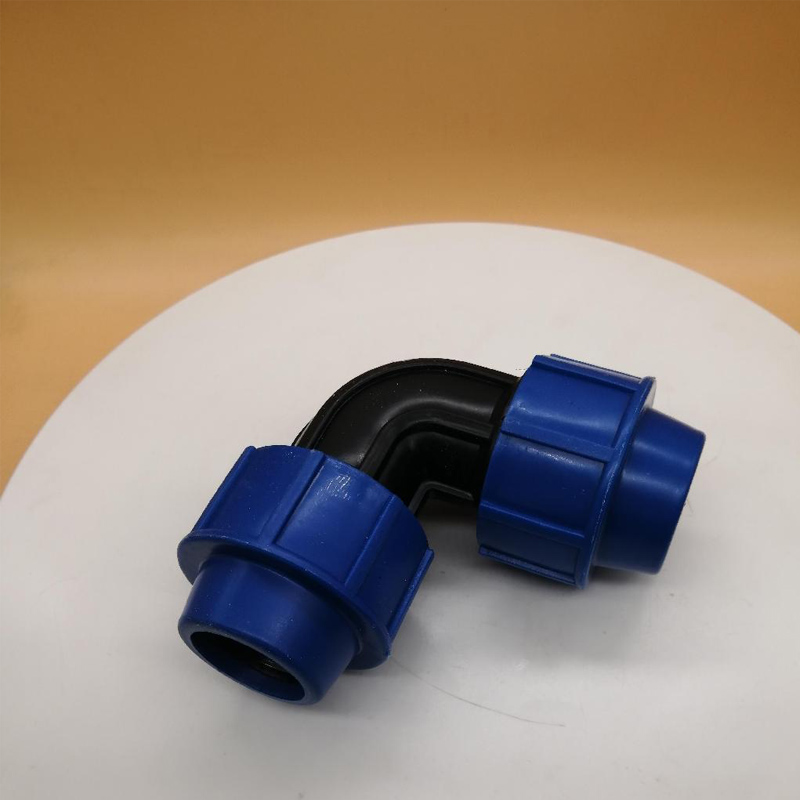
PPR pipe systems are engineered to withstand internal hydrostatic pressure and external loads. Force analysis considers hoop stress (generated by internal pressure) and longitudinal stress (due to thermal expansion/contraction and external loads). The hydrostatic design stress (HDS) is a critical parameter, typically calculated according to ISO 15876. Factors affecting HDS include pipe dimensions, material grade, and safety factors. Environmental resistance is a key consideration. While PPR exhibits excellent resistance to many chemicals, long-term UV exposure can lead to degradation and embrittlement. Therefore, UV stabilizers are often incorporated into the resin formulation. Thermal expansion is significantly higher than that of metal pipes (approximately 0.3 mm/m/°C). Expansion loops or flexible connectors are crucial to accommodate thermal movement and prevent stress on the joints. Compliance requirements vary by region, but typically include pressure testing (according to ISO 15877), material certification (ensuring conformance to ISO 15873), and hygiene certifications for potable water applications (e.g., NSF/ANSI 61). The heat fusion welding process – utilizing socket fusion or butt fusion – creates a homogenous joint with strength comparable to the base material. Proper welding parameters (temperature, time, pressure) are critical to achieve a reliable seal. Finite element analysis (FEA) is frequently employed to optimize pipe system design and predict stress distribution under various loading conditions.
Technical Specifications
| Parameter | PPR Pipe (3 inch) | PPR Pipe (4 inch) | Standard |
|---|---|---|---|
| Nominal Diameter (mm) | 75 | 110 | ISO 15873 |
| Wall Thickness (mm) | 2.3 - 4.2 | 2.8 - 5.8 | DIN 8077/8078 |
| Pressure Rating (PN) | PN16 / PN20 | PN16 / PN20 | ISO 15876 |
| Hydrostatic Design Stress (HDS) (MPa) | 12.5 / 16 | 12.5 / 16 | ISO 15876 |
| Maximum Operating Temperature (°C) | 70 (continuous), 95 (short-term) | 70 (continuous), 95 (short-term) | DIN 19564 |
| Linear Thermal Expansion Coefficient (mm/m/°C) | 0.3 | 0.3 | ASTM E228 |
Failure Mode & Maintenance
Common failure modes in PPR pipe systems include: 1) Fatigue Cracking: Repeated pressure fluctuations can initiate cracks at weld joints or stress concentrators (e.g., sharp bends). 2) Creep Rupture: Long-term exposure to elevated temperatures and sustained pressure can cause slow deformation and eventual rupture, particularly in lower-grade materials. 3) Oxidation: Prolonged exposure to high temperatures in the presence of oxygen can lead to oxidative degradation of the polymer, reducing its mechanical properties. 4) Delamination: Poor welding practices can result in insufficient fusion of the pipe and fitting, creating a weak interface susceptible to delamination. 5) UV Degradation: External exposure to sunlight causes chain scission and embrittlement. Maintenance primarily involves visual inspection for leaks, cracks, or discoloration. Regular pressure testing can detect hidden leaks. Weld joints should be inspected for proper fusion. For minor leaks, patching compounds specifically designed for PPR can provide a temporary fix. For significant damage, the affected section of pipe should be replaced. Preventative measures include proper installation techniques (following welding guidelines), UV protection (e.g., painting or shielding exposed pipes), and avoiding excessive mechanical stress. In applications involving aggressive chemicals, compatibility should be verified, and appropriate materials selected. Periodic monitoring of water quality can help detect corrosive substances that could accelerate degradation.
Industry FAQ
Q: What is the primary difference between PPR Type 1, Type 2, and Type 3, and how does it affect application suitability?
A: The primary difference lies in the molecular weight distribution and ethylene content. Type 1 has the lowest molecular weight and is suitable for cold water applications. Type 2 possesses a higher molecular weight and is generally used for hot and cold water. Type 3 exhibits the highest molecular weight distribution and is preferred for high-temperature, high-pressure applications and industrial processes, offering superior creep resistance and long-term durability.
Q: What welding parameters are most critical to ensuring a reliable joint in PPR pipe systems?
A: Precise control of heating temperature, heating time, and joining pressure are paramount. The heating tool should be set to the manufacturer’s recommended temperature for the specific pipe and fitting dimensions. Heating time must be sufficient to uniformly melt both surfaces, but not excessive to avoid overheating and degradation. Joining pressure must be firm and consistent to ensure complete fusion. Following the manufacturer’s recommended parameters for each pipe diameter and wall thickness is crucial.
Q: How does UV exposure affect PPR pipe, and what mitigation strategies are recommended?
A: UV radiation causes chain scission in the polypropylene polymer, leading to embrittlement and reduced mechanical properties. Long-term exposure can significantly shorten the service life of the pipe. Mitigation strategies include using UV-stabilized PPR compounds, painting exposed pipes with reflective coatings, shielding pipes from direct sunlight with insulation or cladding, or burying the pipes underground.
Q: What are the limitations of PPR piping systems compared to metal piping systems like copper or steel?
A: PPR has a lower operating temperature limit than steel and a higher coefficient of thermal expansion than both steel and copper. It's also more susceptible to creep deformation under sustained pressure and temperature. Metal pipes generally offer greater mechanical strength and impact resistance. However, PPR excels in corrosion resistance and is significantly lighter and easier to install.
Q: What are the common causes of leaks at PPR pipe joints, and how can these be prevented?
A: Leaks commonly arise from insufficient fusion during welding, contamination of the welding surfaces, improper pipe preparation (e.g., not removing burrs), or excessive mechanical stress on the joint. Prevention involves meticulous welding technique, thorough cleaning of the pipe and fitting surfaces, proper pipe preparation, and ensuring adequate support to minimize stress on the joints. Regular inspection and pressure testing can identify potential leak points before they become critical.
Conclusion
PPR piping systems, particularly those manufactured by “ppr 3 4 price factories,” represent a cost-effective and reliable solution for a wide range of fluid transport applications. Understanding the material science fundamentals, manufacturing processes, and performance characteristics is critical for ensuring long-term system integrity. Precise control over extrusion and injection molding parameters, coupled with adherence to relevant international standards, is essential for producing high-quality, durable PPR pipes and fittings.
Looking ahead, advancements in PPR resin technology, such as the incorporation of enhanced UV stabilizers and improved impact modifiers, will further expand the application range of these systems. Continued focus on optimizing welding techniques and developing more robust quality control procedures will be crucial for maintaining the competitive advantage of “ppr 3 4 price factories” in the global market. The inherent corrosion resistance and ease of installation of PPR will continue to drive its adoption as a preferred piping material in numerous industries.
-
DN25 HDPE Compression Fitting-HORON INTERNATIONAL|Reliable Irrigation Solutions
NewsFeb.11,2026
-
china sprinkler pvc pipe Performance and Engineering
News2026-05-12
-
china ppr pipe 3 4 Performance Analysis
News2026-05-12
-
china hdpe sprinkler pipe Performance Analysis
News2026-05-12
-
china hdpe irrigation pipe fittings Performance Analysis
News2026-05-12
-
china whole sale pvc pipe Performance Analysis
News2026-05-12
-
china 25mm ppr pipe price Technical Analysis
News2026-05-11
-
china hdpe pipe pdf Performance Analysis
News2026-05-11
-
china 12 double wall corrugated pipe Performance Analysis
News2026-05-11
-
china water pipes under kitchen sink Performance Analysis
News2026-05-11
-
china 10 hdpe corrugated pipe Performance Analysis
News2026-05-11
-
china hdpe coupling fittings Performance Analysis
News2026-05-10
-
china hdpe pipe use Performance Analysis
News2026-05-10
-
china hdpe water supply pipe Performance Analysis
News2026-05-10
-
china 1.5 inch pvc pipe Performance Analysis
News2026-05-10
-
china hdpe double wall corrugated pipe Performance Analysis
News2026-05-10