

Feb . 11, 2026 00:01 Back to list
hdpe quick coupling manufacturer Performance Analysis
Introduction
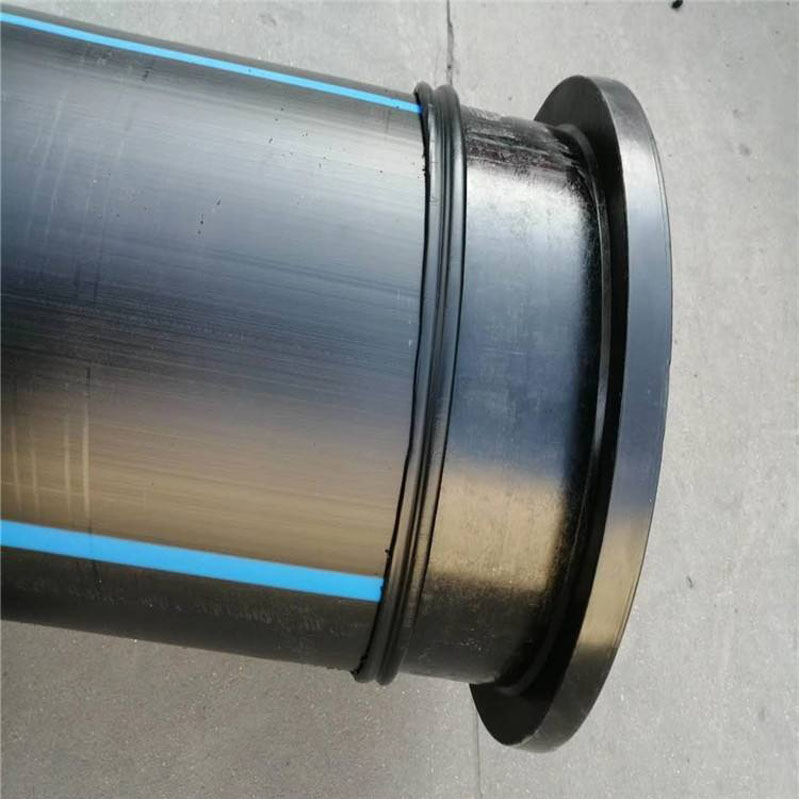
High-Density Polyethylene (HDPE) quick couplings are mechanical devices employed to facilitate the rapid connection and disconnection of fluid transfer lines in a wide array of industrial applications. Positioned within the fluid handling component supply chain, these couplings represent a critical interface between pipelines, hoses, and processing equipment. Unlike permanently joined systems such as welded or threaded connections, HDPE quick couplings offer enhanced operational flexibility and reduced downtime. Their core performance characteristics revolve around leak-proof sealing, pressure resistance, chemical compatibility with transported media, and durability under cyclical connection/disconnection. The rising demand for efficient fluid management solutions, coupled with the inherent benefits of HDPE – corrosion resistance, lightweight nature, and cost-effectiveness – is driving the adoption of these couplings across industries like agriculture, mining, chemical processing, and water treatment. A primary industry pain point centers on ensuring long-term sealing integrity, particularly with abrasive fluids or fluctuating temperatures. Furthermore, achieving consistent manufacturing tolerances to prevent leakage and facilitate smooth operation is crucial.
Material Science & Manufacturing
HDPE quick couplings utilize high-density polyethylene as the primary material due to its excellent chemical resistance, high strength-to-density ratio, and affordability. The HDPE resin employed typically exhibits a molecular weight range of 200,000 – 500,000 g/mol, influencing its melt flow index (MFI) and mechanical properties. Additives like carbon black are often incorporated for UV stabilization and improved weather resistance, while stabilizers protect against thermal degradation during processing. Manufacturing generally involves injection molding, where molten HDPE is injected under high pressure into a precisely engineered mold cavity. Key parameters during injection molding include melt temperature (190-230°C), mold temperature (30-50°C), injection pressure (50-150 MPa), and cooling rate. Controlling these parameters is critical to minimizing shrinkage, warpage, and weld lines, which can compromise the coupling’s structural integrity. Post-molding operations may include deburring, ultrasonic welding for assembling multi-component couplings, and pressure testing to verify leak tightness. The sealing elements within the coupling, typically O-rings or gaskets, are often made of materials like Nitrile Butadiene Rubber (NBR) or Ethylene Propylene Diene Monomer (EPDM), selected for their compatibility with the intended fluid media and operating temperature range. Material compatibility testing, specifically chemical resistance charts, are crucial to prevent swelling, degradation, or cracking of the sealing components.
Performance & Engineering
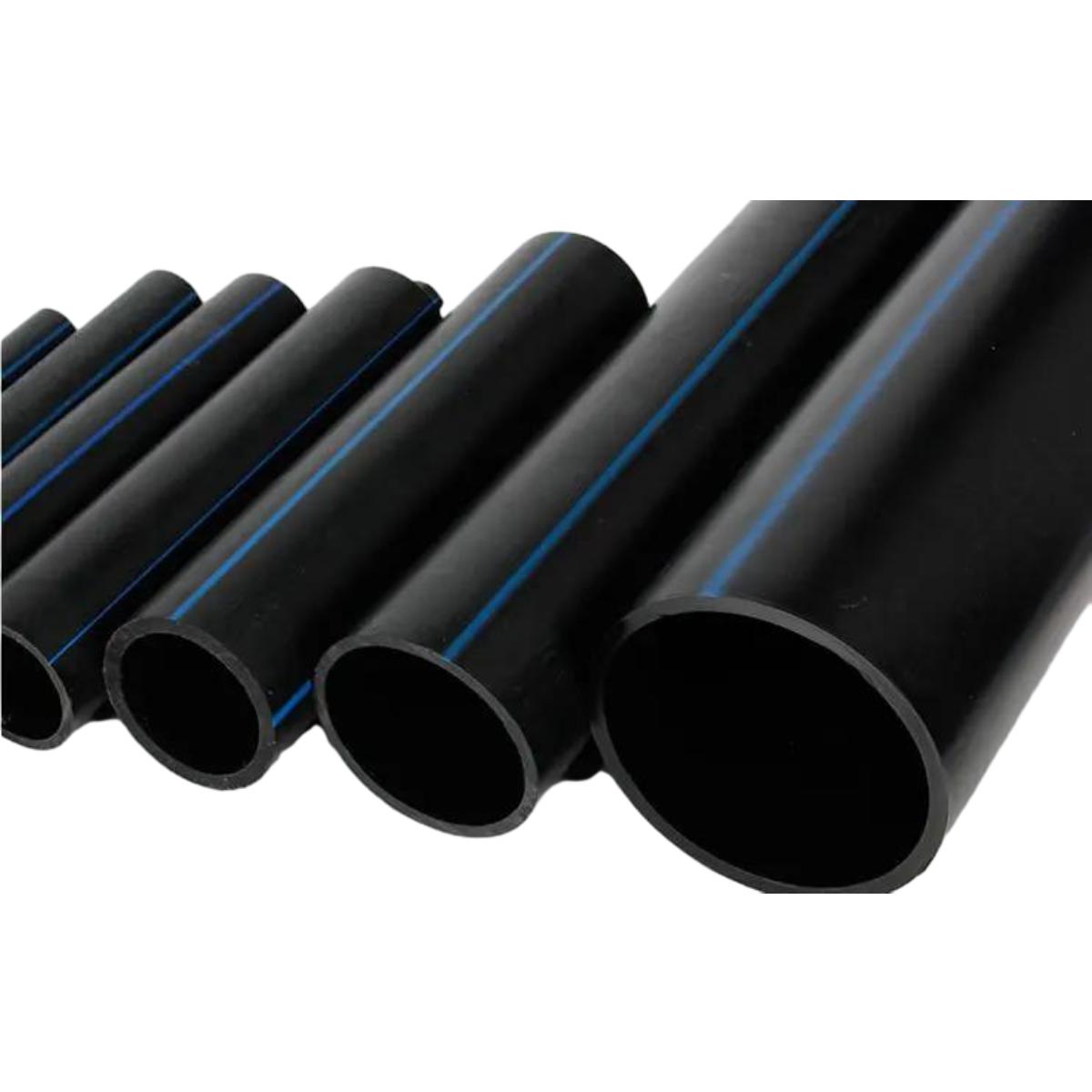
The performance of HDPE quick couplings is dictated by several engineering considerations. Force analysis focuses on tensile and shear stresses experienced during connection/disconnection and under internal pressure. The coupling body must withstand these forces without deformation or fracture. Burst pressure testing, conducted according to industry standards (see section 7), determines the maximum pressure the coupling can withstand before failure. Environmental resistance is paramount, particularly concerning UV exposure, temperature fluctuations, and chemical attack. HDPE exhibits good resistance to many chemicals, but compatibility must be verified for specific applications. Long-term creep resistance is also crucial, as continuous exposure to pressure can lead to gradual deformation and leakage. Compliance requirements often dictate material traceability and adherence to regulations concerning food-grade or potable water applications. The functional implementation involves a locking mechanism – typically a ball-and-sleeve, cam-and-groove, or twist-lock design – that provides a secure connection. The design must allow for ease of operation, even with gloved hands, and prevent accidental disconnection under vibration or shock. Finite Element Analysis (FEA) is routinely employed to optimize the coupling geometry, minimize stress concentrations, and predict its performance under various loading conditions. A significant engineering challenge lies in managing thermal expansion and contraction of the HDPE material, especially in applications involving significant temperature variations.
Technical Specifications
| Parameter | Unit | Typical Value (1" Coupling) | Test Standard |
|---|---|---|---|
| Maximum Working Pressure | psi | 200 | ASTM D2412 |
| Burst Pressure | psi | 800 | ASTM D2412 |
| Operating Temperature Range | °F | -40 to 140 | ASTM D790 |
| Material | - | HDPE (High-Density Polyethylene) | ASTM D1248 |
| Seal Material | - | NBR (Nitrile Butadiene Rubber) / EPDM | ASTM D2000 |
| Connection Type | - | Cam & Groove / Ball & Sleeve | Manufacturer Specification |
Failure Mode & Maintenance
HDPE quick coupling failures typically manifest in several forms. Fatigue cracking can occur at the connection points due to repeated connection/disconnection cycles, exacerbated by improper handling or over-tightening. Delamination, particularly in couplings manufactured with insufficient weld strength, can lead to catastrophic failure. Chemical degradation, arising from incompatibility with the transported fluid, results in swelling, embrittlement, or cracking of the HDPE or sealing components. Oxidation, especially at elevated temperatures, can reduce the material’s mechanical properties. Common failure analysis techniques include visual inspection for cracks or deformation, destructive testing (burst pressure testing) to determine residual strength, and chemical analysis of degraded materials. Preventative maintenance involves regular inspection for cracks, leaks, or wear. Lubricating the locking mechanism with a compatible lubricant (avoiding petroleum-based products that can degrade HDPE) ensures smooth operation. Seals should be periodically replaced, particularly in abrasive fluid applications. Storage of couplings should be in a cool, dry environment, away from direct sunlight and harsh chemicals. If a coupling exhibits signs of damage, it should be removed from service immediately and replaced with a new unit. Regular torque checks on connecting hardware are also essential to prevent over-tightening and potential damage to the coupling body.
Industry FAQ
Q: What are the primary considerations when selecting an HDPE quick coupling for use with corrosive chemicals?
A: Chemical compatibility is paramount. Consult a chemical resistance chart to verify the HDPE and seal material (NBR, EPDM, Viton) are resistant to the specific chemical being handled. Consider the concentration, temperature, and duration of exposure. In highly corrosive environments, reinforced HDPE couplings or alternative materials like PTFE-lined couplings may be necessary.
Q: How does temperature affect the performance of HDPE quick couplings?
A: HDPE becomes more flexible at higher temperatures, potentially leading to deformation under pressure. At lower temperatures, it becomes more brittle and susceptible to cracking. The operating temperature range must be within the specified limits (typically -40 to 140°F). Thermal expansion and contraction should also be accounted for in the system design.
Q: What is the expected service life of an HDPE quick coupling under normal operating conditions?
A: The service life varies depending on operating conditions, fluid media, frequency of use, and maintenance practices. With proper maintenance and within specified operating parameters, a well-designed HDPE quick coupling can provide 5-10 years of reliable service. Regular inspections are crucial.
Q: What is the best method for ensuring a leak-proof connection with an HDPE quick coupling?
A: Proper installation and torque specification are critical. Ensure the sealing surfaces are clean and free of debris. Apply a compatible lubricant to the seals before connecting. Tighten the locking mechanism to the manufacturer’s recommended torque value. Regular inspection and seal replacement will also prevent leaks.
Q: Are HDPE quick couplings suitable for high-pressure applications?
A: While HDPE offers good strength, it's generally not recommended for extremely high-pressure applications exceeding its rated working pressure. Consider reinforced HDPE couplings or alternative materials like stainless steel for higher pressure systems. Always adhere to the manufacturer’s pressure ratings and safety guidelines.
Conclusion
HDPE quick couplings represent a cost-effective and versatile solution for fluid transfer applications, offering benefits such as chemical resistance, lightweight construction, and ease of use. However, their performance is intricately linked to material selection, manufacturing precision, and operational parameters. Understanding the potential failure modes, implementing a robust maintenance program, and adhering to relevant industry standards are essential for maximizing their service life and ensuring system reliability.
Future developments will likely focus on incorporating advanced materials and designs to enhance pressure resistance, improve sealing performance, and broaden chemical compatibility. Smart coupling technologies incorporating sensors for pressure monitoring and leak detection could also emerge, providing real-time data for preventative maintenance and enhanced safety. Continued innovation in injection molding techniques will also contribute to improved manufacturing tolerances and reduced production costs.
-
DN25 HDPE Compression Fitting-HORON INTERNATIONAL|Reliable Irrigation Solutions
NewsFeb.11,2026
-
china hdpe pipe list Manufacturing and Performance
News2026-05-07
-
china gray pvc pipe Performance Analysis
News2026-05-07
-
china ppr pipe heating time Performance Analysis
News2026-05-07
-
china what is pvc pipe used for in plumbing Material Science and Performance Analysis
News2026-05-07
-
china upvc column pipes price list Technical Analysis
News2026-05-07
-
china hdpe reducer coupling Performance Analysis
News2026-05-06
-
china ppr pipe cost Performance Analysis
News2026-05-06
-
china pvc pipe for sale Performance Analysis
News2026-05-06
-
china 6 double wall corrugated pipe Performance Analysis
News2026-05-06
-
china hdpe conduit fittings Performance Analysis
News2026-05-06
-
china pvc pipe class 7 Performance Analysis
News2026-05-05
-
china 63mm pvc pipe Performance Analysis
News2026-05-05
-
china hdpe to steel transition coupling Performance Analysis
News2026-05-05
-
china kitchen water pipe Performance Analysis
News2026-05-05
-
china ppr 14 pipe Performance Analysis
News2026-05-05