

Feb . 11, 2026 00:01 Back to list
hdpe quick coupling factory Performance Analysis
Introduction
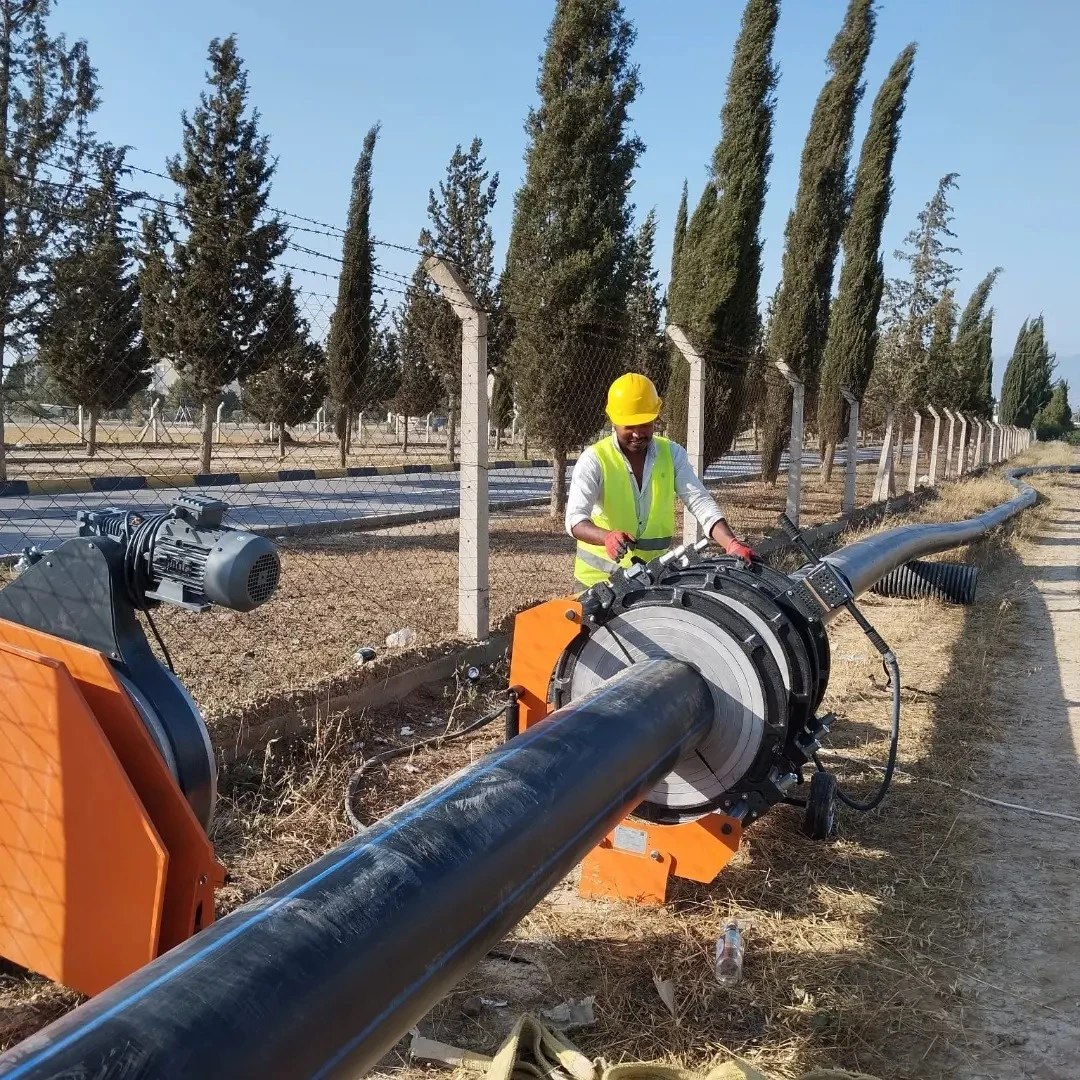
High-Density Polyethylene (HDPE) quick couplings are integral components in fluid transfer systems across diverse industries including agriculture, mining, chemical processing, and water management. These couplings facilitate rapid connection and disconnection of hoses and pipes, streamlining operations and reducing downtime. Unlike traditional threaded connections, quick couplings offer a leak-proof, user-friendly alternative, improving efficiency and worker safety. Their inherent corrosion resistance, derived from the HDPE material, provides longevity even in harsh environmental conditions. This guide provides a comprehensive technical overview of HDPE quick couplings, covering material science, manufacturing processes, performance characteristics, failure modes, and relevant industry standards. The core pain point addressed by these couplings is the time and labor associated with traditional connection methods, as well as the potential for leaks and spills.
Material Science & Manufacturing
HDPE, a thermoplastic polymer produced from the polymerization of ethylene, is the primary material used in these quick couplings. Its properties – including high tensile strength (20-30 MPa), low density (0.95-0.97 g/cm³), excellent chemical resistance, and a ductile-to-brittle transition temperature below -100°C – make it ideally suited for fluid handling applications. The manufacturing process typically begins with HDPE resin pellets, which undergo injection molding. Precise control of injection pressure (typically 50-150 MPa), melt temperature (180-230°C), and mold temperature (30-60°C) is crucial to ensure dimensional accuracy and minimize internal stresses. Critical features like the locking mechanism and sealing surfaces require high precision molding. Post-molding, couplings may undergo deburring and surface finishing operations. The sealing elements, often composed of nitrile rubber (NBR) or Viton (FKM) – selected based on the fluid compatibility – are then assembled. Compatibility testing between the HDPE and the sealing material is vital to prevent degradation and maintain a hermetic seal. The chemical compatibility of HDPE with various fluids (acids, bases, solvents) is a key consideration, and specific HDPE grades are chosen accordingly. Variations in HDPE molecular weight and density (resulting in different grades like HDPE-LD, HDPE-HD) affect the final coupling's mechanical properties and resistance to environmental stress cracking.
Performance & Engineering
The performance of HDPE quick couplings is governed by several engineering considerations. Burst pressure, a critical safety parameter, is determined by the coupling’s wall thickness and geometry, typically exceeding four times the maximum operating pressure. Tensile strength analysis is essential to ensure the coupling can withstand the pulling forces during disconnection. Finite Element Analysis (FEA) is commonly employed to optimize the coupling’s design and predict stress distribution under various loading conditions. Environmental resistance is paramount; prolonged exposure to UV radiation can cause HDPE degradation, leading to embrittlement. UV stabilizers are often incorporated into the HDPE formulation to mitigate this effect. Temperature fluctuations also affect performance; while HDPE maintains reasonable properties at temperatures ranging from -40°C to 60°C, exceeding these limits can compromise its structural integrity. The locking mechanism’s design dictates ease of operation and prevents accidental disconnection. Leakage prevention relies on precise machining of the sealing surfaces and the selection of appropriate sealing materials. Compliance requirements, such as NSF/ANSI 61 for potable water systems, dictate material purity and performance criteria. Furthermore, the couplings must adhere to pressure vessel directives and safety regulations specific to the intended application and geographic region.
Technical Specifications
| Parameter | Unit | Typical Value (1/2" Coupling) | Test Standard |
|---|---|---|---|
| Maximum Operating Pressure | MPa | 1.0 | ISO 7886 |
| Burst Pressure | MPa | 4.0 | ISO 7886 |
| Tensile Strength | N | 500 | ASTM D638 |
| Operating Temperature Range | °C | -40 to 60 | ASTM D790 |
| Fluid Compatibility | - | Water, Oil, Air | ASTM D543 |
| Connection Size | Inch | 1/2" | SAE J518 |
Failure Mode & Maintenance
HDPE quick couplings can experience several failure modes. Environmental Stress Cracking (ESC) is a common issue, particularly with exposure to certain chemicals or prolonged UV radiation. Fatigue cracking can occur at the locking mechanism due to repeated connection/disconnection cycles. O-ring degradation due to chemical incompatibility or temperature extremes leads to leakage. Delamination can occur in poorly molded couplings, resulting in structural weakness. Oxidation can also degrade the HDPE over long periods, reducing its mechanical strength. Preventative maintenance is crucial. Regular inspection for cracks, deformation, and O-ring integrity is recommended. Lubricating the locking mechanism with a silicone-based lubricant reduces wear and tear. Replacing O-rings annually or as needed ensures leak-proof operation. Avoid exposing couplings to incompatible chemicals and protect them from prolonged UV exposure. When storing couplings, keep them clean and dry. If ESC is suspected, replace the coupling immediately. For fatigue cracks, consider couplings made with higher-grade HDPE or reinforced materials. Proper cleaning and storage practices extend the service life of the couplings and mitigate the risk of premature failure. Regular torque checks on any accompanying threaded connections are also vital.
Industry FAQ
Q: What are the limitations of using HDPE quick couplings with highly abrasive fluids like slurry?
A: HDPE, while chemically resistant, exhibits relatively low abrasion resistance compared to metals. Using HDPE quick couplings with highly abrasive slurries can lead to accelerated wear of the internal surfaces, resulting in increased leakage and reduced service life. Consider utilizing couplings with a ceramic or hardened polymer liner for enhanced abrasion resistance, or opting for metal couplings designed for abrasive applications. Regular inspection and replacement are also crucial when dealing with abrasive fluids.
Q: How does the choice of O-ring material impact the coupling's performance with different chemicals?
A: The O-ring material is critical for chemical compatibility. NBR (Nitrile Butadiene Rubber) offers good resistance to oils and fuels, but is susceptible to degradation by ketones and strong acids. Viton (FKM) provides broader chemical resistance, including resistance to many aggressive chemicals, but is more expensive. EPDM (Ethylene Propylene Diene Monomer) is excellent for water and steam applications. Always consult a chemical compatibility chart to ensure the O-ring material is suitable for the specific fluid being conveyed.
Q: What is the impact of pressure spikes on the longevity of HDPE quick couplings?
A: Pressure spikes exceeding the maximum operating pressure can significantly reduce the coupling’s lifespan. Repeated pressure spikes induce stress fatigue, leading to cracking and eventual failure. Implementing pressure regulating valves or surge suppressors in the system can mitigate pressure spikes. Selecting a coupling with a higher burst pressure rating provides a safety margin.
Q: Are HDPE quick couplings suitable for vacuum applications?
A: Standard HDPE quick couplings are generally not recommended for sustained vacuum applications. The HDPE material can collapse or deform under significant vacuum pressure. Specialized vacuum couplings with reinforced designs and tighter tolerances are necessary for vacuum applications. These couplings often incorporate metal reinforcement to prevent collapse.
Q: What testing is typically performed to ensure quality control of HDPE quick couplings?
A: Typical quality control tests include hydrostatic pressure testing (to verify burst pressure), leak testing (to ensure a hermetic seal), tensile strength testing (to assess mechanical integrity), dimensional inspection (to confirm accuracy), and material verification (to confirm HDPE grade and composition). Some manufacturers also perform accelerated aging tests to assess long-term durability.
Conclusion
HDPE quick couplings represent a robust and efficient solution for fluid transfer applications, offering advantages in terms of ease of use, corrosion resistance, and cost-effectiveness. Understanding the material science, manufacturing processes, and performance characteristics of these couplings is crucial for selecting the appropriate product for a specific application and ensuring long-term reliability. Careful consideration of factors such as fluid compatibility, operating pressure, temperature range, and potential failure modes is essential for optimizing performance and minimizing downtime.
Future advancements in HDPE quick coupling technology will likely focus on incorporating smart features like integrated pressure sensors and wireless monitoring capabilities, as well as developing new HDPE formulations with enhanced abrasion resistance and UV stability. Continued adherence to industry standards and rigorous quality control procedures will remain paramount to maintaining the safety and reliability of these critical components.
-
DN25 HDPE Compression Fitting-HORON INTERNATIONAL|Reliable Irrigation Solutions
NewsFeb.11,2026
-
china hdpe pipe list Manufacturing and Performance
News2026-05-07
-
china gray pvc pipe Performance Analysis
News2026-05-07
-
china ppr pipe heating time Performance Analysis
News2026-05-07
-
china what is pvc pipe used for in plumbing Material Science and Performance Analysis
News2026-05-07
-
china upvc column pipes price list Technical Analysis
News2026-05-07
-
china hdpe reducer coupling Performance Analysis
News2026-05-06
-
china ppr pipe cost Performance Analysis
News2026-05-06
-
china pvc pipe for sale Performance Analysis
News2026-05-06
-
china 6 double wall corrugated pipe Performance Analysis
News2026-05-06
-
china hdpe conduit fittings Performance Analysis
News2026-05-06
-
china pvc pipe class 7 Performance Analysis
News2026-05-05
-
china 63mm pvc pipe Performance Analysis
News2026-05-05
-
china hdpe to steel transition coupling Performance Analysis
News2026-05-05
-
china kitchen water pipe Performance Analysis
News2026-05-05
-
china ppr 14 pipe Performance Analysis
News2026-05-05