

Feb . 11, 2026 00:01 Back to list
hdpe pipe size chart products Performance Analysis
Introduction
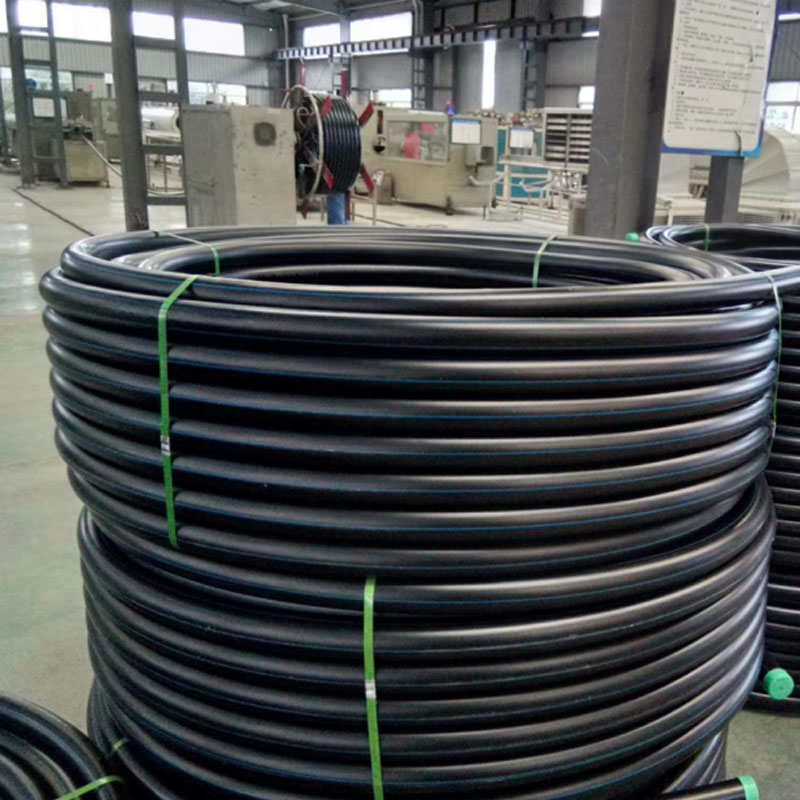
High-Density Polyethylene (HDPE) pipe, defined by its polyethylene resin with a density of 0.941 to 0.965 g/cm³, represents a critical component in diverse fluid and gas conveyance systems. Positioned within the broader piping industry, HDPE offers a compelling alternative to traditional materials like ductile iron, PVC, and steel. Its utilization spans municipal water distribution, irrigation, sewer systems, mining, oil & gas pipelines, and industrial applications. The ‘size chart’ aspect refers to the standardized dimensions – nominal pipe size (NPS), diameter, and schedule (wall thickness) – crucial for engineers and procurement professionals ensuring compatibility with existing infrastructure and optimized flow rates. Core performance characteristics center around its excellent chemical resistance, flexibility, lightweight nature, and long-term durability, addressing key industry pain points related to corrosion, leakage, and installation complexity. This guide provides an in-depth technical exploration of HDPE pipe sizing, material properties, manufacturing processes, performance parameters, failure modes, and applicable industry standards.
Material Science & Manufacturing
HDPE pipe originates from ethylene, a hydrocarbon derived from natural gas or petroleum. Polymerization processes, typically employing Ziegler-Natta or metallocene catalysts, yield HDPE resin. Critical material properties include a tensile strength ranging from 20 to 30 MPa, a flexural modulus of 800-1200 MPa, and a density as previously stated. The crystallinity of the HDPE, influenced by the polymerization process and cooling rate, directly impacts its mechanical and thermal properties. Manufacturing predominantly relies on extrusion processes. Raw HDPE pellets are fed into an extruder, melted, and forced through a die that defines the pipe’s outer diameter. Key parameters during extrusion include melt temperature (typically 180-210°C), die pressure, haul-off speed (controlling wall thickness), and cooling water temperature. Butt fusion, electrofusion, and socket fusion are common joining methods. Butt fusion, prevalent in larger diameter pipes, involves heating the pipe ends and pressing them together, creating a homogenous weld. Electrofusion uses an internal heating element within a fitting. Quality control is paramount, involving hydrostatic testing to verify pressure integrity, dimensional checks to ensure conformance to standards (ASTM D2412, ISO 4427), and impact resistance testing (ASTM D2444, ISO 6259). Improper cooling rates during extrusion can lead to residual stresses and warping, while inadequate fusion parameters can result in weak, brittle joints susceptible to failure.
Performance & Engineering
The performance of HDPE pipes is governed by several engineering principles. Firstly, pressure ratings, defined by the pipe’s NPS, schedule, and operating temperature, are crucial. These ratings, standardized under ASTM D1785 and ISO 1167, dictate the maximum internal pressure the pipe can withstand. Secondly, soil loading considerations are vital, especially in buried applications. The pipe’s ability to resist deformation and collapse under external loads from soil overburden and traffic is assessed using Finite Element Analysis (FEA) and guidelines outlined in AWWA M55. Thirdly, environmental stress cracking (ESC) is a significant concern. Exposure to certain chemicals (detergents, solvents) and prolonged tensile stress can induce cracking. Selecting appropriate HDPE compounds (e.g., PE3408, PE3608) with enhanced ESC resistance is paramount. Furthermore, thermal expansion and contraction are inherent characteristics of HDPE, with a coefficient of thermal expansion around 0.2 mm/m/°C. Engineers must account for this by incorporating expansion loops or designing flexible joints to prevent stress buildup. Compliance requirements often include NSF/ANSI 61 for potable water applications, ensuring the pipe does not leach harmful contaminants. Proper bedding and backfill materials, conforming to industry best practices, also contribute to long-term performance and prevent damage during installation and operation.
Technical Specifications
| Nominal Pipe Size (NPS) - Inches | Outer Diameter (OD) - Inches | Schedule (Wall Thickness) - Inches | Pressure Rating @ 73°F (23°C) - PSI |
|---|---|---|---|
| 1/2 | 0.625 | 0.062 | 200 |
| 3/4 | 0.840 | 0.062 | 160 |
| 1 | 1.050 | 0.062 | 140 |
| 1 1/4 | 1.375 | 0.093 | 100 |
| 1 1/2 | 1.625 | 0.093 | 80 |
| 2 | 2.067 | 0.093 | 60 |
Failure Mode & Maintenance
HDPE pipe, while durable, is susceptible to specific failure modes. Slow Crack Growth (SCG), a form of ESC, is a primary concern, initiated by stress concentrations around imperfections or scratches and accelerated by chemical exposure. Fatigue cracking can occur under cyclic pressure fluctuations, particularly in pump lines or systems experiencing water hammer. Oxidation, though slower than in some other polymers, can degrade the material over long-term exposure to UV radiation and elevated temperatures, reducing its mechanical properties. Joint failures, often resulting from inadequate fusion parameters, manifest as leaks or complete separation. Third-party damage during excavation or construction is also a common cause of failure. Maintenance strategies focus on preventative measures. Regular visual inspections for cracks, deformation, or leaks are crucial. Cathodic protection, while less common than with metallic pipes, may be considered in corrosive environments. Pressure testing and leak detection surveys can identify potential problems before catastrophic failure. Repair options include mechanical couplings, heat-shrink sleeves, or complete pipe replacement. Proper installation practices – adequate bedding, avoidance of sharp bends, and protection from UV exposure – significantly extend the service life of HDPE piping systems.
Industry FAQ
Q: What is the impact of temperature on the pressure rating of HDPE pipe?
A: The pressure rating of HDPE pipe is inversely proportional to temperature. As temperature increases, the pipe’s strength decreases, requiring a derating of the maximum allowable pressure. ASTM D3261 provides derating factors based on operating temperature. Exceeding the temperature-adjusted pressure rating can lead to catastrophic failure.
Q: How does the pipe's schedule affect its suitability for different applications?
A: The schedule, representing the wall thickness, directly influences the pipe’s pressure rating and stiffness. Higher schedules (e.g., Schedule 80) provide greater strength and resistance to collapse, making them suitable for high-pressure or buried applications with significant soil loads. Lower schedules (e.g., Schedule 40) are appropriate for lower-pressure, above-ground applications.
Q: What are the key considerations when selecting HDPE pipe for potable water systems?
A: NSF/ANSI 61 certification is paramount to ensure the pipe does not leach harmful contaminants into the water supply. The HDPE compound must be suitable for potable water contact. Proper disinfection procedures during installation are also crucial to prevent bacterial contamination.
Q: How do I mitigate the risk of Environmental Stress Cracking (ESC) in HDPE pipe?
A: Selecting a HDPE compound with inherent ESC resistance (e.g., PE3408, PE3608) is critical. Avoid exposure to harsh chemicals (detergents, solvents). Minimize sustained tensile stress on the pipe. Proper bedding and backfill materials can also reduce stress concentrations.
Q: What are the best practices for joining HDPE pipe to ensure a watertight seal?
A: Strict adherence to manufacturer’s instructions for butt fusion, electrofusion, or socket fusion is essential. Proper surface preparation, correct heating parameters, and adequate fusion time are critical. Post-fusion inspection should verify weld quality and integrity. Properly trained and certified technicians are crucial for consistent, reliable joints.
Conclusion
HDPE pipe represents a robust and versatile solution for a wide array of fluid and gas transport applications. Its inherent properties – corrosion resistance, flexibility, and durability – address critical challenges in conventional piping systems. Understanding the nuances of material science, manufacturing processes, and engineering principles is paramount for selecting the appropriate pipe size, schedule, and compound for specific operating conditions. A thorough evaluation of potential failure modes and implementation of preventative maintenance strategies are equally vital to ensure long-term performance and reliability.
Future developments in HDPE technology will likely focus on enhanced material formulations with improved ESC resistance and UV stability, as well as advancements in non-destructive testing (NDT) methods for weld inspection. The adoption of smart monitoring systems, incorporating sensors to track pressure, temperature, and strain, will further optimize system performance and facilitate proactive maintenance. Continued adherence to evolving industry standards and best practices will solidify HDPE’s position as a leading material in the piping industry.
-
DN25 HDPE Compression Fitting-HORON INTERNATIONAL|Reliable Irrigation Solutions
NewsFeb.11,2026
-
china hdpe pipe list Manufacturing and Performance
News2026-05-07
-
china gray pvc pipe Performance Analysis
News2026-05-07
-
china ppr pipe heating time Performance Analysis
News2026-05-07
-
china what is pvc pipe used for in plumbing Material Science and Performance Analysis
News2026-05-07
-
china upvc column pipes price list Technical Analysis
News2026-05-07
-
china hdpe reducer coupling Performance Analysis
News2026-05-06
-
china ppr pipe cost Performance Analysis
News2026-05-06
-
china pvc pipe for sale Performance Analysis
News2026-05-06
-
china 6 double wall corrugated pipe Performance Analysis
News2026-05-06
-
china hdpe conduit fittings Performance Analysis
News2026-05-06
-
china pvc pipe class 7 Performance Analysis
News2026-05-05
-
china 63mm pvc pipe Performance Analysis
News2026-05-05
-
china hdpe to steel transition coupling Performance Analysis
News2026-05-05
-
china kitchen water pipe Performance Analysis
News2026-05-05
-
china ppr 14 pipe Performance Analysis
News2026-05-05