

Feb . 11, 2026 00:01 Back to list
hdpe drip pipe factories Performance Analysis
Introduction
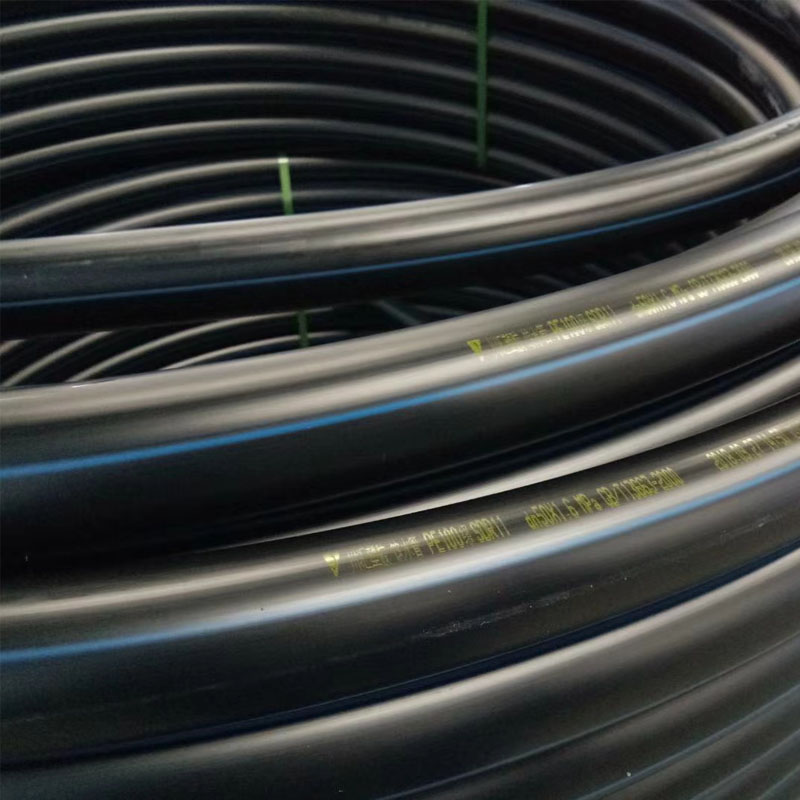
High-Density Polyethylene (HDPE) drip pipe represents a critical component within modern precision irrigation systems. Its function extends beyond simple water conveyance; it enables targeted water and nutrient delivery directly to plant root zones, maximizing agricultural efficiency and minimizing resource waste. The manufacturing of these pipes requires stringent quality control and adherence to industry standards, driven by the demands of large-scale agricultural operations, landscaping, and greenhouse applications. HDPE drip pipe offers a compelling alternative to traditional irrigation methods due to its durability, resistance to chemical degradation, and cost-effectiveness. The core performance characteristics—including flow rate, burst pressure, and UV resistance—are paramount in ensuring long-term system reliability and minimizing maintenance interventions. A key industry pain point revolves around consistent wall thickness and emitter uniformity, directly impacting irrigation performance and crop yield. This guide provides a comprehensive technical overview of HDPE drip pipe, encompassing material science, manufacturing processes, performance parameters, failure modes, and relevant industry standards.
Material Science & Manufacturing
HDPE drip pipes are primarily composed of high-density polyethylene, a thermoplastic polymer produced from the polymerization of ethylene. The polyethylene resin used dictates the final pipe properties. Crucially, the material's molecular weight distribution (MWD) directly impacts its mechanical strength and creep resistance. Higher MWD typically translates to improved performance. Additives, including carbon black (for UV protection), stabilizers (to prevent oxidation), and processing aids, are incorporated to enhance durability and processability. Raw material testing, including Melt Flow Index (MFI) and density measurements, is essential for quality control.
The predominant manufacturing process is extrusion. Polyethylene granules are fed into an extruder, melted, and forced through a die to create a continuous tube. Critical parameters during extrusion include melt temperature (typically 180-220°C), die pressure, and cooling rate. Maintaining precise temperature control is vital to prevent material degradation and ensure uniform wall thickness. Following extrusion, the pipe undergoes sizing and cooling. For drip pipes with integrated emitters, a separate process involves inserting or molding the emitters into the pipe wall. Laser drilling is also used for emitter creation, offering precise control over emitter size and spacing. Post-production, pipes are typically coiled and packaged. Quality control at each stage—raw material inspection, in-process monitoring of extrusion parameters, and final dimensional checks—is crucial. A common failure point during manufacturing is inconsistent die temperature leading to variations in pipe diameter and wall thickness.
Performance & Engineering
The performance of HDPE drip pipes is governed by several key engineering principles. Hydrostatic pressure testing, conducted according to ASTM D1597, determines the pipe’s burst pressure and short-term hydrostatic strength. This is critical for ensuring the pipe can withstand operational pressures without failure. Long-term hydrostatic strength is evaluated via hydrostatic stress cracking resistance testing (ASTM D2236), considering the influence of temperature and chemical exposure. The pipe's resistance to UV degradation is assessed through accelerated weathering tests (ASTM D4455), measuring changes in tensile strength and elongation after prolonged exposure to UV radiation.
Emitter performance is equally important. Flow rate, uniformity, and clogging resistance are key parameters. Emitter uniformity is often expressed as a percentage, indicating the consistency of flow rates across all emitters. Clogging is a significant concern, particularly when irrigation water contains particulate matter or biological growth. Filter integration and chemical treatment of the water are often employed to mitigate clogging. The pipe's resistance to soil chemicals, fertilizers, and pesticides must also be considered, as these substances can induce stress cracking or degradation. Force analysis, including tensile strength and elongation at break (ASTM D638), provides insight into the pipe’s mechanical integrity. Soil load, water hammer, and external stresses all contribute to the overall load on the pipe. Compliance requirements, such as NSF/ANSI 61 for drinking water applications, dictate acceptable material composition and leachability limits.
Technical Specifications
| Parameter | Typical Value (16mm Pipe) | Typical Value (20mm Pipe) | Testing Standard |
|---|---|---|---|
| Nominal Diameter | 16 mm | 20 mm | ISO 1452-2 |
| Wall Thickness | 1.5 mm | 2.0 mm | ASTM D2444 |
| Burst Pressure | 2.0 MPa | 2.5 MPa | ASTM D1597 |
| Hydrostatic Design Stress | 1.25 MPa | 1.6 MPa | ASTM D1597 |
| UV Resistance (500 hours) | >80% Tensile Retention | >80% Tensile Retention | ASTM D4455 |
| Emitter Flow Rate (at 1 bar) | 2.0 L/hr | 3.0 L/hr | ISO 9783 |
Failure Mode & Maintenance
HDPE drip pipe is susceptible to several failure modes. Stress cracking, induced by prolonged exposure to chemicals or high stresses, leads to brittle failure. UV degradation causes embrittlement and loss of mechanical properties, especially in areas exposed to sunlight. Clogging, caused by particulate matter, algae, or mineral deposits, restricts water flow and reduces irrigation efficiency. Mechanical damage, such as punctures or crushing, results in leaks and pressure loss. Fatigue cracking can occur due to repeated pressure fluctuations or mechanical bending. Oxidation, particularly at elevated temperatures, degrades the polymer structure, reducing its strength and flexibility.
Preventative maintenance is critical. Regular flushing of the system removes particulate matter and reduces clogging. Filtration of irrigation water is essential. Protecting the pipe from direct sunlight minimizes UV degradation. Proper installation, avoiding sharp bends and excessive stress, prevents mechanical damage and fatigue cracking. Periodic inspection for leaks and cracks allows for timely repairs. In the event of a leak, the damaged section should be cut out and replaced with a compatible coupling. For clogged emitters, chemical cleaning or replacement may be necessary. Long-term storage of pipes should be in a cool, dark, and dry environment to prevent degradation. Routine pressure testing helps identify leaks and weaknesses before they escalate into major failures.
Industry FAQ
Q: What is the impact of varying water pH levels on the lifespan of HDPE drip pipes?
A: Extreme pH levels (highly acidic or alkaline) can accelerate the degradation of HDPE. Highly acidic water can cause hydrolytic degradation, while alkaline water can promote oxidation. Maintaining a pH between 6.5 and 7.5 is generally recommended to maximize pipe lifespan. Periodic water analysis and pH adjustment are crucial preventative measures.
Q: How does the type of fertilizer used in irrigation affect the chemical resistance of the HDPE pipe?
A: Certain fertilizers, particularly those containing high concentrations of ammonia or sulfates, can contribute to stress cracking. Nitrogen-based fertilizers can also promote biological growth within the pipes, exacerbating clogging. Using slow-release fertilizers and implementing proper fertilizer injection protocols minimizes the risk of chemical damage.
Q: What are the considerations for selecting the appropriate wall thickness for a specific application (e.g., shallow vs. deep burial)?
A: Wall thickness is directly related to the pipe’s ability to withstand external loads, such as soil pressure and traffic. For shallow burial applications, a thinner wall thickness may be sufficient. However, for deeper burial or areas subject to heavy loads, a thicker wall thickness is essential to prevent collapse or cracking. Soil type and anticipated traffic levels should also be considered.
Q: What is the best method for determining if emitter clogging is a chemical or biological issue?
A: Chemical clogging often presents as a white or grayish precipitate, typically mineral scale. Biological clogging usually manifests as a slimy biofilm or visible algae growth. Microscopic analysis of the blockage can definitively identify the cause. Chemical clogging can be addressed with acid treatments, while biological clogging requires biocides or physical cleaning.
Q: What is the role of carbon black concentration in HDPE drip pipe and how does it affect long-term performance?
A: Carbon black is added as a UV stabilizer. Higher concentrations provide greater UV protection, extending the pipe's lifespan when exposed to sunlight. However, excessive carbon black can reduce the pipe’s flexibility and processability. An optimal balance must be achieved to maximize both UV resistance and mechanical properties. The concentration is typically between 1.5% and 2.5% by weight.
Conclusion
HDPE drip pipe represents a sophisticated irrigation solution demanding a thorough understanding of its material properties, manufacturing nuances, and operational limitations. Maintaining consistent quality control throughout the production process—from raw material selection to final product testing—is paramount. Selecting the appropriate pipe specifications, considering factors like water chemistry, soil conditions, and UV exposure, directly influences long-term system performance and reduces the risk of premature failure.
Future advancements in HDPE drip pipe technology will likely focus on incorporating antimicrobial additives to further mitigate clogging, developing more robust UV stabilization strategies, and enhancing emitter designs for improved flow uniformity and resistance to abrasion. Adherence to relevant international standards and proactive maintenance practices remain crucial for maximizing the lifespan and efficiency of these vital irrigation components. Investing in high-quality HDPE drip pipe and implementing a comprehensive maintenance program provides a substantial return on investment through increased crop yields, reduced water consumption, and minimized operational costs.
-
DN25 HDPE Compression Fitting-HORON INTERNATIONAL|Reliable Irrigation Solutions
NewsFeb.11,2026
-
china 24 inch diameter pvc pipe price Performance Engineering
News2026-04-27
-
china 4 hdpe drain pipe Performance Analysis
News2026-04-27
-
china 12 hdpe pipe Performance Analysis
News2026-04-27
-
china hdpe reducing coupling Performance Analysis
News2026-04-27
-
china hdpe corrugated sewer pipe Performance Analysis
News2026-04-27
-
china pvc pipe cost per foot Technical Analysis
News2026-04-26
-
china double walled corrugated pipe Performance Analysis
News2026-04-26
-
china hdpe sprinkler pipe price list Performance Analysis
News2026-04-26
-
china water pipe in kitchen Performance Analysis
News2026-04-26
-
china hdpe to pvc pipe coupling Performance Analysis
News2026-04-26
-
china 32 mm ppr pipe Performance Analysis
News2026-04-25
-
china ppr pipe for hot water supply Performance Analysis
News2026-04-25
-
china double walled drainage pipe Performance Analysis
News2026-04-25
-
china black hdpe pipe Manufacturing Analysis
News2026-04-25
-
china dn25 ppr hot water pipes for kitchen Performance Analysis
News2026-04-25