

Feb . 11, 2026 00:01 Back to list
9 inch pvc pipe price service Performance Analysis
Introduction
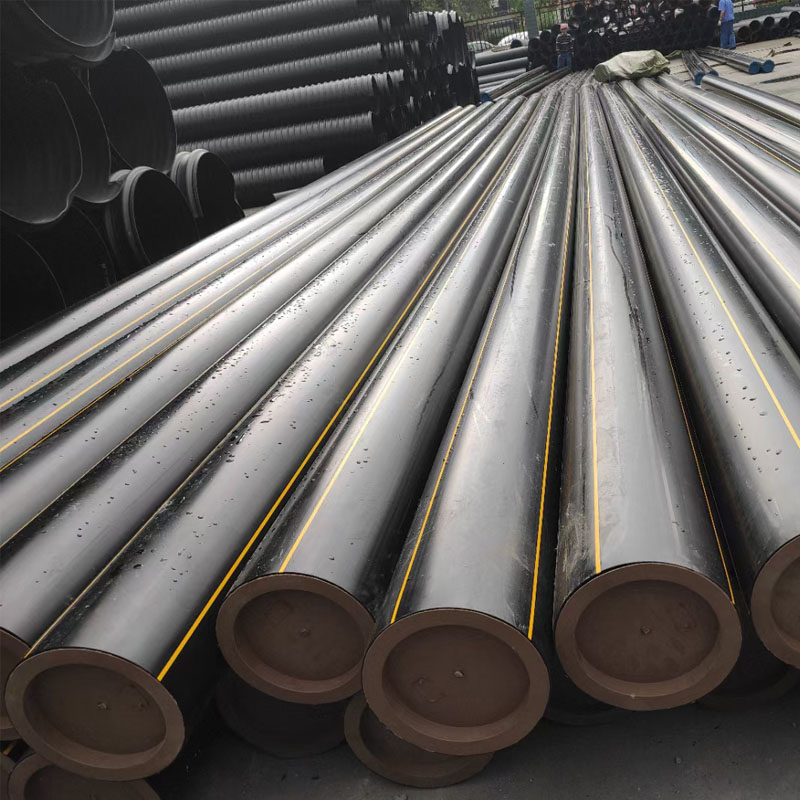
Polyvinyl Chloride (PVC) piping, specifically 9-inch diameter schedule 40 and 80 pipes, represents a crucial component in a wide range of industrial and municipal infrastructure projects. These pipes are utilized extensively in water distribution, wastewater conveyance, irrigation, and various industrial processes. The “9 inch pvc pipe price service” encompasses not just the material cost, but also considerations surrounding pressure ratings, dimensional accuracy, jointing methods, and adherence to stringent regulatory standards. The selection process requires a comprehensive understanding of PVC's material properties, manufacturing processes, and long-term performance characteristics to ensure system integrity and minimize lifecycle costs. A core pain point within the industry centers on fluctuating resin prices, impacting overall pipe costs and project budgeting. Furthermore, ensuring consistent quality and compliance with standards like ASTM D1785 and NSF/ANSI 61 is paramount for mitigating risks associated with material failure and potential health hazards. This guide offers an in-depth technical overview of 9-inch PVC pipe, addressing material science, manufacturing, performance parameters, failure modes, and relevant industry standards.
Material Science & Manufacturing
9-inch PVC pipe is primarily manufactured from Polyvinyl Chloride resin, a thermoplastic polymer produced by the polymerization of vinyl chloride monomer. The PVC resin is rarely used in its pure form; instead, it is compounded with various additives to enhance its processing characteristics and end-use properties. Common additives include plasticizers (like DOP or DINP) to increase flexibility, stabilizers (like organotin compounds or calcium-zinc stabilizers) to prevent thermal degradation during processing, lubricants to reduce friction during extrusion, and impact modifiers to improve toughness. The selection of the specific PVC compound dictates the pipe’s performance characteristics, such as tensile strength, impact resistance, and chemical resistance.
The manufacturing process typically involves extrusion. PVC compound is fed into a single or twin-screw extruder where it is heated and homogenized. The molten PVC is then forced through a die that shapes it into a continuous pipe. Cooling is achieved through water baths, followed by precise cutting to length. Key parameters controlled during extrusion include die temperature, extrusion speed, and cooling rate. Variations in these parameters can significantly impact dimensional accuracy, wall thickness uniformity, and the degree of crystallinity within the PVC matrix. Schedule 40 and Schedule 80 designations refer to the minimum wall thickness of the pipe, directly impacting its pressure-bearing capacity. Schedule 80 offers a thicker wall, providing greater strength and suitability for higher-pressure applications. Jointing methods commonly employed include solvent cementing, gasketed joints, and mechanical couplings. Solvent cementing creates a homogenous weld between the pipe and fitting, while gasketed joints utilize elastomeric seals for a watertight connection. Mechanical couplings offer a removable joint, simplifying maintenance and repair.
Performance & Engineering
The structural integrity of 9-inch PVC pipe under operational conditions is governed by several engineering principles. Hydrostatic pressure testing, as per ASTM D1597, is a crucial quality control measure to verify the pipe’s ability to withstand internal pressure without failure. The hoop stress within the pipe wall, calculated using Barlow's formula (σ = PD/2t, where P is pressure, D is diameter, and t is wall thickness), directly correlates to the pipe’s resistance to bursting. The selection of appropriate safety factors is critical to account for variations in material properties, manufacturing tolerances, and potential surge pressures.
Environmental resistance is another key performance characteristic. PVC exhibits excellent resistance to many chemicals, including acids, bases, and salts, making it suitable for a wide range of industrial applications. However, prolonged exposure to certain solvents and chlorinated hydrocarbons can cause swelling and degradation. Ultraviolet (UV) radiation can also degrade PVC, leading to discoloration and embrittlement. Therefore, UV stabilizers are often incorporated into the PVC compound, and pipes installed outdoors are typically painted or covered to minimize UV exposure. Soil loading and external loads, such as traffic loads, must also be considered during installation. Proper bedding and backfilling procedures are essential to distribute the load evenly and prevent pipe deformation or cracking. Compliance with local building codes and industry standards (e.g., AWWA standards for water distribution) is mandatory to ensure safe and reliable operation. The coefficient of thermal expansion for PVC is significantly higher than that of metals, which must be accounted for in long pipeline installations to prevent stress buildup and potential joint failures.
Technical Specifications
| Parameter | Schedule 40 (Typical) | Schedule 80 (Typical) | Units |
|---|---|---|---|
| Nominal Pipe Size | 9 inches | 9 inches | inches |
| Outside Diameter | 9.625 | 9.625 | inches |
| Minimum Wall Thickness | 0.237 | 0.300 | inches |
| Pressure Rating (Hydrostatic) | 200 | 350 | psi |
| Burst Pressure | 800 | 1400 | psi |
| Specific Gravity | 1.40 | 1.40 | - |
| Tensile Strength | 6,000 | 6,000 | psi |
Failure Mode & Maintenance
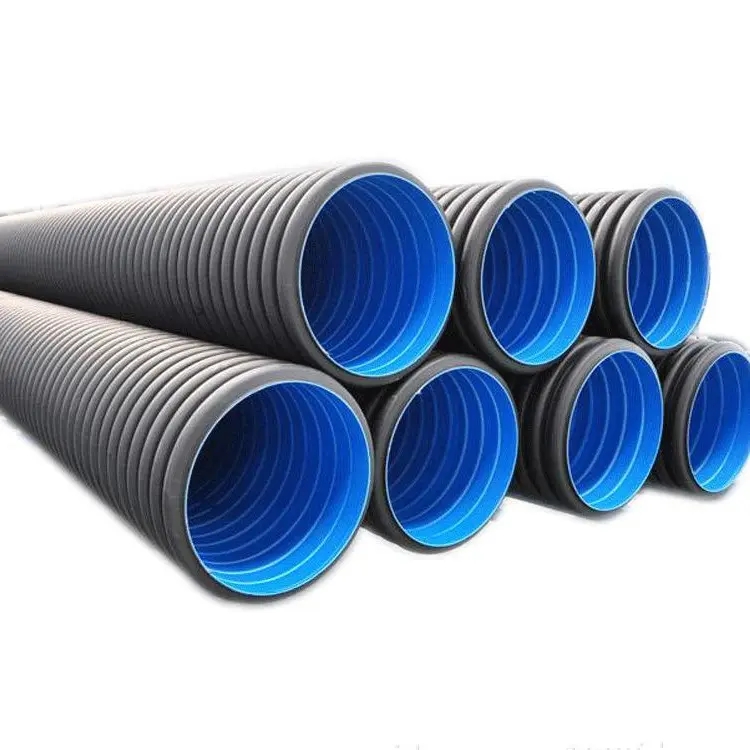
Common failure modes for 9-inch PVC pipe include cracking, splitting, and joint failure. Cracking can result from excessive stress, impact damage, or exposure to corrosive chemicals. Stress cracking, particularly in chlorinated environments, is a significant concern. Splitting can occur during installation due to improper handling or over-tightening of mechanical couplings. Joint failures are often attributed to inadequate solvent cementing, improper gasket installation, or soil movement that causes stress on the joints. Fatigue cracking can develop over time due to cyclic loading and unloading, particularly in applications involving fluctuating pressures or vibrations.
Preventive maintenance is crucial for extending the lifespan of PVC piping systems. Regular inspections should be conducted to identify signs of damage, such as cracks, leaks, or discoloration. Proper bedding and backfilling procedures are essential to prevent soil loading and external stresses. Surge protection devices should be installed in systems prone to water hammer to mitigate pressure spikes. Periodic cleaning to remove sediment buildup can improve flow capacity and reduce corrosion potential. In the event of a leak, the damaged section of pipe should be replaced using appropriate jointing methods. Avoid using abrasive cleaners or solvents that can degrade the PVC material. A proactive maintenance program, coupled with adherence to industry best practices, can significantly reduce the risk of premature failure and ensure long-term system reliability.
Industry FAQ
Q: What is the impact of temperature on the performance of 9-inch PVC pipe?
A: Elevated temperatures can reduce the pressure-bearing capacity of PVC pipe and increase its susceptibility to creep deformation. The glass transition temperature of PVC is approximately 80°C (176°F). Above this temperature, the material becomes more flexible and loses strength. Conversely, low temperatures can increase brittleness and make the pipe more prone to cracking, especially under impact loading. Therefore, it's crucial to consider the operating temperature range when selecting PVC pipe and designing the piping system.
Q: How does the chemical composition of the transported fluid affect the longevity of the pipe?
A: PVC exhibits good resistance to many chemicals, but prolonged exposure to certain substances can cause degradation. Chlorinated hydrocarbons, strong oxidizing agents, and ketones can attack the PVC polymer, leading to swelling, cracking, or leaching of plasticizers. The compatibility of the PVC material with the transported fluid should be verified before installation. Refer to chemical resistance charts provided by PVC manufacturers.
Q: What are the key differences between Schedule 40 and Schedule 80 PVC pipe in terms of cost and application?
A: Schedule 80 pipe is significantly more expensive than Schedule 40 pipe due to its thicker wall. Schedule 40 is generally suitable for low to medium pressure applications, such as irrigation and water distribution. Schedule 80 is preferred for high-pressure applications, industrial processes, and situations where increased mechanical strength is required. The added cost of Schedule 80 is justified when higher safety factors and greater durability are necessary.
Q: What are the common causes of joint failure in PVC pipe systems?
A: Common causes include inadequate surface preparation before solvent cementing, insufficient solvent cement application, improper alignment of the pipe and fitting, and contamination of the joint surfaces. Gasketed joints can fail due to improper gasket selection, insufficient compression of the gasket, or damage to the gasket during installation. Soil movement and external loads can also contribute to joint failure.
Q: What is the role of UV stabilizers in PVC pipe and how long does their effectiveness last?
A: UV stabilizers protect the PVC material from degradation caused by ultraviolet (UV) radiation from sunlight. UV exposure can lead to discoloration, embrittlement, and loss of mechanical properties. The effectiveness of UV stabilizers gradually decreases over time, typically lasting 5-10 years depending on the concentration of the stabilizer, the intensity of UV exposure, and the climate. Painting or covering the pipe is recommended for prolonged UV protection.
Conclusion
9-inch PVC pipe represents a cost-effective and versatile solution for a wide spectrum of fluid conveyance applications. Its performance relies heavily on a nuanced understanding of material science, manufacturing precision, and adherence to rigorous engineering principles. Factors such as wall thickness (Schedule 40 vs. 80), chemical compatibility, temperature limitations, and proper installation techniques all contribute significantly to the long-term reliability and safety of PVC piping systems. The ongoing fluctuations in raw material costs necessitate proactive supply chain management and careful consideration of lifecycle costs when making procurement decisions.
Ultimately, successful implementation of 9-inch PVC pipe solutions demands a holistic approach encompassing thorough design, quality control, meticulous installation, and a proactive maintenance program. Future trends may focus on developing enhanced PVC formulations with improved UV resistance, impact strength, and chemical compatibility. Furthermore, advancements in non-destructive testing methods will enable more efficient and accurate assessment of pipe integrity, minimizing the risk of unexpected failures and maximizing the lifespan of critical infrastructure.
-
DN25 HDPE Compression Fitting-HORON INTERNATIONAL|Reliable Irrigation Solutions
NewsFeb.11,2026
-
china pvc pipe class 7 Performance Analysis
News2026-05-05
-
china 63mm pvc pipe Performance Analysis
News2026-05-05
-
china hdpe to steel transition coupling Performance Analysis
News2026-05-05
-
china kitchen water pipe Performance Analysis
News2026-05-05
-
china ppr 14 pipe Performance Analysis
News2026-05-05
-
china hdpe pipe for drip irrigation Performance Analysis
News2026-05-04
-
china hdpe pipe for agriculture Performance Analysis
News2026-05-04
-
china hdpe sprinkler pipe price Performance Analysis
News2026-05-04
-
china 2 ppr pipe Performance Analysis
News2026-05-04
-
china pvc pipe price per foot Performance Analysis
News2026-05-04
-
china long pvc pipe Performance Analysis
News2026-05-03
-
china plumbing kitchen sink water lines Performance Analysis
News2026-05-03
-
china hdpe drip irrigation Performance Analysis
News2026-05-03
-
china hot water ppr pipe Performance Analysis
News2026-05-03
-
china ppr plumbing Technical Analysis
News2026-05-03