

Feb . 11, 2026 00:01 Back to list
9 inch pvc pipe price manufacturers Performance Analysis
Introduction
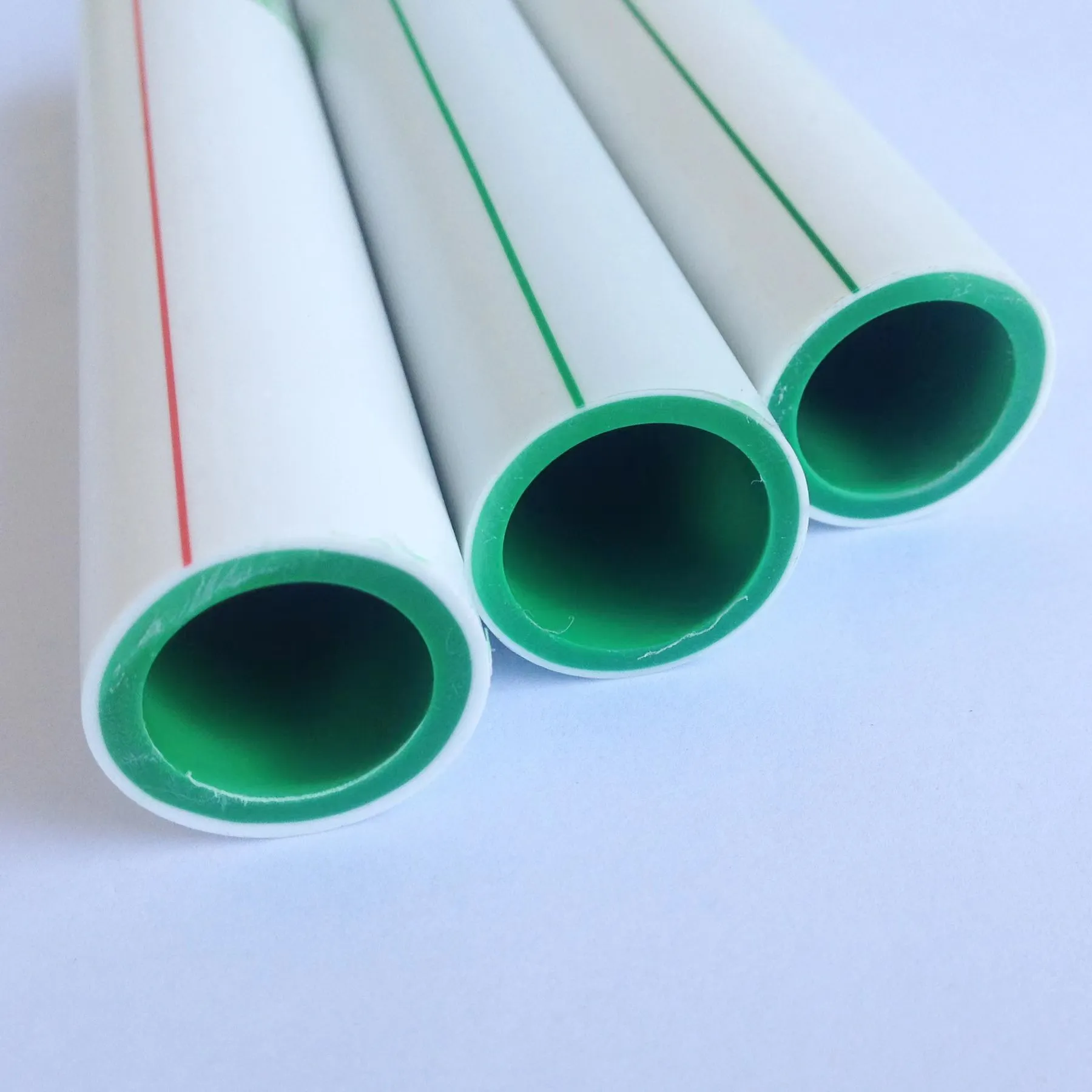
Polyvinyl chloride (PVC) pipe, specifically 9-inch diameter variants, represents a critical component in numerous infrastructure projects globally. Its widespread adoption stems from a balance of cost-effectiveness, durability, and versatility. This technical guide focuses on the manufacturing, material science, performance characteristics, and potential failure modes of 9-inch PVC pipe, providing a comprehensive resource for procurement managers, engineers, and quality control personnel. The 9-inch size is particularly prevalent in gravity-fed sewer lines, stormwater drainage systems, and certain industrial applications requiring large-diameter fluid transport. Understanding the nuanced properties of this material is crucial for ensuring long-term system reliability and mitigating potential risks associated with degradation, stress cracking, and environmental exposure. Price fluctuations are heavily influenced by raw material costs (vinyl chloride monomer - VCM), manufacturing processes, and regional demand, impacting overall project budgets.
Material Science & Manufacturing
9-inch PVC pipe is predominantly manufactured from PVC resin, a thermoplastic polymer derived from vinyl chloride. The resin is typically compounded with stabilizers (often lead-based or calcium-zinc based, though the industry is shifting towards lead-free alternatives due to environmental concerns), lubricants, plasticizers (primarily phthalates or alternatives like DINCH), and impact modifiers. The selection of these additives directly influences the pipe’s performance characteristics, including its flexibility, resistance to UV degradation, and chemical compatibility. Manufacturing predominantly utilizes extrusion processes. PVC resin and additives are fed into an extruder, where they are heated and mixed, then forced through a die to create a continuous pipe profile. Critical process parameters include extrusion temperature (typically between 180°C and 220°C), screw speed, and die design. Cooling is achieved using water baths to solidify the pipe and maintain dimensional accuracy. Subsequent processes involve cutting the pipe to specified lengths, bell-and-spigot forming (or solvent weld preparation), and quality control inspections. The molecular weight distribution of the PVC resin significantly impacts the pipe’s toughness and resistance to stress cracking. Higher molecular weight generally correlates with improved performance, but also increases processing viscosity. Chemical compatibility between the PVC compound and the additives is paramount, as incompatibility can lead to phase separation and reduced mechanical properties.
Performance & Engineering
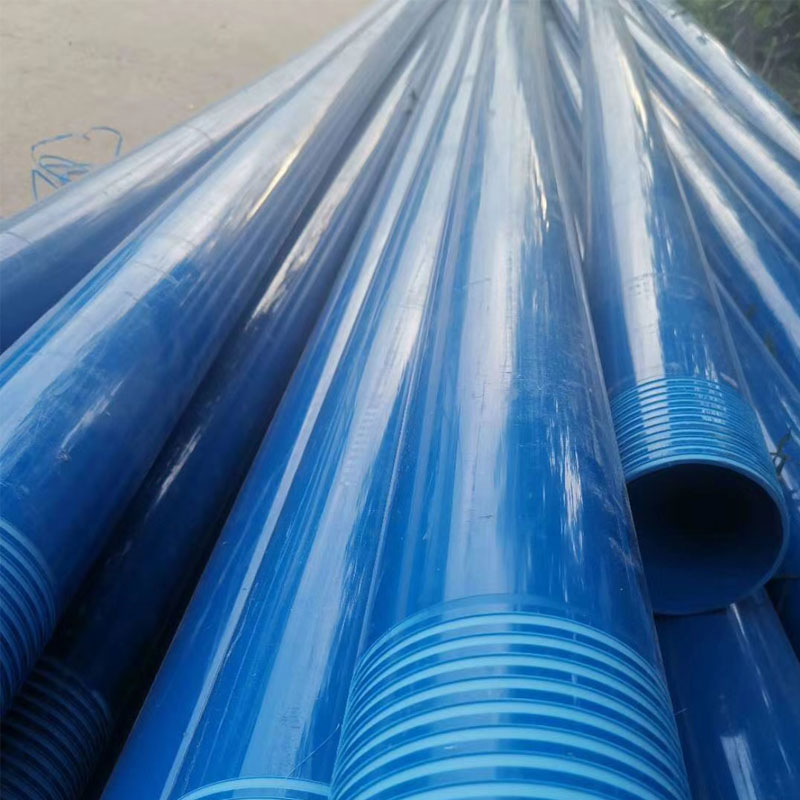
The performance of 9-inch PVC pipe is dictated by its ability to withstand hydrostatic pressure, tensile stress, impact loads, and environmental stressors. Hydrostatic pressure testing, conducted according to ASTM D1785, verifies the pipe’s ability to resist internal pressure without failure. The pipe’s wall thickness is a primary factor influencing its pressure rating, with Schedule 40 and Schedule 80 representing common wall thicknesses offering different pressure capabilities. Tensile strength and elongation at break, determined through ASTM D882, quantify the material’s resistance to deformation and fracture under tensile load. Impact resistance, assessed using ASTM D2444, is critical for preventing damage during installation and operation, particularly in environments prone to rockfall or soil movement. PVC’s inherent resistance to corrosion from most chemicals makes it suitable for a wide range of applications, however, prolonged exposure to strong oxidizing agents or aromatic hydrocarbons can lead to degradation. Soil loading calculations are essential when burying PVC pipe, considering factors such as soil type, pipe bedding, and traffic loads. Deflection testing (ASTM D2412) is performed to assess the pipe’s ability to maintain its shape under load. Thermal expansion and contraction must be accounted for in design and installation to prevent stress buildup and potential joint failures. Finite Element Analysis (FEA) is increasingly used to model complex loading scenarios and optimize pipe designs.
Technical Specifications
| Parameter | Schedule 40 (Typical) | Schedule 80 (Typical) | ASTM Standard |
|---|---|---|---|
| Nominal Pipe Size (inches) | 9 | 9 | ASTM D1785 |
| Outside Diameter (inches) | 9.625 | 9.625 | ASTM D1785 |
| Wall Thickness (inches) | 0.375 | 0.458 | ASTM D1785 |
| Pressure Rating @ 73°F (psi) | 75 | 125 | ASTM D1785 |
| Tensile Strength (psi) | 6,000+ | 6,000+ | ASTM D882 |
| Impact Strength (ft-lb) | 10+ (Unnotched) | 12+ (Unnotched) | ASTM D2444 |
Failure Mode & Maintenance
9-inch PVC pipe is susceptible to several failure modes, including: 1) Stress Cracking: caused by sustained tensile stress in the presence of aggressive chemicals. Mitigation involves selecting appropriate PVC compounds and avoiding over-tightening joints. 2) Environmental Stress Cracking (ESC): similar to stress cracking, but induced by environmental factors like UV exposure and temperature fluctuations. UV stabilizers in the PVC formulation and proper burial depth are crucial preventative measures. 3) Fatigue Cracking: results from cyclical loading, often due to traffic loads or ground movement. Proper bedding and load distribution are essential. 4) Chemical Degradation: prolonged exposure to incompatible chemicals can cause softening, swelling, and ultimately, failure. 5) Joint Failure: Improperly solvent welded joints or loose mechanical connections can lead to leaks and structural compromise. 6) Brittle Fracture: at low temperatures, PVC can become brittle and prone to fracture. Maintenance typically involves visual inspections for cracks, leaks, and deformation. Joints should be periodically checked for tightness and integrity. Damaged sections should be replaced using appropriate repair couplings or excavation and re-installation. Regular cleaning to remove debris and obstructions can prevent blockages and maintain flow capacity. The presence of aggressive soil conditions should be investigated and addressed with protective coatings or alternative pipe materials.
Industry FAQ
Q: What is the impact of different plasticizers on the long-term performance of 9-inch PVC pipe?
A: Phthalate plasticizers, while cost-effective, are facing increasing scrutiny due to health and environmental concerns. They can migrate from the PVC matrix over time, leading to embrittlement and reduced flexibility. Alternative plasticizers, such as DINCH (diisononyl cyclohexane-1,2-dicarboxylate), offer improved performance and safety profiles, but typically come at a higher cost. The choice of plasticizer directly affects the pipe’s flexibility, low-temperature performance, and resistance to chemical attack.
Q: How does the soil type influence the required bedding and backfill material for 9-inch PVC pipe installations?
A: Soil type is a critical consideration. Cohesive soils (clay) can exert significant lateral pressure on the pipe, requiring robust bedding and backfill materials to prevent deformation. Granular soils (sand and gravel) provide better drainage and load distribution. ASTM D2321 specifies recommendations for bedding and backfill materials based on soil classification. Compaction levels must also be carefully controlled to avoid over-compaction, which can induce stress on the pipe.
Q: What are the key differences between Schedule 40 and Schedule 80 PVC pipe in terms of application suitability?
A: Schedule 80 pipe has a thicker wall compared to Schedule 40, resulting in a higher pressure rating and increased resistance to impact. Schedule 40 is typically sufficient for gravity-fed sewer lines and stormwater drainage. Schedule 80 is preferred for applications involving higher pressures, corrosive environments, or heavy traffic loads. The increased material cost of Schedule 80 should be weighed against the potential benefits in specific applications.
Q: What are the recommended methods for ensuring watertight joints in 9-inch PVC pipe systems?
A: Solvent welding is the most common method for joining PVC pipe. Proper surface preparation (cleaning and priming), appropriate solvent cement selection (matched to the PVC compound), and correct application technique are crucial for achieving watertight seals. Mechanical joints, such as rubber gasket joints, offer an alternative, but require careful installation and periodic inspection to ensure gasket integrity.
Q: How does UV exposure affect the long-term durability of above-ground 9-inch PVC pipe?
A: Prolonged UV exposure can cause PVC to become brittle and discolored. UV stabilizers are added to PVC formulations to mitigate this effect, but their effectiveness diminishes over time. For above-ground applications, it is recommended to use UV-resistant PVC compounds or to protect the pipe with coatings or coverings to shield it from direct sunlight.
Conclusion
9-inch PVC pipe remains a widely utilized and cost-effective solution for numerous infrastructure applications. Its performance, however, is intrinsically linked to careful material selection, adherence to proper manufacturing processes, and diligent engineering design. Understanding the potential failure modes, including stress cracking, ESC, and chemical degradation, is paramount for ensuring long-term system reliability. The evolving landscape of PVC formulations, with a shift towards lead-free stabilizers and alternative plasticizers, necessitates continuous evaluation of material properties and performance characteristics.
Future advancements in PVC technology will likely focus on enhancing impact resistance, improving UV stability, and developing more sustainable PVC compounds. Thorough quality control procedures, coupled with adherence to relevant international standards, are essential for mitigating risks and maximizing the service life of 9-inch PVC pipe installations. Effective maintenance programs, including regular inspections and prompt repair of damaged sections, will further contribute to the long-term integrity and functionality of these critical infrastructure components.
-
DN25 HDPE Compression Fitting-HORON INTERNATIONAL|Reliable Irrigation Solutions
NewsFeb.11,2026
-
china pvc pipe class 7 Performance Analysis
News2026-05-05
-
china 63mm pvc pipe Performance Analysis
News2026-05-05
-
china hdpe to steel transition coupling Performance Analysis
News2026-05-05
-
china kitchen water pipe Performance Analysis
News2026-05-05
-
china ppr 14 pipe Performance Analysis
News2026-05-05
-
china hdpe pipe for drip irrigation Performance Analysis
News2026-05-04
-
china hdpe pipe for agriculture Performance Analysis
News2026-05-04
-
china hdpe sprinkler pipe price Performance Analysis
News2026-05-04
-
china 2 ppr pipe Performance Analysis
News2026-05-04
-
china pvc pipe price per foot Performance Analysis
News2026-05-04
-
china long pvc pipe Performance Analysis
News2026-05-03
-
china plumbing kitchen sink water lines Performance Analysis
News2026-05-03
-
china hdpe drip irrigation Performance Analysis
News2026-05-03
-
china hot water ppr pipe Performance Analysis
News2026-05-03
-
china ppr plumbing Technical Analysis
News2026-05-03