

Feb . 11, 2026 00:01 Back to list
9 inch pvc pipe price factory Performance Analysis
Introduction
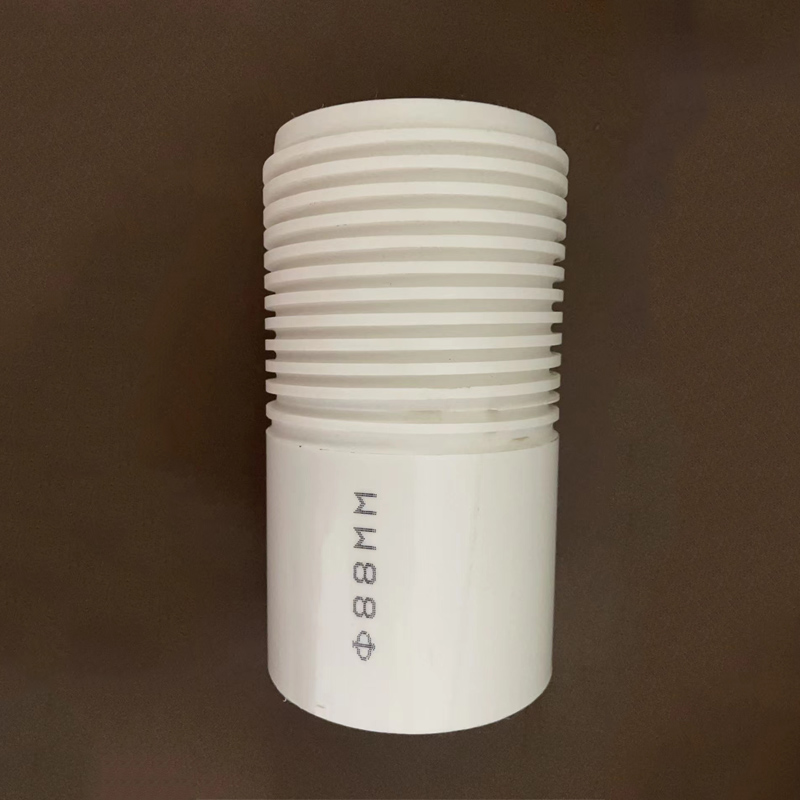
Polyvinyl Chloride (PVC) pipe, particularly in a 9-inch diameter, represents a critical component in numerous infrastructure projects, ranging from municipal water distribution and irrigation systems to industrial effluent management and drainage applications. The designation “9 inch pvc pipe price factory” refers not only to the product’s dimensions but also to the complex interplay of raw material sourcing, manufacturing processes, quality control protocols, and ultimately, cost-effectiveness. This technical guide details the material science, manufacturing methodologies, performance characteristics, potential failure modes, and relevant industry standards pertaining to 9-inch PVC pipe, focusing on the considerations crucial for procurement managers, engineers, and maintenance personnel. The industry faces key pain points including maintaining consistent material quality in fluctuating resin markets, ensuring long-term durability against varying environmental stressors, and adhering to evolving regulatory requirements concerning chemical leaching and sustainability. This document provides an in-depth exploration of these challenges and the technological solutions available to mitigate them.
Material Science & Manufacturing
9-inch PVC pipe relies fundamentally on the polymerization of vinyl chloride monomer (VCM). The resulting PVC resin is a thermoplastic polymer characterized by its excellent chemical resistance, inherent flame retardancy, and cost-effectiveness. However, raw PVC is brittle. Therefore, plasticizers, typically phthalates or alternative non-phthalate esters, are added during compounding to enhance flexibility and impact resistance. Stabilizers, such as organotin compounds or calcium-zinc formulations, are incorporated to prevent thermal degradation during processing and extend the pipe's service life. Fillers, like calcium carbonate, are often included to reduce cost and improve rigidity. The selection of these additives significantly influences the final pipe properties. Manufacturing typically employs extrusion processes. PVC compound is fed into a heated extruder, where it melts and is forced through a die to form a continuous pipe profile. Key parameters during extrusion include barrel temperature (optimized to prevent degradation, typically 160-210°C), screw speed (controlling throughput and melt homogeneity), and die pressure (dictating pipe dimensions and wall thickness). Cooling is critical – water jackets surrounding the die and downstream sections rapidly cool the pipe, solidifying its shape. Subsequent processes involve cutting to length, bell-and-spigot forming (for solvent welding), and rigorous quality control testing, including hydrostatic pressure testing and dimensional checks. Wall thickness is a critical manufacturing parameter, determined by the intended application and pressure rating. Schedule 40, Schedule 80, and other designations specify the minimum wall thickness and corresponding pressure capabilities. Deviation from specified tolerances can compromise structural integrity and lead to premature failure.
Performance & Engineering
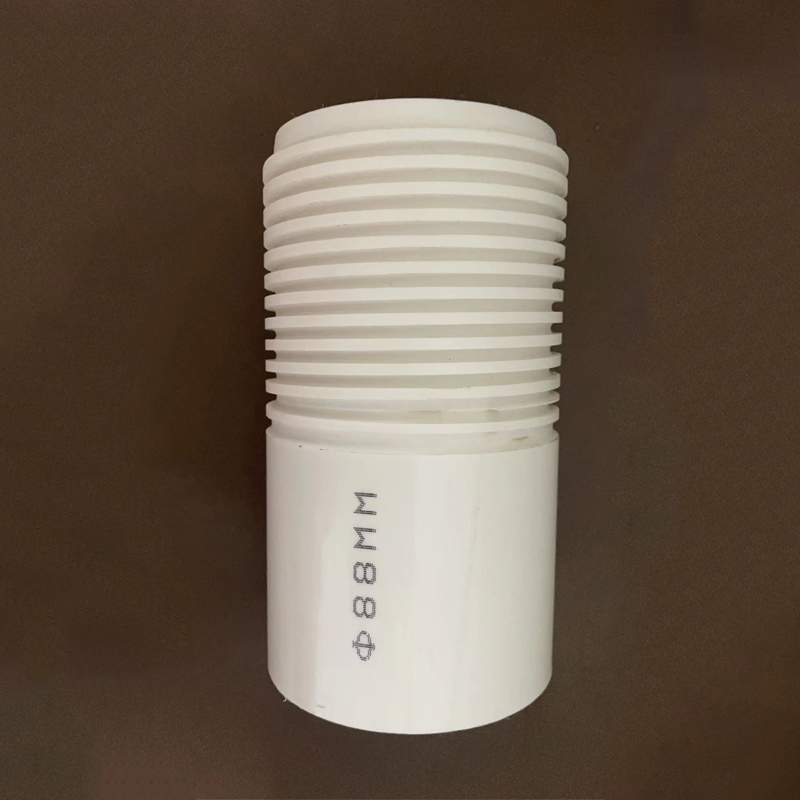
The performance of 9-inch PVC pipe is primarily evaluated based on its mechanical strength, hydraulic capacity, and long-term durability. Tensile strength, typically around 50-60 MPa for standard PVC compounds, determines the pipe's resistance to cracking under stress. Impact strength, measured using Charpy or Izod tests, indicates its ability to withstand sudden shocks. The pipe’s resistance to internal hydrostatic pressure is paramount, with standards like ASTM D2412 outlining testing procedures to determine the maximum allowable working pressure (MAWP) based on pipe dimensions and material properties. Long-term performance is affected by creep – the slow deformation of the pipe under sustained pressure. Factors such as temperature and the presence of corrosive substances accelerate creep. Therefore, engineers must consider these factors when designing piping systems. Environmental resistance is another critical aspect. PVC exhibits good resistance to most acids and bases, but can be affected by prolonged exposure to certain solvents and chlorinated hydrocarbons. Ultraviolet (UV) radiation can cause degradation over time, leading to embrittlement and discoloration; the addition of UV stabilizers is therefore essential for outdoor applications. Furthermore, soil conditions can influence pipe performance. Sustained contact with acidic or alkaline soils can accelerate degradation. Proper bedding and backfilling procedures are crucial to minimize these effects. Compliance with relevant building codes and industry regulations (e.g., NSF/ANSI 61 for potable water systems) is mandatory to ensure the safe and reliable operation of the piping system.
Technical Specifications
| Parameter | Schedule 40 | Schedule 80 | ASTM D2412 Pressure Rating (psi) |
|---|---|---|---|
| Nominal Pipe Size (inches) | 9 | 9 | N/A |
| Outside Diameter (inches) | 9.625 | 9.625 | N/A |
| Wall Thickness (inches) | 0.375 | 0.458 | N/A |
| Minimum Burst Pressure (psi) | 2400 | 3240 | N/A |
| Maximum Working Pressure (psi) (1/4 factor of safety) | 600 | 810 | Varies by temperature |
| Specific Gravity | 1.40 | 1.40 | N/A |
Failure Mode & Maintenance
Several failure modes can affect 9-inch PVC pipe. Fatigue cracking occurs due to repeated stress cycles, often at joints or areas of high stress concentration. Environmental Stress Cracking (ESC) is caused by the combined action of tensile stress and exposure to corrosive environments. Chemical attack can lead to degradation of the PVC material, particularly from prolonged exposure to incompatible solvents. UV degradation causes embrittlement and discoloration. Soil corrosion can affect buried pipelines, especially in acidic or alkaline soils. Joint failure at solvent-welded joints is common due to improper preparation, insufficient adhesive, or inadequate curing time. Hydrostatic failure results from exceeding the pipe's pressure rating. Maintenance practices include regular visual inspections for cracks, leaks, and discoloration. Hydrostatic testing can be performed to assess the pipe’s structural integrity. Proper bedding and backfilling procedures are essential to prevent soil corrosion. Joints should be inspected periodically for signs of leakage or separation. In the event of a failure, the damaged section should be replaced with a compatible PVC pipe and properly solvent-welded. Preventive maintenance, such as applying UV-protective coatings to exposed sections, can significantly extend the pipe’s service life. For significant corrosion, cathodic protection may be considered, although less common with PVC than with metallic pipes.
Industry FAQ
Q: What is the impact of temperature on the pressure rating of 9-inch PVC pipe?
A: As temperature increases, the tensile strength of PVC decreases, reducing the pipe's ability to withstand internal pressure. ASTM D2412 provides derating factors to adjust the maximum working pressure based on the operating temperature. Higher temperatures necessitate lower operating pressures to maintain structural integrity.
Q: How do different plasticizers affect the long-term performance of PVC pipe?
A: Phthalate plasticizers were traditionally used but are now facing increasing regulatory scrutiny due to health concerns. Alternative non-phthalate plasticizers offer improved environmental profiles but may exhibit different migration rates and compatibility with PVC, potentially affecting long-term flexibility and durability. The choice of plasticizer significantly impacts the pipe's lifespan and resistance to cracking.
Q: What are the key considerations for solvent welding 9-inch PVC pipe?
A: Proper surface preparation (cleaning and priming) is critical for achieving a strong, leak-proof joint. The correct solvent cement formulation must be used, compatible with both the pipe and fittings. Adequate ventilation is essential during application. Sufficient curing time (typically 24-72 hours) must be allowed before pressurizing the system.
Q: What is the expected lifespan of a properly installed and maintained 9-inch PVC pipe?
A: A properly installed and maintained 9-inch PVC pipe can have a service life of 50-100 years or more. However, factors such as soil conditions, operating temperature, exposure to UV radiation, and the quality of materials used can significantly influence its lifespan. Regular inspections and preventive maintenance are essential to maximize its longevity.
Q: How does Schedule 80 pipe differ from Schedule 40 in terms of cost and application?
A: Schedule 80 pipe has a thicker wall than Schedule 40, resulting in a higher pressure rating and greater rigidity. This increased robustness comes at a higher material cost. Schedule 80 is typically used in applications requiring higher pressure handling capabilities or greater resistance to impact, such as industrial piping systems and hazardous waste conveyance. Schedule 40 is sufficient for many municipal water distribution and irrigation applications.
Conclusion
9-inch PVC pipe remains a highly versatile and cost-effective solution for a wide range of fluid conveyance applications. Understanding the nuances of its material science, manufacturing processes, and performance characteristics is paramount for ensuring long-term reliability and minimizing the risk of failure. Careful consideration of environmental factors, proper installation techniques, and adherence to relevant industry standards are essential for maximizing its service life and achieving optimal performance.
Continued advancements in PVC compounding, particularly in the development of more sustainable plasticizers and UV stabilizers, are expected to further enhance the durability and environmental profile of this widely used piping material. Ongoing research into novel joining techniques and non-destructive testing methods will also contribute to improved system integrity and reduced maintenance costs. The “9 inch pvc pipe price factory” represents a dynamic sector, continually evolving to meet the demands of a rapidly changing infrastructure landscape.
-
DN25 HDPE Compression Fitting-HORON INTERNATIONAL|Reliable Irrigation Solutions
NewsFeb.11,2026
-
china pvc pipe class 7 Performance Analysis
News2026-05-05
-
china 63mm pvc pipe Performance Analysis
News2026-05-05
-
china hdpe to steel transition coupling Performance Analysis
News2026-05-05
-
china kitchen water pipe Performance Analysis
News2026-05-05
-
china ppr 14 pipe Performance Analysis
News2026-05-05
-
china hdpe pipe for drip irrigation Performance Analysis
News2026-05-04
-
china hdpe pipe for agriculture Performance Analysis
News2026-05-04
-
china hdpe sprinkler pipe price Performance Analysis
News2026-05-04
-
china 2 ppr pipe Performance Analysis
News2026-05-04
-
china pvc pipe price per foot Performance Analysis
News2026-05-04
-
china long pvc pipe Performance Analysis
News2026-05-03
-
china plumbing kitchen sink water lines Performance Analysis
News2026-05-03
-
china hdpe drip irrigation Performance Analysis
News2026-05-03
-
china hot water ppr pipe Performance Analysis
News2026-05-03
-
china ppr plumbing Technical Analysis
News2026-05-03