

Feb . 11, 2026 00:01 Back to list
9 inch pvc pipe price factories Performance Analysis
Introduction
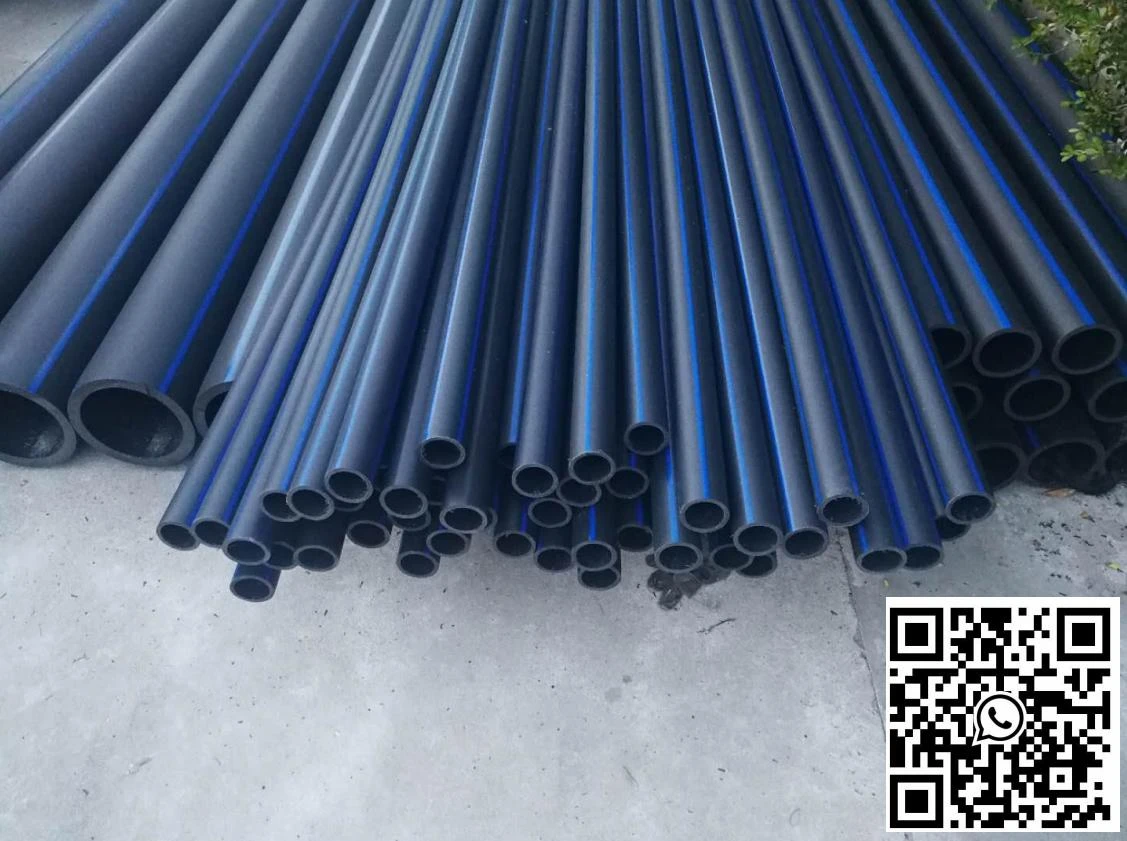
9-inch Polyvinyl Chloride (PVC) pipe represents a critical component in a wide range of industrial applications, including water and wastewater management, irrigation, drainage systems, and chemical transport. Understanding its manufacturing nuances, material properties, and performance characteristics is paramount for procurement professionals and engineers. This guide details the technical aspects of 9-inch PVC pipe, moving beyond simple price considerations to encompass the full lifecycle of the product, from raw material selection to potential failure modes. The industry faces challenges related to maintaining dimensional accuracy, ensuring long-term durability in harsh environments, and complying with evolving regulatory standards. This document aims to provide a comprehensive technical foundation for addressing these challenges, focusing on aspects directly impacting cost-effectiveness and system reliability. Key performance indicators include pressure rating, tensile strength, impact resistance, and chemical compatibility, all of which influence the suitability of the pipe for specific applications. We will explore these factors in detail.
Material Science & Manufacturing
9-inch PVC pipe is primarily manufactured from Polyvinyl Chloride resin, a thermoplastic polymer produced by the polymerization of vinyl chloride monomer (VCM). The raw material’s quality significantly impacts the final product's properties. The PVC resin is typically compounded with stabilizers (e.g., calcium-zinc, lead-based - though increasingly phased out due to environmental concerns), lubricants, plasticizers (often phthalates or alternatives like DINCH), and impact modifiers (e.g., chlorinated polyethylene – CPE). The ratio of these additives dictates the pipe’s flexibility, impact resistance, and resistance to UV degradation. Manufacturing processes generally involve extrusion. PVC resin and additives are fed into a single-screw extruder, where they are heated and homogenized. The molten PVC is then forced through a die to form a continuous pipe profile. Critical parameters during extrusion include die temperature (typically 180-210°C), screw speed (affecting melt viscosity and output rate), and cooling water flow (determining the pipe’s crystallization rate and dimensional stability). Subsequent processes include cutting to length, bell end forming (for solvent welding), and quality control checks, including hydrostatic pressure testing and dimensional measurements. Wall thickness consistency is crucial and monitored throughout the process. The grade of PVC resin (Schedule 40, Schedule 80, etc.) dictates the wall thickness and, consequently, the pressure-bearing capacity of the pipe. Improper cooling can lead to warping and residual stresses, affecting long-term performance.
Performance & Engineering
The performance of 9-inch PVC pipe is dictated by its mechanical properties and resistance to environmental factors. Force analysis involves consideration of internal hydrostatic pressure, external soil loads, and potential impact forces. The pipe’s hoop stress (tension in the pipe wall due to internal pressure) is a critical design parameter, calculated using the Barlow formula: σ = (PD)/(2t), where σ is hoop stress, P is internal pressure, D is pipe diameter, and t is wall thickness. Environmental resistance includes UV degradation, chemical attack, and temperature fluctuations. PVC is susceptible to UV degradation, leading to embrittlement and cracking; therefore, UV stabilizers are essential, especially for above-ground applications. Chemical compatibility is a key consideration; while PVC is generally resistant to many acids and bases, it can be affected by certain solvents and hydrocarbons. Temperature significantly influences PVC’s mechanical properties; elevated temperatures reduce its tensile strength and impact resistance. Compliance requirements are governed by standards like ASTM D1785 (Standard Specification for Poly(Vinyl Chloride) (PVC) Plastic Pipe, Schedules 40, 80, and 120) and AWWA C900 (Standard for Polyvinyl Chloride (PVC) Pressure Pipe and Fittings for Distribution Systems). Proper jointing techniques (solvent welding, gasketed joints) are critical for maintaining system integrity and preventing leaks. The long-term performance depends heavily on the quality of installation and adherence to industry best practices.
Technical Specifications
| Parameter | Schedule 40 | Schedule 80 | ASTM D1785 Compliance | AWWA C900 Compliance |
|---|---|---|---|---|
| Nominal Pipe Size (inches) | 9 | 9 | Yes | Yes |
| Outside Diameter (inches) | 9.625 | 9.625 | ±0.063 in | ±0.063 in |
| Wall Thickness (inches) | 0.375 | 0.458 | ±0.020 in | ±0.020 in |
| Pressure Rating (psi) | 280 | 420 | Dependent on temperature & size | Dependent on temperature & size |
| Tensile Strength (psi) | 6,000 | 6,000 | Minimum 6,000 | Minimum 6,000 |
| Impact Resistance (ft-lb) | 10 | 12 | Dependent on temperature | Dependent on temperature |
Failure Mode & Maintenance
9-inch PVC pipe is susceptible to several failure modes. Fatigue cracking can occur due to repeated pressure fluctuations or cyclical loading, especially at joints. Chemical attack can lead to degradation of the PVC matrix, reducing its strength and flexibility. UV degradation causes embrittlement and surface cracking, particularly in exposed applications. Soil settlement or ground movement can induce excessive stress on the pipe, leading to cracking or joint failure. Delamination can occur due to poor manufacturing processes or inadequate bonding between layers. Oxidation can occur over prolonged exposure to high temperatures and oxygen. Maintenance involves regular visual inspections for cracks, leaks, and signs of degradation. Proper backfilling procedures are crucial to prevent stress concentration and ensure adequate support. Joints should be periodically inspected for leaks and tightness. For solvent-welded joints, ensure proper solvent application and curing times. In case of minor cracks, epoxy repair compounds specifically designed for PVC can be used. For significant damage, pipe replacement is generally recommended. Pressure testing should be conducted periodically to verify system integrity. Preventative measures include using UV-resistant coatings for above-ground applications and selecting chemically compatible materials for the transported fluid.
Industry FAQ
Q: What is the impact of temperature on the pressure rating of 9-inch Schedule 40 PVC pipe?
A: The pressure rating of PVC pipe decreases as temperature increases. Elevated temperatures reduce the tensile strength and modulus of elasticity of PVC, leading to a lower burst pressure. Manufacturers provide derating factors for specific temperatures, typically expressed as a percentage reduction in the pressure rating. Consult the manufacturer's data sheet or relevant standards like ASTM D1785 for accurate derating values.
Q: How does the type of soil affect the long-term performance of buried 9-inch PVC pipe?
A: Soil properties significantly influence pipe performance. Corrosive soils can chemically attack the PVC, while rocky soils can cause mechanical damage during installation or due to ground movement. Poorly compacted backfill can lead to uneven support and stress concentration. Proper bedding and backfill procedures, using approved materials, are crucial for mitigating these risks. Geotextile fabrics can provide additional protection against corrosion and mechanical damage.
Q: What are the advantages and disadvantages of solvent welding versus gasketed joints for 9-inch PVC pipe?
A: Solvent welding creates a permanent, homogenous joint that is generally stronger and more chemically resistant than gasketed joints. However, it requires careful surface preparation, proper solvent application, and optimal curing conditions. Gasketed joints are easier to install and allow for some degree of flexibility, accommodating minor ground movement. However, they are more prone to leaks over time due to gasket degradation or improper installation.
Q: What specific additives are used to enhance the UV resistance of 9-inch PVC pipe, and how effective are they?
A: Common UV stabilizers used in PVC pipe include hindered amine light stabilizers (HALS) and carbon black. HALS scavenge free radicals generated by UV radiation, preventing chain scission and degradation. Carbon black absorbs UV radiation, protecting the PVC matrix. The effectiveness of these additives depends on their concentration, dispersion, and the intensity of UV exposure. Pipes designed for prolonged outdoor exposure typically contain higher concentrations of UV stabilizers.
Q: How does the choice of plasticizer impact the long-term flexibility and durability of 9-inch PVC pipe?
A: Plasticizers increase the flexibility of PVC, making it easier to process and install. However, some plasticizers, such as phthalates, can migrate out of the PVC matrix over time, leading to embrittlement and reduced flexibility. Newer, non-phthalate plasticizers, like DINCH, offer improved migration resistance and long-term durability. The choice of plasticizer is a critical factor in determining the pipe's service life.
Conclusion
The selection and implementation of 9-inch PVC pipe require a thorough understanding of its material properties, manufacturing processes, and performance characteristics. Beyond merely evaluating price, a comprehensive technical assessment is essential for ensuring long-term reliability and minimizing lifecycle costs. Key considerations include the intended application, environmental conditions, chemical compatibility, and adherence to relevant industry standards. Proper installation practices, including adequate bedding, backfilling, and jointing techniques, are paramount for maximizing the pipe’s service life.
Looking ahead, continued innovation in PVC formulations, including the development of more durable and environmentally friendly plasticizers and UV stabilizers, will further enhance the performance and sustainability of 9-inch PVC pipe. Furthermore, advancements in non-destructive testing methods will enable more effective monitoring of pipe integrity and proactive maintenance, reducing the risk of catastrophic failures. A holistic approach, encompassing material science, engineering principles, and diligent quality control, is crucial for realizing the full potential of this versatile and cost-effective piping solution.
-
DN25 HDPE Compression Fitting-HORON INTERNATIONAL|Reliable Irrigation Solutions
NewsFeb.11,2026
-
china pvc pipe class 7 Performance Analysis
News2026-05-05
-
china 63mm pvc pipe Performance Analysis
News2026-05-05
-
china hdpe to steel transition coupling Performance Analysis
News2026-05-05
-
china kitchen water pipe Performance Analysis
News2026-05-05
-
china ppr 14 pipe Performance Analysis
News2026-05-05
-
china hdpe pipe for drip irrigation Performance Analysis
News2026-05-04
-
china hdpe pipe for agriculture Performance Analysis
News2026-05-04
-
china hdpe sprinkler pipe price Performance Analysis
News2026-05-04
-
china 2 ppr pipe Performance Analysis
News2026-05-04
-
china pvc pipe price per foot Performance Analysis
News2026-05-04
-
china long pvc pipe Performance Analysis
News2026-05-03
-
china plumbing kitchen sink water lines Performance Analysis
News2026-05-03
-
china hdpe drip irrigation Performance Analysis
News2026-05-03
-
china hot water ppr pipe Performance Analysis
News2026-05-03
-
china ppr plumbing Technical Analysis
News2026-05-03