

Feb . 11, 2026 00:01 Back to list
discount water pipes under sink Performance Analysis
Introduction
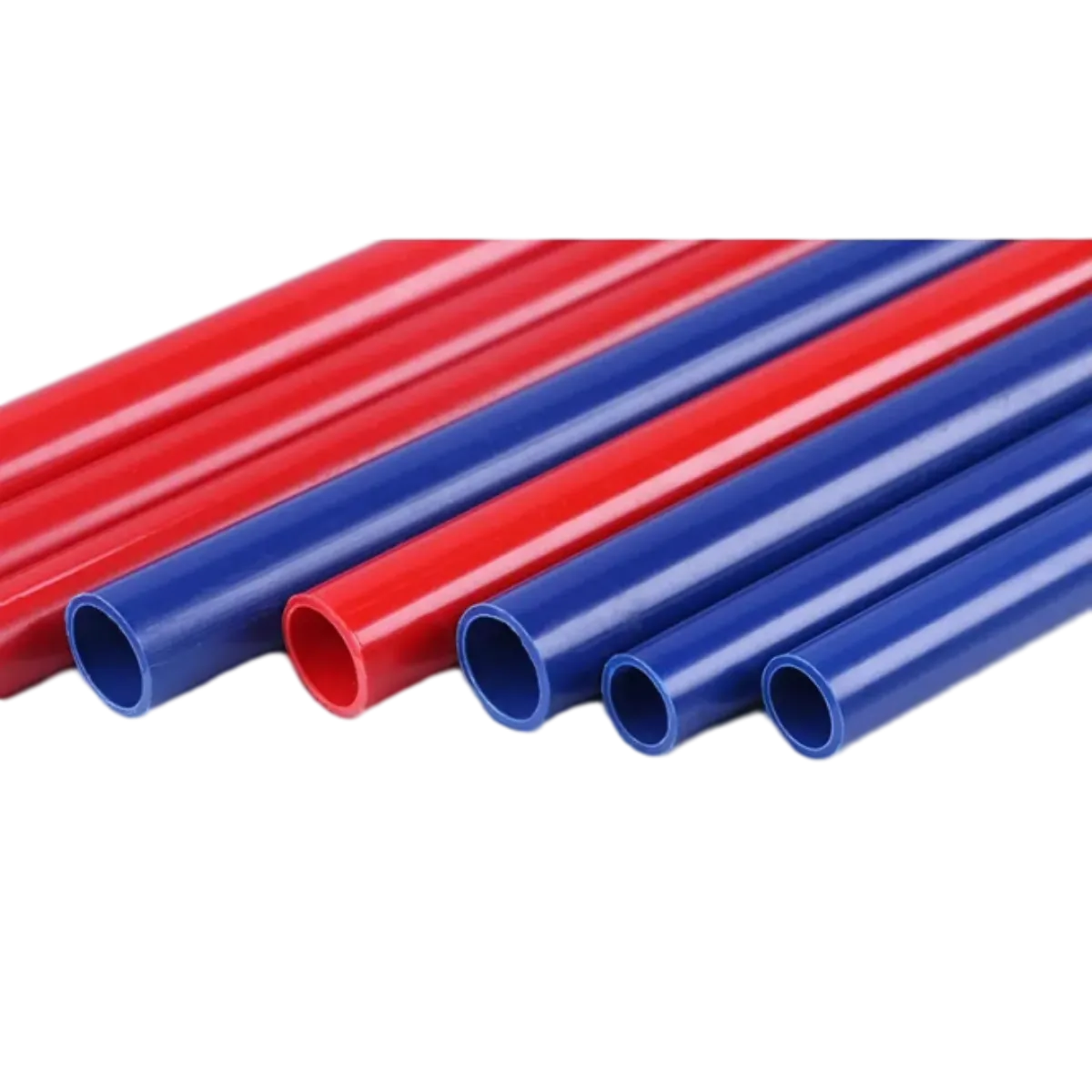
Discount under-sink water pipes represent a critical, yet often overlooked, component of residential and commercial plumbing infrastructure. These pipes, typically constructed from Polypropylene Random (PPR), Chlorinated Polyvinyl Chloride (CPVC), or Polyethylene (PE), serve as the conduit for both hot and cold potable water to fixtures like sinks, dishwashers, and washing machines. Their positioning necessitates resistance to both hydrostatic pressure and potential chemical exposure from cleaning agents. While cost-effective, these ‘discount’ offerings require rigorous material selection and manufacturing control to ensure long-term performance and prevent premature failure. This guide provides an in-depth technical analysis of discount under-sink water pipes, covering material science, manufacturing processes, performance characteristics, potential failure modes, and relevant industry standards. The primary pain points addressed include material degradation leading to leaks, insufficient pressure ratings for multi-story buildings, and non-compliance with potable water safety regulations.
Material Science & Manufacturing
The prevalent materials used in discount under-sink water pipes are PPR, CPVC, and PE. PPR exhibits excellent chemical resistance and thermal stability, making it suitable for hot water applications. Its manufacturing involves the random copolymerization of propylene monomers, impacting the material’s amorphous structure. CPVC, a chlorinated derivative of PVC, offers higher temperature resistance and improved mechanical strength, crucial for resisting thermal expansion and contraction. CPVC production involves chlorination of PVC resin, necessitating precise control over chlorine content (typically 63-69%) to achieve optimal properties. PE, particularly High-Density Polyethylene (HDPE), is valued for its flexibility and resistance to corrosion. HDPE manufacturing employs Ziegler-Natta or metallocene catalysts to control polymer chain length and density.
Manufacturing processes largely revolve around extrusion and injection molding. Extrusion forms the continuous pipe lengths, demanding consistent die temperature and screw speed control to ensure uniform wall thickness and minimize material defects. Injection molding is utilized for fittings (elbows, tees, couplings), requiring precise mold temperature and injection pressure control to prevent warping and ensure dimensional accuracy. Key parameters influencing pipe quality include Melt Flow Index (MFI), Vicat softening temperature, and hydrostatic pressure testing during and after production. Improper cooling rates during extrusion can lead to residual stresses, making the pipes susceptible to cracking. Variations in material composition during polymerization affect long-term creep resistance, a crucial factor for sustained pressure applications.
Performance & Engineering
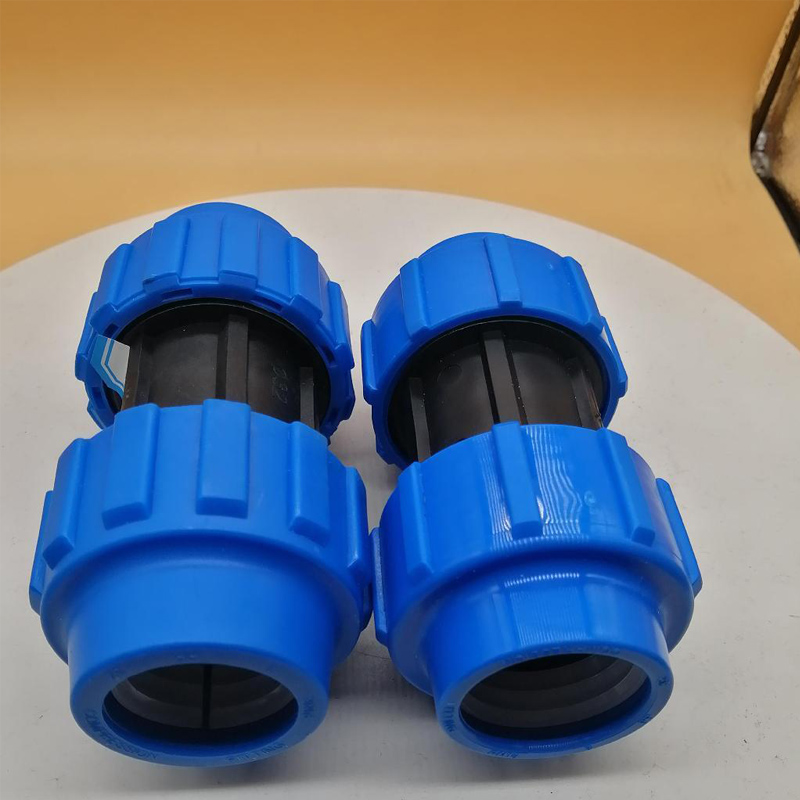
The primary engineering concern with under-sink water pipes is their ability to withstand hydrostatic pressure without failure. The hoop stress (σ) in a cylindrical pipe is calculated by σ = (P r) / t, where P is the internal pressure, r is the pipe radius, and t is the wall thickness. Discount pipes often utilize thinner walls to reduce material costs, which necessitates a lower operating pressure. Force analysis must account for water hammer effects (pressure surges caused by sudden valve closures) which can significantly exceed static pressure. Environmental resistance is also paramount. Prolonged exposure to UV radiation, particularly in poorly ventilated areas, can cause polymer degradation leading to embrittlement. Chemical resistance must also be considered; exposure to harsh cleaning agents (bleach, drain cleaners) can cause swelling and cracking of certain polymer types. Compliance with relevant plumbing codes (e.g., UPC, IPC) is essential, dictating minimum pressure ratings, material standards, and installation practices. Furthermore, thermal expansion and contraction must be addressed to prevent stress on joints and fittings, often requiring the use of expansion loops or flexible connectors.
Technical Specifications
| Material | Pressure Rating (PSI) @ 73°F | Temperature Rating (°F) | Outside Diameter (in) | Wall Thickness (in) | Hydrostatic Test Pressure (PSI) |
|---|---|---|---|---|---|
| PPR | 80 | 180 | 0.5 | 0.06 | 240 |
| CPVC | 100 | 200 | 0.5 | 0.07 | 300 |
| HDPE | 60 | 140 | 0.5 | 0.05 | 180 |
| PPR (Reinforced with Fiber) | 120 | 190 | 0.63 | 0.08 | 360 |
| CPVC (Schedule 40) | 180 | 200 | 0.75 | 0.09 | 540 |
| HDPE (PEX-AL-PEX) | 90 | 180 | 0.63 | 0.08 | 270 |
Failure Mode & Maintenance
Common failure modes in discount under-sink water pipes include: Fatigue Cracking - caused by repeated pressure cycles and material defects; Creep Rupture - slow deformation under sustained pressure, particularly at elevated temperatures; Chemical Degradation - swelling, softening, or cracking due to exposure to incompatible chemicals; UV Degradation - embrittlement and discoloration from prolonged UV exposure; Delamination - separation of layers in composite pipes (e.g., PEX-AL-PEX); Joint Failure - leaks at fittings due to improper installation, inadequate sealant, or material incompatibility. Failure analysis often involves microscopic examination of fracture surfaces to identify the root cause.
Preventative maintenance includes periodic visual inspection for leaks, corrosion, and discoloration. Avoid exposing the pipes to direct sunlight whenever possible. Flush the system periodically to remove sediment buildup. Use only approved cleaning agents compatible with the pipe material. When replacing sections of pipe, ensure proper solvent welding techniques are employed for CPVC or utilize appropriate crimping or expansion fittings for PEX. Avoid overtightening fittings, which can cause stress cracking. Regular testing of water pressure can help identify potential weaknesses before catastrophic failure occurs. For systems experiencing frequent water hammer, install pressure reducing valves or water hammer arrestors.
Industry FAQ
Q: What is the difference between PPR and CPVC in terms of long-term durability for hot water applications?
A: CPVC generally offers superior long-term durability for hot water applications due to its higher chlorine content, which increases its resistance to thermal degradation and creep. PPR, while suitable for moderately hot water, can exhibit a greater tendency to soften and deform over time at higher temperatures, potentially leading to reduced pressure capacity and eventual failure.
Q: How does the wall thickness of a discount pipe impact its pressure rating?
A: The pressure rating of a pipe is inversely proportional to its wall thickness. Thinner walls result in lower pressure ratings, as the pipe is less able to withstand the hoop stress generated by internal pressure. Reducing wall thickness is a common cost-saving measure in discount pipes, but it compromises their ability to handle higher pressures and water hammer events.
Q: What are the common causes of leaks at pipe fittings?
A: Leaks at pipe fittings can result from several factors, including improper installation (insufficient solvent welding, inadequate crimping), incompatible materials (e.g., using dissimilar fittings), damage to the fitting during installation, and degradation of the sealant over time. Ensure that fittings are properly sized, compatible with the pipe material, and installed according to manufacturer’s instructions.
Q: How does UV exposure affect the performance of polyethylene (PE) pipes?
A: Prolonged exposure to UV radiation can cause PE pipes to become brittle and lose their flexibility. This is because UV light breaks down the polymer chains, reducing the material’s strength and impact resistance. It is crucial to protect PE pipes from direct sunlight, especially during storage and installation.
Q: Are there any specific cleaning agents that should be avoided when using discount under-sink water pipes?
A: Highly concentrated bleach, strong acids, and certain drain cleaners can cause significant damage to most plastic pipes. These chemicals can cause swelling, cracking, and discoloration. Always refer to the pipe manufacturer’s recommendations for compatible cleaning agents. Rinsing the system thoroughly after using any cleaning agent is also crucial.
Conclusion
Discount under-sink water pipes offer a cost-effective solution for residential and commercial plumbing, but their performance and longevity are critically dependent on material selection, manufacturing quality, and proper installation. The inherent trade-off between cost and durability necessitates a thorough understanding of the materials’ physical and chemical properties, potential failure modes, and relevant industry standards. Prioritizing higher-quality materials, ensuring precise manufacturing control, and adhering to best practices for installation and maintenance are essential to mitigate the risks associated with these lower-cost offerings.
Future advancements in polymer technology, such as the development of more robust and chemically resistant materials, will likely lead to improved performance in discount water pipe options. Furthermore, enhanced quality control procedures throughout the manufacturing process and stricter adherence to international standards will contribute to greater reliability and longevity. Ongoing research into non-destructive testing methods for detecting material defects will also play a vital role in ensuring the safety and performance of these critical plumbing components.
-
DN25 HDPE Compression Fitting-HORON INTERNATIONAL|Reliable Irrigation Solutions
NewsFeb.11,2026
-
discount 24 inch diameter pvc pipe price Performance Analysis
News2026-06-24
-
discount 4 hdpe drain pipe Performance Analysis
News2026-06-24
-
discount 12 hdpe pipe Performance Analysis
News2026-06-24
-
discount hdpe reducing coupling Performance Analysis
News2026-06-24
-
discount hdpe corrugated sewer pipe Performance Engineering
News2026-06-24
-
discount pvc pipe cost per foot Material and Performance Analysis
News2026-06-23
-
discount double walled corrugated pipe Performance Analysis
News2026-06-23
-
discount hdpe sprinkler pipe price list Performance and Engineering
News2026-06-23
-
discount water pipe in kitchen Technical Analysis
News2026-06-23
-
discount hdpe to pvc pipe coupling Performance Engineering
News2026-06-23
-
discount 32 mm ppr pipe Performance Analysis
News2026-06-22
-
discount ppr pipe for hot water supply Performance Analysis
News2026-06-22
-
discount double walled drainage pipe Performance Analysis
News2026-06-22
-
discount black hdpe pipe Performance Analysis
News2026-06-22
-
discount dn25 ppr hot water pipes for kitchen Performance Analysis
News2026-06-22