

Feb . 11, 2026 00:01 Back to list
discount hdpe sprinkler pipe price list Performance and Engineering

Introduction
High-Density Polyethylene (HDPE) sprinkler pipe is a crucial component in irrigation systems, utilized extensively in agriculture, landscaping, and turf management. Its position in the industry chain lies between the raw material polyethylene resin production and the final installation of complete irrigation networks. This technical guide will provide an in-depth analysis of HDPE sprinkler pipe, focusing on its material properties, manufacturing processes, performance characteristics, potential failure modes, and relevant industry standards. The primary advantage of HDPE lies in its cost-effectiveness, durability, and resistance to many chemicals commonly found in agricultural applications. Performance is quantified by pressure rating (PSI), flow capacity, and UV resistance, all of which directly impact the efficiency and longevity of sprinkler systems. The current market trend is towards increased use of recycled HDPE content, driving a need for rigorous quality control to maintain performance consistency. A significant pain point for procurement managers is balancing initial cost with long-term operational expenses related to pipe failure and replacement.
Material Science & Manufacturing
HDPE sprinkler pipe is produced from high-density polyethylene resin, typically grades conforming to ASTM D3350 or equivalent international standards. The resin's molecular weight distribution and density directly influence the pipe's mechanical properties. Higher density generally equates to increased tensile strength and rigidity. The manufacturing process primarily involves extrusion. Polyethylene pellets are fed into an extruder, where they are heated and melted. The molten plastic is then forced through a die, forming the desired pipe diameter and wall thickness. Critical parameters during extrusion include temperature control (melt temperature, die temperature), screw speed, and haul-off speed. Precise control of these parameters ensures consistent pipe dimensions and material distribution. Post-extrusion processes may include cooling (water bath), printing (identification markings), and cutting to length. The addition of UV stabilizers and carbon black are crucial to enhance resistance to degradation from sunlight exposure. Compatibility with commonly used fertilizers and pesticides is also a consideration; HDPE exhibits excellent chemical resistance to most agricultural chemicals, but prolonged exposure to strong oxidizing agents should be avoided. Pipe diameters typically range from ¾” to 12”, with pressure ratings varying based on pipe schedule (wall thickness).
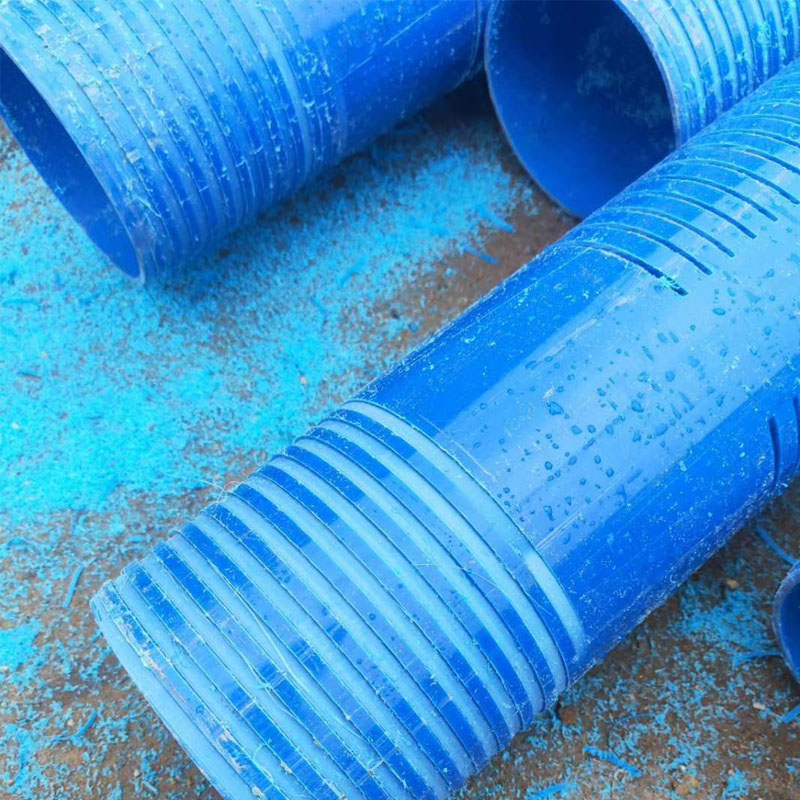
Performance & Engineering
The performance of HDPE sprinkler pipe is heavily reliant on its ability to withstand internal hydrostatic pressure, external loads (soil pressure, traffic load), and environmental stresses. Force analysis involves calculating hoop stress within the pipe wall under pressure. Hoop stress is directly proportional to the internal pressure and pipe radius, and inversely proportional to the wall thickness. Therefore, thicker-walled pipes (higher schedule numbers) are required for higher pressure applications. Environmental resistance is paramount. HDPE exhibits excellent resistance to corrosion, but is susceptible to UV degradation without proper stabilization. The addition of carbon black or UV stabilizers extends service life. Long-term creep resistance is another critical factor; HDPE can exhibit time-dependent deformation under sustained stress, particularly at elevated temperatures. This is addressed through material selection and appropriate pipe support systems. Compliance requirements vary by region, but generally include adherence to NSF/ANSI 61 for potable water applications (if applicable) and local plumbing codes. The hydraulic performance of HDPE pipe is excellent due to its smooth inner surface, minimizing friction losses and maximizing flow efficiency. Proper jointing techniques (butt fusion, socket fusion, compression fittings) are essential to maintain system integrity and prevent leaks.
Technical Specifications
| Parameter | Units | Typical Value (Schedule 40) | Typical Value (Schedule 80) |
|---|---|---|---|
| Outside Diameter | inches | 1.050 | 1.050 |
| Inside Diameter | inches | 0.840 | 0.790 |
| Wall Thickness | inches | 0.105 | 0.130 |
| Pressure Rating | PSI | 100 | 160 |
| Density | g/cm³ | 0.953 - 0.965 | 0.953 - 0.965 |
| Tensile Strength at Yield | PSI | 4,000 | 4,000 |
| Elongation at Break | % | >300 | >300 |
Failure Mode & Maintenance
Common failure modes in HDPE sprinkler pipe include slow crack growth (SCG), particularly in areas of stress concentration (around fittings or joints). SCG is exacerbated by exposure to surfactants and certain chemicals. Fatigue cracking can occur due to repeated pressure cycles or external loads. UV degradation can lead to embrittlement and cracking, especially in areas not adequately protected. Delamination can occur if the pipe material is contaminated or if the extrusion process is not properly controlled. Oxidation can occur at high temperatures, leading to material degradation. Maintenance should include regular visual inspections for cracks, leaks, or signs of UV damage. Proper backfilling and pipe support are crucial to prevent stress on the pipe. Flush the system periodically to remove debris and sediment. When repairing HDPE pipe, use compatible materials and proper joining techniques. Avoid using solvents or harsh chemicals that could damage the pipe. Preventative measures such as installing UV protective sleeves or coatings can significantly extend the lifespan of the pipe. Proper winterization is crucial in cold climates to prevent freezing and cracking. Thoroughly drain the system and consider using air blowers to remove residual water.
Industry FAQ
Q: What is the impact of soil acidity on the long-term performance of HDPE sprinkler pipe?
A: While HDPE exhibits excellent chemical resistance, prolonged exposure to highly acidic soils can accelerate degradation, particularly at joints and fittings. Acidic conditions can promote stress corrosion cracking and reduce the pipe's overall strength and durability. It's recommended to use protective bedding materials or coatings in highly acidic soil environments.
Q: How does the quality of the butt fusion process affect the reliability of HDPE pipe joints?
A: Butt fusion is a critical process for creating leak-free, high-strength joints. Improper fusion parameters (temperature, pressure, dwell time) can result in under-fusion or over-fusion, both of which compromise joint integrity. Regular calibration of the fusion equipment and adherence to established fusion procedures (ASTM F2620) are essential. Non-destructive testing (e.g., visual inspection, pull testing) should be performed to verify joint quality.
Q: What are the advantages and disadvantages of using recycled HDPE in sprinkler pipe manufacturing?
A: Recycled HDPE offers cost savings and environmental benefits. However, the mechanical properties of recycled HDPE can vary depending on the source and processing method. It's crucial to ensure that recycled HDPE meets the same performance standards as virgin HDPE. Careful quality control and blending with virgin resin are often necessary to maintain consistent properties.
Q: How do I determine the appropriate pipe schedule for a given application based on pressure requirements and external loads?
A: The pipe schedule should be selected based on a comprehensive analysis of the system's operating pressure, external loads (soil pressure, traffic load), and safety factors. Higher pressure and greater external loads require thicker-walled pipes (higher schedule numbers). Consult engineering guidelines and relevant standards (e.g., AWWA) to ensure adequate safety margins.
Q: What is the expected service life of HDPE sprinkler pipe under typical agricultural conditions?
A: The expected service life of HDPE sprinkler pipe typically ranges from 20 to 50 years, depending on factors such as UV exposure, soil conditions, water quality, and maintenance practices. Proper installation, protection from UV degradation, and regular inspections can significantly extend the lifespan of the pipe.
Conclusion
HDPE sprinkler pipe represents a robust and cost-effective solution for irrigation systems. Its combination of chemical resistance, durability, and ease of installation makes it a preferred choice across diverse agricultural and landscaping applications. Understanding the material science principles governing its performance, coupled with adherence to proper manufacturing and installation practices, are paramount to maximizing its service life and minimizing potential failure modes.
Future advancements in HDPE technology are likely to focus on enhancing UV resistance, improving creep resistance, and expanding the use of recycled materials. Continued research and development efforts will further refine the performance characteristics of HDPE sprinkler pipe, ensuring its continued relevance in the evolving landscape of irrigation technology. Careful consideration of long-term operational costs, including maintenance and replacement, remains a critical factor in the selection of appropriate pipe materials.
-
DN25 HDPE Compression Fitting-HORON INTERNATIONAL|Reliable Irrigation Solutions
NewsFeb.11,2026
-
discount ppr for hot water Performance Analysis
News2026-06-25
-
discount bulk pvc pipe Material Performance
News2026-06-25
-
discount pvc pipes price list Material Science and Manufacturing
News2026-06-25
-
discount 20 ft pvc pipe Performance Analysis
News2026-06-25
-
discount ppr cold water pipe Performance Analysis
News2026-06-25
-
discount 24 inch diameter pvc pipe price Performance Analysis
News2026-06-24
-
discount 4 hdpe drain pipe Performance Analysis
News2026-06-24
-
discount 12 hdpe pipe Performance Analysis
News2026-06-24
-
discount hdpe reducing coupling Performance Analysis
News2026-06-24
-
discount hdpe corrugated sewer pipe Performance Engineering
News2026-06-24
-
discount pvc pipe cost per foot Material and Performance Analysis
News2026-06-23
-
discount double walled corrugated pipe Performance Analysis
News2026-06-23
-
discount hdpe sprinkler pipe price list Performance and Engineering
News2026-06-23
-
discount water pipe in kitchen Technical Analysis
News2026-06-23
-
discount hdpe to pvc pipe coupling Performance Engineering
News2026-06-23