

Feb . 11, 2026 00:01 Back to list
discount 24 inch diameter pvc pipe price Performance Analysis
Introduction
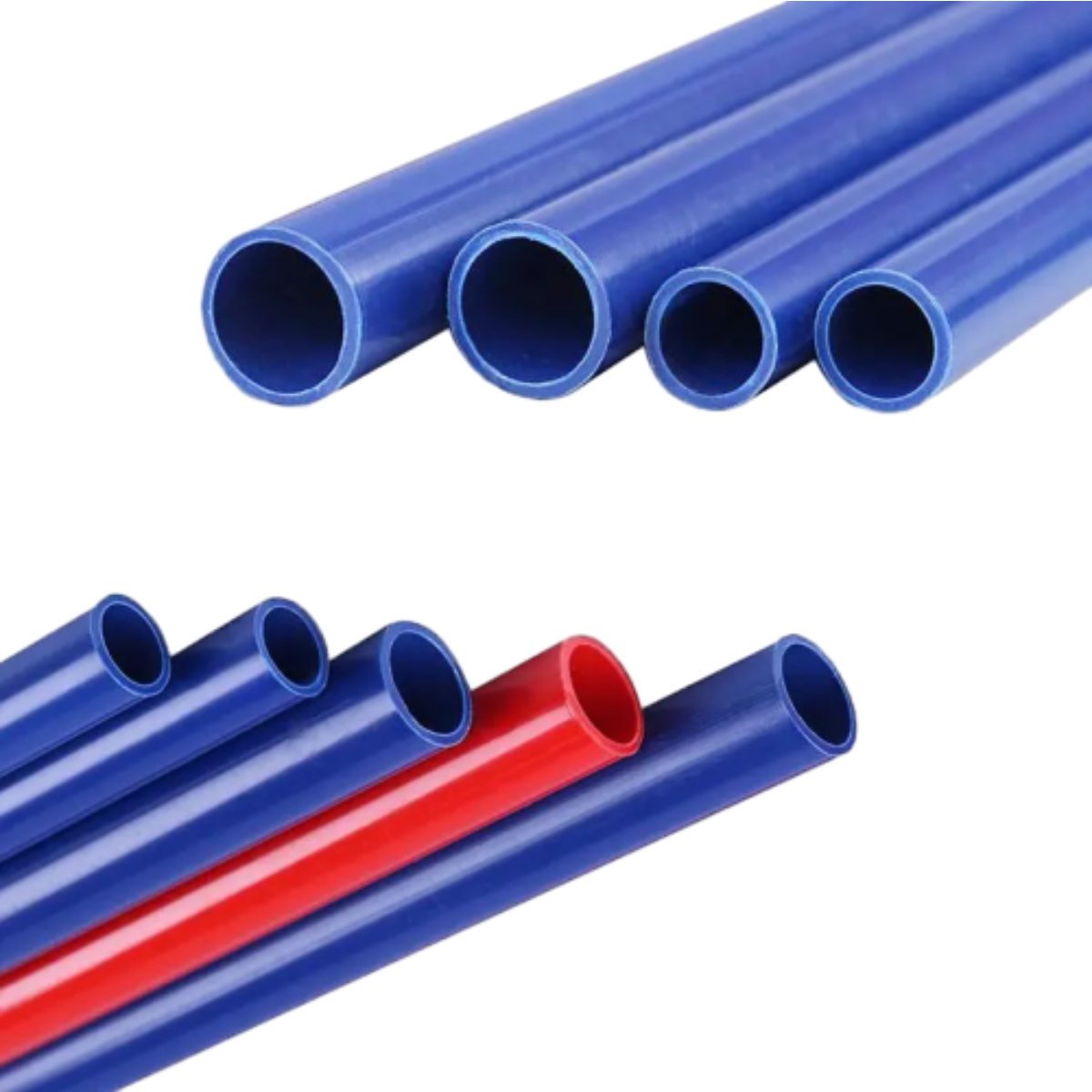
Polyvinyl Chloride (PVC) pipe, specifically 24-inch diameter nominal pipe, represents a foundational component in numerous infrastructure projects spanning water distribution, irrigation, drainage, and industrial applications. This technical guide provides an in-depth examination of 24-inch PVC pipe, encompassing its material science, manufacturing processes, performance characteristics, failure modes, and relevant industry standards. The escalating demand for cost-effective, corrosion-resistant piping solutions has positioned PVC as a dominant material, increasingly favored over traditional metallic alternatives. However, achieving optimal performance and longevity necessitates a thorough understanding of the material’s properties and application limitations. This guide aims to deliver precisely that, offering a comprehensive resource for engineers, procurement managers, and technicians involved in the selection, installation, and maintenance of large-diameter PVC piping systems. The focus here is on understanding the implications of ‘discount’ pricing – often reflecting variations in resin grade, manufacturing tolerances, and quality control – and their potential impact on long-term performance and life-cycle costs.
Material Science & Manufacturing
The core material of 24-inch PVC pipe is a thermoplastic polymer derived from vinyl chloride monomer (VCM). The primary raw material, ethylene dichloride (EDC), is produced by the direct chlorination of ethylene. EDC is then cracked to produce VCM, which undergoes polymerization to form PVC resin. For large-diameter pipe applications, PVC compounds typically incorporate additives such as stabilizers (to prevent degradation from heat and UV exposure – commonly calcium-zinc or lead-based stabilizers, with the latter facing increasing regulatory scrutiny), lubricants (to facilitate processing), impact modifiers (to enhance toughness, often chlorinated polyethylene - CPE), and processing aids. The specific formulation dictates the final pipe properties. Manufacturing typically involves extrusion. PVC resin and additives are fed into a twin-screw extruder, where they are heated, mixed, and forced through a die to form a continuous pipe. Critical parameters during extrusion include barrel temperature profiles (typically ranging from 160°C to 200°C), screw speed, die pressure, and cooling rates. Precise control of these parameters is paramount to ensure dimensional accuracy, consistent wall thickness, and optimal material properties. Post-extrusion, pipes are typically marked with identification information, tested for hydrostatic pressure, and cut to specified lengths. The quality of the PVC resin significantly impacts long-term performance, with Type I Grade 1 PVC offering the highest impact resistance and cell classification.
Performance & Engineering
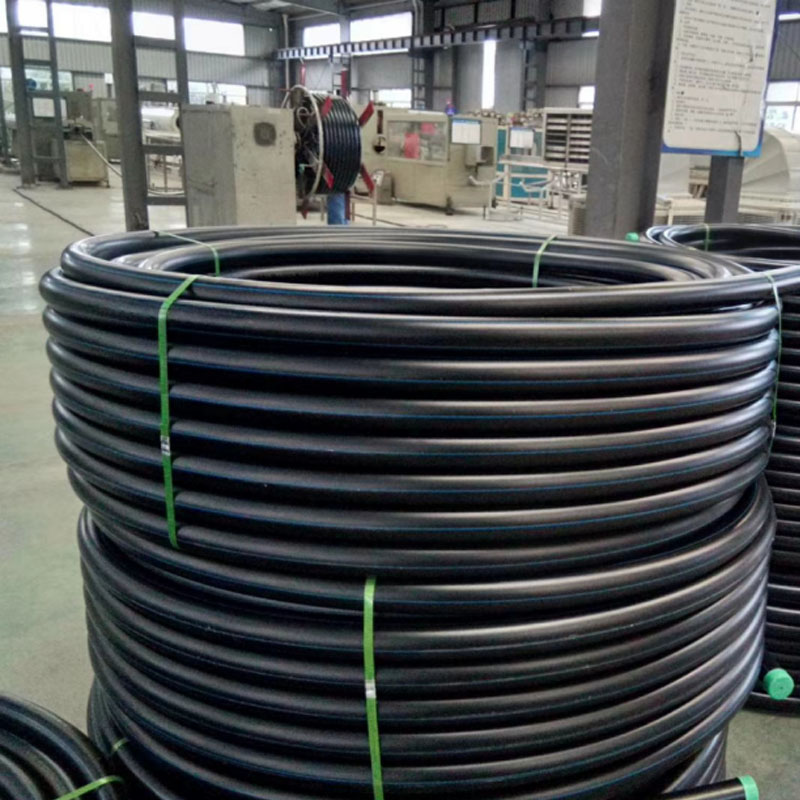
The structural integrity of 24-inch PVC pipe is governed by several key engineering principles. Hoop stress, induced by internal pressure, is a critical design consideration. The pipe wall thickness is calculated based on the maximum operating pressure, safety factors, and the material’s tensile strength. PVC’s relatively low modulus of elasticity compared to steel necessitates larger wall thicknesses to achieve equivalent stiffness and resistance to deformation. Long-term creep, the gradual deformation under sustained load, is another critical factor, especially in buried applications. Soil loading, traffic loads, and hydrostatic pressure contribute to the overall stress on the pipe. Environmental resistance is also crucial. PVC exhibits excellent resistance to many chemicals, but prolonged exposure to certain solvents and hydrocarbons can cause swelling and degradation. UV exposure can lead to embrittlement, necessitating the use of UV stabilizers or protective coatings. Installation methods significantly affect performance. Proper bedding and backfill compaction are essential to distribute loads evenly and prevent stress concentrations. Joints, typically bell-and-spigot or solvent-welded, are potential weak points and must be installed correctly to maintain pressure integrity. Finite Element Analysis (FEA) is commonly employed to model stress distributions and optimize pipe design for specific applications. Corrosion analysis, while less critical than with metallic pipes, is still important to assess potential degradation in aggressive soil environments.
Technical Specifications
| Parameter | Units | Typical Value (Schedule 40) | Typical Value (Schedule 80) |
|---|---|---|---|
| Nominal Pipe Size | inches | 24 | 24 |
| Outside Diameter | inches | 24.625 | 25.250 |
| Wall Thickness | inches | 0.375 | 0.555 |
| Pressure Rating | psi | 280 | 460 |
| Tensile Strength | psi | 6,750 | 6,750 |
| Flexural Modulus | psi | 420,000 | 420,000 |
| Impact Resistance (Izod Notched) | ft-lb/in | 10 | 12 |
Failure Mode & Maintenance
Common failure modes in 24-inch PVC pipe include: 1) Cracking: Stress cracking can occur due to excessive stress concentrations, particularly around fittings or at locations with poor bedding support. Chemical attack by certain substances can also induce cracking. 2) Joint Failure: Improper solvent welding or inadequate rubber gasket seating can lead to leakage. 3) Degradation: Prolonged exposure to UV radiation can cause surface cracking and embrittlement. Thermal degradation can occur at elevated temperatures. 4) Deformation: Creep, especially under sustained load and high temperatures, can lead to ovalization and reduced pressure capacity. 5) Pipe Burst: Overpressure events or surge pressures can exceed the pipe’s pressure rating, resulting in catastrophic failure. Maintenance primarily involves regular inspections for visual defects, such as cracks, leaks, and deformation. Pressure testing can identify leaks and assess the overall integrity of the system. For minor cracks, repair sleeves can be used. Significant damage typically requires pipe replacement. Preventative maintenance includes ensuring proper bedding and backfill, protecting the pipe from UV exposure, and controlling water hammer through surge protection devices. Regular cleaning to remove sediment buildup is also recommended to maintain flow capacity and prevent corrosion.
Industry FAQ
Q: What is the impact of using a lower-cost PVC resin on the long-term durability of a 24-inch pipe?
A: Utilizing lower-cost PVC resins often translates to a reduction in impact modifiers, UV stabilizers, and overall material quality. This directly impacts long-term durability, potentially leading to increased susceptibility to cracking, embrittlement, and premature failure, especially in demanding environments. While initial cost savings may be realized, life-cycle costs – including repair and replacement – will likely be higher.
Q: How does soil corrosivity affect the lifespan of buried 24-inch PVC pipe?
A: While PVC is inherently corrosion-resistant, highly corrosive soils – those with high sulfate content or acidic pH – can gradually degrade the material. This degradation can lead to wall thinning and eventual failure. Proper corrosion protection, such as applying a protective coating or utilizing a chemically resistant bedding material, is crucial in such environments.
Q: What are the key considerations for selecting the appropriate pressure rating (Schedule 40 vs. Schedule 80) for a specific application?
A: Pressure rating selection depends on the maximum operating pressure and anticipated surge pressures. Schedule 80 offers a higher pressure rating and greater wall thickness, providing increased resistance to deformation and failure. However, it also comes with a higher cost. A thorough hydraulic analysis is essential to determine the required pressure rating, considering safety factors and potential transient events.
Q: What are best practices for solvent welding 24-inch PVC pipe to ensure a leak-proof joint?
A: Proper solvent welding requires clean, dry surfaces, the use of the correct primer and cement (compatible with the PVC formulation), and adequate ventilation. Surfaces must be abraded to create a mechanical key for the cement. Cement should be applied uniformly and quickly to prevent solvent evaporation. Sufficient curing time is essential before pressurizing the system.
Q: How does temperature affect the performance and allowable working pressure of a 24-inch PVC pipe?
A: PVC’s mechanical properties are temperature-dependent. Elevated temperatures reduce the material’s tensile strength and increase creep. This translates to a decrease in the allowable working pressure. Design calculations must account for the maximum operating temperature to ensure the pipe’s structural integrity. Derating factors are often applied to pressure ratings at higher temperatures.
Conclusion
The selection and implementation of 24-inch diameter PVC pipe demands a holistic understanding of material science, manufacturing nuances, and engineering principles. While PVC offers compelling advantages in terms of cost, corrosion resistance, and ease of installation, its long-term performance is contingent on proper material selection, meticulous installation practices, and diligent maintenance. The impact of “discount” pricing must be carefully evaluated, recognizing that compromised material quality can significantly diminish the system's overall lifespan and reliability.
Future advancements in PVC formulations, including the development of enhanced impact modifiers and UV stabilizers, promise to further improve the durability and performance of large-diameter PVC piping systems. Continued research into non-destructive testing methods and predictive modeling will enable more accurate assessment of pipe integrity and optimized maintenance schedules. Ultimately, a proactive and informed approach to PVC pipe management is essential to ensure the sustainable and cost-effective delivery of critical infrastructure services.
-
DN25 HDPE Compression Fitting-HORON INTERNATIONAL|Reliable Irrigation Solutions
NewsFeb.11,2026
-
discount 24 inch diameter pvc pipe price Performance Analysis
News2026-06-24
-
discount 4 hdpe drain pipe Performance Analysis
News2026-06-24
-
discount 12 hdpe pipe Performance Analysis
News2026-06-24
-
discount hdpe reducing coupling Performance Analysis
News2026-06-24
-
discount hdpe corrugated sewer pipe Performance Engineering
News2026-06-24
-
discount pvc pipe cost per foot Material and Performance Analysis
News2026-06-23
-
discount double walled corrugated pipe Performance Analysis
News2026-06-23
-
discount hdpe sprinkler pipe price list Performance and Engineering
News2026-06-23
-
discount water pipe in kitchen Technical Analysis
News2026-06-23
-
discount hdpe to pvc pipe coupling Performance Engineering
News2026-06-23
-
discount 32 mm ppr pipe Performance Analysis
News2026-06-22
-
discount ppr pipe for hot water supply Performance Analysis
News2026-06-22
-
discount double walled drainage pipe Performance Analysis
News2026-06-22
-
discount black hdpe pipe Performance Analysis
News2026-06-22
-
discount dn25 ppr hot water pipes for kitchen Performance Analysis
News2026-06-22