

Feb . 11, 2026 00:01 Back to list
discount pvc pipe cost per foot Material and Performance Analysis
Introduction
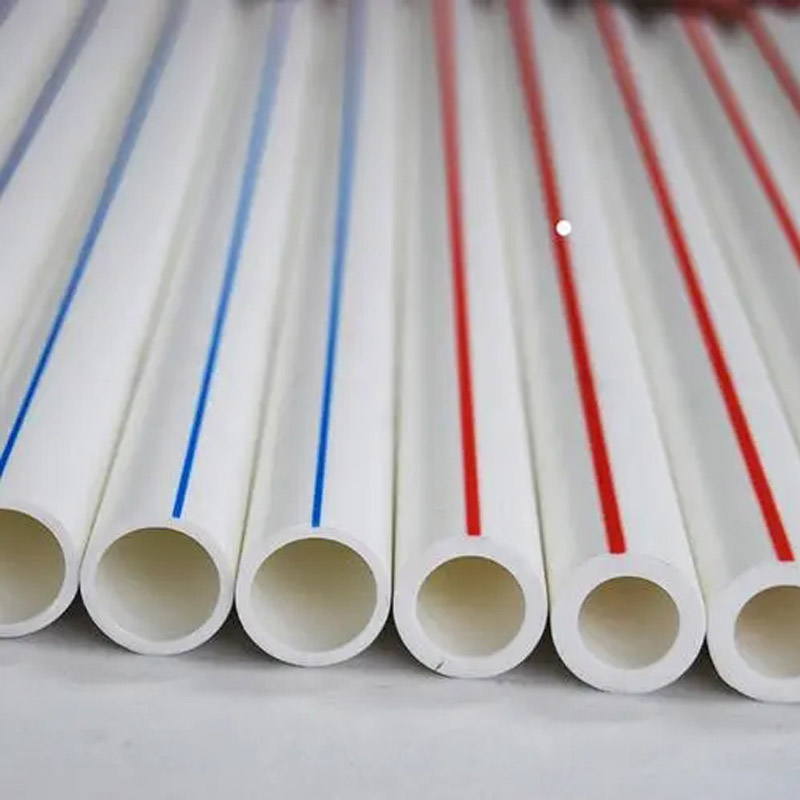
Polyvinyl chloride (PVC) pipe represents a ubiquitous material in modern infrastructure, encompassing applications ranging from potable water distribution and irrigation to drainage, waste, and vent (DWV) systems. The consideration of ‘discount PVC pipe cost per foot’ is a critical factor in project budgeting and feasibility, yet a focus solely on price without understanding the underlying material properties, manufacturing standards, and potential performance limitations can lead to long-term operational issues and increased life-cycle costs. This technical guide provides an in-depth examination of PVC pipe, encompassing its material science, manufacturing processes, performance characteristics, potential failure modes, and relevant industry standards. We will delve into the trade-offs associated with different PVC formulations and price points, providing the necessary information for informed procurement decisions. Understanding the interplay between cost, quality, and intended application is paramount when evaluating options within the PVC pipe market. The selection process isn’t merely about the lowest initial expenditure; it’s about maximizing the return on investment through durability, reliability, and adherence to safety regulations.
Material Science & Manufacturing
PVC is a thermoplastic polymer produced by the polymerization of vinyl chloride monomer (VCM). The resulting material exists in two primary forms: rigid PVC (RPVC) and flexible PVC (FPVC). For piping applications, RPVC is predominantly used due to its superior mechanical strength and dimensional stability. The material’s inherent properties – tensile strength (typically 55-75 MPa), flexural modulus (2.5-3.5 GPa), and impact resistance (dependent on formulation and temperature) – are dictated by the molecular weight and degree of polymerization. Additives, including stabilizers (typically calcium-zinc or lead-based, though lead is increasingly restricted due to environmental concerns), plasticizers (for FPVC), lubricants, and impact modifiers, are incorporated during the compounding process to tailor the material’s properties to specific applications.
Manufacturing processes for PVC pipe commonly involve extrusion. PVC compound is fed into a single-screw or twin-screw extruder, where it’s heated and plasticized. The molten PVC is then forced through a die, shaping it into the desired pipe diameter and wall thickness. Critical parameters during extrusion include barrel temperature profiles (typically 160-210°C), screw speed, die pressure, and cooling rate. Precise control of these parameters is essential to ensure consistent pipe dimensions, smooth surface finish, and optimal material properties. Post-extrusion, pipes are often subjected to hydrostatic testing to verify their pressure-bearing capacity and identify any defects. The cost of PVC pipe is intrinsically linked to the cost of VCM, additives, energy consumption during extrusion, and quality control measures. Lower-cost pipes often utilize less expensive stabilizers and lower-quality raw materials, potentially compromising long-term performance.
Performance & Engineering
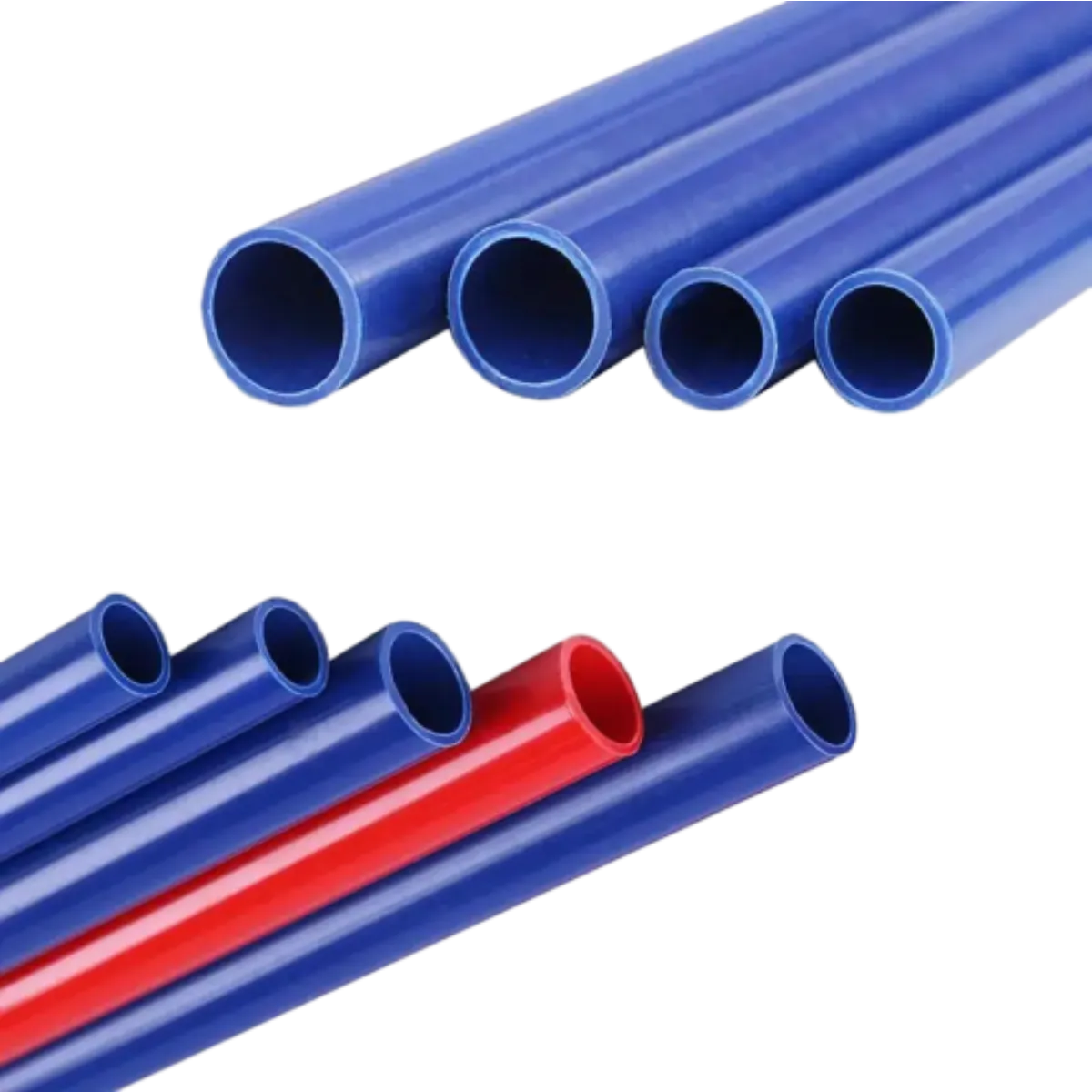
The performance of PVC pipe is governed by its ability to withstand internal pressure, external loads, and environmental stresses. Internal pressure resistance is a function of pipe diameter, wall thickness, and material strength, calculated using established formulas such as the Barlow’s formula. External loads, including soil load, traffic load, and impact forces, require consideration of the pipe’s stiffness and burial depth. PVC pipe’s relatively low modulus of elasticity necessitates proper bedding and backfill to prevent deformation and failure under external loads. Environmental resistance is another critical performance factor. PVC is susceptible to degradation from prolonged exposure to ultraviolet (UV) radiation, which can cause embrittlement and discoloration. Therefore, UV stabilizers are typically added to PVC compounds intended for outdoor applications. Temperature also influences PVC’s performance; elevated temperatures reduce its tensile strength and increase its susceptibility to creep. Chemical resistance is generally good, but prolonged exposure to certain solvents and aggressive chemicals can cause swelling and degradation. From an engineering standpoint, jointing methods are crucial. Solvent welding is a common technique, creating a fused joint that is as strong as the pipe itself, provided proper procedures are followed. Threaded connections and mechanical couplings offer alternative joining options, but their performance can be sensitive to installation quality.
Technical Specifications
| Parameter | Schedule 40 PVC | Schedule 80 PVC | CPVC (Chlorinated PVC) | ASTM D1785 Dimension Ratio |
|---|---|---|---|---|
| Material | Polyvinyl Chloride (PVC) | Polyvinyl Chloride (PVC) | Chlorinated Polyvinyl Chloride (CPVC) | DR (Dimension Ratio) - e/D |
| Pressure Rating (psi at 73°F) | 400 | 600 | 400 (at 150°F) | Common DR values: 32.7, 26, 21, 17.5 |
| Temperature Range (°F) | -40 to 140 | -40 to 140 | -40 to 200 | Impacts strength & pressure rating |
| Tensile Strength (MPa) | 55-65 | 60-75 | 65-80 | Higher DR = thicker wall |
| Flexural Modulus (GPa) | 2.8-3.2 | 3.0-3.5 | 3.2-3.8 | Determines pipe stiffness |
| Typical Applications | Irrigation, Cold Water | Pressure Systems, Industrial | Hot Water, Chemical Processing | Used in calculating wall thickness |
Failure Mode & Maintenance
PVC pipe is susceptible to several failure modes. Brittle Fracture can occur due to impact loads, particularly at low temperatures, especially in lower-grade formulations. Environmental Stress Cracking (ESC) results from the combined action of tensile stress and exposure to certain chemicals, leading to crack initiation and propagation. UV Degradation causes embrittlement and loss of impact resistance in exposed pipes. Hydrostatic Failure arises from exceeding the pipe’s pressure rating or the presence of defects. Joint Failure frequently stems from improper solvent welding techniques or the use of incompatible materials. Soil Settlement and improper bedding can lead to pipe deformation and cracking. Maintenance primarily involves visual inspection for cracks, leaks, and signs of degradation. Regular cleaning to remove debris and sediment can help prevent blockages. For repairs, solvent-welded patches or mechanical couplings can be used, ensuring compatibility with the existing pipe material. Preventive measures include proper installation, adequate bedding and backfill, UV protection (e.g., painting or burying pipes), and avoidance of contact with incompatible chemicals. In cases of significant degradation or recurring failures, complete pipe replacement may be necessary.
Industry FAQ
Q: What is the difference between Schedule 40 and Schedule 80 PVC pipe, and how does that impact cost per foot?
A: Schedule 80 PVC pipe has a thicker wall than Schedule 40, providing greater pressure-bearing capacity and impact resistance. This increased material usage directly translates to a higher cost per foot. Schedule 40 is generally suitable for lower-pressure applications like irrigation and cold water distribution, while Schedule 80 is preferred for higher-pressure systems and industrial applications where greater durability is required. The cost difference can range from 20% to 50% depending on the diameter of the pipe.
Q: How does the type of stabilizer used in PVC pipe affect its long-term performance and cost?
A: Stabilizers prevent PVC degradation during processing and service. Calcium-zinc stabilizers are considered more environmentally friendly and offer good long-term performance, but are typically more expensive than lead-based stabilizers. While lead stabilizers are effective and lower in cost, their use is increasingly restricted due to health and environmental concerns. Lower-cost PVC pipes may utilize cheaper stabilizers that offer limited protection against UV degradation and thermal instability, resulting in a shorter service life.
Q: What are the key considerations when solvent welding PVC pipe to ensure a reliable, leak-proof joint?
A: Proper solvent welding requires careful surface preparation, the use of compatible primer and cement, and adherence to recommended application procedures. Surfaces must be clean, dry, and free of contaminants. The primer softens the PVC surface, creating a chemical bond with the cement. Cement dissolves the PVC, fusing the joint together. Applying sufficient cement, avoiding excessive application, and allowing adequate curing time are critical. Incorrectly welded joints are a common source of leaks.
Q: How does temperature affect the performance of PVC pipe, and what precautions should be taken in extreme climates?
A: PVC becomes more brittle at low temperatures, increasing its susceptibility to impact fracture. Elevated temperatures reduce its tensile strength and can cause creep. In cold climates, burying pipes below the frost line is essential to prevent freezing and cracking. In hot climates, shading or insulating pipes can help mitigate thermal degradation. For applications involving hot fluids, CPVC pipe is recommended due to its higher temperature resistance.
Q: What certifications should I look for to ensure the PVC pipe meets industry standards for quality and safety?
A: Look for PVC pipe that is certified by reputable organizations such as NSF International (for potable water applications), ASTM International, and UL (Underwriters Laboratories). These certifications verify that the pipe meets specific standards for material quality, dimensional accuracy, pressure rating, and chemical resistance. A valid certification mark provides assurance of the product’s performance and safety.
Conclusion
The selection of PVC pipe, particularly when evaluating ‘discount PVC pipe cost per foot’, is a multifaceted decision demanding a thorough understanding of material science, manufacturing processes, and performance characteristics. Focusing solely on the lowest initial price can lead to premature failure, increased maintenance costs, and potential safety hazards. Choosing a pipe that is appropriately sized, properly rated for the intended application, and manufactured to recognized industry standards is crucial for long-term reliability and cost-effectiveness.
Ultimately, a comprehensive assessment that balances upfront cost with life-cycle performance is paramount. Considering factors such as the operating temperature, pressure requirements, soil conditions, and potential chemical exposure will ensure the selection of a PVC pipe system that provides a sustainable and reliable solution for years to come. Investing in quality materials and proper installation practices will invariably yield a superior return on investment compared to opting for the cheapest available option.
-
DN25 HDPE Compression Fitting-HORON INTERNATIONAL|Reliable Irrigation Solutions
NewsFeb.11,2026
-
discount 24 inch diameter pvc pipe price Performance Analysis
News2026-06-24
-
discount 4 hdpe drain pipe Performance Analysis
News2026-06-24
-
discount 12 hdpe pipe Performance Analysis
News2026-06-24
-
discount hdpe reducing coupling Performance Analysis
News2026-06-24
-
discount hdpe corrugated sewer pipe Performance Engineering
News2026-06-24
-
discount pvc pipe cost per foot Material and Performance Analysis
News2026-06-23
-
discount double walled corrugated pipe Performance Analysis
News2026-06-23
-
discount hdpe sprinkler pipe price list Performance and Engineering
News2026-06-23
-
discount water pipe in kitchen Technical Analysis
News2026-06-23
-
discount hdpe to pvc pipe coupling Performance Engineering
News2026-06-23
-
discount 32 mm ppr pipe Performance Analysis
News2026-06-22
-
discount ppr pipe for hot water supply Performance Analysis
News2026-06-22
-
discount double walled drainage pipe Performance Analysis
News2026-06-22
-
discount black hdpe pipe Performance Analysis
News2026-06-22
-
discount dn25 ppr hot water pipes for kitchen Performance Analysis
News2026-06-22