

Feb . 11, 2026 00:01 Back to list
discount 32 mm ppr pipe Performance Analysis
Introduction
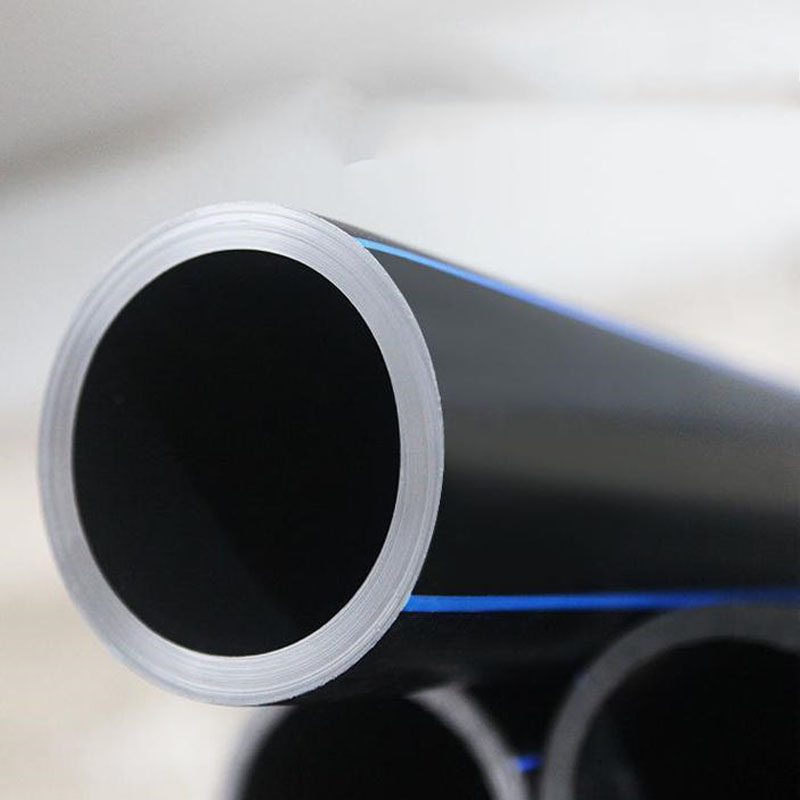
Polypropylene Random (PPR) pipe, specifically the 32mm diameter variant offered at a discounted rate, represents a significant material choice within fluid conveyance systems. Positioned primarily in the building and construction industry, and increasingly in industrial applications, PPR piping serves as a cost-effective alternative to traditional metallic piping solutions. Its core performance characteristics revolve around its chemical resistance, thermal stability, and hygienic properties, making it suitable for potable water, heating, and cooling systems. The “discount” aspect signifies a strategic market positioning focused on value engineering without substantial compromise to fundamental material integrity. This guide provides a comprehensive technical overview of 32mm PPR pipe, encompassing material science, manufacturing processes, performance parameters, potential failure modes, and relevant industry standards. A key pain point within the industry is ensuring long-term reliability and maintaining pressure ratings across varying temperatures and fluid compositions, issues this guide will address in detail.
Material Science & Manufacturing
32mm PPR pipe is manufactured from polypropylene random copolymer. This specific polymer grade exhibits enhanced flexibility and resistance to cracking compared to homopolymer polypropylene. The raw material, polypropylene, is a thermoplastic polymer produced via the polymerization of propylene monomer. Key physical properties include a density of approximately 0.90 – 0.91 g/cm³, a melting point ranging from 130-171°C depending on the specific copolymer ratio, and a tensile strength typically between 20-30 MPa. Chemical resistance is excellent against a broad range of acids, alkalis, and salts, though prolonged exposure to strong oxidizing agents should be avoided.
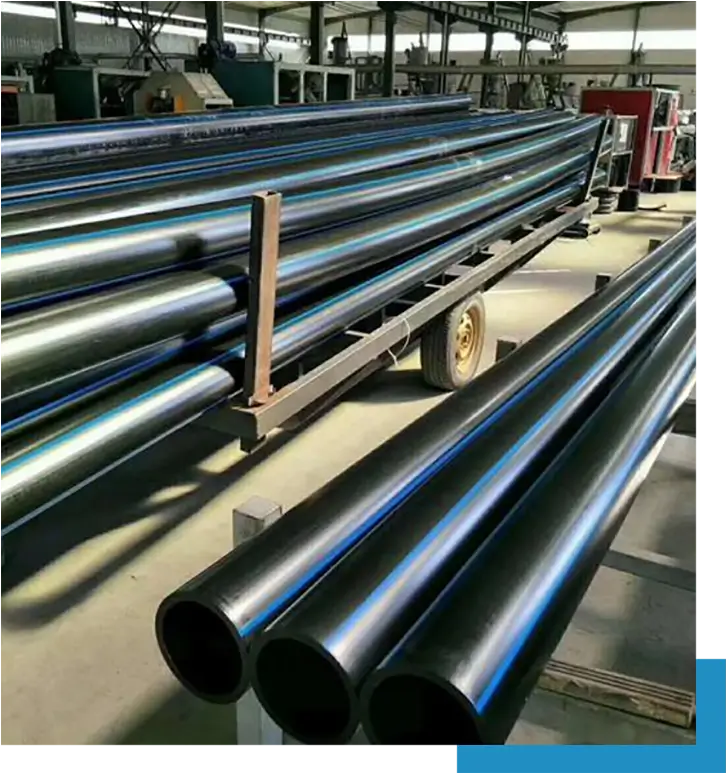
The manufacturing process predominantly employs extrusion. Polypropylene granules are fed into an extruder where they are heated and plasticized. The molten polymer is then forced through a circular die to form the pipe shape. Critical parameters include maintaining consistent extrusion temperature (typically between 190-230°C), die pressure, and cooling rates. Accurate control of these parameters dictates the pipe's dimensional accuracy, wall thickness uniformity, and overall mechanical integrity. Subsequent to extrusion, pipes undergo dimensional inspection, hydrostatic testing to verify pressure resistance, and marking with relevant certification and specification details. Socket fusion or electrofusion welding are common joining techniques, relying on controlled heating to create homogenous, leak-proof joints. The quality of the welding process significantly impacts the long-term performance of the piping system.
Performance & Engineering
The performance of 32mm PPR pipe is governed by several engineering principles. Hydrostatic strength, the ability to withstand internal fluid pressure, is a critical parameter. This is calculated using Barlow’s formula: S = (2 St t) / D, where S is the allowable stress, St is the tensile strength of the material, t is the wall thickness, and D is the outer diameter. The safety factor applied to the allowable stress dictates the maximum operating pressure. Temperature effects are significant; PPR’s mechanical properties degrade at elevated temperatures. Long-term hydrostatic strength reduces with increasing temperature, necessitating derating of the maximum operating pressure.
Coefficient of linear expansion is another crucial consideration. PPR expands and contracts with temperature fluctuations, requiring expansion loops and appropriate anchoring to prevent stress buildup and potential joint failure. Force analysis, particularly when considering pipe supports and hangers, must account for the weight of the pipe filled with fluid. Chemical compatibility is paramount; while PPR exhibits broad resistance, specific fluids may cause swelling or degradation over extended periods. Compliance requirements dictate adherence to relevant building codes and potable water standards (e.g., NSF/ANSI 61 for potable water systems). Proper installation practices, including correct welding procedures and appropriate pipe support spacing, are essential for achieving optimal performance and longevity.
Technical Specifications
| Parameter | Unit | Specification (Typical) | Testing Standard |
|---|---|---|---|
| Outer Diameter | mm | 32.0 ± 0.5 | ISO 15876 |
| Wall Thickness | mm | 2.0 - 4.0 (depending on pressure rating - SDR) | ISO 15876 |
| Pressure Rating (PN) | bar | PN16, PN20, PN25 (Common) | ISO 15876 |
| Hydrostatic Pressure Test | bar | 2.4x PN for 2 minutes | ISO 15876 |
| Tensile Strength | MPa | 20-30 | ISO 6259 |
| Elongation at Break | % | >200 | ISO 6259 |
Failure Mode & Maintenance
Several failure modes can affect 32mm PPR pipe in service. Fatigue cracking, induced by repeated pressure cycles and thermal expansion/contraction, is a common concern, particularly at joints. Delamination can occur due to inadequate welding procedures or material contamination during manufacturing. Creep, the slow deformation under sustained stress, can lead to dimensional changes and eventual failure, especially at elevated temperatures. Oxidation, though relatively slow in PPR, can embrittle the material over prolonged exposure to high temperatures and oxygen. Chemical attack from incompatible fluids can cause swelling, cracking, or dissolution.
Preventative maintenance includes regular visual inspections for leaks, cracks, or deformation. Pressure testing can identify weakening sections. Periodic flushing of the system removes sediment buildup. Welding joints should be inspected for proper fusion and absence of voids. Should failure occur, localized repairs involving cutting out the damaged section and replacing it with new pipe and properly welded joints are the standard approach. Complete system replacement may be necessary in cases of widespread degradation or corrosion. It's crucial to use only compatible welding equipment and materials (specifically designed for PPR) to avoid introducing further failure points. Maintaining records of installation dates, fluid composition, and maintenance activities aids in proactive failure prevention.
Industry FAQ
Q: What is the maximum operating temperature for 32mm PPR pipe, and how does temperature affect its pressure rating?
A: The maximum continuous operating temperature for standard 32mm PPR pipe is typically 70°C. However, short-term temperature spikes up to 95°C may be permissible. As temperature increases, the hydrostatic strength of the pipe decreases. A derating factor must be applied to the PN rating; for example, at 60°C, a PN20 pipe may operate at its full rating, while at 70°C, the allowable pressure may be reduced to 16 bar. Refer to the manufacturer's specifications for precise derating curves.
Q: How does the SDR (Standard Dimension Ratio) affect the pressure rating of PPR pipe?
A: The SDR is the ratio of the pipe's outer diameter to its wall thickness (D/t). A lower SDR indicates a thicker wall and, consequently, a higher pressure rating. Common SDR values for 32mm PPR pipe are SDR 11, SDR 17.6, and SDR 21. Pipes with lower SDR values (thicker walls) are suitable for higher pressure applications.
Q: What are the key considerations when selecting welding parameters for 32mm PPR pipe?
A: Precise temperature and time control are critical. The welding temperature must be within the manufacturer's recommended range (typically between 260-280°C). The heating time depends on the pipe diameter and wall thickness; insufficient heating results in incomplete fusion, while overheating can cause material degradation. Consistent pressure must be applied during the welding process to ensure proper bonding. Using a calibrated welding machine and following manufacturer’s instructions are vital.
Q: Is 32mm PPR pipe suitable for burial underground?
A: While PPR pipe can be buried, it requires proper bedding and backfill to prevent mechanical damage. It is crucial to protect the pipe from external loads and potential corrosion from soil contaminants. Sleeve protection may be necessary in areas with abrasive soil conditions. Local building codes and regulations should be consulted regarding burial depth and protection requirements.
Q: What is the long-term performance expectation for a properly installed 32mm PPR piping system?
A: With proper installation, material selection, and maintenance, a 32mm PPR piping system can have a service life exceeding 50 years. However, this is contingent on operating within specified temperature and pressure limits, avoiding exposure to incompatible chemicals, and performing regular inspections to identify and address potential issues proactively.
Conclusion
32mm PPR pipe, particularly in its discounted form, offers a compelling balance of cost-effectiveness and reliable performance for fluid conveyance applications. Its inherent chemical resistance, coupled with manageable installation procedures via socket or electrofusion welding, makes it a preferred alternative to metallic systems in numerous scenarios. Understanding the material's limitations, such as temperature sensitivity and susceptibility to creep, is crucial for ensuring long-term system integrity.
Ultimately, the success of a PPR piping installation hinges on adherence to established engineering principles, stringent quality control during manufacturing and welding, and a proactive approach to maintenance. Future developments may focus on enhancing PPR’s temperature resistance through copolymer modifications and incorporating advanced monitoring systems for early detection of potential failure modes, furthering its position as a durable and economical piping solution.
-
DN25 HDPE Compression Fitting-HORON INTERNATIONAL|Reliable Irrigation Solutions
NewsFeb.11,2026
-
discount 24 inch diameter pvc pipe price Performance Analysis
News2026-06-24
-
discount 4 hdpe drain pipe Performance Analysis
News2026-06-24
-
discount 12 hdpe pipe Performance Analysis
News2026-06-24
-
discount hdpe reducing coupling Performance Analysis
News2026-06-24
-
discount hdpe corrugated sewer pipe Performance Engineering
News2026-06-24
-
discount pvc pipe cost per foot Material and Performance Analysis
News2026-06-23
-
discount double walled corrugated pipe Performance Analysis
News2026-06-23
-
discount hdpe sprinkler pipe price list Performance and Engineering
News2026-06-23
-
discount water pipe in kitchen Technical Analysis
News2026-06-23
-
discount hdpe to pvc pipe coupling Performance Engineering
News2026-06-23
-
discount 32 mm ppr pipe Performance Analysis
News2026-06-22
-
discount ppr pipe for hot water supply Performance Analysis
News2026-06-22
-
discount double walled drainage pipe Performance Analysis
News2026-06-22
-
discount black hdpe pipe Performance Analysis
News2026-06-22
-
discount dn25 ppr hot water pipes for kitchen Performance Analysis
News2026-06-22