

Feb . 11, 2026 00:01 Back to list
discount 4 hdpe drain pipe Performance Analysis
Introduction
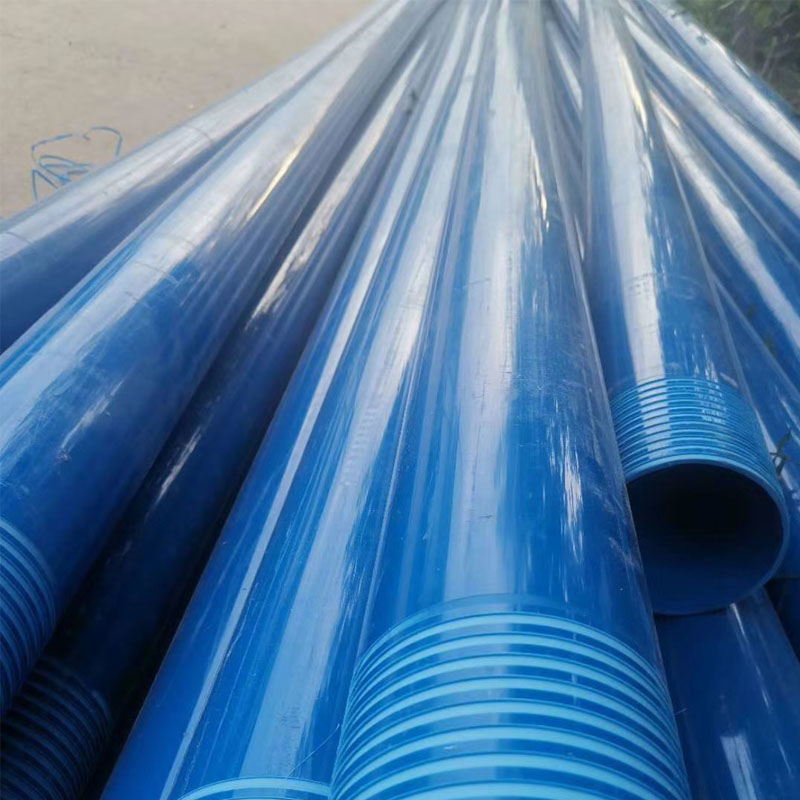
High-Density Polyethylene (HDPE) drain pipe, specifically Schedule 4, represents a critical component in modern subsurface drainage systems. Positioned within the construction and civil engineering industry chain, it serves as a durable and corrosion-resistant conduit for the conveyance of stormwater, wastewater, and industrial effluent. Discount 4 HDPE drain pipe offers a cost-effective alternative to traditional materials like concrete, PVC, and cast iron, without significantly compromising performance characteristics. Its core performance metrics revolve around maintaining flow capacity, resisting hydrostatic pressure, and ensuring long-term structural integrity in buried applications. This guide provides an in-depth technical overview of HDPE Schedule 4 drain pipe, covering material science, manufacturing processes, engineering considerations, failure modes, and relevant industry standards. The industry pain point this product addresses is the need for a lightweight, readily installable, and long-lasting drainage solution that minimizes life-cycle costs and environmental impact.
Material Science & Manufacturing
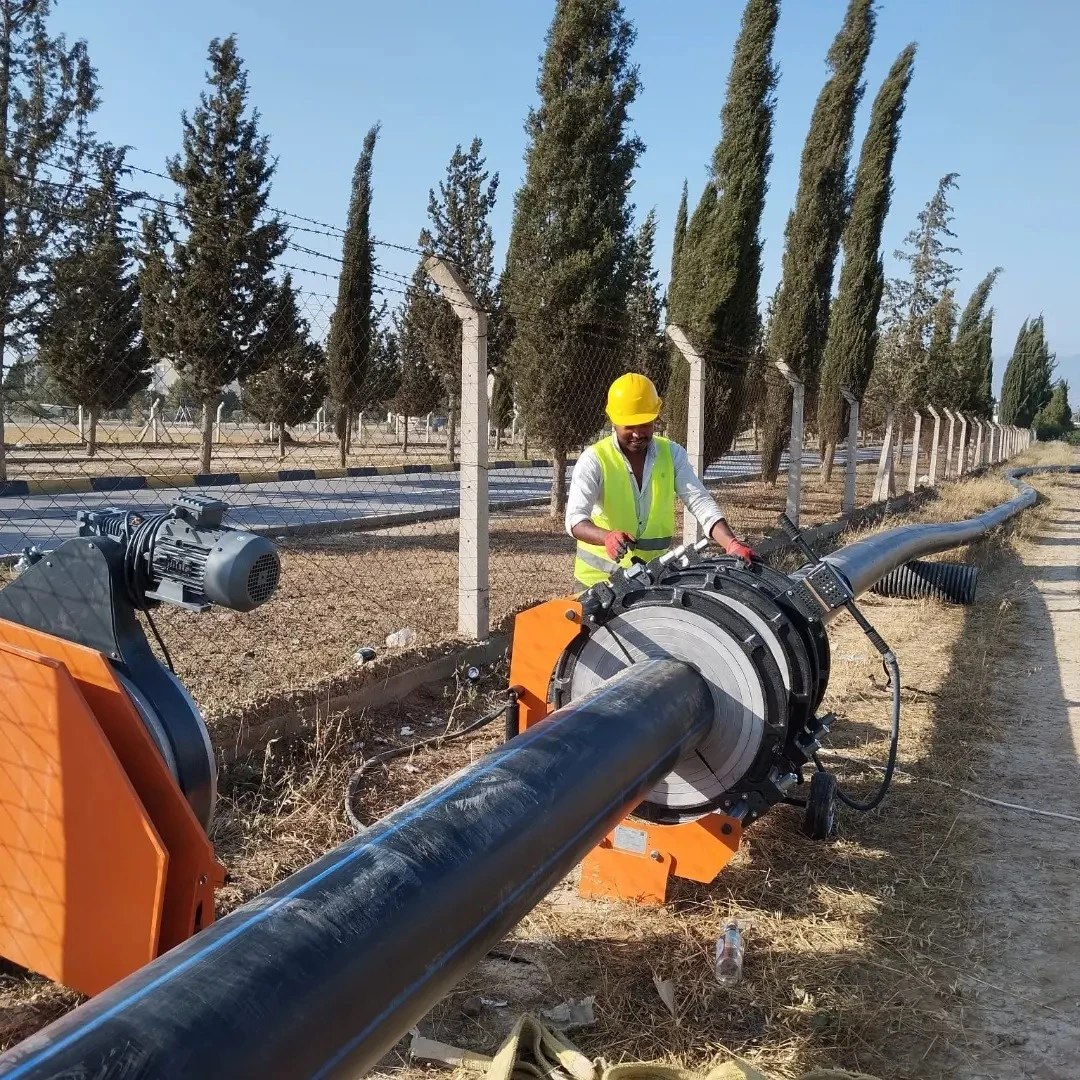
HDPE is a thermoplastic polymer derived from the polymerization of ethylene. Its key physical properties include a density ranging from 0.93 to 0.97 g/cm³, a tensile strength typically between 20-30 MPa, and a relatively high impact resistance even at low temperatures. The crystallinity of HDPE, typically between 60-80%, directly influences its rigidity and chemical resistance. For Schedule 4 drain pipe, the raw material is often compounded with carbon black for UV protection and improved long-term durability. The manufacturing process primarily involves extrusion. HDPE pellets are fed into an extruder, melted, and forced through a die to create a continuous pipe. Critical parameters during extrusion include melt temperature (typically 180-210°C), die pressure, and cooling rate. Precise control of these parameters is vital to ensure consistent wall thickness and dimensional accuracy. Post-extrusion, the pipe undergoes dimensional inspection and quality control checks. Jointing methods include butt fusion, socket fusion, and mechanical couplings, each demanding specific surface preparation and procedural adherence to ensure watertight seals. Chemical compatibility is high with most common soil constituents and drainage fluids, but prolonged exposure to strong oxidizing agents should be avoided.
Performance & Engineering
The performance of HDPE Schedule 4 drain pipe is heavily influenced by hydrostatic pressure, soil loading, and potential for creep. Hydrostatic pressure, stemming from the depth of burial and groundwater table, is calculated using formulas considering pipe diameter, burial depth, and soil unit weight. The pipe’s structural integrity is maintained through a combination of its inherent strength and the surrounding soil’s support. The Schedule 4 designation refers to the pipe wall thickness, which directly correlates to its pressure rating. Engineering calculations for load bearing capacity must consider the pipe's modulus of elasticity (approximately 700-1000 MPa) and the Poisson’s ratio (around 0.45). Long-term creep, the slow deformation under sustained stress, is a critical consideration, particularly in applications with high internal pressure or significant soil loads. Environmental resistance is a key advantage; HDPE is virtually immune to corrosion from most chemicals found in typical drainage applications. Compliance with local building codes and environmental regulations is paramount, often dictating minimum pipe stiffness requirements and allowable deflection limits. Detailed force analysis, including bending moments and shear stresses, is crucial for trenchless installation methods such as directional drilling.
Technical Specifications
| Nominal Pipe Size (inches) | Schedule Number | Outside Diameter (inches) | Wall Thickness (inches) | Pressure Rating (psi) @ 73°F | Stiffness (psi) |
|---|---|---|---|---|---|
| 4 | 4 | 4.500 | 0.175 | 730 | 33.2 |
| 6 | 4 | 6.625 | 0.218 | 535 | 38.5 |
| 8 | 4 | 8.625 | 0.250 | 420 | 42.0 |
| 10 | 4 | 10.750 | 0.280 | 320 | 46.5 |
| 12 | 4 | 12.750 | 0.315 | 240 | 51.0 |
| 15 | 4 | 15.750 | 0.375 | 175 | 56.0 |
Failure Mode & Maintenance
Common failure modes for HDPE Schedule 4 drain pipe include slow crack growth (SCG), particularly in areas of stress concentration or exposure to aggressive chemicals. SCG initiates from small defects and propagates slowly over time, eventually leading to complete failure. Another significant failure mode is fatigue cracking, resulting from cyclical loading caused by traffic or soil movement. Delamination can occur if the pipe material is improperly fused during jointing, creating a weak plane susceptible to failure. Oxidation, though slow, can degrade the HDPE material over extended periods, especially in applications exposed to UV radiation (though carbon black additives mitigate this). Long-term creep deformation can cause the pipe to ovalize or collapse, restricting flow capacity. Maintenance typically involves periodic visual inspection for signs of cracking, deformation, or joint separation. Minor cracks can sometimes be repaired using heat fusion welding, but complete replacements are often necessary for significant damage. Proper backfill compaction is critical to prevent excessive soil loading and minimize the risk of pipe deformation. Regular cleaning to remove debris and sediment buildup can maintain flow capacity and prevent blockages.
Industry FAQ
Q: What is the expected lifespan of a properly installed HDPE Schedule 4 drain pipe system?
A: A properly installed HDPE Schedule 4 drain pipe system can realistically be expected to have a lifespan exceeding 50 years, and potentially 100 years with proper maintenance and appropriate application. HDPE's inherent resistance to corrosion and degradation contributes significantly to this longevity.
Q: How does HDPE Schedule 4 compare to PVC in terms of long-term cost-effectiveness?
A: While PVC typically has a lower initial material cost, HDPE’s superior durability, resistance to cracking, and lower installation costs (due to lighter weight and fewer joints) often result in a lower life-cycle cost. PVC is also more susceptible to temperature-related deformation.
Q: What are the key considerations for selecting the appropriate jointing method for HDPE drain pipe?
A: Jointing method selection depends on pipe size, application, and installation conditions. Butt fusion provides the strongest and most reliable joint, suitable for larger diameters and critical applications. Socket fusion is suitable for smaller diameters, while mechanical couplings offer flexibility for repairs or connections to dissimilar materials.
Q: Can HDPE drain pipe be used in areas with high sulfate concentrations in the soil?
A: Yes, HDPE is highly resistant to sulfate attack, making it an excellent choice for soils with high sulfate concentrations. Unlike concrete pipes, HDPE will not be degraded by sulfate-induced corrosion.
Q: What is the impact of UV exposure on HDPE drain pipe, and how can it be mitigated?
A: Prolonged UV exposure can degrade HDPE, causing embrittlement and reducing its strength. However, the addition of carbon black during manufacturing provides excellent UV protection. When exposed during storage or installation, covering the pipe is recommended to minimize UV exposure.
Conclusion
HDPE Schedule 4 drain pipe represents a robust and cost-effective solution for a wide range of drainage applications. Its inherent material properties, combined with established manufacturing processes and adherence to rigorous engineering principles, ensure long-term performance and reliability. Understanding the nuances of material science, potential failure modes, and appropriate installation techniques is crucial for maximizing the lifespan and minimizing the risk of system failure.
The continued adoption of HDPE drain pipe is driven by its environmental benefits, reduced maintenance requirements, and overall cost-effectiveness compared to traditional materials. Future advancements may focus on further enhancing UV resistance, developing more sophisticated jointing techniques, and optimizing pipe designs for specific applications, solidifying its position as a leading material in subsurface drainage infrastructure.
-
DN25 HDPE Compression Fitting-HORON INTERNATIONAL|Reliable Irrigation Solutions
NewsFeb.11,2026
-
discount ppr for hot water Performance Analysis
News2026-06-25
-
discount bulk pvc pipe Material Performance
News2026-06-25
-
discount pvc pipes price list Material Science and Manufacturing
News2026-06-25
-
discount 20 ft pvc pipe Performance Analysis
News2026-06-25
-
discount ppr cold water pipe Performance Analysis
News2026-06-25
-
discount 24 inch diameter pvc pipe price Performance Analysis
News2026-06-24
-
discount 4 hdpe drain pipe Performance Analysis
News2026-06-24
-
discount 12 hdpe pipe Performance Analysis
News2026-06-24
-
discount hdpe reducing coupling Performance Analysis
News2026-06-24
-
discount hdpe corrugated sewer pipe Performance Engineering
News2026-06-24
-
discount pvc pipe cost per foot Material and Performance Analysis
News2026-06-23
-
discount double walled corrugated pipe Performance Analysis
News2026-06-23
-
discount hdpe sprinkler pipe price list Performance and Engineering
News2026-06-23
-
discount water pipe in kitchen Technical Analysis
News2026-06-23
-
discount hdpe to pvc pipe coupling Performance Engineering
News2026-06-23