

Feb . 11, 2026 00:01 Back to list
discount pvc pipes price list Material Science and Manufacturing
Introduction
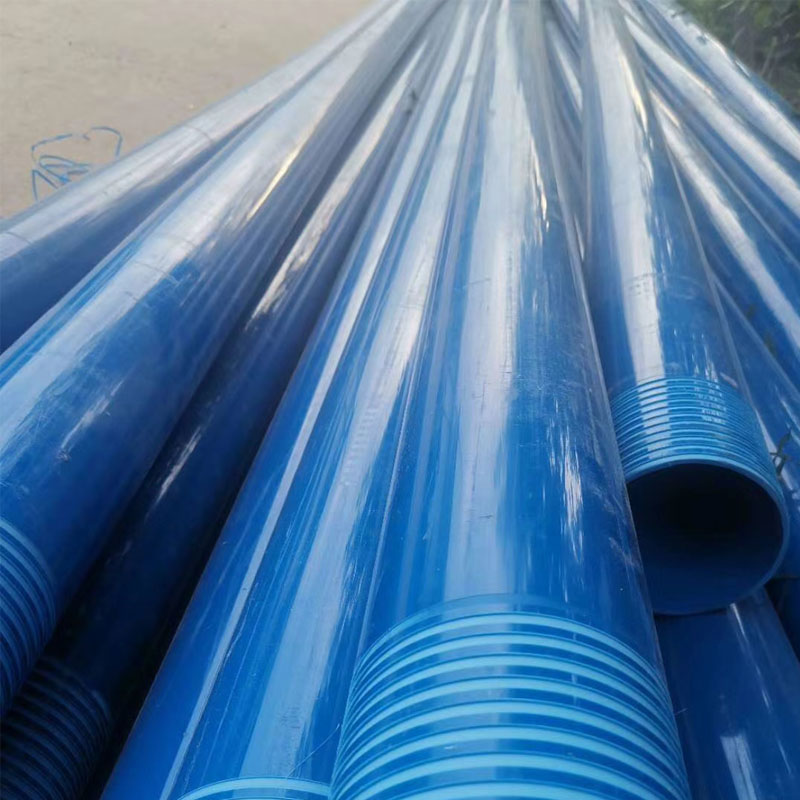
Polyvinyl Chloride (PVC) piping represents a fundamental component in modern fluid conveyance systems, encompassing applications in water distribution, irrigation, sewage, and industrial processing. This technical guide focuses on discount PVC pipes, evaluating their material science, manufacturing processes, performance characteristics, potential failure modes, and relevant industry standards. The demand for cost-effective piping solutions drives the “discount” segment, necessitating a rigorous understanding of trade-offs between price and long-term performance. PVC's popularity stems from its inherent corrosion resistance, lightweight nature, and relative ease of installation compared to metallic alternatives. However, variations in PVC formulations and manufacturing quality significantly impact the lifespan and reliability of these pipes. This document aims to provide a comprehensive technical overview for procurement managers, engineers, and maintenance personnel involved in the selection, installation, and operation of discount PVC piping systems. Core performance metrics center around pressure rating, tensile strength, impact resistance, and resistance to chemical degradation. Understanding these aspects is crucial for mitigating risks associated with leaks, bursts, and system failures, especially in demanding applications. This guide will cover Schedule 40 and Schedule 80 PVC, the most common wall thicknesses found in discount ranges.
Material Science & Manufacturing
PVC is a thermoplastic polymer created through the polymerization of vinyl chloride monomer (VCM). The resulting PVC resin is typically compounded with plasticizers, stabilizers, lubricants, and fillers to tailor its properties for specific applications. For piping, the primary PVC resin used is typically polyvinyl chloride homopolymer. Plasticizers, such as phthalates (increasingly replaced by alternatives due to health concerns – see standards section), are added to increase flexibility. Stabilizers, often based on tin or calcium-zinc compounds, prevent thermal degradation during processing and use. Lubricants facilitate extrusion, and fillers like calcium carbonate reduce cost and improve rigidity.
The manufacturing process predominantly involves extrusion. PVC compound is fed into a single or twin-screw extruder, where it is heated, melted, and forced through a die to create the desired pipe shape. Critical parameters during extrusion include barrel temperature profile, screw speed, and die pressure. Maintaining consistent temperature control is vital to prevent degradation and ensure uniform wall thickness. Following extrusion, pipes are typically cooled in a water bath, calibrated to maintain dimensional accuracy, and then cut to length. The quality of the PVC compound, precise temperature control during extrusion, and consistent calibration are key determinants of pipe quality and long-term performance. Variations in raw material quality, particularly the PVC resin and plasticizer content, directly impact the pipe’s resistance to UV degradation, embrittlement, and cracking. Manufacturing defects, such as voids or inconsistencies in wall thickness, can create stress concentration points, leading to premature failure.
Performance & Engineering
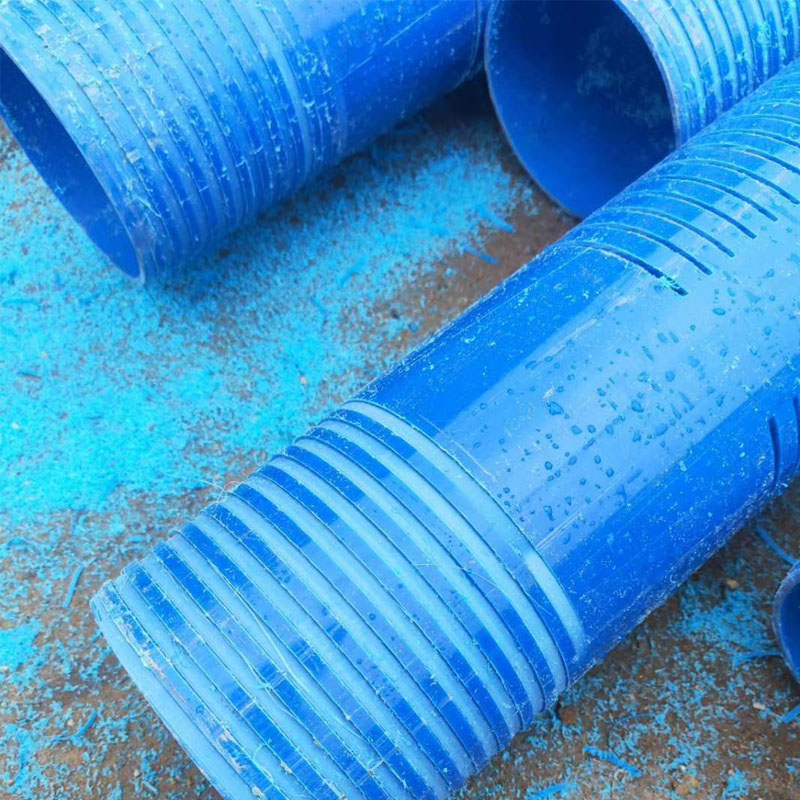
The performance of PVC pipes is governed by several key engineering principles. Hydrostatic pressure resistance is paramount, determined by the pipe's Schedule (40 or 80), diameter, and wall thickness. Schedule 80 pipes offer significantly higher pressure ratings than Schedule 40 due to their thicker walls. Tensile strength and yield strength dictate the pipe's ability to withstand external loads and stresses. Impact resistance, measured using standardized tests like the Izod impact test, indicates the pipe's susceptibility to cracking or fracture under sudden impact. Long-term hydrostatic strength (LTHS) is a critical parameter that considers the effect of sustained pressure and temperature on the pipe’s mechanical properties over time. PVC’s performance is also affected by temperature. Elevated temperatures reduce its strength and increase its susceptibility to creep.
Chemical resistance is a key advantage of PVC. It exhibits excellent resistance to most acids, alkalis, and salts. However, it is susceptible to attack by certain organic solvents and aromatic hydrocarbons. UV exposure can cause degradation, leading to embrittlement and discoloration. The addition of UV stabilizers mitigates this effect, but the level of protection varies depending on the stabilizer type and concentration. Soil conditions and burial depth also influence performance. Corrosive soils can accelerate degradation, and excessive stress from surrounding soil can lead to deformation or cracking. Proper bedding and backfilling procedures are essential to minimize these risks. Compliance requirements, such as NSF/ANSI 61 for potable water systems, dictate the acceptable levels of contaminants that can leach from the pipe material.
Technical Specifications
| Parameter | Schedule 40 (Typical) | Schedule 80 (Typical) | Testing Standard |
|---|---|---|---|
| Material | PVC (Polyvinyl Chloride) | PVC (Polyvinyl Chloride) | ASTM D1785 |
| Pressure Rating (psi at 73°F) | 400 | 600 | ASTM D1785 |
| Tensile Strength (psi) | 6,000 - 7,500 | 6,500 - 8,000 | ASTM D870 |
| Impact Strength (Izod Notched, ft-lb/in) | 0.5 - 1.0 | 1.0 - 1.5 | ASTM D256 |
| Long-Term Hydrostatic Strength (LTHS, %) @ 73°F | 80% | 85% | ASTM D1436 |
| Operating Temperature Range | -40°F to 140°F | -40°F to 140°F | ASTM D1785 |
Failure Mode & Maintenance
PVC pipe failures commonly stem from several mechanisms. Brittle Fracture occurs due to impact loads, particularly at lower temperatures, or due to pre-existing flaws in the material. Stress Cracking can occur from sustained tensile stresses combined with exposure to certain chemicals. Embrittlement results from UV degradation and/or loss of plasticizers, leading to reduced ductility. Joint Failures are frequent, often caused by improper solvent cementing techniques (insufficient solvent, inadequate curing time, contaminated surfaces) or incorrect fitting selection. Hydrostatic Burst can happen due to exceeding the pressure rating, or due to thinning of the pipe wall from long term creep or corrosion. Soil-Induced Cracking can result from excessive external loads or corrosive soil conditions.
Preventative maintenance includes visual inspections for cracks, discoloration, and leaks. Regular testing of water quality can detect signs of leaching. Proper bedding and backfilling procedures are critical to prevent soil-induced stress. For joint failures, re-cementing may be possible if the damage is minor. Significant cracks or bursts necessitate pipe replacement. When solvent cementing, ensure surfaces are clean, dry, and properly primed. Use the correct solvent cement for the PVC formulation and follow the manufacturer’s instructions carefully. Consider using mechanical couplings for critical applications where joint reliability is paramount. Protection from UV exposure via burial or protective coatings can extend pipe lifespan. Regular pressure testing can reveal subtle leaks before they escalate into major failures.
Industry FAQ
Q: What is the primary difference between Schedule 40 and Schedule 80 PVC in terms of cost versus performance?
A: Schedule 80 PVC is significantly more expensive than Schedule 40 due to its thicker wall and increased material usage. The performance benefit lies in its substantially higher pressure rating and improved impact resistance. Schedule 40 is suitable for lower-pressure applications like irrigation and drainage, while Schedule 80 is preferred for higher-pressure systems, industrial processes, and locations prone to mechanical damage.
Q: How does the plasticizer content affect the long-term durability of discount PVC pipes?
A: Lower plasticizer content generally leads to increased rigidity but reduced impact resistance, especially at lower temperatures. Over time, plasticizers can leach out of the PVC, causing it to become brittle and prone to cracking. Discount PVC pipes may utilize lower-grade plasticizers or reduced amounts to minimize cost, potentially accelerating this degradation process. This is why UV stabilization and appropriate burial depths are critical.
Q: What are the common indicators of improper solvent welding, and how can these be avoided?
A: Signs of improper solvent welding include visible gaps at the joint, a hazy or cloudy appearance, and a weak bond. These issues typically stem from insufficient solvent application, inadequate curing time, or contaminated surfaces. To avoid these problems, ensure surfaces are thoroughly cleaned and dried, use the correct solvent cement for the PVC type, apply the solvent liberally but evenly, and allow sufficient time for the solvent to evaporate and the joint to cure.
Q: What impact do different soil types have on the lifespan of buried PVC pipe?
A: Corrosive soils (high acidity, alkalinity, or salinity) can accelerate the degradation of PVC. Poorly compacted soils can lead to excessive stress on the pipe, increasing the risk of cracking. Rocky or abrasive soils can cause physical damage during installation and throughout the pipe’s service life. Proper bedding with a cushioning material (sand or fine gravel) is crucial to mitigate these risks.
Q: How important is UV stabilization in PVC pipe, and what are the limitations of UV protection?
A: UV stabilization is crucial for PVC pipe exposed to sunlight, as UV radiation causes chain scission and embrittlement. However, UV stabilizers have a finite lifespan and degrade over time. The level of protection varies depending on the stabilizer type, concentration, and exposure duration. Even with UV stabilizers, prolonged exposure will eventually lead to degradation. Burial or protective coatings are the most effective ways to extend the lifespan of PVC pipe in sunny environments.
Conclusion
Discount PVC piping presents a cost-effective solution for a wide range of fluid conveyance applications, but a thorough understanding of its material properties, manufacturing processes, and potential failure modes is essential for ensuring long-term reliability and minimizing risks. The trade-offs associated with reduced material quality or lower plasticizer content must be carefully considered, particularly in demanding environments or critical applications. Proper installation techniques, including correct solvent cementing procedures and appropriate bedding practices, are paramount to preventing joint failures and ensuring structural integrity.
Future developments in PVC technology will likely focus on enhancing UV resistance, improving impact strength, and utilizing more sustainable plasticizers. Continuous monitoring of industry standards and best practices is crucial for staying abreast of these advancements and optimizing the performance of discount PVC piping systems. A holistic approach encompassing material selection, proper installation, preventative maintenance, and adherence to relevant regulations is vital for maximizing the service life and cost-effectiveness of these versatile piping solutions.
-
DN25 HDPE Compression Fitting-HORON INTERNATIONAL|Reliable Irrigation Solutions
NewsFeb.11,2026
-
discount ppr for hot water Performance Analysis
News2026-06-25
-
discount bulk pvc pipe Material Performance
News2026-06-25
-
discount pvc pipes price list Material Science and Manufacturing
News2026-06-25
-
discount 20 ft pvc pipe Performance Analysis
News2026-06-25
-
discount ppr cold water pipe Performance Analysis
News2026-06-25
-
discount 24 inch diameter pvc pipe price Performance Analysis
News2026-06-24
-
discount 4 hdpe drain pipe Performance Analysis
News2026-06-24
-
discount 12 hdpe pipe Performance Analysis
News2026-06-24
-
discount hdpe reducing coupling Performance Analysis
News2026-06-24
-
discount hdpe corrugated sewer pipe Performance Engineering
News2026-06-24
-
discount pvc pipe cost per foot Material and Performance Analysis
News2026-06-23
-
discount double walled corrugated pipe Performance Analysis
News2026-06-23
-
discount hdpe sprinkler pipe price list Performance and Engineering
News2026-06-23
-
discount water pipe in kitchen Technical Analysis
News2026-06-23
-
discount hdpe to pvc pipe coupling Performance Engineering
News2026-06-23