

Feb . 11, 2026 00:01 Back to list
discount ppr for hot water Performance Analysis
Introduction
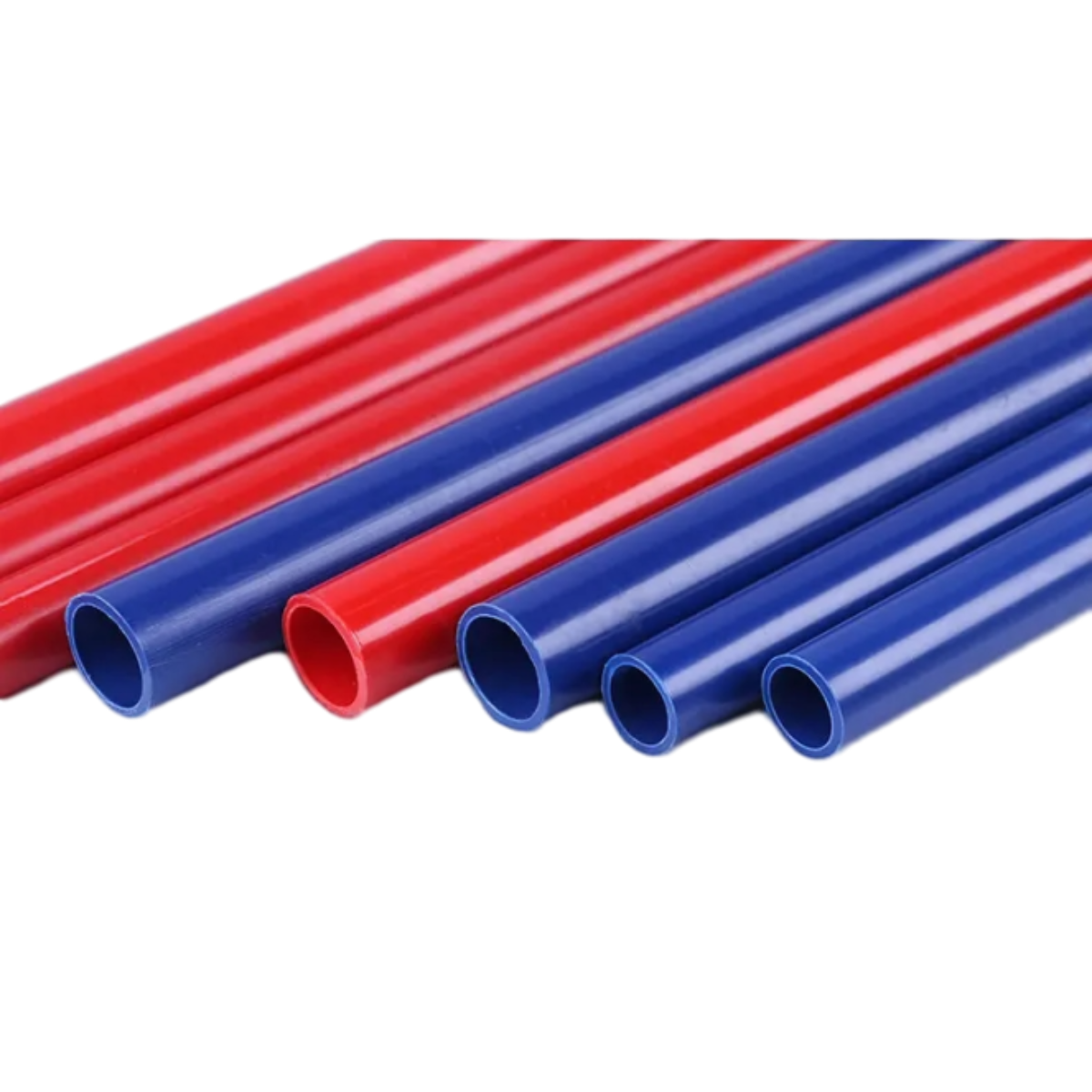
Polypropylene Random Copolymer (PPR) piping systems represent a significant advancement in hot and cold water distribution infrastructure. This guide provides a comprehensive technical overview of PPR pipes, specifically focusing on cost-effective (discount) options designed for hot water applications. PPR’s inherent properties—including high temperature resistance, chemical inertness, and low thermal conductivity—make it a preferred material in residential, commercial, and industrial plumbing. Its positioning within the industry chain resides between traditional metallic piping (copper, steel) and thermoplastic alternatives (PVC, PEX), offering a balance of cost, performance, and ease of installation. Core performance characteristics include maintaining consistent water temperature, resisting corrosion and scaling, and providing long-term durability under pressure and thermal stress. The key industry pain point addressed by PPR, particularly discount PPR, is achieving a balance between initial cost and long-term operational reliability, especially concerning the potential for material degradation at elevated temperatures.
Material Science & Manufacturing
PPR is produced via the random copolymerization of propylene with ethylene. The ethylene component introduces branching in the polymer chain, disrupting the crystallinity of polypropylene and lowering its melting point. Raw material properties are crucial. High-quality propylene monomers (>99.5% purity) are essential to avoid chain scission during polymerization and ensure consistent mechanical properties. The ethylene content typically ranges from 4-7%, influencing flexibility and impact resistance. Manufacturing primarily involves a gas-phase or slurry polymerization process. Following polymerization, the PPR resin is extruded and formed into pipes through processes like profile extrusion. Key parameters include extrusion temperature (typically 190-240°C), screw speed, and cooling rate. Maintaining a consistent extrusion temperature is vital to prevent thermal degradation of the polymer. The manufacturing process also includes socket fusion fitting production using similar extrusion and molding techniques. Chemical compatibility is paramount; stabilizers (typically antioxidants and UV stabilizers) are added to the resin to prevent oxidation and UV degradation during processing and service life. The molecular weight distribution (MWD) is also critically controlled, influencing processability and long-term creep resistance.
Performance & Engineering
The performance of PPR pipes in hot water systems is governed by several engineering principles. Hydrostatic pressure testing, performed according to standards like ISO 1167, verifies the pipe's ability to withstand internal pressure without failure. Thermal expansion is a significant consideration; PPR exhibits a coefficient of thermal expansion approximately 0.15 mm/m°C. This necessitates the incorporation of expansion loops or flexible connections in long pipe runs to prevent stress cracking at joints. Force analysis must account for water hammer effects, which generate transient pressure spikes that can exceed the pipe’s pressure rating. PPR’s resistance to chlorine and other water treatment chemicals is excellent, but prolonged exposure to highly concentrated oxidizing agents should be avoided. Compliance requirements mandate adherence to drinking water regulations (e.g., NSF/ANSI 61 in the US, DVGW in Germany) which regulate the leaching of potentially harmful substances into the water supply. The long-term hydrostatic strength (LTHS) is a critical parameter, determined through extrapolation of stress rupture data obtained from accelerated aging tests. Creep resistance—the tendency of the pipe to deform under sustained stress—is particularly important for hot water applications where temperatures and pressures are elevated.
Technical Specifications
| Parameter | Unit | Standard PPR (PN20) | Discount PPR (PN16) |
|---|---|---|---|
| Nominal Pressure (PN) | bar | 20 | 16 |
| Operating Temperature (Max.) | °C | 95 | 75 |
| Hydrostatic Pressure Test | bar | 30 | 24 |
| Long-Term Hydrostatic Strength (LTHS) | bar | 12.5 (at 73.2°C) | 8 (at 60°C) |
| Coefficient of Linear Expansion | mm/m°C | 0.15 | 0.15 |
| Oxygen Permeability (OTR) | cm³/m²·day·bar | <0.1 | <0.2 |
Failure Mode & Maintenance
Common failure modes in PPR piping include stress cracking, particularly at socket fusion joints, due to improper installation or excessive thermal stress. Creep rupture can occur over extended periods at elevated temperatures and pressures, especially in lower-grade (discount) PPR materials. Oxidation and UV degradation can embrittle the pipe material, reducing its impact resistance. Delamination can occur if the polymer matrix is compromised during manufacturing or through exposure to incompatible chemicals. Failure analysis often involves visual inspection for cracks, leak testing under pressure, and microscopic examination of fracture surfaces. Maintenance primarily focuses on preventative measures: ensuring proper installation techniques (correct heating times and pressures for socket fusion), avoiding excessive mechanical loads on the pipes, and insulating pipes exposed to direct sunlight. Periodically checking joints for leaks and visually inspecting the pipes for signs of damage are recommended. In cases of minor leaks at joints, re-fusion may be possible if sufficient material remains. For significant damage or extensive cracking, pipe replacement is necessary. The use of appropriate corrosion inhibitors in the water supply can also extend the lifespan of the piping system.
Industry FAQ
Q: What is the primary difference between PN20 and PN16 PPR, and how does this affect its suitability for hot water systems?
A: The primary difference lies in the pressure rating. PN20 pipes can withstand a higher internal pressure (20 bar) compared to PN16 (16 bar). This translates to a thicker pipe wall for PN20. For hot water systems, particularly those with higher pressures or temperature fluctuations, PN20 is generally preferred as it offers a greater margin of safety and longer service life. Discount PN16 PPR is suitable for lower-pressure applications and lower maximum operating temperatures.
Q: Can PPR pipes be used with any type of water treatment system, such as water softeners or reverse osmosis units?
A: PPR is generally compatible with most common water treatment systems. However, it's essential to verify the chemical compatibility of specific treatment chemicals with the PPR material. Highly concentrated oxidizing agents, such as chlorine bleach, should be avoided. Consult the PPR manufacturer's chemical resistance chart for specific guidance.
Q: What is the recommended procedure for socket fusion welding of PPR pipes, and what are the most common mistakes to avoid?
A: Proper socket fusion requires using a specialized heating tool with correctly sized dies for the pipe and fitting diameters. The pipe and fitting should be cleaned and deburred before heating. The pipe is inserted into the fitting to the correct depth, maintaining constant pressure during the cooling phase. Common mistakes include insufficient heating time, excessive heating time (leading to burning), improper alignment, and insufficient cooling. Always follow the manufacturer's instructions for heating times and temperatures.
Q: How does the temperature rating of PPR affect its long-term performance in hot water applications?
A: Exceeding the maximum operating temperature significantly reduces the long-term hydrostatic strength of PPR. Elevated temperatures accelerate creep deformation and oxidation, leading to premature failure. For discount PPR, which often uses lower-grade materials, adherence to the temperature limit is even more critical.
Q: What are the key factors to consider when selecting PPR fittings, and how do you ensure compatibility with the pipes?
A: Select fittings specifically designed for PPR piping systems. Ensure the fittings have the same pressure rating (PN) as the pipes. Fittings should be from a reputable manufacturer and comply with relevant standards. Verify that the fitting dimensions are compatible with the pipe outer diameter. Always use the correct heating tool and follow the recommended fusion welding procedure.
Conclusion
Discount PPR piping systems provide a cost-effective solution for hot and cold water distribution, offering advantages in corrosion resistance and ease of installation. However, understanding the technical limitations – particularly related to temperature and pressure ratings – is crucial. Selecting appropriately rated materials (PN16 vs. PN20), ensuring proper installation techniques (socket fusion), and adhering to operating temperature limits are paramount for long-term reliability. Discount PPR necessitates greater attention to detail during both selection and implementation to mitigate potential failure risks.
Ultimately, a comprehensive understanding of the material science, manufacturing processes, and engineering principles governing PPR performance is essential for procurement professionals and engineers. While cost optimization is a key consideration, compromising on essential quality parameters can lead to increased maintenance costs and potential system failures. Proper specification, installation, and maintenance practices will maximize the lifespan and performance of PPR piping systems, delivering long-term value and operational efficiency.
-
DN25 HDPE Compression Fitting-HORON INTERNATIONAL|Reliable Irrigation Solutions
NewsFeb.11,2026
-
discount ppr for hot water Performance Analysis
News2026-06-25
-
discount bulk pvc pipe Material Performance
News2026-06-25
-
discount pvc pipes price list Material Science and Manufacturing
News2026-06-25
-
discount 20 ft pvc pipe Performance Analysis
News2026-06-25
-
discount ppr cold water pipe Performance Analysis
News2026-06-25
-
discount 24 inch diameter pvc pipe price Performance Analysis
News2026-06-24
-
discount 4 hdpe drain pipe Performance Analysis
News2026-06-24
-
discount 12 hdpe pipe Performance Analysis
News2026-06-24
-
discount hdpe reducing coupling Performance Analysis
News2026-06-24
-
discount hdpe corrugated sewer pipe Performance Engineering
News2026-06-24
-
discount pvc pipe cost per foot Material and Performance Analysis
News2026-06-23
-
discount double walled corrugated pipe Performance Analysis
News2026-06-23
-
discount hdpe sprinkler pipe price list Performance and Engineering
News2026-06-23
-
discount water pipe in kitchen Technical Analysis
News2026-06-23
-
discount hdpe to pvc pipe coupling Performance Engineering
News2026-06-23