

Feb . 11, 2026 00:01 Back to list
discount hdpe reducing coupling Performance Analysis

Introduction
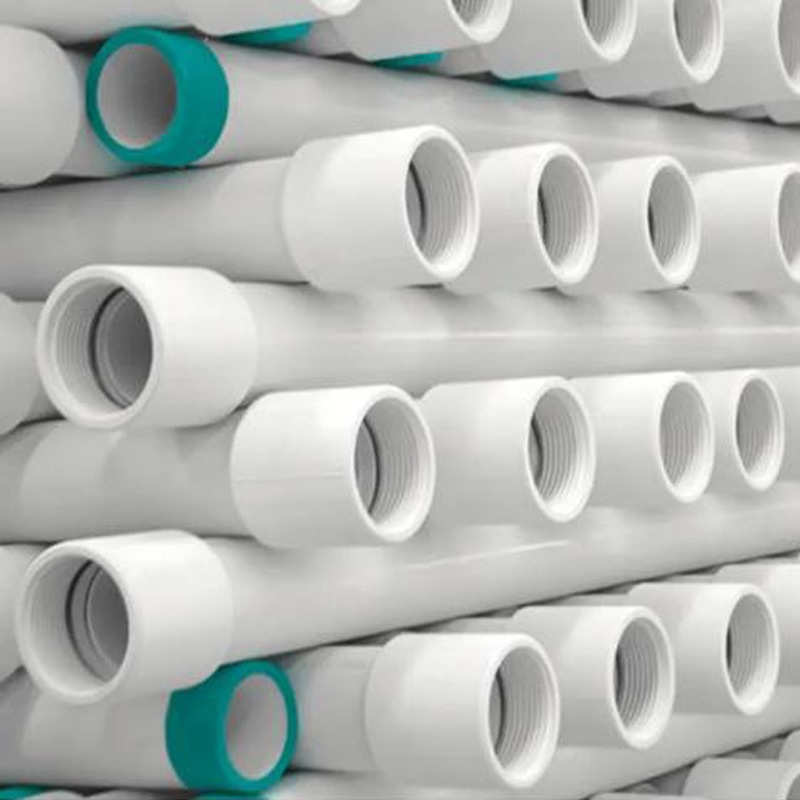
High-Density Polyethylene (HDPE) reducing couplings are critical components in thermoplastic piping systems, facilitating a change in pipe size within a fluid transport network. These couplings, frequently supplied as a ‘discount’ item denoting competitive pricing, connect pipes of differing outer diameters while maintaining a leak-proof seal. Their application spans a wide range of industries including municipal water distribution, irrigation, mining, and chemical processing. The primary function of an HDPE reducing coupling is to provide a secure and reliable transition between pipe sections, accommodating variations in flow requirements or existing infrastructure. Performance is predicated on the material properties of HDPE, the coupling’s design, and adherence to established joining protocols such as butt fusion, electrofusion, or mechanical fastening. Addressing industry pain points related to long-term reliability, pressure handling, and compatibility with transported media is paramount in selecting an appropriate reducing coupling. This guide provides a comprehensive technical overview of HDPE reducing couplings, covering material science, manufacturing processes, performance characteristics, potential failure modes, and relevant industry standards.
Material Science & Manufacturing
The core material for HDPE reducing couplings is, as the name suggests, High-Density Polyethylene. HDPE is a thermoplastic polymer created from the polymerization of ethylene. Its key properties include high tensile strength-to-density ratio, excellent chemical resistance, low moisture absorption, and good flexibility. Specific grades of HDPE used in coupling manufacture (e.g., HDPE 3408, HDPE 3608) are chosen based on their Molecular Weight Distribution (MWD) and Melt Flow Index (MFI). A higher MFI indicates easier processing but potentially lower impact strength. Raw HDPE resin is often compounded with additives such as carbon black for UV resistance, stabilizers to prevent thermal degradation, and antioxidants to extend service life.
Manufacturing typically involves injection molding. The HDPE resin, pre-mixed with additives, is heated and injected into a closed mold cavity replicating the coupling’s internal and external geometry. Critical parameters during injection molding include melt temperature (typically 180-220°C), mold temperature (30-50°C), injection pressure (60-100 MPa), and cooling time. Precise control of these parameters is vital to minimize residual stresses, warpage, and sink marks. Post-molding operations often include flash removal and dimensional inspection. For electrofusion couplings, a resistive heating element is embedded within the coupling body during the molding process. The quality of the fusion weld is heavily dependent on the integrity of this element and consistent electrical conductivity. Butt fusion couplings are typically manufactured to exacting dimensional tolerances to ensure proper alignment and a uniform weld surface. The internal geometry (taper angle, land width) significantly influences weld strength and leakage potential. Quality control involves hydrostatic pressure testing to verify the coupling’s ability to withstand operational pressures and dimensional checks using calibrated gauges.
Performance & Engineering
The performance of an HDPE reducing coupling is governed by several engineering principles. Firstly, pressure containment requires the coupling to withstand internal hydraulic pressure without deformation or failure. The maximum allowable pressure is determined by the coupling’s dimensions (wall thickness, diameter) and the HDPE material’s tensile strength and elongation at yield. Force analysis involves calculating hoop stress (σ = PD/2t, where P is pressure, D is diameter, and t is wall thickness) and longitudinal stress. Secondly, environmental resistance is crucial. UV exposure can cause HDPE to degrade, leading to embrittlement and cracking. Carbon black additives mitigate this effect, but long-term exposure requires protective measures. Chemical compatibility is also vital; HDPE exhibits good resistance to many acids and bases, but can be attacked by strong oxidizing agents and some solvents. Thirdly, the joining method (butt fusion, electrofusion, mechanical) dictates the strength and integrity of the connection. Butt fusion creates a homogenous weld, theoretically as strong as the base material, provided proper welding parameters are used (temperature, pressure, cooling time). Electrofusion relies on the controlled melting of the coupling and pipe using an electrical current. The weld strength is dependent on the energy input and the interfacial contact between the coupling and pipe. Mechanical fittings rely on compression seals and are susceptible to creep and leakage over time. Compliance requirements, particularly for potable water applications, mandate the use of materials certified to NSF/ANSI 61 standards, ensuring the absence of harmful leachates. The long-term performance is also affected by thermal expansion and contraction of the HDPE pipe, which needs to be accounted for in the system design.
Technical Specifications
| Parameter | Unit | Typical Value (DN 63 x DN 50 Coupling) | Test Standard |
|---|---|---|---|
| Nominal Diameter (Large End) | mm | 63 | ISO 14236 |
| Nominal Diameter (Small End) | mm | 50 | ISO 14236 |
| Material | - | HDPE 3408 | ASTM D3350 |
| Pressure Rating (PN) | bar | 16 | ISO 14236 |
| Operating Temperature | °C | -20 to 60 | ASTM D3350 |
| Wall Thickness (Average) | mm | 3.5 | ASTM D3350 |
Failure Mode & Maintenance
HDPE reducing couplings, while durable, are susceptible to several failure modes. Fatigue cracking can occur under cyclical loading, particularly at stress concentrations around the weld area or at the transition between the coupling body and the pipe. This is exacerbated by UV exposure and temperature fluctuations. Delamination can occur in electrofusion welds if insufficient heat is applied or if contaminants are present at the interface. Chemical attack by aggressive media can cause gradual degradation of the HDPE material, leading to embrittlement and cracking. Oxidation, particularly at elevated temperatures, can also contribute to material degradation. Creep, a time-dependent deformation under constant load, is a concern with mechanical fittings, leading to loosening of the connection and potential leakage. A common failure mode involves weld defects – porosity, incomplete fusion, or weld misalignment – resulting in reduced strength and increased leakage risk.
Preventive maintenance involves regular visual inspections for cracks, deformations, or signs of chemical attack. Hydrostatic pressure testing should be conducted periodically to verify the integrity of the piping system. For electrofusion welds, it is critical to verify the weld parameters (voltage, current, time) are within the manufacturer’s specifications. Any signs of leakage or degradation require immediate repair. Repair options include replacing the coupling or, in some cases, patching the damaged area with a compatible HDPE material. Proper installation, adhering to the manufacturer’s instructions and relevant industry standards, is the most effective means of preventing failures. Protection from UV exposure, particularly in outdoor applications, is also essential. Regular cleaning to remove contaminants and debris can also help extend the service life of the coupling. Records of inspections, repairs, and maintenance activities should be maintained for traceability and historical analysis.
Industry FAQ
Q: What is the impact of varying pipe wall thicknesses on the integrity of a butt-fused joint using an HDPE reducing coupling?
A: Significant differences in pipe wall thickness can induce stress concentrations during butt fusion. Thinner pipe sections are more prone to deformation under pressure, potentially leading to premature failure at the weld. Proper alignment and meticulous control of welding parameters (temperature, pressure, cooling time) are crucial to minimize these stresses. It is generally recommended to match pipe wall thicknesses as closely as possible; substantial discrepancies may necessitate a design review and potentially the use of reinforcing sleeves.
Q: Can HDPE reducing couplings be used with dissimilar materials, such as PVC or metal pipes?
A: No, HDPE reducing couplings are specifically designed for joining HDPE pipes. Direct connection to dissimilar materials like PVC or metal is not recommended due to differences in thermal expansion coefficients, material compatibility, and the potential for galvanic corrosion. Transition adapters designed for connecting HDPE to other materials are required to accommodate these differences and prevent premature failure.
Q: What is the effect of improper electrofusion welding parameters on the long-term performance of the coupling?
A: Improper electrofusion parameters (undervoltage, insufficient welding time) can result in incomplete fusion, leaving voids and weak spots in the weld. This dramatically reduces the joint’s strength and increases the risk of leakage. Conversely, overvoltage or excessive welding time can lead to material degradation and localized overheating, also compromising weld integrity. Strict adherence to the coupling manufacturer’s recommended welding parameters and the use of calibrated welding equipment are essential.
Q: How does the chemical composition of the transported fluid affect the suitability of an HDPE reducing coupling?
A: HDPE exhibits good resistance to many chemicals, but certain substances can cause degradation. Strong oxidizing agents (e.g., concentrated nitric acid) can attack HDPE, leading to cracking and embrittlement. Some solvents can also cause swelling and weakening of the material. A thorough chemical compatibility assessment must be conducted before selecting an HDPE coupling to ensure it is suitable for the intended application.
Q: What are the key considerations when selecting an HDPE reducing coupling for underground applications?
A: Underground applications introduce additional challenges, including soil loading, potential for differential settlement, and exposure to groundwater. The coupling must be capable of withstanding external loads without deformation or cracking. Proper bedding and backfill procedures are critical to ensure uniform support and prevent stress concentrations. Corrosion protection may be necessary in aggressive soil environments. Furthermore, the coupling must be traceable and identifiable for future maintenance and repair.
Conclusion
HDPE reducing couplings represent a crucial component in modern piping systems, offering a reliable and cost-effective solution for connecting pipes of varying diameters. Their performance is inextricably linked to the material properties of HDPE, the precision of manufacturing processes, and adherence to established joining protocols. Understanding the potential failure modes – fatigue cracking, delamination, chemical attack, and creep – is essential for ensuring long-term operational integrity.
By prioritizing proper installation, regular inspection, and proactive maintenance, end-users can maximize the service life of HDPE reducing couplings and minimize the risk of costly failures. Continued advancements in HDPE material science and welding technologies are driving improvements in coupling performance and expanding their applicability across a wider range of demanding industrial environments. Selecting the appropriate coupling based on a thorough evaluation of operating conditions and regulatory requirements remains paramount for achieving a safe and reliable fluid transport system.
-
DN25 HDPE Compression Fitting-HORON INTERNATIONAL|Reliable Irrigation Solutions
NewsFeb.11,2026
-
discount 24 inch diameter pvc pipe price Performance Analysis
News2026-06-24
-
discount 4 hdpe drain pipe Performance Analysis
News2026-06-24
-
discount 12 hdpe pipe Performance Analysis
News2026-06-24
-
discount hdpe reducing coupling Performance Analysis
News2026-06-24
-
discount hdpe corrugated sewer pipe Performance Engineering
News2026-06-24
-
discount pvc pipe cost per foot Material and Performance Analysis
News2026-06-23
-
discount double walled corrugated pipe Performance Analysis
News2026-06-23
-
discount hdpe sprinkler pipe price list Performance and Engineering
News2026-06-23
-
discount water pipe in kitchen Technical Analysis
News2026-06-23
-
discount hdpe to pvc pipe coupling Performance Engineering
News2026-06-23
-
discount 32 mm ppr pipe Performance Analysis
News2026-06-22
-
discount ppr pipe for hot water supply Performance Analysis
News2026-06-22
-
discount double walled drainage pipe Performance Analysis
News2026-06-22
-
discount black hdpe pipe Performance Analysis
News2026-06-22
-
discount dn25 ppr hot water pipes for kitchen Performance Analysis
News2026-06-22