

Feb . 11, 2026 00:01 Back to list
discount ppr pipe for hot water supply Performance Analysis
Introduction
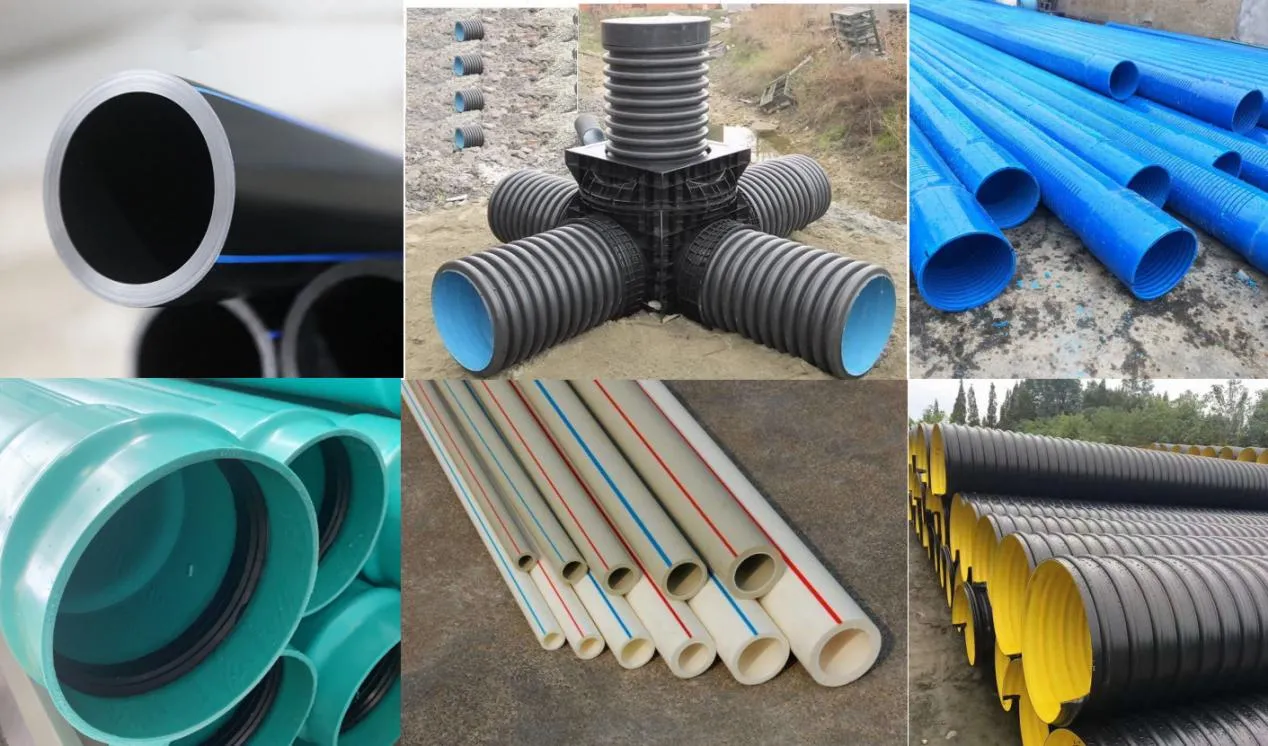
Polypropylene Random (PPR) pipe for hot water supply represents a significant advancement in residential and commercial plumbing systems. Positioned as a cost-effective alternative to traditional metallic piping (copper, steel) and other plastic materials (PVC, CPVC), PPR offers a compelling combination of corrosion resistance, thermal stability, and ease of installation. Discount PPR pipe, while emphasizing affordability, must adhere to stringent quality controls to maintain reliable performance in hot water applications. The core performance characteristics – pressure resistance, temperature endurance, and chemical inertness – dictate its suitability for conveying potable hot water in distribution networks, central heating systems, and industrial processes. This guide provides an in-depth analysis of PPR pipe technology, focusing on the specific demands of hot water systems, manufacturing processes, potential failure modes, and relevant industry standards.
Material Science & Manufacturing
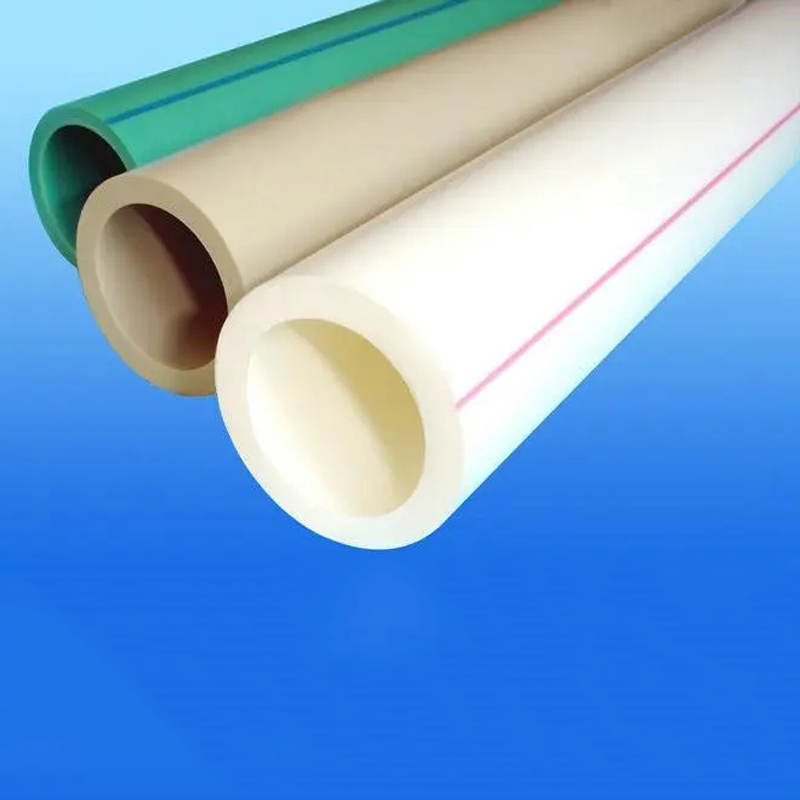
PPR pipe is manufactured from polypropylene random copolymer, a thermoplastic polymer derived from propylene monomer. The ‘random’ designation signifies the random distribution of comonomers (typically ethylene) within the polymer chain, resulting in enhanced clarity, flexibility, and resistance to stress cracking. Raw material selection is paramount; the grade of polypropylene must meet specific molecular weight distributions and melt flow indices to ensure consistent pipe properties. The manufacturing process typically involves extrusion. Polypropylene granules are fed into an extruder, where they are melted and homogenized. The molten polymer is then forced through a die, forming a continuous pipe shape. Critical parameters during extrusion include temperature control (barrel temperature profiling), screw speed, and die pressure. Precise control of these parameters is vital to maintain dimensional accuracy, wall thickness uniformity, and material homogeneity. Subsequent cooling, sizing, and cutting operations complete the manufacturing process. Jointing methods for PPR pipe commonly include heat fusion (butt welding, socket fusion, electrofusion) and mechanical fittings. Heat fusion creates a homogenous joint, offering superior strength and leak resistance, while mechanical fittings are suitable for connections where welding is impractical. The quality of the welding process is critical and dependent on correct temperature and pressure settings.
Performance & Engineering
The performance of PPR pipe in hot water applications is dictated by its ability to withstand hydrostatic pressure, thermal expansion, and the chemical effects of potable water at elevated temperatures. Hydrostatic pressure testing, conducted according to industry standards, verifies the pipe’s short-term and long-term burst resistance. Creep rupture, the gradual deformation under sustained pressure, is a critical consideration in hot water systems. PPR pipe exhibits a degree of thermal expansion and contraction with temperature fluctuations. This necessitates careful consideration during installation to accommodate this movement, preventing stress concentrations and potential joint failures. Expansion loops, flexible connectors, and appropriate pipe supports are essential design features. The chemical compatibility of PPR with various water chemistries is generally excellent. However, prolonged exposure to certain aggressive chemicals (e.g., chlorine at high concentrations, specific industrial solvents) can lead to degradation. The long-term performance is governed by the hydrostatic design stress (HDS), which is a fraction of the minimum specified yield strength (MSYS), typically around 40-50%. Force analysis during installation and operation must account for external loads (soil pressure, traffic loads) and internal pressures to ensure structural integrity. Compliance requirements, such as NSF/ANSI 61 for potable water safety and various building codes, are mandatory for installations in regulated environments.
Technical Specifications
| Parameter | Unit | Typical Value (PN20) | Typical Value (PN25) |
|---|---|---|---|
| Nominal Diameter | mm | 20-160 | 20-160 |
| Nominal Pressure (PN) | bar | 20 | 25 |
| Hydrostatic Pressure Test | bar | 40 | 50 |
| Burst Pressure | bar | 80 | 100 |
| Maximum Operating Temperature | °C | 95 | 95 |
| Thermal Conductivity | W/m·K | 0.24 | 0.24 |
| Coefficient of Linear Expansion | mm/m·K | 0.15 | 0.15 |
Failure Mode & Maintenance
PPR pipe, while robust, is susceptible to several failure modes under specific conditions. Fatigue cracking can occur at joints due to cyclic pressure and thermal stresses, particularly in areas with pre-existing defects or improper welding. Delamination, the separation of layers within the pipe wall, can result from material inhomogeneity or exposure to UV radiation. Chemical degradation, although less common with potable water, can arise from contact with aggressive substances. Oxidation, particularly at elevated temperatures and in the presence of oxygen, can embrittle the material over time. Joint failure is a common issue and often stems from inadequate cleaning and preparation of pipe ends before heat fusion, insufficient heating temperature, or improper welding pressure. Maintenance of PPR systems is relatively straightforward. Periodic visual inspections should be conducted to identify any signs of leakage, discoloration, or physical damage. Pressure testing can be used to detect hidden leaks. Avoid mechanical impacts during handling and installation. For repairs, use compatible PPR fittings and ensure proper welding techniques. Descaling of hot water systems should be performed regularly to prevent the accumulation of mineral deposits, which can reduce flow rates and increase stress on the piping. Replacement of sections exhibiting signs of significant degradation is recommended to prevent catastrophic failure.
Industry FAQ
Q: What is the impact of water hardness on the long-term performance of PPR pipe?
A: High water hardness can lead to the formation of scale deposits within the pipe, reducing flow rate and potentially increasing stress concentrations. While PPR is generally resistant to scale adhesion, heavy scaling can still cause issues. Water softening systems are recommended in areas with extremely hard water.
Q: What are the critical factors to consider when selecting a PPR pipe supplier to ensure quality and reliability?
A: Verify the supplier’s adherence to relevant industry standards (e.g., ISO 15876, DIN 19569). Request material certificates and testing reports to confirm the polypropylene grade and key properties. Assess the supplier’s quality control procedures and manufacturing process. Look for suppliers with a proven track record and positive customer reviews.
Q: What is the acceptable temperature range for hot water conveyed through PPR pipe, and what are the consequences of exceeding this range?
A: The typical maximum operating temperature for PPR pipe is 95°C. Exceeding this temperature can lead to softening of the material, creep deformation, and ultimately, pipe failure. Maintain water temperature within the specified limits to ensure long-term reliability.
Q: How does UV exposure affect the performance of PPR pipe used in outdoor applications?
A: Prolonged exposure to UV radiation can cause degradation of the polypropylene material, leading to embrittlement and reduced mechanical strength. For outdoor installations, use UV-stabilized PPR pipe or provide shielding to protect the pipe from direct sunlight.
Q: What are the best practices for heat fusion welding of PPR pipe to ensure leak-proof joints?
A: Ensure pipe ends are clean, dry, and free from debris. Use the appropriate welding tool and settings for the pipe diameter and wall thickness. Maintain consistent heating temperature and pressure during the welding process. Allow the joint to cool undisturbed before applying any stress.
Conclusion
Discount PPR pipe for hot water supply represents a viable and economical solution for plumbing systems, provided stringent quality control measures are implemented throughout the manufacturing and installation processes. The material’s inherent corrosion resistance, coupled with the ease of installation offered by heat fusion welding, presents a compelling alternative to traditional materials. However, understanding the limitations related to thermal expansion, potential degradation from aggressive chemicals, and susceptibility to fatigue cracking is crucial for ensuring long-term system reliability.
Future developments in PPR technology may focus on enhancing UV resistance, improving creep rupture performance, and incorporating advanced materials for increased durability. Adherence to established industry standards and best practices for installation and maintenance will remain paramount for maximizing the lifespan and performance of PPR piping systems. A thorough understanding of the materials science, engineering principles, and potential failure modes is essential for engineers, procurement managers, and installers alike.
-
DN25 HDPE Compression Fitting-HORON INTERNATIONAL|Reliable Irrigation Solutions
NewsFeb.11,2026
-
discount ppr for hot water Performance Analysis
News2026-06-25
-
discount bulk pvc pipe Material Performance
News2026-06-25
-
discount pvc pipes price list Material Science and Manufacturing
News2026-06-25
-
discount 20 ft pvc pipe Performance Analysis
News2026-06-25
-
discount ppr cold water pipe Performance Analysis
News2026-06-25
-
discount 24 inch diameter pvc pipe price Performance Analysis
News2026-06-24
-
discount 4 hdpe drain pipe Performance Analysis
News2026-06-24
-
discount 12 hdpe pipe Performance Analysis
News2026-06-24
-
discount hdpe reducing coupling Performance Analysis
News2026-06-24
-
discount hdpe corrugated sewer pipe Performance Engineering
News2026-06-24
-
discount pvc pipe cost per foot Material and Performance Analysis
News2026-06-23
-
discount double walled corrugated pipe Performance Analysis
News2026-06-23
-
discount hdpe sprinkler pipe price list Performance and Engineering
News2026-06-23
-
discount water pipe in kitchen Technical Analysis
News2026-06-23
-
discount hdpe to pvc pipe coupling Performance Engineering
News2026-06-23