

Feb . 11, 2026 00:01 Back to list
discount bulk pvc pipe Material Performance
Introduction
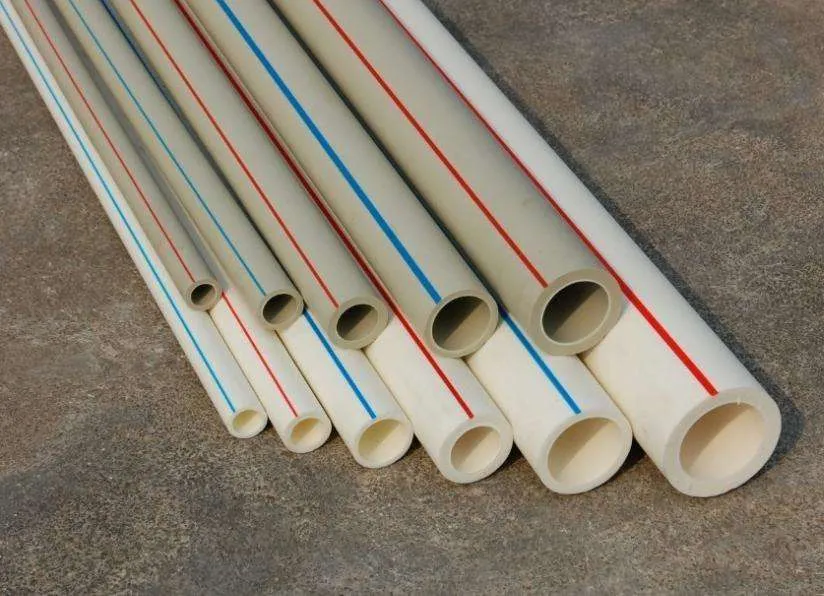
Polyvinyl Chloride (PVC) pipe, particularly in bulk discount configurations, represents a foundational element in modern infrastructure. Its primary application spans potable water distribution, wastewater management, irrigation systems, and increasingly, conduit for electrical wiring. Positioned within the broader polymer piping industry, PVC competes with materials like polyethylene (PE), polypropylene (PP), and various metallic alloys. However, its cost-effectiveness, corrosion resistance, and ease of installation frequently make it the preferred choice for a wide range of non-pressure and low-pressure applications. This technical guide details the material science, manufacturing processes, performance characteristics, failure modes, and industry standards pertaining to discount bulk PVC pipe, providing a comprehensive resource for engineers, procurement managers, and technical specialists. The core performance metrics center on pressure rating (PSI), tensile strength, impact resistance, and long-term durability against chemical and environmental degradation.
Material Science & Manufacturing
PVC is a thermoplastic polymer produced through the polymerization of vinyl chloride monomer (VCM). The raw material, ethylene dichloride (EDC), is cracked to produce VCM, which is then polymerized. PVC exists in two primary forms: rigid PVC (RPVC) and flexible PVC (FPVC). Discount bulk PVC pipe predominantly utilizes RPVC, achieved by incorporating minimal plasticizers. The inherent properties of PVC – a high chlorine content (approximately 57%) – contribute to its excellent fire resistance and chemical inertness. Manufacturing processes typically involve extrusion. PVC resin, along with stabilizers (e.g., calcium-zinc stabilizers replacing traditional lead-based formulations due to environmental concerns), lubricants, and pigments, is fed into an extruder. The extruder employs a screw mechanism to melt and homogenize the mixture. The molten PVC is then forced through a die, shaping it into the desired pipe diameter and wall thickness. Key parameters controlled during extrusion include screw speed, barrel temperature profile (typically ranging from 160°C to 220°C depending on the PVC formulation), die temperature, and cooling rate. Precise control over these parameters is crucial to ensure dimensional accuracy, consistent mechanical properties, and a smooth surface finish. Post-extrusion, the pipe is calibrated (shaped and cooled) and cut to specified lengths. Quality control measures involve hydrostatic testing to verify pressure rating and dimensional checks to ensure adherence to standards.
Performance & Engineering
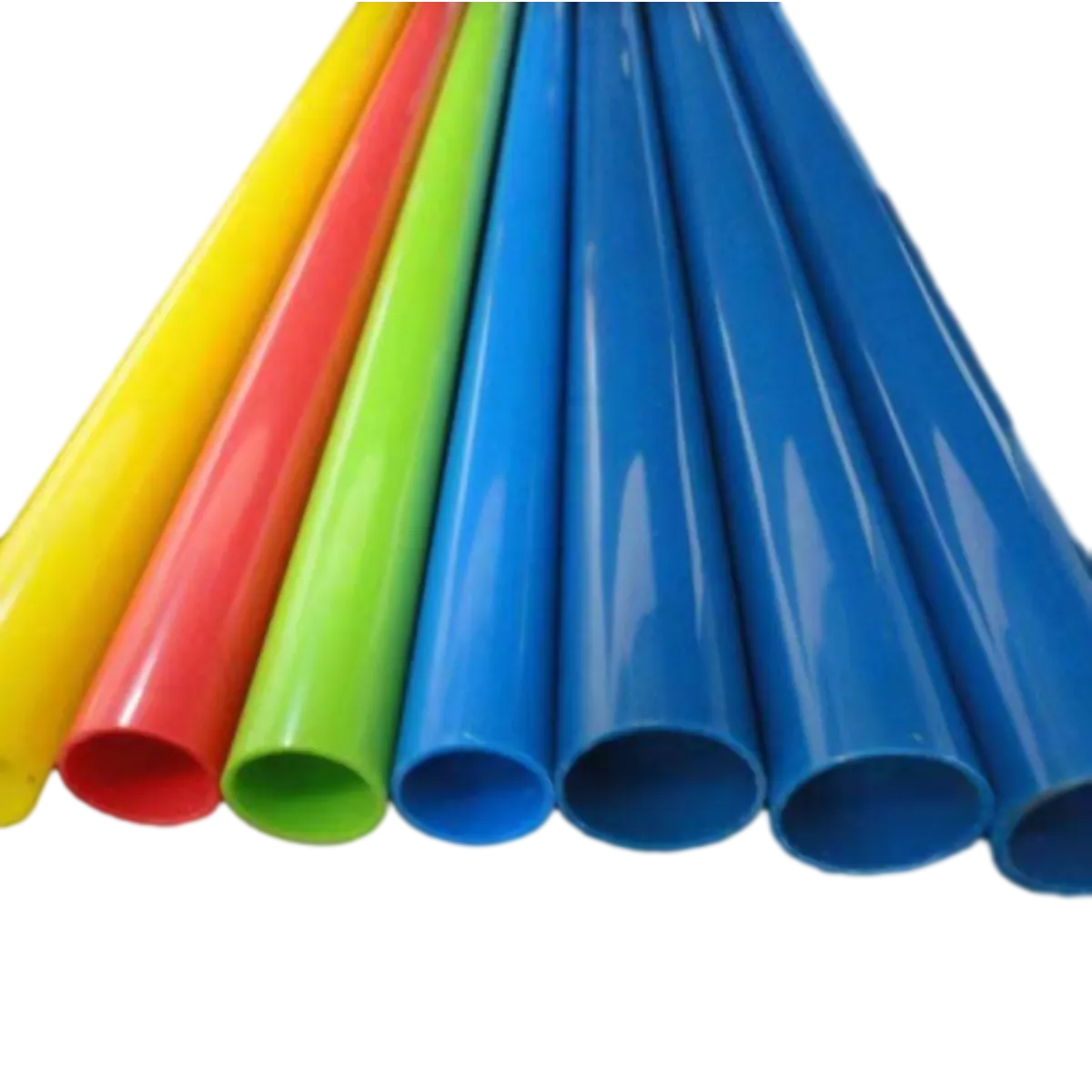
The performance of PVC pipe is heavily influenced by its material properties and structural design. Stress analysis, particularly relating to hoop stress under internal pressure, is fundamental to determining the pipe's pressure rating. The Barlow formula (S = PT/2Dt, where S = stress, P = pressure, T = wall thickness, D = diameter) provides a simplified method for calculating hoop stress. However, more sophisticated finite element analysis (FEA) is often employed for complex loading scenarios. Environmental resistance is a critical consideration. While PVC exhibits excellent resistance to many acids and bases, prolonged exposure to UV radiation can cause degradation, leading to embrittlement and reduced impact strength. Therefore, UV stabilizers are incorporated into the PVC formulation, particularly for outdoor applications. Temperature also affects performance; PVC becomes more brittle at lower temperatures and can exhibit creep deformation at elevated temperatures. Compliance with relevant industry standards (discussed in the footer) is paramount. These standards specify minimum requirements for material properties, dimensional tolerances, and performance characteristics. Specifically, the Short-Term Hydrostatic Pressure test (STHP) and the Long-Term Hydrostatic Pressure test (LTHP) are essential for verifying the pipe’s ability to withstand both immediate and sustained pressure.
Technical Specifications
| Parameter | Schedule 40 PVC | Schedule 80 PVC | ASTM D1785 Dimension Ratio (DR) |
|---|---|---|---|
| Material | Rigid Polyvinyl Chloride (RPVC) | Rigid Polyvinyl Chloride (RPVC) | PVC Compound |
| Pressure Rating (PSI at 73°F) | Up to 400 PSI | Up to 600 PSI | Varies with DR (e.g., DR 11 = 540 PSI) |
| Tensile Strength (ASTM D638) | > 6,900 PSI | > 7,250 PSI | > 6,500 PSI |
| Impact Resistance (ASTM D2444) | > 10 ft-lb/in | > 12 ft-lb/in | > 8 ft-lb/in |
| Water Absorption (24 hrs, ASTM D570) | < 0.1% | < 0.1% | < 0.2% |
| Operating Temperature Range | -40°F to 140°F | -40°F to 140°F | -40°F to 140°F |
Failure Mode & Maintenance
PVC pipe, while durable, is susceptible to several failure modes. Hydrostatic failure, resulting from excessive internal pressure exceeding the pipe’s rated capacity, is a primary concern. Fatigue cracking can occur under cyclic pressure loading, particularly at stress concentration points like joints or fittings. Environmental stress cracking (ESC) arises from the combined effect of tensile stress and exposure to certain chemicals (e.g., chlorinated solvents). UV degradation leads to embrittlement and reduced impact resistance, manifesting as surface cracking and eventual failure. Soil stress, especially in buried applications, can cause ovalization and cracking if the pipe is not adequately bedded and supported. Maintenance primarily focuses on preventative measures. Regular visual inspections for cracks, leaks, or deformation are crucial. Proper bedding and backfilling procedures during installation minimize soil stress. Avoiding the use of incompatible solvents and chemicals prevents ESC. For UV-exposed applications, periodic coating with a UV-resistant paint or sealant can extend service life. In the event of a leak or crack, repair options include using PVC couplings and solvent cement, or replacing the damaged section of pipe. Detailed failure analysis should be conducted to identify the root cause and prevent recurrence.
Industry FAQ
Q: What is the impact of water hammer on PVC pipe systems?
A: Water hammer, or hydraulic shock, occurs when fluid flow is suddenly stopped or changed, creating a pressure surge. PVC pipe is relatively brittle and can be susceptible to cracking or failure under repeated water hammer events. Mitigation strategies include installing surge arrestors, using slow-closing valves, and ensuring proper pipe anchoring and support to minimize stress.
Q: How does the quality of solvent cement affect joint integrity?
A: Solvent cement chemically welds PVC pipe and fittings together, creating a strong, leak-proof joint. The quality of the solvent cement is critical; using a substandard or incompatible cement can result in a weak bond prone to failure. Ensure the cement is specifically formulated for PVC, is within its shelf life, and is applied according to the manufacturer's instructions. Proper priming is also essential for optimal adhesion.
Q: What are the long-term effects of soil acidity on buried PVC pipe?
A: While PVC is generally resistant to many soil conditions, prolonged exposure to highly acidic soils can lead to degradation and embrittlement. The rate of degradation depends on the soil pH, moisture content, and temperature. Employing protective coatings or using a more chemically resistant piping material may be necessary in highly corrosive soil environments.
Q: Can PVC pipe be used for hot water distribution?
A: Standard PVC pipe is not recommended for hot water distribution above 140°F. Elevated temperatures can cause softening, deformation, and reduced pressure rating. CPVC (Chlorinated Polyvinyl Chloride) is a modified PVC formulation designed for higher temperature applications and is the preferred choice for hot water systems.
Q: What are the considerations for joining different types of PVC pipe (e.g., Schedule 40 to Schedule 80)?
A: Joining different PVC schedules requires using appropriate transition fittings designed to accommodate the varying wall thicknesses. Direct solvent cementing of different schedules is generally not recommended as it can lead to a weak joint. Ensure the fittings are rated for the maximum pressure and temperature of the system.
Conclusion
Discount bulk PVC pipe remains a vital material in a multitude of applications owing to its combination of cost-effectiveness, durability, and ease of installation. However, successful implementation necessitates a thorough understanding of its material properties, manufacturing nuances, and potential failure modes. The longevity and reliability of PVC pipe systems hinge on selecting the appropriate schedule and formulation for the intended application, adhering to established installation practices, and implementing preventative maintenance strategies.
Future developments in PVC technology are focused on enhancing its environmental sustainability through increased recycling rates and the development of bio-based PVC formulations. Furthermore, ongoing research aims to improve its resistance to environmental stress cracking and UV degradation, expanding its application range and extending its service life. A comprehensive approach to material selection, installation, and maintenance will ensure the continued efficacy of PVC piping systems for years to come.
-
DN25 HDPE Compression Fitting-HORON INTERNATIONAL|Reliable Irrigation Solutions
NewsFeb.11,2026
-
discount ppr for hot water Performance Analysis
News2026-06-25
-
discount bulk pvc pipe Material Performance
News2026-06-25
-
discount pvc pipes price list Material Science and Manufacturing
News2026-06-25
-
discount 20 ft pvc pipe Performance Analysis
News2026-06-25
-
discount ppr cold water pipe Performance Analysis
News2026-06-25
-
discount 24 inch diameter pvc pipe price Performance Analysis
News2026-06-24
-
discount 4 hdpe drain pipe Performance Analysis
News2026-06-24
-
discount 12 hdpe pipe Performance Analysis
News2026-06-24
-
discount hdpe reducing coupling Performance Analysis
News2026-06-24
-
discount hdpe corrugated sewer pipe Performance Engineering
News2026-06-24
-
discount pvc pipe cost per foot Material and Performance Analysis
News2026-06-23
-
discount double walled corrugated pipe Performance Analysis
News2026-06-23
-
discount hdpe sprinkler pipe price list Performance and Engineering
News2026-06-23
-
discount water pipe in kitchen Technical Analysis
News2026-06-23
-
discount hdpe to pvc pipe coupling Performance Engineering
News2026-06-23