

Feb . 11, 2026 00:01 Back to list
china water pipe for kitchen Performance Analysis
Introduction
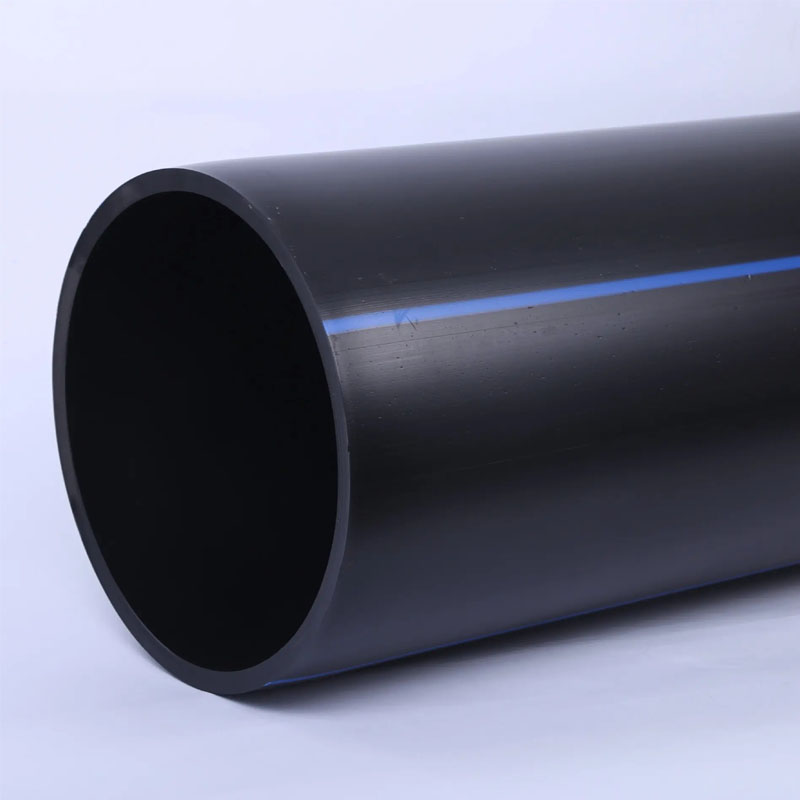
Polyethylene (PE) water pipes for kitchen use, manufactured in China, represent a significant component of modern potable water distribution systems. These pipes, typically adhering to PEX (cross-linked polyethylene) standards, have superseded traditional copper and galvanized steel in many residential and commercial applications due to their cost-effectiveness, corrosion resistance, and ease of installation. The technical position of these pipes within the industry chain involves raw material sourcing (polyethylene resin), extrusion and cross-linking processes, quality control, and distribution to plumbing supply wholesalers and installers. Core performance characteristics revolve around maintaining potable water integrity – specifically, minimizing leaching of harmful substances, resisting pressure drop, withstanding freeze-thaw cycles, and demonstrating long-term durability against chlorine and other water treatment chemicals. A primary industry pain point is ensuring consistent material quality across diverse Chinese manufacturers, coupled with verifying adherence to international plumbing codes and standards.
Material Science & Manufacturing
The primary raw material for these pipes is High-Density Polyethylene (HDPE) or Polyethylene of Raised Temperature Resistance (PEX). HDPE offers excellent chemical resistance and low cost, while PEX provides enhanced temperature stability and flexibility. PEX is created through a cross-linking process – typically using peroxide, silane, or radiation – which introduces covalent bonds between the polyethylene chains, enhancing its heat resistance and dimensional stability. Manufacturing involves extrusion, where the polyethylene resin is melted and forced through a die to form a continuous pipe. Critical parameters during extrusion include melt temperature (typically 180-250°C), die pressure (50-150 bar), and cooling rate. Cooling must be carefully controlled to prevent warping and ensure consistent dimensions. Post-extrusion, pipes undergo hydrostatic testing to verify pressure resistance and dimensional accuracy. Quality control focuses on measuring outside diameter, wall thickness, and assessing the degree of cross-linking (for PEX). The choice of catalyst and crosslinking agent critically impacts the final product's long-term performance and resistance to creep under pressure. Furthermore, the presence of residual monomers or crosslinking byproducts must be minimized to prevent taste and odor issues in potable water.
Performance & Engineering
The performance of PE water pipes is governed by several engineering principles. Hydrostatic stress analysis dictates the pipe’s ability to withstand internal water pressure. The Barlow’s formula (S = P D / 2t, where S = hoop stress, P = internal pressure, D = outside diameter, t = wall thickness) is crucial for determining appropriate wall thickness based on anticipated operating pressures and safety factors. Environmental resistance is paramount; PE is susceptible to UV degradation, necessitating the use of UV stabilizers in pipes intended for outdoor exposure. Freeze-thaw resistance is enhanced by the flexibility of PEX, which allows for expansion as water freezes, reducing the risk of cracking. However, complete drainage is still essential to prevent damage. Compliance requirements include adherence to NSF/ANSI 61 (for potable water safety), ASTM D2837 (for HDPE pipes), and ASTM F877 (for PEX pipes). Long-term creep resistance—the tendency of the pipe to slowly deform under constant pressure—is a critical performance indicator, often assessed through accelerated aging tests at elevated temperatures. The pipe's coefficient of linear thermal expansion must also be considered during installation, particularly for long runs, to allow for expansion and contraction with temperature changes.
Technical Specifications
| Parameter | HDPE (CTS Grade) | PEX-A | PEX-B |
|---|---|---|---|
| Material | High-Density Polyethylene | Cross-linked Polyethylene (Peroxide Method) | Cross-linked Polyethylene (Silane Method) |
| Pressure Rating (PSI) | 100 @ 73°F | 160 @ 73°F | 100 @ 73°F |
| Temperature Rating (°F) | 140°F (Continuous) | 180°F (Continuous) | 140°F (Continuous) |
| Outside Diameter (in) | 0.5 - 4 | 0.375 - 3.5 | 0.375 - 3.5 |
| Wall Thickness (in) | 0.062 - 0.313 | 0.083 - 0.25 | 0.083 - 0.25 |
| Hydrostatic Design Basis (HDB) | 160 PSI | 200 PSI | 160 PSI |
Failure Mode & Maintenance
Common failure modes in PE water pipes include slow crack growth (SCG) caused by sustained tensile stress and exposure to aggressive chemicals, particularly chlorine. SCG often initiates at stress concentrators such as scratches or imperfections in the pipe wall. Another failure mode is oxidative degradation, where the polymer chains break down due to long-term exposure to oxygen and UV radiation. This is more prevalent in HDPE pipes lacking adequate UV stabilization. Delamination can occur in PEX pipes due to inadequate cross-linking or improper manufacturing processes. Freeze-thaw damage manifests as cracking or splitting, particularly if the pipe is fully filled with water. Maintenance primarily involves visual inspection for leaks, cracks, and signs of degradation. Proper installation, avoiding sharp bends and excessive stress on connections, is crucial for preventing SCG. If leaks are detected, the damaged section should be replaced with new pipe and fittings of compatible materials. For outdoor installations, ensure the pipe is protected from direct sunlight. Regularly flushing the system can remove sediment buildup and minimize the risk of corrosion or biological growth. Avoid using abrasive cleaning agents that can damage the pipe surface.
Industry FAQ
Q: What is the primary difference between PEX-A and PEX-B in terms of manufacturing and performance?
A: PEX-A utilizes a peroxide cross-linking method, resulting in a more uniform and complete cross-linked structure, imparting superior flexibility, kink resistance, and resistance to SCG. PEX-B employs a silane cross-linking method, which is generally less expensive but yields a less uniform cross-link density and potentially lower resistance to long-term creep and SCG. The expansion ratio and memory effect are also typically higher in PEX-A.
Q: How does the chlorine content in municipal water affect the lifespan of PE pipes?
A: Chlorine, while essential for disinfection, can contribute to oxidative degradation of PE pipes over time. While PE materials are generally chlorine-resistant, prolonged exposure to high chlorine concentrations can accelerate polymer chain scission, leading to embrittlement and increased susceptibility to cracking. Selecting pipes with higher oxidative stability and considering alternative water treatment methods can mitigate this issue.
Q: What is the importance of the hydrostatic design basis (HDB) when selecting PE pipes?
A: The HDB represents the long-term pressure rating of the pipe under sustained stress, accounting for factors like temperature and material creep. It’s crucial to select a pipe with an HDB that significantly exceeds the maximum operating pressure of the plumbing system to ensure a safety margin and prevent catastrophic failure. Local plumbing codes often specify minimum HDB requirements.
Q: What are the potential consequences of improper installation techniques, such as over-bending the pipe?
A: Over-bending introduces significant stress concentrations, increasing the risk of SCG, particularly in PEX pipes. Tight bends also restrict water flow, leading to pressure drop. Correct installation techniques involve using appropriate bending tools and avoiding sharp angles. Supporting the pipe adequately to prevent sagging and strain is also critical.
Q: Are there specific regulations regarding the use of PE pipes in potable water systems in the United States?
A: Yes, PE pipes used in potable water systems must comply with NSF/ANSI 61 and NSF/ANSI 372 standards. These standards certify that the materials do not leach harmful contaminants into the water and meet specific requirements for lead content and other health-related concerns. Local plumbing codes also often dictate specific installation and material requirements.
Conclusion
China-manufactured PE water pipes, particularly those conforming to PEX standards, offer a viable and cost-effective alternative to traditional piping materials. The selection between HDPE and PEX, as well as the specific PEX manufacturing method (A or B), depends on the application’s temperature requirements, pressure demands, and long-term durability expectations. Understanding the material science, manufacturing processes, and potential failure modes is crucial for ensuring optimal performance and preventing premature failure.
Future advancements in PE pipe technology will likely focus on enhancing UV resistance, improving creep resistance, and developing more sustainable manufacturing processes. Continued adherence to international standards and rigorous quality control measures will be essential for maintaining the integrity and reliability of these essential components of water distribution systems. Furthermore, addressing the industry pain point of ensuring consistent quality across diverse manufacturers remains a paramount concern.
-
DN25 HDPE Compression Fitting-HORON INTERNATIONAL|Reliable Irrigation Solutions
NewsFeb.11,2026
-
china corrugated hdpe pipe fittings Performance Analysis
News2026-05-22
-
china ppr pipe for hot water Performance Analysis
News2026-05-22
-
china ppr Technical Performance Analysis
News2026-05-22
-
china corrugated dual wall pipe Performance Analysis
News2026-05-22
-
china sink inlet pipe Material Performance Analysis
News2026-05-22
-
china 1 2 inch pvc Performance Analysis
News2026-05-21
-
china hdpe pipe joint coupler Performance Analysis
News2026-05-21
-
china ppr pipes and fittings price list Technical Analysis
News2026-05-21
-
china 9 inch pvc pipe price Performance Analysis
News2026-05-21
-
china 2 inch borewell column pipe price Performance Engineering
News2026-05-21
-
china hdpe pipe suppliers Performance Analysis
News2026-05-20
-
china submersible pump column pipe Performance Engineering
News2026-05-20
-
china 8 hdpe corrugated pipe Manufacturing Analysis
News2026-05-20
-
china dual wall hdpe pipe Performance Analysis
News2026-05-20
-
china water lines under sink Performance Analysis
News2026-05-20