

Feb . 11, 2026 00:01 Back to list
china submersible column pipe price Performance Analysis
Introduction
Submersible column pipe, a critical component in submersible pump systems, facilitates the transmission of hydraulic power from the pump to the surface. Specifically, ‘china submersible column pipe price’ refers to the cost and characteristics of these pipes manufactured in China, a significant global supplier. These pipes are typically constructed from carbon steel, stainless steel, or fiberglass, selected based on the operating depth, fluid characteristics (corrosivity, abrasiveness), and pressure requirements. Their technical position in the industry chain is directly linked to the performance and reliability of the entire submersible pumping system, impacting oil and gas production, groundwater extraction, and dewatering operations. Core performance characteristics include tensile strength, yield strength, corrosion resistance, and pressure rating. The market price is driven by material costs (steel, polymers), manufacturing processes, quality control measures, and import/export regulations.
Material Science & Manufacturing
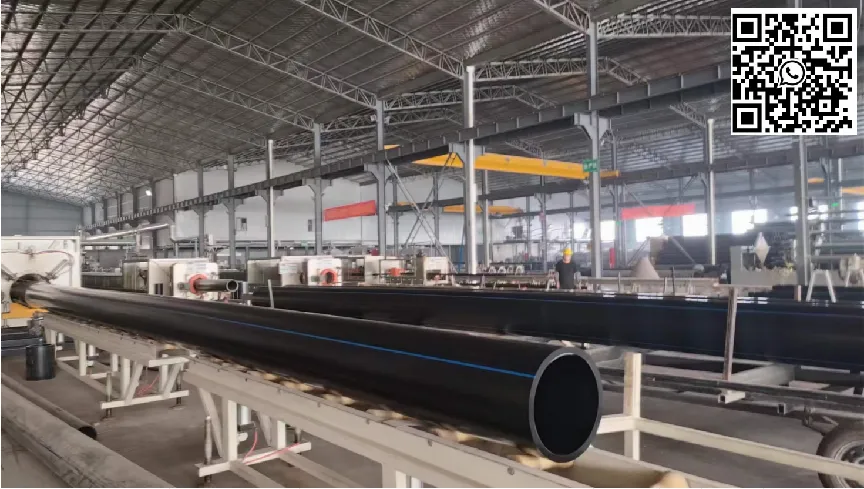
Submersible column pipes are predominantly manufactured from carbon steel (ASTM A53 Grade B, API 5L X42/X52), various stainless steel alloys (304, 316, duplex stainless steel), and fiberglass reinforced polymers (FRP). Carbon steel offers high strength and cost-effectiveness but is susceptible to corrosion. Stainless steel provides superior corrosion resistance, particularly 316, due to the addition of molybdenum, but is more expensive. FRP pipes offer excellent corrosion resistance and lightweight characteristics, ideal for highly corrosive environments, but typically have lower tensile strength than metallic counterparts.
Manufacturing processes vary by material. Steel pipes undergo seamless or welded construction. Seamless pipes are extruded and offer higher strength; welded pipes are rolled and welded, offering cost savings. Welding requires strict quality control – radiography, ultrasonic testing, and magnetic particle inspection – to ensure joint integrity. FRP pipes are manufactured via filament winding or resin transfer molding. Filament winding involves wrapping continuous fibers impregnated with resin around a mandrel, creating a high-strength, lightweight structure. Key parameters controlled during manufacturing include resin viscosity, fiber tension, curing temperature, and winding angle. For steel pipes, controlled cooling rates after heat treatment are crucial to achieve desired mechanical properties. Surface treatment like galvanization or epoxy coating are often applied to carbon steel pipes to enhance corrosion resistance. Material traceability and adherence to API standards are paramount.
Performance & Engineering
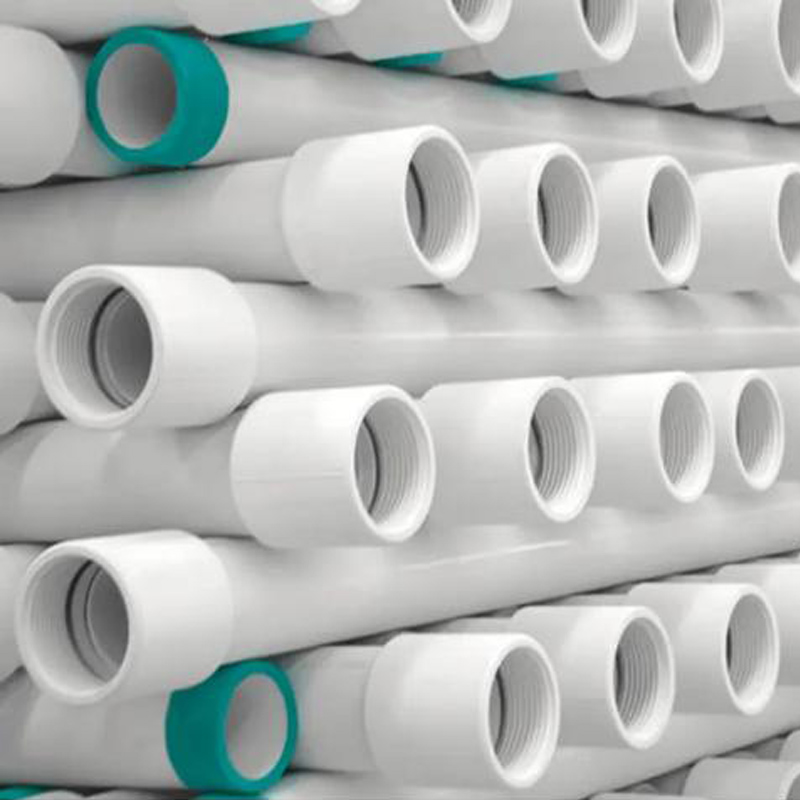
The performance of submersible column pipe is dictated by several engineering factors. Firstly, hydrostatic pressure increases linearly with depth, demanding robust pipe walls to prevent collapse. Force analysis utilizes the Barlow’s formula (P = 2St/D, where P=pressure, S=tensile strength, t=wall thickness, D=diameter) to determine required wall thickness. Secondly, axial tensile load from the weight of the pump and fluid column necessitates high tensile strength. Fatigue analysis is critical, considering cyclic loading from pump operation and fluid flow. Stress corrosion cracking (SCC) is a significant concern in corrosive environments, particularly with susceptible steel alloys. Material selection must account for the specific fluid composition (H2S, CO2, chlorides).
Environmental resistance is paramount. Pipes operating in saltwater environments require corrosion allowances and/or specialized coatings. Temperature extremes can affect material properties; high temperatures can reduce yield strength, while low temperatures can cause embrittlement. Compliance with API 5CT (Casing and Tubing for Oil and Gas Wells) and ISO 13624 (Submersible Pumps – Column Pipes) is mandatory. These standards dictate material specifications, testing procedures, and quality control requirements. Furthermore, proper alignment and support of the column string are crucial to minimize bending stresses and prevent premature failure. The use of centralizers ensures the pipe remains concentric within the wellbore.
Technical Specifications
| Parameter | Carbon Steel (API 5L X42) | Stainless Steel 316 | Fiberglass Reinforced Polymer (FRP) | Units |
|---|---|---|---|---|
| Tensile Strength | 420 | 500 | 300 | MPa |
| Yield Strength | 345 | 205 | 180 | MPa |
| Corrosion Rate (Seawater) | 0.1 – 1.0 | <0.1 | <0.01 | mm/year |
| Operating Temperature Range | -20 to 80 | -196 to 260 | -40 to 120 | °C |
| Outside Diameter | 89-244 | 89-244 | 89-244 | mm |
| Wall Thickness | 3.2 – 12.7 | 2.3 – 8.9 | 2.0 – 6.3 | mm |
Failure Mode & Maintenance
Common failure modes of submersible column pipe include corrosion (uniform, pitting, galvanic), stress corrosion cracking (SCC), fatigue cracking (due to cyclic loading), thread failures (caused by improper makeup torque or corrosion), and damage from solids (abrasive wear). Corrosion is exacerbated by the presence of H2S, CO2, and chlorides in the fluid. SCC typically occurs in susceptible steel alloys under tensile stress in corrosive environments. Fatigue cracking initiates from surface imperfections or stress concentrators. Thread failures are often a result of over-tightening or corrosion of the threads. Abrasive wear occurs when the fluid contains sand or other solid particles.
Preventative maintenance includes regular inspection for corrosion, cracks, and thread damage. Non-destructive testing (NDT) methods like ultrasonic testing (UT) and magnetic particle inspection (MPI) are used to detect subsurface flaws. Proper coating maintenance is crucial to prevent corrosion. Regular monitoring of pump performance can indicate potential issues with the column pipe (e.g., increased vibration or reduced flow rate). If failures occur, replacement with a compatible material or upgrading to a more corrosion-resistant alloy is necessary. Joints should be inspected and re-torqued periodically. In FRP pipes, delamination and fiber breakage are primary failure concerns and require visual inspection. Proper storage and handling are critical to prevent damage during transportation and installation.
Industry FAQ
Q: What is the primary difference in cost between carbon steel and stainless steel submersible column pipe, and is the price differential justified by performance benefits?
A: Stainless steel pipe, particularly 316, typically costs 2-4 times more than comparable carbon steel pipe. This price difference is due to the higher material cost and more complex manufacturing processes. The justification for the increased cost hinges on the operating environment. In non-corrosive applications, carbon steel with appropriate coating may suffice. However, in highly corrosive environments (high chloride content, H2S presence), stainless steel's superior corrosion resistance dramatically reduces maintenance costs and extends the service life, ultimately justifying the higher initial investment. Total cost of ownership should be considered.
Q: How does the use of FRP column pipe compare to steel in terms of long-term reliability, particularly concerning collapse pressure?
A: FRP pipes offer exceptional corrosion resistance, often exceeding that of even premium stainless steels. However, they generally have lower collapse pressure ratings than steel pipes of comparable dimensions. FRP pipe designs often compensate with increased wall thickness or specialized winding patterns. Long-term reliability is excellent in corrosive environments, but FRP is more susceptible to damage from impact or improper handling. Proper installation and handling procedures are critical.
Q: What are the key considerations when selecting a pipe wall thickness for a given depth and fluid density?
A: Wall thickness is primarily determined by hydrostatic pressure and axial tensile loads. Hydrostatic pressure calculations use Barlow’s formula, factoring in the fluid density, operating depth, and desired safety factor. Axial tensile load is calculated based on the weight of the pump, column, and fluid. Corrosion allowances should also be added to the calculated wall thickness, particularly in corrosive environments. API 5CT and ISO 13624 provide guidance on minimum wall thickness requirements.
Q: What are the typical inspection methods used to assess the integrity of in-service submersible column pipe?
A: Common inspection methods include visual inspection for corrosion and damage, ultrasonic thickness testing (UTT) to measure wall thinning, and non-destructive testing (NDT) methods like magnetic particle inspection (MPI) to detect surface and subsurface cracks. In some cases, eddy current testing (ECT) is used to detect corrosion under coatings. Remote operated vehicles (ROVs) equipped with inspection tools are often used for downhole inspections.
Q: What impact do welding procedures have on the overall structural integrity of welded steel column pipe?
A: Welding procedures are paramount. Incorrect welding parameters (current, voltage, travel speed) can lead to defects such as porosity, slag inclusions, and lack of fusion. These defects weaken the weld and can initiate cracking. Qualified welders, appropriate welding consumables, and strict adherence to welding codes (AWS D1.1) are essential. Post-weld heat treatment (PWHT) is often required to relieve residual stresses and improve weld properties. Radiographic testing (RT) and ultrasonic testing (UT) are used to verify weld integrity.
Conclusion
China submersible column pipe price is a complex metric influenced by material selection, manufacturing quality, and adherence to international standards. Carbon steel remains the dominant material due to its cost-effectiveness, but stainless steel and FRP are increasingly utilized in harsh environments where corrosion resistance is paramount. Understanding the performance characteristics and potential failure modes of each material is critical for ensuring the long-term reliability and cost-effectiveness of submersible pumping systems. Careful consideration of operating conditions, fluid characteristics, and regulatory requirements is essential when selecting the appropriate pipe for a specific application.
The future of submersible column pipe technology will likely focus on developing advanced materials with enhanced corrosion resistance and mechanical properties. Innovations in manufacturing processes, such as additive manufacturing (3D printing), may enable the production of customized pipe designs with optimized performance. Continued adherence to rigorous quality control standards and predictive maintenance strategies will be crucial for minimizing downtime and maximizing the lifespan of these critical components.
-
DN25 HDPE Compression Fitting-HORON INTERNATIONAL|Reliable Irrigation Solutions
NewsFeb.11,2026
-
china corrugated hdpe pipe fittings Performance Analysis
News2026-05-22
-
china ppr pipe for hot water Performance Analysis
News2026-05-22
-
china ppr Technical Performance Analysis
News2026-05-22
-
china corrugated dual wall pipe Performance Analysis
News2026-05-22
-
china sink inlet pipe Material Performance Analysis
News2026-05-22
-
china 1 2 inch pvc Performance Analysis
News2026-05-21
-
china hdpe pipe joint coupler Performance Analysis
News2026-05-21
-
china ppr pipes and fittings price list Technical Analysis
News2026-05-21
-
china 9 inch pvc pipe price Performance Analysis
News2026-05-21
-
china 2 inch borewell column pipe price Performance Engineering
News2026-05-21
-
china hdpe pipe suppliers Performance Analysis
News2026-05-20
-
china submersible pump column pipe Performance Engineering
News2026-05-20
-
china 8 hdpe corrugated pipe Manufacturing Analysis
News2026-05-20
-
china dual wall hdpe pipe Performance Analysis
News2026-05-20
-
china water lines under sink Performance Analysis
News2026-05-20