

Feb . 11, 2026 00:01 Back to list
china pvc pipes Manufacturing and Performance Analysis
Introduction
Polyvinyl Chloride (PVC) pipes manufactured in China represent a significant component of the global infrastructure market. PVC’s inherent properties – including corrosion resistance, durability, and cost-effectiveness – have positioned it as a primary material for fluid conveyance systems across a broad spectrum of applications, from potable water distribution and irrigation to sewage and industrial effluent management. The Chinese PVC pipe industry has rapidly expanded due to substantial domestic demand driven by urbanization and infrastructure development. However, variations in manufacturing quality and adherence to international standards represent key industry concerns. This technical guide provides an in-depth exploration of Chinese PVC pipe, covering material science, manufacturing processes, performance characteristics, failure modes, and relevant industry standards, designed for procurement managers, engineers, and quality control personnel.
Material Science & Manufacturing
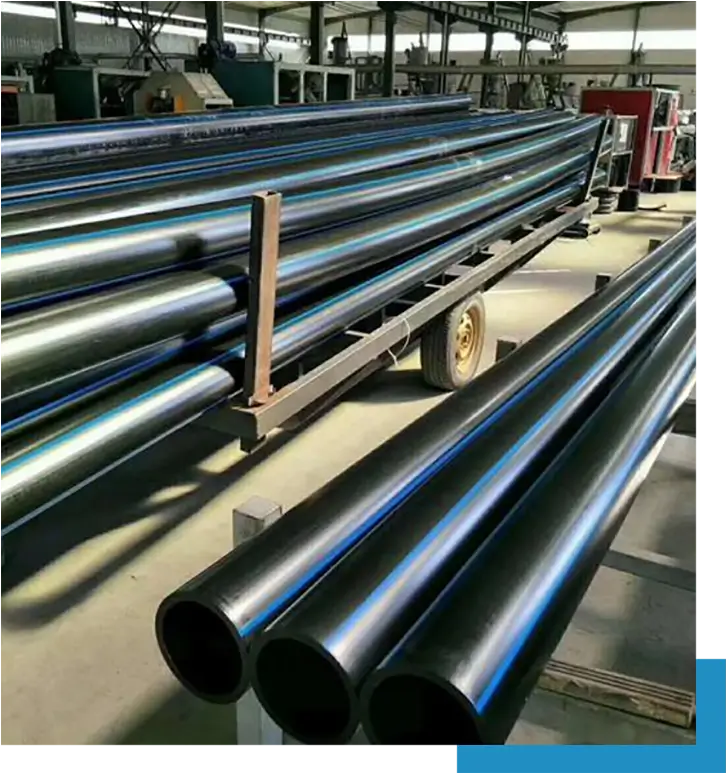
Chinese PVC pipes are predominantly manufactured from PVC resin, typically sourced from domestic producers. The PVC resin’s properties directly influence the final pipe characteristics. Key resin characteristics include K-value (molecular weight indicator), impact strength, and thermal stability. Plasticizers, primarily phthalates or alternative non-phthalate plasticizers, are added to enhance flexibility and processability. Stabilizers, often based on lead, calcium-zinc, or organic compounds, protect the PVC from degradation during processing and long-term exposure to UV radiation and heat. Fillers, such as calcium carbonate, are incorporated to reduce cost and improve stiffness. The manufacturing process typically involves extrusion. PVC compound is fed into a single-screw or twin-screw extruder, where it is heated, melted, and homogenized. The molten PVC is then forced through a die to form the pipe’s shape. Critical parameters during extrusion include die temperature, screw speed, haul-off speed, and cooling rate. Improper control of these parameters can lead to dimensional inconsistencies, surface defects, and compromised mechanical properties. Post-extrusion processes include cutting to length, bell-end forming (for solvent welding), and quality control inspection. The quality of the raw materials, precise control of extrusion parameters, and rigorous quality assurance protocols are essential for producing high-performance PVC pipes. A key pain point is inconsistent raw material quality, particularly regarding plasticizer content and stabilizer efficacy, impacting long-term performance and regulatory compliance.
Performance & Engineering
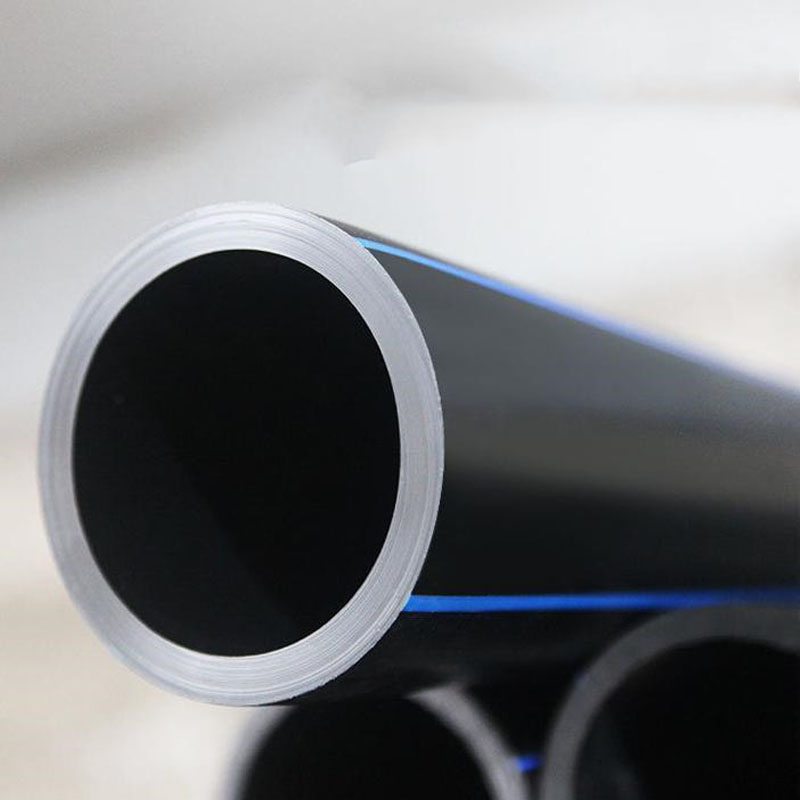
The performance of PVC pipes is primarily governed by their mechanical strength, pressure-bearing capacity, and resistance to chemical attack. Hydrostatic pressure testing is a crucial quality control measure, evaluating the pipe’s ability to withstand internal pressure without failure. According to ISO 1452-2, pipes are subjected to a short-term hydrostatic pressure test and a long-term hydrostatic pressure test to assess their burst pressure and sustained pressure capacity. Impact resistance, measured using Izod or Charpy impact tests (ASTM D256/ISO 148-10), is critical for withstanding shocks during installation and operation. PVC’s resistance to a wide range of chemicals makes it suitable for various industrial applications. However, prolonged exposure to strong oxidizing agents or aromatic hydrocarbons can cause swelling and degradation. Soil loading and external pressures must also be considered during installation, especially for buried pipes. The pipe’s deflection under load should remain within acceptable limits to prevent cracking or joint failure. Finite Element Analysis (FEA) is often employed to simulate stress distribution under various loading conditions and optimize pipe wall thickness. A common engineering challenge is ensuring long-term joint integrity, particularly in solvent-welded joints. Proper surface preparation, solvent application, and curing time are critical to achieving a reliable seal. Environmental factors, such as UV exposure and temperature fluctuations, can also affect performance, leading to embrittlement or dimensional changes.
Technical Specifications
| Parameter | Units | Standard (ASTM D1785) | Typical Chinese PVC Pipe Range |
|---|---|---|---|
| Nominal Pipe Size | inches | ½ - 12 | ½ - 12 |
| Schedule Number | - | 40, 80 | 40, 80 |
| Pressure Rating | psi | Varies by Schedule | Varies by Schedule (often lower than ASTM) |
| Hydrostatic Pressure Test (Short Term) | psi | ≥ 2400 psi | 1800 – 2600 psi (Quality varies) |
| Impact Resistance (Izod Notched) | ft-lb/in | ≥ 12 | 8 – 15 (depending on formulation) |
| Tensile Strength | psi | ≥ 6000 | 5000 – 7000 (depending on formulation) |
Failure Mode & Maintenance
Common failure modes in Chinese PVC pipes include brittle fracture, cracking, joint failure, and chemical degradation. Brittle fracture, often occurring during installation or under impact loads, can be attributed to low temperatures or material defects. Cracking can result from excessive stress, soil movement, or long-term creep. Joint failure, particularly in solvent-welded joints, is often caused by inadequate solvent application, improper surface preparation, or environmental stresses. Chemical degradation can occur due to exposure to aggressive chemicals or UV radiation. Oxidation of the PVC material, especially in pipes using less effective stabilizers, leads to embrittlement and loss of mechanical properties. Long-term exposure to sunlight causes UV degradation, manifested as surface chalking and loss of impact strength. Maintenance includes regular visual inspections for cracks, leaks, and signs of degradation. Joints should be inspected for proper sealing. For buried pipes, proper backfilling and compaction are crucial to prevent excessive stress. In areas with aggressive soil conditions, protective coatings or cathodic protection may be necessary. Repair options include patching with PVC cement, replacing damaged sections, or using pipe clamps. Preventative maintenance, including UV protection and proper chemical handling, can significantly extend the service life of PVC pipes. A critical failure analysis point is discerning between material defects stemming from manufacturing and failures arising from improper installation or operational misuse.
Industry FAQ
Q: What is the typical service life of a Chinese PVC pipe used for potable water distribution?
A: The service life varies significantly based on material quality, water chemistry, soil conditions, and installation practices. With good quality materials and proper installation, a service life of 50-75 years is achievable. However, lower-quality pipes may exhibit premature failure within 20-30 years due to cracking, embrittlement, or joint failure.
Q: How does the plasticizer content affect the long-term performance of PVC pipes?
A: Plasticizer content directly impacts flexibility and processability, but it’s also a key driver of long-term performance. Over time, plasticizers can leach out of the PVC matrix, leading to embrittlement and reduced impact resistance. Higher-quality PVC compounds utilize plasticizers with lower volatility and improved compatibility, minimizing this effect.
Q: What are the key differences between Schedule 40 and Schedule 80 PVC pipes?
A: Schedule 40 and Schedule 80 refer to the pipe wall thickness. Schedule 80 pipes have thicker walls, providing greater pressure-bearing capacity and impact resistance. Schedule 80 pipes are typically used in applications requiring higher pressures or where greater mechanical strength is needed, like industrial processes or high-rise buildings.
Q: What quality control certifications should I look for when sourcing PVC pipes from China?
A: Look for certifications such as ISO 9001 (Quality Management System), CE marking (European Conformity), and NSF/ANSI 61 (for potable water applications). Independent third-party testing reports verifying compliance with relevant ASTM or ISO standards are also crucial. Verification of the manufacturer's quality control processes is essential.
Q: What is the impact of using recycled PVC in pipe manufacturing?
A: The use of recycled PVC can reduce material costs and environmental impact. However, the quality of recycled PVC can vary, potentially affecting the pipe’s mechanical properties and long-term durability. Reputable manufacturers carefully control the percentage of recycled content and ensure it meets specified quality standards. Recycled PVC should not compromise the pipe's ability to meet performance requirements.
Conclusion
Chinese PVC pipes offer a cost-effective solution for fluid conveyance in numerous applications. However, achieving optimal performance and longevity requires careful consideration of material quality, manufacturing processes, and adherence to international standards. The variability in the Chinese PVC pipe market necessitates rigorous quality control measures, including thorough material testing, hydrostatic pressure testing, and independent certification.
Procurement managers and engineers must prioritize suppliers who demonstrate a commitment to quality, traceability, and compliance. Proper installation practices and regular maintenance are equally critical for maximizing the service life of PVC pipe systems. Future trends point towards the development of PVC formulations with enhanced UV resistance, improved impact strength, and the use of more sustainable plasticizers, further enhancing the performance and environmental profile of Chinese PVC pipes.
-
DN25 HDPE Compression Fitting-HORON INTERNATIONAL|Reliable Irrigation Solutions
NewsFeb.11,2026
-
china 32mm ppr pipe price Performance Analysis
News2026-05-14
-
china hdpe pipe for sale Performance Analysis
News2026-05-14
-
china ppr pipe 32mm Performance Analysis
News2026-05-14
-
china pvc pipes Manufacturing and Performance Analysis
News2026-05-14
-
china hdpe n 12 corrugated dual wall pipe Performance Analysis
News2026-05-14
-
china hdpe corrugated pipe sizes Performance Analysis
News2026-05-13
-
china ppr pipe for hot and cold water Technical Overview
News2026-05-13
-
china 150mm pvc pipe Performance Analysis
News2026-05-13
-
china 60mm pvc pipe Performance Analysis
News2026-05-13
-
china 12 inch diameter pvc pipe Performance Analysis
News2026-05-13
-
china sprinkler pvc pipe Performance and Engineering
News2026-05-12
-
china ppr pipe 3 4 Performance Analysis
News2026-05-12
-
china hdpe sprinkler pipe Performance Analysis
News2026-05-12
-
china hdpe irrigation pipe fittings Performance Analysis
News2026-05-12
-
china whole sale pvc pipe Performance Analysis
News2026-05-12