

Feb . 11, 2026 00:01 Back to list
china 12 inch diameter pvc pipe Performance Analysis
Introduction
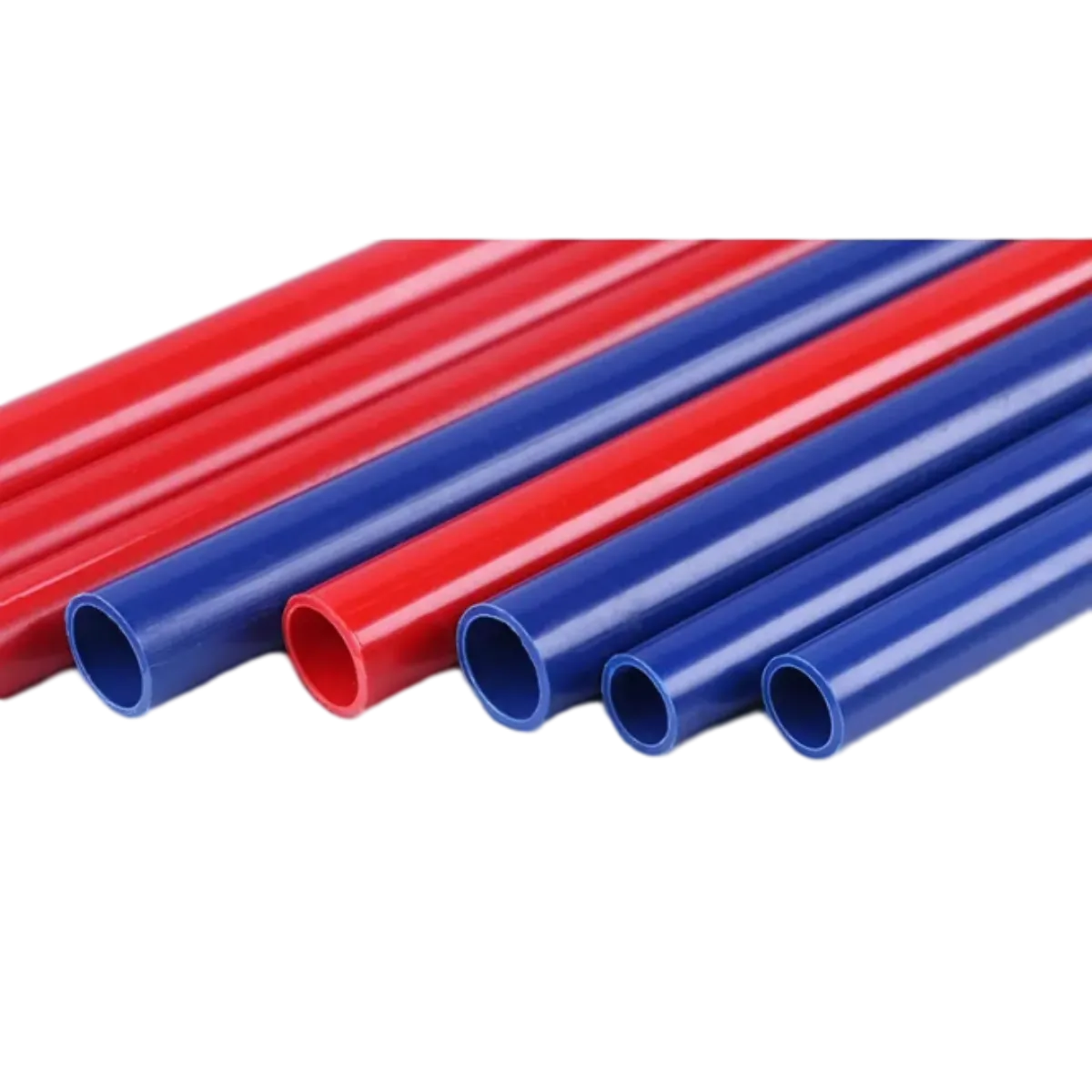
China 12-inch diameter Polyvinyl Chloride (PVC) pipe is a widely utilized infrastructure component for fluid conveyance in municipal, industrial, and agricultural applications. Positioned within the broader piping industry, PVC pipe competes with materials like ductile iron, concrete, and high-density polyethylene (HDPE). This specific size, 12 inches, represents a substantial capacity often employed in gravity-fed sewer lines, stormwater drainage, and large-scale irrigation systems. Core performance characteristics center around its chemical resistance, durability, cost-effectiveness, and relatively lightweight nature compared to metallic alternatives. However, long-term performance is heavily influenced by material grade, manufacturing quality control, installation practices, and exposure conditions. The increasing demand for robust and sustainable infrastructure drives continual refinement in PVC pipe formulations and manufacturing techniques within the Chinese industrial landscape.
Material Science & Manufacturing
The primary raw material for 12-inch diameter PVC pipe is Polyvinyl Chloride resin, typically sourced from ethylene dichloride (EDC) and vinyl chloride monomer (VCM) production. The resin’s molecular weight and chlorine content are critical parameters influencing final pipe properties. Additives play a crucial role, including impact modifiers (e.g., chlorinated polyethylene - CPE) to enhance toughness, heat stabilizers (e.g., organotin compounds, calcium-zinc stabilizers) to prevent degradation during processing and service, lubricants (e.g., stearic acid) to facilitate extrusion, and pigments (e.g., titanium dioxide) for coloration and UV protection. Manufacturing typically employs extrusion processes. PVC compound is fed into a single-screw or twin-screw extruder, where it is heated and plasticized. The molten PVC is then forced through a die to form the pipe shape. Critical parameters during extrusion include barrel temperature profiles (optimized to prevent degradation while ensuring complete fusion), screw speed (influencing throughput and melt homogeneity), and die pressure (affecting pipe dimensions and wall thickness). Following extrusion, pipes are cooled in a water bath to solidify the material and maintain dimensional stability. Quality control involves rigorous testing of material properties (tensile strength, impact resistance, hardness), dimensional accuracy (diameter, wall thickness, ovality), and hydrostatic pressure resistance. Chinese manufacturing often adheres to national standards (GB) alongside international benchmarks.
Performance & Engineering
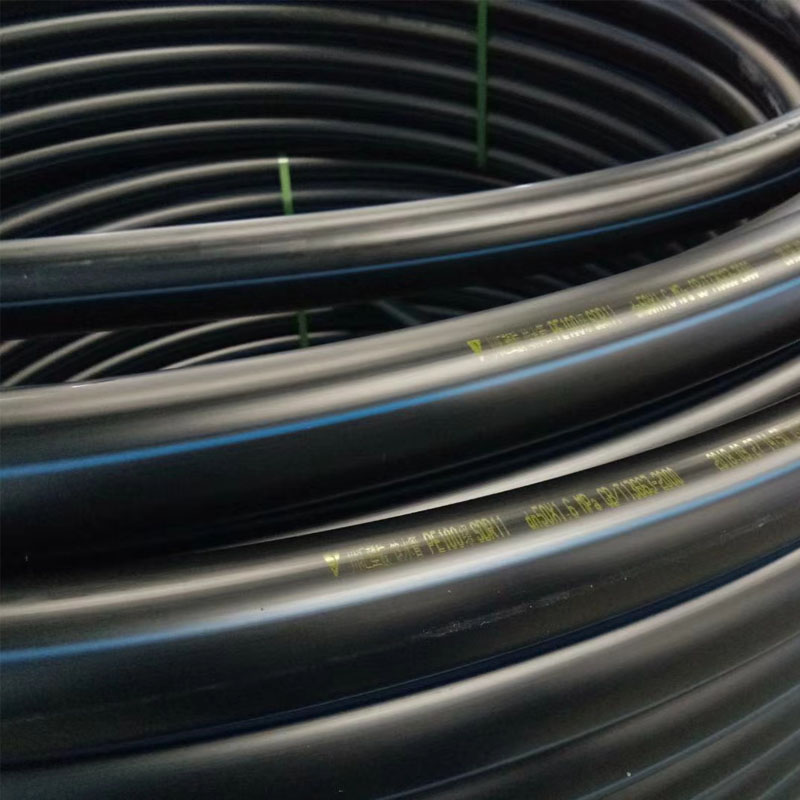
The structural performance of 12-inch diameter PVC pipe is governed by principles of ring stiffness and pressure containment. Ring stiffness, a measure of the pipe's resistance to flattening under external loads (soil pressure, traffic loads), is directly related to the pipe’s wall thickness and material modulus of elasticity. Engineering calculations, based on methods outlined in standards like ASTM D2412, determine the required ring stiffness for a given application and burial depth. The pipe must withstand internal hydrostatic pressure without failure, as dictated by the operating pressure of the conveyed fluid. Stress analysis, employing techniques like finite element analysis (FEA), is used to assess stress concentrations and ensure adequate safety factors. Long-term performance is significantly impacted by creep – the gradual deformation of the pipe material under sustained stress. Temperature plays a crucial role, as PVC’s mechanical properties degrade at elevated temperatures. Therefore, appropriate de-rating factors are applied in engineering designs to account for operating temperature and long-term creep effects. Chemical resistance is a key advantage of PVC, but it's not universal. Exposure to certain solvents and aggressive chemicals can cause swelling, cracking, or degradation. The compatibility of PVC with the conveyed fluid must be verified. Joints, typically achieved through solvent cementing, rubber gaskets, or mechanical couplings, are critical components and require careful consideration to ensure leak-proof performance and structural integrity. Installation practices, including proper bedding and backfill compaction, are also crucial for long-term performance.
Technical Specifications
| Parameter | Unit | Typical Value (China GB Standards) | Test Method |
|---|---|---|---|
| Nominal Diameter | inch | 12 | GB/T 5836.1 |
| Wall Thickness | mm | 6.5 – 10.6 (dependent on schedule) | GB/T 5836.3 |
| Pressure Rating | MPa | 0.6 – 1.6 (dependent on schedule) | GB/T 5836.4 |
| Ring Stiffness | N/m² | >500 (dependent on schedule) | GB/T 5836.5 |
| Tensile Strength | MPa | >60 | GB/T 5836.6 |
| Impact Strength (Charpy) | kJ/m² | >5 (at 20°C) | GB/T 18742 |
Failure Mode & Maintenance
Common failure modes in 12-inch diameter PVC pipe include: Brittle Fracture: Often initiated by impact damage or stress concentrations, particularly at low temperatures. Long-Term Creep: Gradual deformation under sustained stress leading to ovalation or collapse. Chemical Attack: Degradation caused by exposure to incompatible chemicals, resulting in cracking or swelling. UV Degradation: Loss of mechanical properties due to prolonged exposure to ultraviolet radiation. Joint Failure: Leakage or separation at solvent-cemented or gasketed joints due to improper installation or material deterioration. Slow Crack Growth (SCG): Initiation and propagation of cracks under sustained tensile stress in the presence of aggressive environments. Failure analysis typically involves visual inspection, microscopic examination of fracture surfaces, and chemical analysis to identify the root cause. Maintenance strategies include regular visual inspections to identify cracks, leaks, or deformations. Preventive maintenance should involve proper bedding and backfill procedures during installation to minimize stress on the pipe. Joints should be inspected periodically for signs of leakage or deterioration. For pipelines conveying aggressive fluids, material selection and compatibility testing are crucial. Repairs can involve patching, sleeving, or complete pipe replacement, depending on the severity of the damage. Avoiding excessive external loads and ensuring proper drainage around the pipeline can also extend its service life. Addressing ground movement or settlement is important to prevent stress on the pipe.
Industry FAQ
Q: What is the impact of soil corrosivity on the long-term performance of PVC pipe?
A: Soil corrosivity, particularly the presence of sulfates, chlorides, and organic acids, can accelerate the degradation of PVC pipe. These chemicals can leach out plasticizers, leading to embrittlement and cracking. Selecting PVC formulations with enhanced chemical resistance and implementing protective measures like cathodic protection (though less common with PVC than metal pipes) can mitigate these effects. Soil testing to assess corrosivity levels before installation is highly recommended.
Q: How does the schedule number (e.g., Schedule 40, Schedule 80) affect the pipe's performance?
A: The schedule number indicates the pipe's wall thickness. Higher schedule numbers denote thicker walls, resulting in increased pressure rating, ring stiffness, and resistance to impact damage. Schedule 80 pipe, for example, is significantly stronger and more durable than Schedule 40, but also more expensive and heavier. The appropriate schedule number is determined by the application's specific requirements.
Q: What are the critical considerations when solvent cementing PVC pipe?
A: Proper solvent cementing is crucial for achieving leak-proof joints. The pipe and fitting surfaces must be clean, dry, and free of debris. The correct primer and cement must be used, compatible with the PVC resin. Application must be done under suitable temperature and humidity conditions. Sufficient cement should be applied to ensure complete wetting of the surfaces, and the joint should be held firmly together for the recommended curing time.
Q: How does temperature affect the hydrostatic pressure rating of PVC pipe?
A: The hydrostatic pressure rating of PVC pipe decreases as temperature increases. This is because PVC’s tensile strength and modulus of elasticity decline at higher temperatures. Engineering designs must incorporate de-rating factors to adjust the pressure rating based on the maximum operating temperature. GB standards provide guidance on these de-rating factors.
Q: What are the advantages and disadvantages of using CPE as an impact modifier in PVC pipe?
A: CPE significantly enhances the impact resistance of PVC, particularly at low temperatures, making it more suitable for demanding applications. However, CPE can slightly reduce the overall tensile strength and long-term creep resistance of the PVC compound. Finding the optimal CPE concentration is a balancing act to achieve the desired impact performance without compromising other critical properties.
Conclusion
China 12-inch diameter PVC pipe remains a dominant material in numerous conveyance applications due to its cost-effectiveness, chemical resistance, and ease of installation. However, a thorough understanding of its material properties, manufacturing processes, and potential failure modes is essential for ensuring long-term reliability. Engineering design must account for factors such as temperature, pressure, soil conditions, and chemical compatibility to optimize performance and mitigate risks.
Future developments in PVC pipe technology are focused on enhancing material formulations with improved UV resistance, increased impact strength, and reduced environmental impact. The adoption of advanced manufacturing techniques and rigorous quality control procedures will further enhance the performance and durability of these vital infrastructure components. Continued adherence to relevant international standards will be crucial for ensuring the global competitiveness of China's PVC pipe industry.
-
DN25 HDPE Compression Fitting-HORON INTERNATIONAL|Reliable Irrigation Solutions
NewsFeb.11,2026
-
china hdpe corrugated pipe sizes Performance Analysis
News2026-05-13
-
china ppr pipe for hot and cold water Technical Overview
News2026-05-13
-
china 150mm pvc pipe Performance Analysis
News2026-05-13
-
china 60mm pvc pipe Performance Analysis
News2026-05-13
-
china 12 inch diameter pvc pipe Performance Analysis
News2026-05-13
-
china sprinkler pvc pipe Performance and Engineering
News2026-05-12
-
china ppr pipe 3 4 Performance Analysis
News2026-05-12
-
china hdpe sprinkler pipe Performance Analysis
News2026-05-12
-
china hdpe irrigation pipe fittings Performance Analysis
News2026-05-12
-
china whole sale pvc pipe Performance Analysis
News2026-05-12
-
china 25mm ppr pipe price Technical Analysis
News2026-05-11
-
china hdpe pipe pdf Performance Analysis
News2026-05-11
-
china 12 double wall corrugated pipe Performance Analysis
News2026-05-11
-
china water pipes under kitchen sink Performance Analysis
News2026-05-11
-
china 10 hdpe corrugated pipe Performance Analysis
News2026-05-11