

Feb . 11, 2026 00:01 Back to list
china 60mm pvc pipe Performance Analysis
Introduction
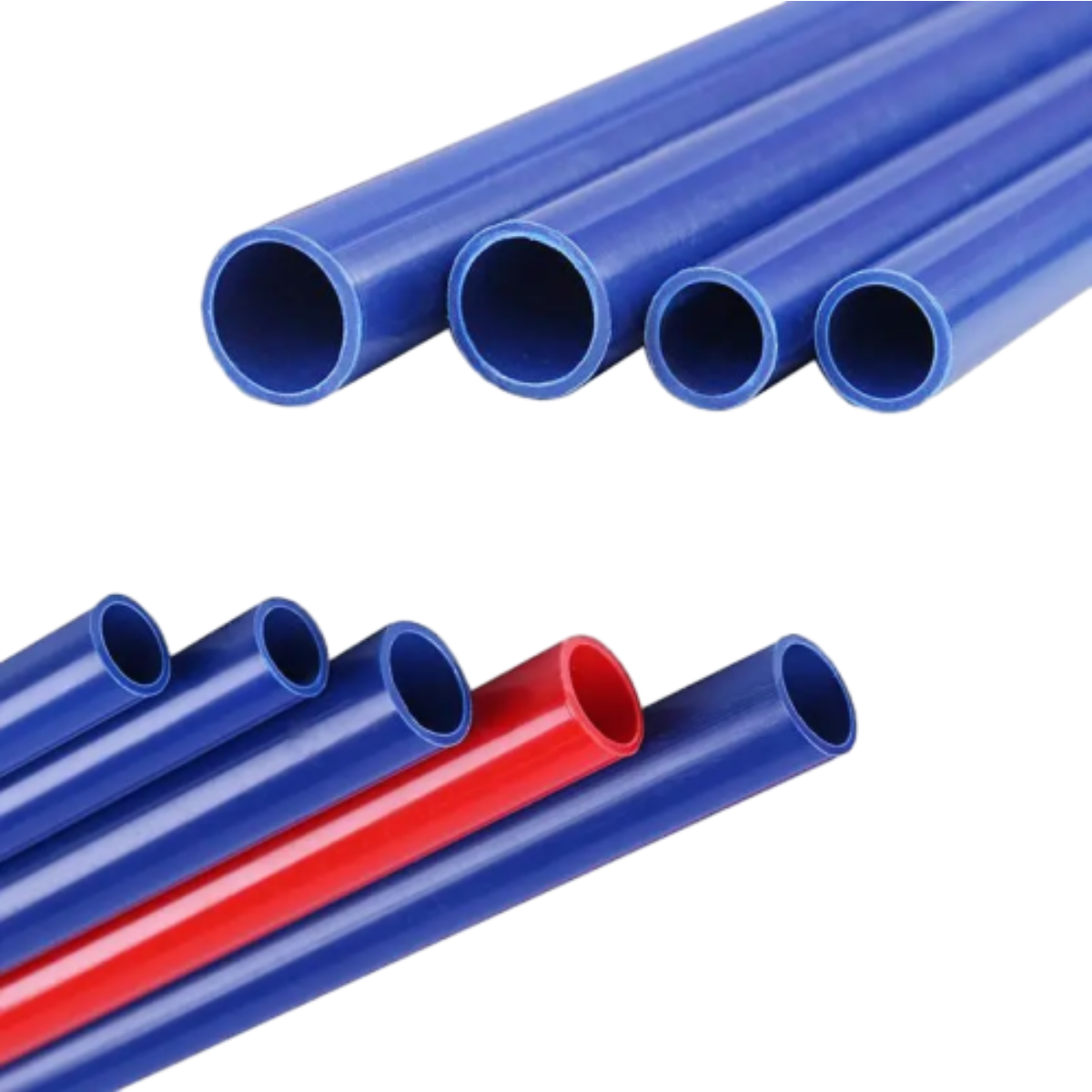
Polyvinyl chloride (PVC) pipe, specifically the 60mm diameter variant manufactured in China, is a ubiquitous component in modern infrastructure, serving diverse applications from potable water distribution and irrigation to wastewater management and industrial fluid conveyance. This technical guide provides an in-depth examination of 60mm PVC pipe, encompassing its material science, manufacturing processes, performance characteristics, potential failure modes, and relevant industry standards. Its prominence stems from a combination of cost-effectiveness, durability, relative ease of installation, and corrosion resistance, making it a compelling alternative to metallic piping systems. The pipe’s dimensional accuracy and smooth inner surface contribute to efficient fluid flow, minimizing frictional losses. However, understanding its limitations regarding temperature sensitivity and potential for UV degradation is crucial for ensuring long-term operational reliability. This document is geared towards engineers, procurement specialists, and technical professionals involved in the specification, installation, and maintenance of PVC piping systems.
Material Science & Manufacturing
The primary raw material for 60mm PVC pipe is polyvinyl chloride, a thermoplastic polymer produced through the polymerization of vinyl chloride monomer (VCM). The PVC compound utilized in pipe manufacturing is rarely pure PVC; it typically includes additives such as stabilizers (often lead-based or calcium-zinc based, increasingly the latter due to environmental concerns), lubricants (to facilitate processing), plasticizers (primarily phthalates or alternatives to enhance flexibility, though rigid PVC pipe generally contains minimal plasticizers), and impact modifiers (such as chlorinated polyethylene or acrylic impact modifiers to improve toughness). The proportion of these additives dictates the final properties of the pipe.
Manufacturing typically involves extrusion. PVC powder, along with the aforementioned additives, is fed into a twin-screw extruder. Here, the material is heated, melted, and homogenized under precisely controlled temperature profiles (typically ranging from 160°C to 210°C depending on the formulation). The molten PVC is then forced through a die that shapes it into a seamless pipe with the desired 60mm outer diameter and specified wall thickness. Subsequent cooling is achieved through a water bath, maintaining dimensional stability. Critical parameters during extrusion include screw speed, die temperature, haul-off speed (which dictates pipe length and diameter), and cooling water temperature. Quality control involves rigorous testing of the extruded pipe for dimensional accuracy, hydrostatic pressure resistance, and impact strength. The choice of extrusion die material (often tool steel) impacts surface finish and longevity of the die itself. Proper venting within the extruder is also critical to remove residual VCM monomer, ensuring compliance with safety regulations.
Performance & Engineering
The performance of 60mm PVC pipe is fundamentally governed by its mechanical properties and its resistance to environmental factors. Key mechanical properties include tensile strength (typically 55-65 MPa for rigid PVC), yield strength, elongation at break, and impact strength (measured using Izod or Charpy impact tests). The pipe’s ability to withstand internal pressure is critical, and is assessed via hydrostatic pressure testing according to standards like ASTM D1785. This testing involves pressurizing the pipe to a specified level (e.g., 2.5 times the working pressure) for a defined period to identify any leaks or failures.
Environmental resistance is another key consideration. PVC is susceptible to degradation from prolonged exposure to ultraviolet (UV) radiation, leading to embrittlement and discoloration. Therefore, UV stabilizers (often hindered amine light stabilizers – HALS) are incorporated into the formulation. The chemical compatibility of PVC with the transported fluid is also paramount. While generally resistant to many common chemicals, PVC can be affected by concentrated acids, strong oxidizing agents, and certain organic solvents. Temperature sensitivity is a significant limitation; PVC becomes brittle at low temperatures and can lose strength at elevated temperatures (above 60°C). Force analysis during installation and operation must consider thermal expansion and contraction, which can induce stresses in the pipe and joints. Proper jointing techniques (solvent welding, rubber gasket joints, or flanged connections) are critical to maintaining the structural integrity of the system and preventing leaks. Soil loading in buried applications must also be accounted for, often requiring bedding and backfill materials with appropriate compaction characteristics.
Technical Specifications
| Parameter | Unit | Typical Value (Schedule 40) | Typical Value (Schedule 80) |
|---|---|---|---|
| Outer Diameter | mm | 63.5 | 63.5 |
| Inner Diameter (Schedule 40) | mm | 54.8 | N/A |
| Inner Diameter (Schedule 80) | mm | N/A | 48.3 |
| Wall Thickness (Schedule 40) | mm | 4.35 | N/A |
| Wall Thickness (Schedule 80) | mm | N/A | 6.35 |
| Hydrostatic Pressure (Short Term – 23°C) | MPa | 6.2 | 10.3 |
| Tensile Strength | MPa | 55-65 | 55-65 |
Failure Mode & Maintenance
Several failure modes can affect 60mm PVC pipe. Fatigue cracking can occur under cyclic pressure or mechanical stress, particularly at joints or areas of stress concentration. Environmental stress cracking arises from the combined effect of tensile stress and exposure to aggressive chemicals. UV degradation leads to embrittlement and loss of impact strength, especially in exposed applications. Thermal deformation can occur due to excessive temperature fluctuations, causing warping or cracking. Joint failures are common, stemming from improper solvent welding (insufficient cleaning, incorrect solvent application, or inadequate curing time) or gasket failures due to damage or improper installation. Soil settlement in buried applications can induce excessive stress on the pipe, leading to cracking.
Maintenance practices include regular visual inspections for cracks, leaks, or discoloration. Joints should be periodically checked for tightness. For exposed pipes, reapplying UV-protective coatings may be necessary. In areas prone to soil settlement, periodic ground surveys and pipe support adjustments are recommended. If cracks are detected, repair options include pipe patching with PVC cement or replacement of the damaged section. For severe corrosion or degradation, complete pipe replacement is typically required. Preventative maintenance programs, including proper installation procedures and adherence to recommended operating conditions, are essential for maximizing the lifespan of the PVC piping system.
Industry FAQ
Q: What is the impact of differing PVC formulations (e.g., Type I vs. Type II) on long-term performance?
A: Type I PVC typically utilizes phthalate plasticizers, offering greater flexibility but potentially exhibiting slower recovery from deformation and a slightly reduced resistance to certain chemicals. Type II PVC uses alternative plasticizers, offering improved chemical resistance and potentially better long-term stability, though it may be slightly more rigid. The choice depends on the specific application and the chemicals the pipe will encounter. For potable water applications, Type II is often preferred due to increasing regulatory scrutiny of phthalates.
Q: How does the choice of solvent cement affect joint strength and longevity?
A: The solvent cement must be compatible with the PVC formulation. Using an inappropriate cement can result in weak joints prone to failure. Proper application is crucial: surfaces must be thoroughly cleaned with a primer to remove dirt and grease, the cement applied evenly, and sufficient curing time allowed (typically 24-72 hours, depending on temperature and humidity). Using a primer and cement approved by the pipe manufacturer is best practice.
Q: What are the limitations of using PVC pipe in high-temperature applications?
A: PVC’s mechanical properties degrade significantly at temperatures above 60°C. It can become brittle and lose its ability to withstand pressure. For high-temperature applications, alternative materials like CPVC (chlorinated PVC) or other thermoplastic polymers with higher temperature resistance should be considered.
Q: How does the pipe schedule (e.g., Schedule 40 vs. Schedule 80) impact its pressure rating and cost?
A: Higher schedule numbers indicate thicker walls, resulting in increased pressure ratings and greater mechanical strength. Schedule 80 pipe can withstand significantly higher internal pressures than Schedule 40. However, thicker walls also increase material cost and weight. The appropriate schedule is determined by the maximum operating pressure and any potential impact loads.
Q: What are the best practices for bedding and backfill when installing buried PVC pipe?
A: Bedding material should be a granular, non-corrosive material like sand or gravel, properly compacted to provide uniform support. Backfill material should also be granular and compacted in layers to avoid uneven loading. Avoid using rocks or debris that could damage the pipe. Proper compaction prevents settling and reduces the risk of stress cracking.
Conclusion
60mm PVC pipe, manufactured in China, remains a dominant force in piping applications due to its cost-effectiveness, durability, and ease of installation. A comprehensive understanding of its material science, manufacturing nuances, and performance characteristics is critical for ensuring successful implementation. While its limitations concerning temperature sensitivity and UV degradation necessitate careful consideration and appropriate mitigation strategies, these challenges can be effectively addressed through proper material selection, installation practices, and preventative maintenance.
The future of PVC pipe technology will likely focus on the development of more sustainable formulations, utilizing bio-based plasticizers and recycled PVC content, alongside advancements in UV stabilization technologies. Adherence to evolving international standards and best practices will remain paramount to guaranteeing the long-term reliability and environmental responsibility of PVC piping systems. Continued research into novel PVC compounds with enhanced performance properties will further solidify its position as a versatile and essential material in infrastructure development worldwide.
-
DN25 HDPE Compression Fitting-HORON INTERNATIONAL|Reliable Irrigation Solutions
NewsFeb.11,2026
-
china hdpe corrugated pipe sizes Performance Analysis
News2026-05-13
-
china ppr pipe for hot and cold water Technical Overview
News2026-05-13
-
china 150mm pvc pipe Performance Analysis
News2026-05-13
-
china 60mm pvc pipe Performance Analysis
News2026-05-13
-
china 12 inch diameter pvc pipe Performance Analysis
News2026-05-13
-
china sprinkler pvc pipe Performance and Engineering
News2026-05-12
-
china ppr pipe 3 4 Performance Analysis
News2026-05-12
-
china hdpe sprinkler pipe Performance Analysis
News2026-05-12
-
china hdpe irrigation pipe fittings Performance Analysis
News2026-05-12
-
china whole sale pvc pipe Performance Analysis
News2026-05-12
-
china 25mm ppr pipe price Technical Analysis
News2026-05-11
-
china hdpe pipe pdf Performance Analysis
News2026-05-11
-
china 12 double wall corrugated pipe Performance Analysis
News2026-05-11
-
china water pipes under kitchen sink Performance Analysis
News2026-05-11
-
china 10 hdpe corrugated pipe Performance Analysis
News2026-05-11