

Feb . 11, 2026 00:01 Back to list
china hdpe pipe for sale Performance Analysis
Introduction
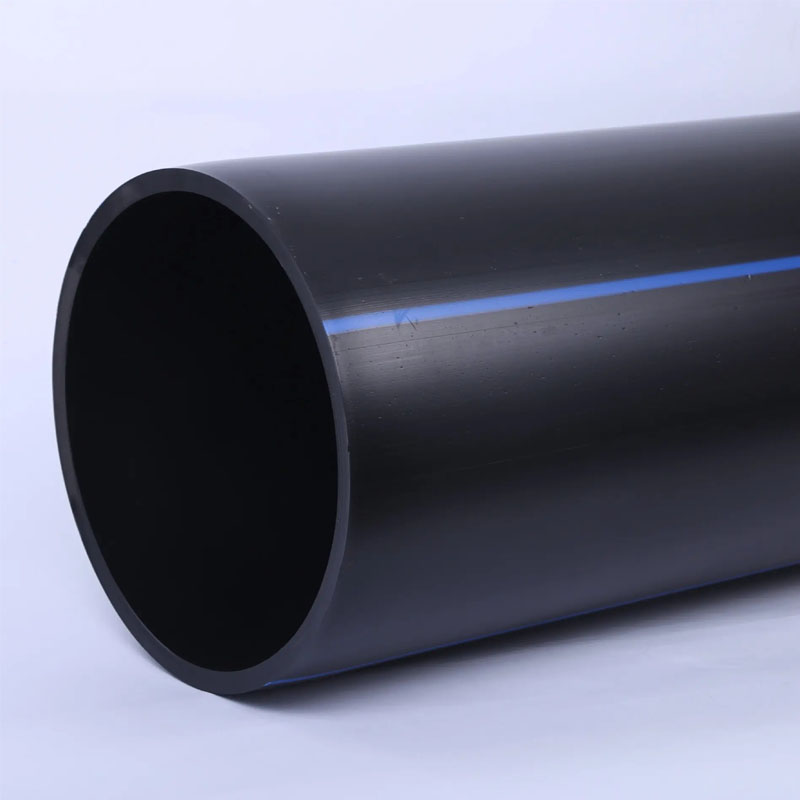
High-Density Polyethylene (HDPE) pipe, manufactured in China, represents a significant component in modern fluid and gas transmission systems. Positioned within the broader infrastructure supply chain, it serves as a crucial alternative to traditional materials like ductile iron, steel, and PVC. HDPE pipe's core performance characteristics – encompassing durability, chemical resistance, and lightweight construction – drive its increasing adoption in diverse applications including water distribution, gas pipelines, drainage systems, and industrial processing. The ‘china hdpe pipe for sale’ designation reflects a globally competitive market, characterized by extensive manufacturing capacity and a range of price points. However, understanding the nuances of material grades, manufacturing processes, and adherence to international standards is critical to ensuring long-term performance and reliability. A primary industry pain point revolves around inconsistent quality control from various manufacturers and the need for stringent verification of material properties and weld integrity.
Material Science & Manufacturing
HDPE pipe is produced from polyethylene resin, specifically high-density polyethylene (HDPE), a thermoplastic polymer derived from the polymerization of ethylene. The resin grade dictates several key properties, including molecular weight distribution, density (typically between 0.931 and 0.965 g/cm³), and melt flow index. Higher density generally translates to increased tensile strength and improved environmental stress crack resistance (ESCR). Manufacturing predominantly utilizes extrusion processes. The process begins with feeding the HDPE resin into an extruder, where it's heated and melted. This molten plastic is then forced through a die, shaping it into the desired pipe dimensions. Critical parameters during extrusion include temperature control (barrel zones and die), screw speed, and die pressure. Variations in these parameters directly influence the pipe's wall thickness uniformity, surface finish, and overall dimensional accuracy. Pipe diameters commonly range from 20mm to 1600mm, and wall thicknesses are categorized under Schedule 40, Schedule 80, and higher classifications to denote pressure handling capabilities. The fusion welding techniques most frequently employed are butt fusion, socket fusion, and electrofusion, each requiring precise temperature and pressure control to achieve homogenous and structurally sound joints. Quality control measures throughout the manufacturing process are essential; these include resin batch testing, dimensional inspections, hydrostatic testing (to verify pressure integrity), and impact resistance assessments.
Performance & Engineering
The performance of HDPE pipe is governed by its mechanical properties and resistance to environmental factors. Stress analysis is paramount in pipeline design, considering both internal pressure (burst pressure) and external loads (soil loading, traffic loads). HDPE exhibits a ductile failure mode, meaning it yields significantly before fracturing, providing a safety margin. However, long-term creep behavior, especially under sustained pressure, needs careful consideration, particularly in applications with elevated temperatures. Environmental resistance is a key advantage of HDPE; it's highly resistant to many chemicals, including acids, bases, and solvents, making it suitable for industrial applications. However, prolonged exposure to strong oxidizing agents and UV radiation can lead to degradation. To mitigate UV degradation, carbon black is commonly added to the HDPE formulation, acting as a UV stabilizer. Pipeline design must also account for thermal expansion and contraction of the HDPE material, employing expansion loops or flexible joints to prevent stress buildup. Compliance with relevant standards is critical. For potable water applications, compliance with NSF/ANSI 61 ensures the material doesn’t leach harmful contaminants into the water supply. For gas distribution, adherence to ASTM D2412 and other gas-specific standards is mandatory. The impact resistance, measured via Charpy or Izod impact tests, is particularly important in applications susceptible to ground movement or accidental damage.
Technical Specifications
| Parameter | Unit | Typical Value (China HDPE Pipe) | Test Standard |
|---|---|---|---|
| Density | g/cm³ | 0.950 – 0.965 | GB/T 1859.2 |
| Burst Pressure (PN10) | MPa | 1.0 | ISO 1167 |
| Hydrostatic Stress Resistance | h | ≥165 | GB/T 4357.2 |
| Long Term Hydrostatic Strength | MPa | ≥5.0 | ISO 1167 |
| Impact Resistance (Charpy, -20°C) | kJ/m² | ≥40 | ISO 148-14 |
| Environmental Stress Crack Resistance (ESCR) | h | ≥1000 | GB/T 20805.3 |
Failure Mode & Maintenance
HDPE pipe, while durable, is susceptible to specific failure modes. Slow Crack Growth (SCG), also known as Environmental Stress Cracking (ESCR), is a primary concern, often initiated by small defects or scratches and exacerbated by sustained stress and exposure to certain chemicals. Fatigue cracking can occur in pipelines subjected to cyclical loading, such as those near heavy traffic or seismic zones. Oxidation, particularly at elevated temperatures, can degrade the polymer matrix, reducing its mechanical properties. Joint failures are common, often resulting from improper welding procedures (insufficient heating, inadequate pressure) or contamination during the fusion process. Delamination can occur if the HDPE material is not properly fused during the extrusion process or if incompatible materials are used in joints. Maintenance strategies include regular visual inspections to identify cracks, bulges, or other anomalies. Leak detection surveys utilizing acoustic methods or tracer gases can pinpoint hidden leaks. For minor cracks or scratches, repair sleeves or patching compounds can be used, provided the repair material is compatible with HDPE. Preventive maintenance should include verifying cathodic protection systems (if applicable), ensuring adequate soil cover, and implementing traffic management measures to minimize external loads. Routine pressure testing and monitoring of pipeline flow rates can also help identify potential issues before they escalate into major failures.
Industry FAQ
Q: What is the impact of varying resin molecular weight distribution on the long-term creep resistance of HDPE pipe?
A: A broader molecular weight distribution (MWD) generally improves creep resistance. Higher molecular weight fractions provide increased entanglement, enhancing the polymer's ability to resist deformation under sustained load. However, a very broad MWD can also increase melt viscosity, potentially hindering processability during extrusion. The optimal MWD is a balance between creep resistance and processability, often tailored to the specific application and pipe dimensions.
Q: How does the choice of welding procedure (butt fusion, socket fusion, electrofusion) affect the long-term joint strength and reliability?
A: Butt fusion generally provides the strongest and most reliable joints, as it creates a homogenous fusion between the pipe ends. Socket fusion is suitable for smaller diameter pipes, but requires precise alignment and heating control. Electrofusion, while offering precise temperature control, can be more sensitive to surface contamination and requires careful monitoring of welding parameters. Proper welder training and adherence to standardized welding procedures are crucial for all methods.
Q: What are the key considerations when selecting HDPE pipe for potable water applications to ensure compliance with health regulations?
A: The HDPE resin must meet NSF/ANSI 61 requirements, demonstrating that it doesn’t leach harmful contaminants into the water. The pipe should also be certified to NSF/ANSI 357 for potable water distribution. Traceability of the resin batch and adherence to strict manufacturing quality control are essential. Regular flushing and disinfection of the pipeline are also recommended to maintain water quality.
Q: What is the role of carbon black in enhancing the durability of HDPE pipe exposed to outdoor UV radiation?
A: Carbon black acts as a UV stabilizer by absorbing UV radiation and dissipating it as heat, preventing degradation of the polymer chains. The concentration of carbon black directly impacts the level of UV protection. Higher concentrations provide greater protection but can also affect the pipe's color and surface properties. The type of carbon black (particle size, structure) also influences its effectiveness as a UV stabilizer.
Q: How does soil corrosivity influence the selection of HDPE pipe and any required protective measures?
A: While HDPE itself is chemically resistant, highly corrosive soils can accelerate degradation of the surrounding environment, potentially impacting the pipe's support structure or any metallic components (e.g., flanges, fittings). In highly corrosive environments, cathodic protection may be necessary to protect metallic components. Additionally, ensuring adequate soil cover and proper bedding materials can minimize exposure to corrosive elements and provide mechanical support.
Conclusion
China-manufactured HDPE pipe represents a cost-effective and versatile solution for a wide range of fluid and gas transmission applications. Its inherent properties – durability, chemical resistance, and lightweight construction – provide significant advantages over traditional materials. However, realizing these benefits requires a thorough understanding of material science, manufacturing processes, and adherence to stringent quality control measures. Careful consideration of factors such as resin grade, welding procedures, environmental conditions, and compliance with international standards is paramount.
The future of HDPE pipe technology focuses on the development of enhanced resin formulations with improved creep resistance, ESCR, and UV stability. Advanced manufacturing techniques, such as co-extrusion and multi-layer pipe construction, are also being explored to tailor pipe properties to specific applications. Increased emphasis on lifecycle cost analysis and sustainable materials will further drive the adoption of HDPE pipe in infrastructure projects globally, requiring increased vigilance on supply chain transparency and quality verification.
-
DN25 HDPE Compression Fitting-HORON INTERNATIONAL|Reliable Irrigation Solutions
NewsFeb.11,2026
-
china 32mm ppr pipe price Performance Analysis
News2026-05-14
-
china hdpe pipe for sale Performance Analysis
News2026-05-14
-
china ppr pipe 32mm Performance Analysis
News2026-05-14
-
china pvc pipes Manufacturing and Performance Analysis
News2026-05-14
-
china hdpe n 12 corrugated dual wall pipe Performance Analysis
News2026-05-14
-
china hdpe corrugated pipe sizes Performance Analysis
News2026-05-13
-
china ppr pipe for hot and cold water Technical Overview
News2026-05-13
-
china 150mm pvc pipe Performance Analysis
News2026-05-13
-
china 60mm pvc pipe Performance Analysis
News2026-05-13
-
china 12 inch diameter pvc pipe Performance Analysis
News2026-05-13
-
china sprinkler pvc pipe Performance and Engineering
News2026-05-12
-
china ppr pipe 3 4 Performance Analysis
News2026-05-12
-
china hdpe sprinkler pipe Performance Analysis
News2026-05-12
-
china hdpe irrigation pipe fittings Performance Analysis
News2026-05-12
-
china whole sale pvc pipe Performance Analysis
News2026-05-12