

Feb . 11, 2026 00:01 Back to list
china pvc pipe types and sizes Performance Analysis
Introduction
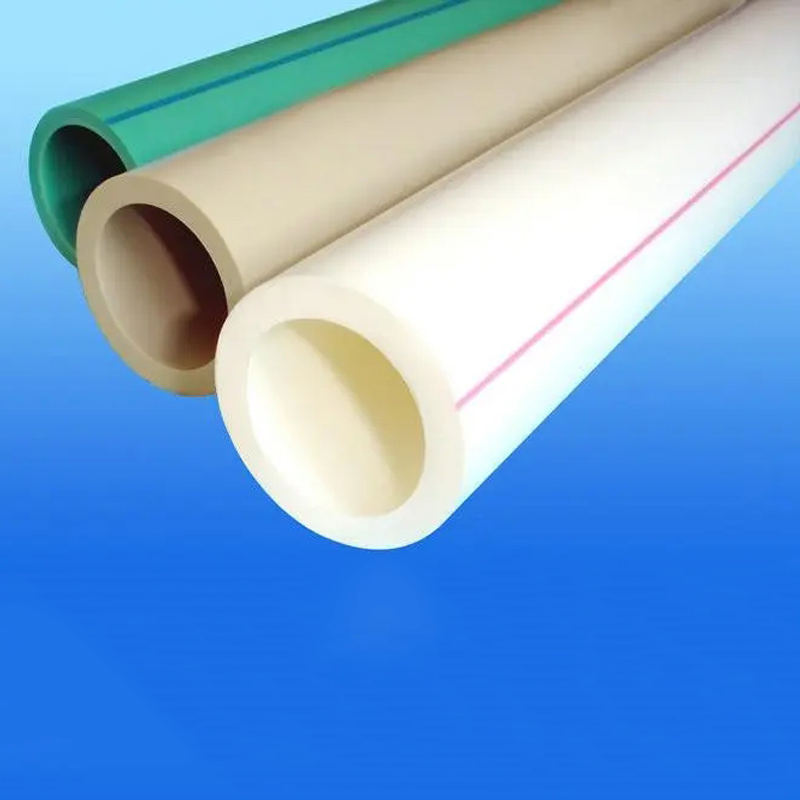
Polyvinyl chloride (PVC) pipes manufactured in China represent a significant portion of the global PVC pipe market, serving diverse applications including water distribution, wastewater management, irrigation, and industrial fluid transport. This technical guide provides an in-depth examination of China PVC pipe types and sizes, covering material science, manufacturing processes, performance characteristics, failure modes, and relevant industry standards. The proliferation of varying PVC formulations and manufacturing practices necessitates a thorough understanding of these parameters to ensure optimal performance, longevity, and adherence to international regulations. A critical pain point within the industry is ensuring consistent quality control across numerous Chinese manufacturers, demanding meticulous specification validation and robust testing protocols. PVC pipe’s technical position within the industry chain lies as a fundamental component of infrastructure, bridging raw material production (ethylene and chlorine) to end-user applications reliant on reliable fluid conveyance. Core performance aspects center on pressure rating, chemical resistance, temperature stability, and long-term durability.
Material Science & Manufacturing
PVC pipe’s foundation lies in the polymerization of vinyl chloride monomer (VCM). The resulting PVC resin, a thermoplastic polymer, is rarely used in its pure form for pipe production. Instead, it's compounded with various additives, including plasticizers (e.g., DOP, DINP), stabilizers (e.g., lead-based, calcium-zinc based, organic-based), lubricants, and impact modifiers (e.g., acrylic impact modifiers). The specific formulation dictates the pipe’s rigidity and application suitability. There are three primary types: Schedule 40 PVC (rigid, general-purpose), Schedule 80 PVC (more rigid, higher pressure applications), and CPVC (chlorinated PVC, higher temperature resistance). Raw material purity is crucial; lower-grade resins can lead to premature degradation and pipe failure. Manufacturing typically involves extrusion. PVC compound is fed into an extruder, where it’s heated and plasticized before being forced through a die to form the desired pipe shape. Precise control of extrusion temperature, screw speed, and die geometry is paramount. Cooling is achieved through water tanks, followed by cutting and finishing. Dimensional accuracy is verified through stringent quality control measures. Fusion welding, solvent cementing, or threaded connections are common joining methods. The impact of plasticizer migration over time is a critical consideration; plasticizers can leach out, reducing flexibility and potentially compromising long-term structural integrity. Maintaining consistent batch-to-batch consistency in material formulation is a significant manufacturing challenge.
Performance & Engineering
PVC pipe performance is heavily governed by hydrostatic pressure rating, dictated by the pipe's schedule (40, 80, etc.), diameter, and wall thickness. Force analysis incorporates hoop stress (circumferential stress due to internal pressure) and longitudinal stress. The long-term hydrostatic strength (LTHS) is a critical parameter, accounting for the reduction in strength over time due to creep and environmental factors. Chemical resistance is excellent for many common substances, but prolonged exposure to strong acids, alkalis, and certain solvents can cause degradation. Environmental resistance considerations include UV degradation (requiring UV stabilizers in outdoor applications), temperature sensitivity (PVC becomes brittle at low temperatures and can soften at high temperatures; CPVC extends the upper temperature limit), and soil stress (pipes buried underground are subject to external loads from soil and traffic). Compliance requirements vary by region and application, encompassing standards related to drinking water safety (NSF/ANSI 61), pressure testing, and material specifications. Fatigue analysis is essential for applications involving cyclical pressure or loading. The design must account for potential stress concentrations at joints and fittings. Proper bedding and backfill procedures are vital to prevent pipe deformation and failure in underground installations. Finite element analysis (FEA) is frequently employed to optimize pipe design and predict performance under various loading conditions.
Technical Specifications
| Parameter | Schedule 40 PVC | Schedule 80 PVC | CPVC (ASTM D1785) |
|---|---|---|---|
| Pressure Rating (psi at 73°F) | Up to 400 | Up to 600 | Up to 1000 |
| Temperature Rating (°F) | Up to 140 | Up to 140 | Up to 180-200 (depending on compound) |
| Density (g/cm³) | 1.40 - 1.45 | 1.40 - 1.45 | 1.50 - 1.60 |
| Tensile Strength (MPa) | 55-65 | 55-65 | 60-70 |
| Impact Strength (Izod Notched, J/m) | 400-600 | 600-800 | 500-700 |
| Oxygen Transmission Rate (OTR) (cm³/m²/day) | Low | Low | Low |
Failure Mode & Maintenance
Common failure modes in China PVC pipes include: 1) Hydrostatic Failure: Caused by exceeding the pressure rating, leading to rupture. 2) Environmental Stress Cracking (ESC): Initiated by prolonged exposure to certain chemicals or sustained tensile stress, resulting in cracks. 3) UV Degradation: Sunlight exposure causes embrittlement and surface cracking. 4) Thermal Distortion: Excessive temperatures can lead to softening and deformation. 5) Corrosion (due to additives): Leaching of plasticizers or degradation of stabilizers can contribute to material weakening. 6) Joint Failure: Improperly solvent-cemented or threaded connections can leak or fail. Preventative maintenance includes regular visual inspections for cracks, leaks, and signs of degradation. Pressure testing can identify potential weaknesses. For buried pipes, proper corrosion protection (e.g., cathodic protection) may be necessary in aggressive soil environments. Joints should be re-examined periodically. In cases of minor cracking, epoxy repair compounds can provide temporary fixes, but complete pipe replacement is often the most reliable long-term solution. Avoid exposing PVC pipes to excessive temperatures or harsh chemicals. Storage should be in a cool, dry, and shaded environment to minimize UV degradation.
Industry FAQ
Q: What is the impact of using recycled PVC content on pipe performance?
A: While recycled PVC can be incorporated, the percentage significantly impacts performance. High recycled content can reduce tensile strength, impact resistance, and long-term hydrostatic strength. Careful quality control and testing are essential to ensure the recycled material meets the required specifications and does not compromise the pipe’s structural integrity. Virgin PVC generally exhibits superior performance characteristics.
Q: How do different stabilizer formulations affect the service life of PVC pipe?
A: Stabilizer formulation is critical. Lead-based stabilizers were historically common but are now being phased out due to environmental concerns. Calcium-zinc stabilizers are a more environmentally friendly alternative, but they may offer slightly reduced thermal stability. Organic-based stabilizers are also used, but their long-term performance can vary. The choice of stabilizer impacts the pipe's resistance to degradation from heat, UV exposure, and chemical attack.
Q: What are the key differences between Schedule 40 and Schedule 80 PVC, and when should each be used?
A: Schedule 80 PVC has a thicker wall than Schedule 40 PVC, resulting in a higher pressure rating and increased rigidity. Schedule 40 is suitable for general-purpose applications like irrigation and low-pressure water distribution. Schedule 80 is preferred for higher-pressure applications, industrial processes, and situations where greater structural strength is required. Cost is also a factor; Schedule 80 is typically more expensive.
Q: How does soil corrosivity impact the lifespan of buried PVC pipe?
A: Highly corrosive soils can accelerate the degradation of PVC pipe, particularly if the soil contains high levels of sulfates or chlorides. These substances can leach into the pipe material, causing embrittlement and cracking. Protective measures, such as using a protective coating or employing cathodic protection, are recommended in corrosive soil environments. Proper bedding and backfill materials also help minimize stress and protect the pipe.
Q: What testing methods are used to verify the quality and performance of China-manufactured PVC pipe?
A: Common testing methods include hydrostatic pressure testing (ASTM D1598), impact testing (ASTM D2444), tensile testing (ASTM D887), and chemical resistance testing. Verification of dimensional accuracy is also crucial. Independent third-party testing and certification can provide an additional level of assurance regarding product quality and compliance with relevant standards.
Conclusion
China PVC pipe types and sizes offer a cost-effective and versatile solution for a wide range of fluid conveyance applications. However, understanding the nuances of material science, manufacturing processes, and performance characteristics is paramount to ensuring optimal longevity and reliability. The selection of the appropriate PVC formulation, schedule, and joining method must be based on a thorough assessment of the specific application requirements, including pressure, temperature, chemical exposure, and environmental conditions. Rigorous quality control and adherence to international standards are essential to mitigate the risks associated with variability in manufacturing practices.
Looking forward, advancements in PVC compounding, particularly the development of more sustainable plasticizers and stabilizers, will further enhance the performance and environmental profile of PVC pipes. Continued investment in research and development, coupled with stricter enforcement of quality control measures, will be crucial to maintaining the competitiveness and integrity of the China PVC pipe industry. Ultimately, a holistic approach encompassing material selection, manufacturing precision, and diligent maintenance will ensure the long-term success of PVC pipe infrastructure projects.
-
DN25 HDPE Compression Fitting-HORON INTERNATIONAL|Reliable Irrigation Solutions
NewsFeb.11,2026
-
china corrugated hdpe pipe fittings Performance Analysis
News2026-05-22
-
china ppr pipe for hot water Performance Analysis
News2026-05-22
-
china ppr Technical Performance Analysis
News2026-05-22
-
china corrugated dual wall pipe Performance Analysis
News2026-05-22
-
china sink inlet pipe Material Performance Analysis
News2026-05-22
-
china 1 2 inch pvc Performance Analysis
News2026-05-21
-
china hdpe pipe joint coupler Performance Analysis
News2026-05-21
-
china ppr pipes and fittings price list Technical Analysis
News2026-05-21
-
china 9 inch pvc pipe price Performance Analysis
News2026-05-21
-
china 2 inch borewell column pipe price Performance Engineering
News2026-05-21
-
china hdpe pipe suppliers Performance Analysis
News2026-05-20
-
china submersible pump column pipe Performance Engineering
News2026-05-20
-
china 8 hdpe corrugated pipe Manufacturing Analysis
News2026-05-20
-
china dual wall hdpe pipe Performance Analysis
News2026-05-20
-
china water lines under sink Performance Analysis
News2026-05-20