

Feb . 11, 2026 00:01 Back to list
china pvc pipe lengths Technical Performance Analysis
Introduction
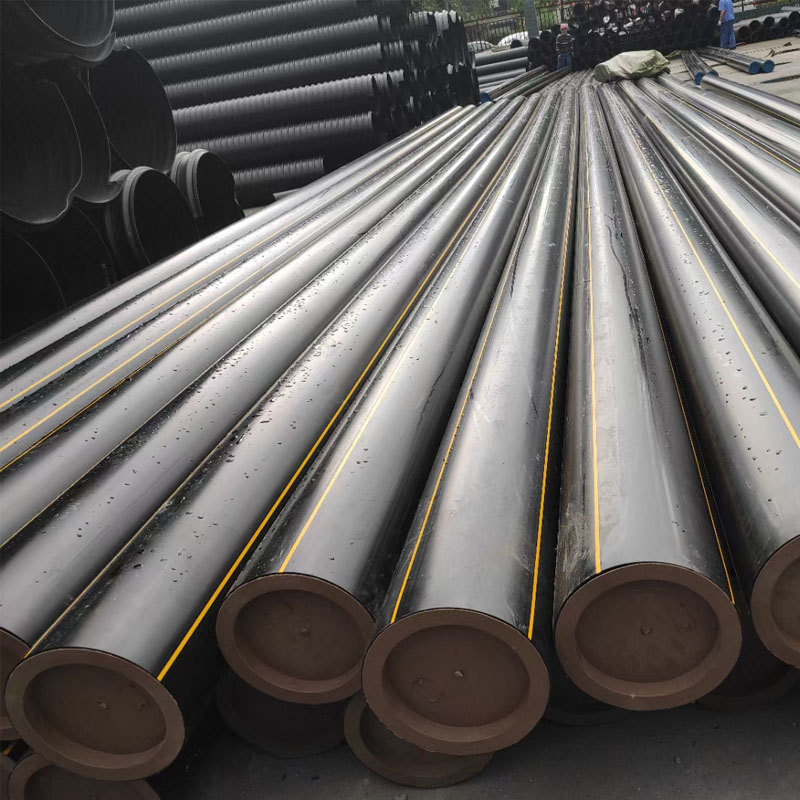
Polyvinyl Chloride (PVC) pipe, manufactured extensively in China, represents a significant component of modern infrastructure globally. These pipes are utilized in a diverse range of applications including potable water distribution, wastewater management, irrigation, and industrial fluid transport. The manufacturing process, material composition, and resulting performance characteristics of Chinese PVC pipes are subject to rigorous industry standards, albeit with nuances in interpretation and enforcement. This guide provides an in-depth technical overview of China PVC pipe lengths, encompassing material science, manufacturing processes, performance considerations, failure modes, and relevant international standards. A key challenge in the industry is maintaining consistent quality across a vast production capacity, addressing concerns regarding long-term durability, and ensuring compliance with evolving environmental regulations surrounding PVC production and disposal. The increasing demand for specialized PVC formulations and pipe dimensions further necessitates a thorough understanding of the underlying engineering principles and quality control procedures.
Material Science & Manufacturing
Chinese PVC pipe primarily utilizes PVC resin, commonly sourced as Suspension PVC (S-PVC). The resin’s properties, including molecular weight distribution and K-value (a measure of molecular weight), directly impact the pipe’s processability and final mechanical characteristics. Typical PVC formulations include plasticizers, stabilizers (often lead-based, calcium-zinc based, or organic-based depending on application and regulatory constraints), lubricants, and impact modifiers. Plasticizers, such as Di-Octyl Phthalate (DOP) or alternatives like DINP and DOTP, enhance flexibility, particularly for non-pressure applications. Stabilizers prevent thermal degradation during processing and extend the pipe’s service life. Manufacturing typically employs extrusion processes. PVC compound is fed into an extruder, where it is heated, melted, and forced through a die to form a continuous pipe. Key parameters include barrel temperature profile (typically 180-220°C), screw speed, and die temperature. Cooling is achieved via water baths, and the pipe is then cut to desired lengths. Dimensional control is crucial, demanding precise die design and calibration techniques. Jointing methods – solvent welding, threaded connections, or gasketed joints – impact the overall system performance and require careful consideration of PVC’s chemical resistance. The specific grade of PVC (Schedule 40, Schedule 80, etc.) dictates the wall thickness and pressure rating. China's large manufacturing scale necessitates robust quality control protocols at each stage, from raw material sourcing to final product inspection, to mitigate inconsistencies.
Performance & Engineering
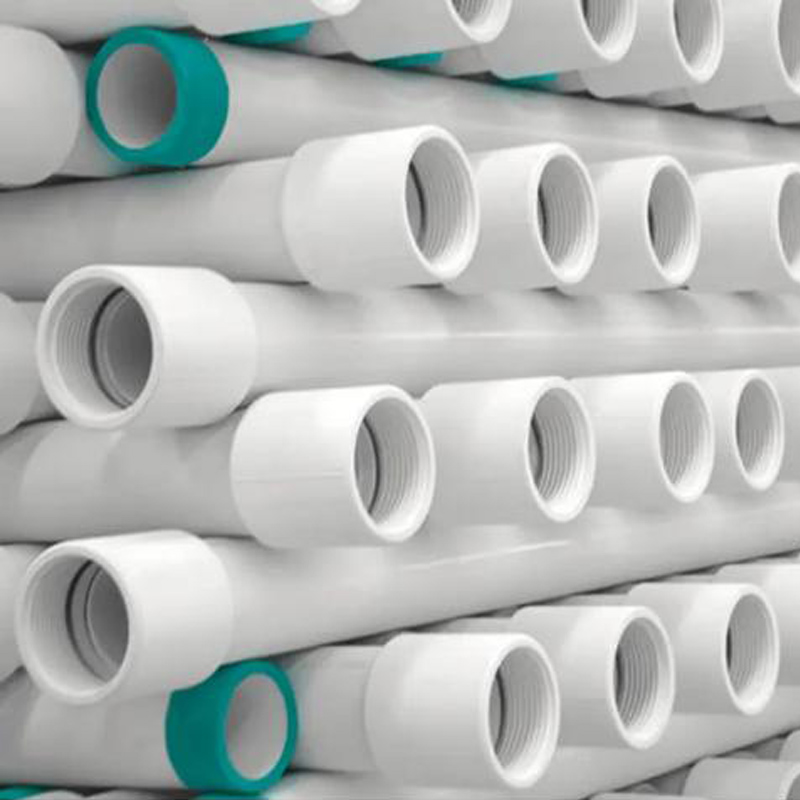
The performance of China PVC pipe is governed by several engineering principles. Hydrostatic pressure testing, conforming to standards like GB/T 5836.1, assesses the pipe’s ability to withstand internal pressure without failure. This testing involves pressurizing the pipe to specific levels for a defined duration. Tensile strength and elongation at break, determined by ASTM D638, indicate the pipe’s resistance to cracking under load. Impact resistance, evaluated by ASTM D2444, is crucial for applications prone to external shocks. Long-term performance is significantly influenced by creep resistance – the tendency to deform under sustained load – and environmental stress cracking (ESC), caused by the combined effects of stress and exposure to aggressive chemicals. UV degradation is another concern, particularly for above-ground applications, necessitating the inclusion of UV stabilizers in the PVC formulation. Finite Element Analysis (FEA) is increasingly used to optimize pipe designs and predict stress distribution under various loading conditions. Soil loading, thermal expansion/contraction, and potential ground settlement must all be considered in the engineering design. The chemical compatibility of PVC with the transported fluid is paramount; PVC is generally resistant to acids, alkalis, and salts, but can be affected by certain organic solvents and hydrocarbons. Proper selection of jointing compounds is also vital to maintain a leak-proof seal and prevent chemical attack.
Technical Specifications
| Parameter | Schedule 40 (mm) | Schedule 80 (mm) | Metric (DN) Series (mm) | Pressure Rating (MPa) @ 23°C |
|---|---|---|---|---|
| Outside Diameter | 110 | 114.3 | 110 | 1.0 |
| Wall Thickness | 3.2 | 4.2 | 3.2-4.2 | 0.8 |
| Burst Pressure | 45 | 65 | 50 | N/A |
| Tensile Strength | 55 | 60 | 55 | N/A |
| Impact Strength (Izod Notched) | 8 | 10 | 8 | N/A |
| Density | 1.40 | 1.40 | 1.40 | N/A |
Failure Mode & Maintenance
China PVC pipe is susceptible to several failure modes. Long-term hydrostatic stress can lead to slow crack propagation (SCP), particularly in stressed environments. This is exacerbated by low-quality PVC formulations or improper installation. Environmental stress cracking (ESC) occurs when the pipe is exposed to aggressive chemicals under tensile stress, resulting in brittle failure. UV degradation causes surface cracking and embrittlement, reducing the pipe’s structural integrity. Mechanical damage during handling or installation, such as gouges or punctures, creates stress concentrators and potential failure points. Joint failures can occur due to improper solvent welding (insufficient cleaning or incorrect cement application), gasket deterioration, or thread damage. Maintenance involves regular visual inspections for cracks, leaks, or discoloration. Pressure testing can identify hidden leaks. For buried pipelines, ground settlement or corrosion of surrounding materials can induce stress on the pipe. Preventative measures include using high-quality PVC formulations, ensuring proper installation techniques, providing adequate UV protection, and implementing corrosion protection measures for buried pipelines. Repair options include patching with PVC cement, replacing damaged sections, or using mechanical couplings. Proper storage of PVC pipes is crucial to prevent degradation; pipes should be stored in a cool, dry, and shaded area.
Industry FAQ
Q: What is the typical lifespan of a China-manufactured PVC pipe used in potable water distribution?
A: The lifespan varies significantly based on formulation, soil conditions, water chemistry, and operating pressure. However, a properly installed and maintained Schedule 80 PVC pipe typically has a service life of 50-75 years. Regular water quality monitoring and preventative maintenance are essential to maximize lifespan.
Q: How does the use of lead-based stabilizers impact the environmental compliance of Chinese PVC pipes?
A: Lead-based stabilizers are increasingly restricted due to environmental and health concerns. While still used in some applications, the trend is towards calcium-zinc and organic stabilizers. Compliance with RoHS and REACH regulations is critical for export markets, necessitating rigorous testing and documentation.
Q: What testing is required to verify the compliance of PVC pipes with international standards like ASTM D1785?
A: Compliance requires hydrostatic pressure testing, dimensional verification, material composition analysis, and impact resistance testing. Independent laboratory certification is highly recommended to ensure accurate and reliable results. Traceability of materials and manufacturing processes is also essential.
Q: What is the impact of differing interpretations of GB standards versus international standards (e.g., ASTM, ISO) on the quality of PVC pipe?
A: Differing interpretations can lead to variations in quality and performance. It's crucial to specify requirements clearly referencing specific editions of relevant standards and request independent third-party verification to ensure consistent quality regardless of manufacturing location.
Q: What are the key considerations when selecting PVC pipe for highly corrosive environments?
A: Selecting a PVC formulation with enhanced chemical resistance is vital. Consider using Chlorinated PVC (CPVC) which offers superior resistance to a wider range of chemicals. Proper jointing compounds compatible with the transported fluid are also critical. Conduct thorough chemical compatibility testing before installation.
Conclusion
China PVC pipe lengths represent a cost-effective and versatile solution for a wide range of infrastructure applications. However, achieving long-term reliability and ensuring compliance with international standards requires a deep understanding of the underlying material science, manufacturing processes, and potential failure modes. The quality of raw materials, precise control of extrusion parameters, and rigorous quality control procedures are paramount.
The industry is continually evolving, with a growing emphasis on sustainable PVC production practices, the development of enhanced formulations, and the adoption of advanced testing methodologies. Selecting reputable manufacturers, demanding independent third-party certification, and implementing comprehensive maintenance programs are essential for maximizing the lifespan and performance of China PVC pipe systems.
-
DN25 HDPE Compression Fitting-HORON INTERNATIONAL|Reliable Irrigation Solutions
NewsFeb.11,2026
-
china corrugated hdpe pipe fittings Performance Analysis
News2026-05-22
-
china ppr pipe for hot water Performance Analysis
News2026-05-22
-
china ppr Technical Performance Analysis
News2026-05-22
-
china corrugated dual wall pipe Performance Analysis
News2026-05-22
-
china sink inlet pipe Material Performance Analysis
News2026-05-22
-
china 1 2 inch pvc Performance Analysis
News2026-05-21
-
china hdpe pipe joint coupler Performance Analysis
News2026-05-21
-
china ppr pipes and fittings price list Technical Analysis
News2026-05-21
-
china 9 inch pvc pipe price Performance Analysis
News2026-05-21
-
china 2 inch borewell column pipe price Performance Engineering
News2026-05-21
-
china hdpe pipe suppliers Performance Analysis
News2026-05-20
-
china submersible pump column pipe Performance Engineering
News2026-05-20
-
china 8 hdpe corrugated pipe Manufacturing Analysis
News2026-05-20
-
china dual wall hdpe pipe Performance Analysis
News2026-05-20
-
china water lines under sink Performance Analysis
News2026-05-20