

Feb . 11, 2026 00:01 Back to list
china ppr pipes Performance Analysis
Introduction
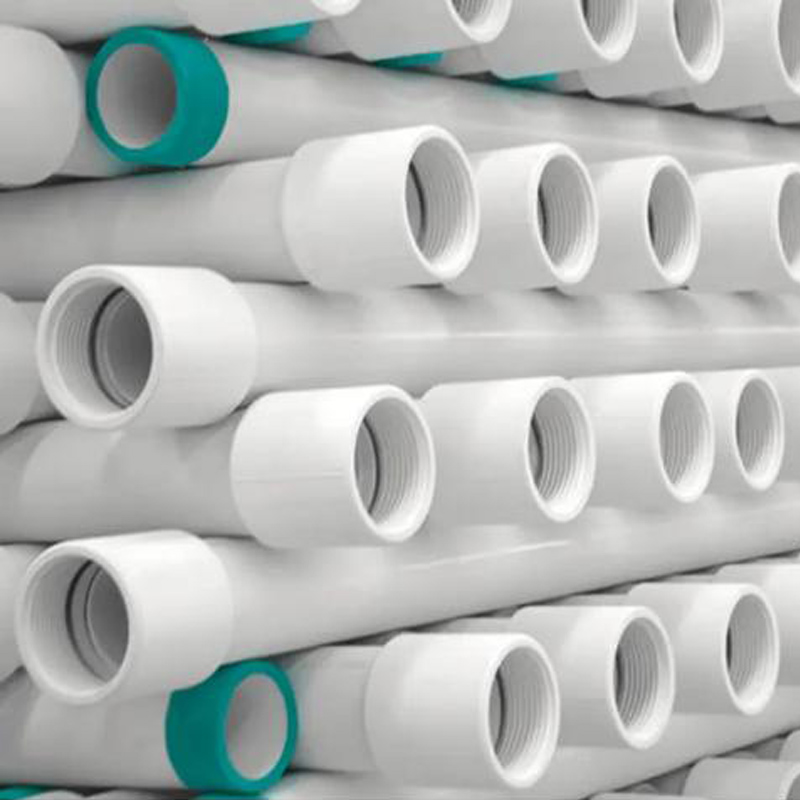
Polypropylene Random (PPR) pipes manufactured in China represent a significant segment of the global thermoplastic piping market. These pipes are utilized extensively in potable water supply, heating systems, and industrial applications due to their inherent properties of corrosion resistance, thermal stability, and cost-effectiveness. Positioned within the building and construction materials supply chain, PPR pipes compete with traditional materials like copper, PVC, and CPVC, offering a balance between performance and price. Core performance characteristics include pressure bearing capacity, temperature resistance (up to 95°C for sustained use, and 110°C for short-term exposure), and low thermal conductivity. A key industry pain point revolves around ensuring consistent material quality across diverse Chinese manufacturers, impacting long-term system reliability and adherence to international standards. Furthermore, proper installation techniques are crucial to realizing the full potential of PPR systems, often presenting a challenge due to varying skill levels among installers and insufficient training.
Material Science & Manufacturing
PPR pipes are primarily composed of polypropylene random copolymer, a thermoplastic polymer produced through the polymerization of propylene monomer. The “random” designation refers to the random distribution of comonomers (typically ethylene) within the polymer chain, contributing to improved flexibility and impact resistance compared to homopolymer polypropylene. Raw material properties are critically defined by Melt Flow Index (MFI), influencing processability and final product characteristics. Higher MFI indicates easier flow during processing but can negatively affect impact strength. Manufacturing typically employs extrusion processes. Polypropylene granules are fed into an extruder, melted, and forced through a die to form the pipe. Key parameters include extrusion temperature (typically between 190°C and 240°C), screw speed, and die pressure. Precise temperature control is paramount to avoid polymer degradation and ensure dimensional accuracy. Socket fusion and butt fusion are the predominant joining methods, requiring specialized heating tools to create homogenous welds. Quality control necessitates rigorous testing of raw materials and finished products, including hydrostatic pressure testing, impact testing (Charpy or Izod), and dimensional analysis. Chemical compatibility is also vital; PPR is generally resistant to many common chemicals but susceptible to oxidation by strong oxidizing agents.
Performance & Engineering
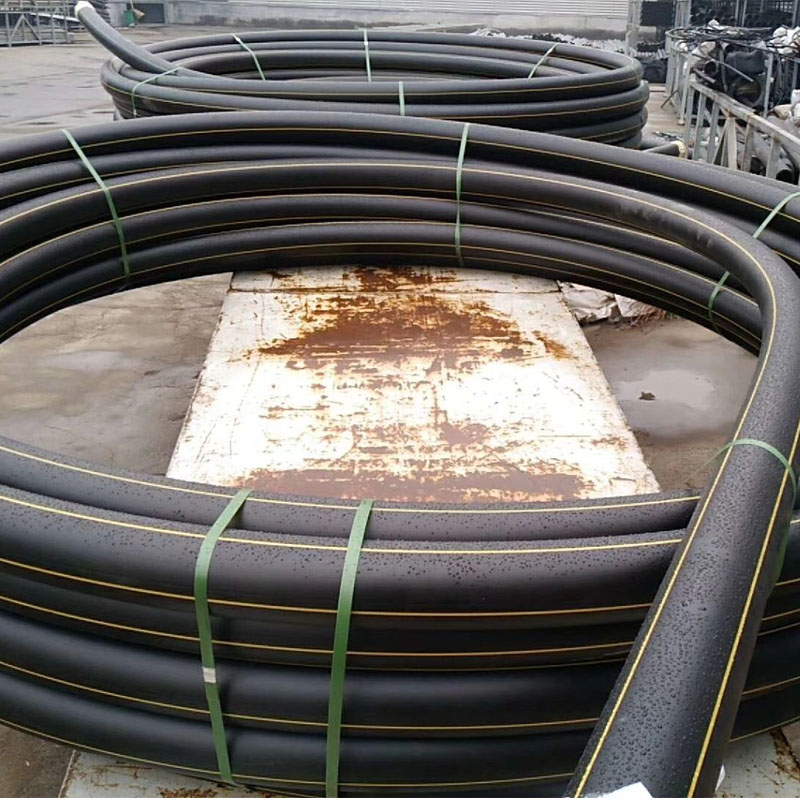
PPR pipe performance is fundamentally governed by hydrostatic pressure rating, directly related to pipe diameter and wall thickness. Force analysis under internal pressure requires consideration of hoop stress and longitudinal stress, calculated using Barlow’s formula and modified for temperature effects. Environmental resistance, particularly UV exposure, is a crucial factor. Prolonged UV exposure causes polymer degradation, leading to embrittlement and reduced strength. Therefore, PPR pipes intended for outdoor applications require UV stabilizers or protective coatings. Compliance with regional plumbing codes is essential, dictating permissible operating pressures and installation requirements. Thermal expansion and contraction are also significant considerations. PPR has a relatively high coefficient of thermal expansion (approximately 0.15 mm/m°C), necessitating expansion loops or flexible connectors to prevent stress buildup and potential pipe failure. Finite Element Analysis (FEA) is increasingly employed in design verification to optimize pipe geometry and assess structural integrity under various loading conditions. The long-term creep resistance of PPR is another critical performance parameter, especially for hot water applications; material formulations are optimized to minimize creep deformation over extended periods.
Technical Specifications
| Parameter | Unit | Typical Value (DN20) | Typical Value (DN110) |
|---|---|---|---|
| Nominal Diameter | mm | 20 | 110 |
| Pressure Rating (PN) | bar | 20 | 16 |
| Wall Thickness | mm | 3.2 | 4.2 |
| Maximum Operating Temperature | °C | 95 | 95 |
| Maximum Short-Term Temperature | °C | 110 | 110 |
| Melt Flow Index (MFI) | g/10min | 0.3 - 0.8 | 0.3 - 0.8 |
Failure Mode & Maintenance
Common failure modes in PPR piping systems include slow crack growth (SCG) due to residual stress and exposure to aggressive chemicals, particularly chlorinated water over prolonged periods. Fatigue cracking can occur from repeated pressure fluctuations and mechanical stress. Delamination can result from inadequate fusion during joining, leaving voids within the weld. Oxidation, as previously mentioned, leads to embrittlement, especially in UV-exposed pipes. Hydrostatic testing reveals leaks due to material defects or faulty joints. Maintenance typically involves visual inspection for cracks, leaks, and discoloration. Periodic pressure testing is recommended, particularly in critical applications. For minor leaks, re-fusion of the joint may be possible, but complete replacement is often the preferred solution for significant damage. Preventative maintenance includes proper water treatment to minimize chemical attack and the application of UV protective coatings for outdoor installations. Correct installation, adhering to manufacturer’s guidelines, is the most effective measure to mitigate failure. Avoid over-tightening fittings, ensuring adequate support to prevent mechanical stress, and protecting pipes from physical impact.
Industry FAQ
Q: What is the impact of water hardness on the longevity of PPR pipes?
A: High water hardness, containing significant calcium and magnesium deposits, can lead to scale buildup within PPR pipes. While PPR is resistant to scaling itself, the accumulated scale reduces the internal diameter, increasing flow resistance and potentially leading to localized pressure increases. This can exacerbate existing stresses and contribute to premature failure. Water softening systems are recommended in areas with extremely hard water.
Q: How do different PPR formulations (Type 1, Type 2, Type 3) affect performance characteristics?
A: PPR pipe formulations are categorized into Types 1, 2, and 3, differing in their MFI and density. Type 1 is used for cold water applications, Type 2 for hot and cold water, and Type 3 for hot water and industrial applications requiring higher temperature resistance. Type 3 offers superior creep resistance and strength at elevated temperatures, but is generally more expensive.
Q: What are the key considerations when selecting PPR fittings to ensure compatibility?
A: Fittings should always be of the same material as the pipe (PPR) and manufactured to the same standard. Mismatching materials can lead to galvanic corrosion or bonding issues. Ensure fittings have the appropriate pressure rating and diameter for the application. The quality of the fusion weld relies heavily on the dimensional accuracy and material compatibility of the fitting.
Q: What methods are used to verify the quality of welds made using socket fusion or butt fusion?
A: Visual inspection is the first step, looking for complete fusion and absence of voids or incomplete welds. Hydrostatic pressure testing is crucial to identify leaks. Destructive testing, such as peel tests or tensile tests, can be performed on sample welds to assess their strength. Specialized ultrasonic testing equipment can also be used to detect internal flaws.
Q: What is the typical service life expectancy of a properly installed and maintained PPR piping system?
A: A properly installed and maintained PPR piping system can have a service life expectancy of 50 years or more. However, this is contingent upon adherence to installation best practices, appropriate water quality management, and protection from UV exposure and mechanical stress. Regular inspections and preventative maintenance are essential for maximizing longevity.
Conclusion
China-manufactured PPR pipes represent a viable and increasingly sophisticated solution for a wide range of plumbing and industrial applications. Understanding the nuances of material science, manufacturing processes, and potential failure modes is crucial for ensuring long-term system reliability. The key to successful implementation lies in stringent quality control, adherence to international standards, and proper installation techniques.
Looking ahead, advancements in PPR formulations, including the incorporation of nano-materials to enhance mechanical properties and UV resistance, promise to further improve performance. Continued emphasis on installer training and the development of robust quality assurance programs are vital to address current industry pain points and solidify the position of Chinese PPR pipes in the global market.
-
DN25 HDPE Compression Fitting-HORON INTERNATIONAL|Reliable Irrigation Solutions
NewsFeb.11,2026
-
china corrugated hdpe pipe fittings Performance Analysis
News2026-05-22
-
china ppr pipe for hot water Performance Analysis
News2026-05-22
-
china ppr Technical Performance Analysis
News2026-05-22
-
china corrugated dual wall pipe Performance Analysis
News2026-05-22
-
china sink inlet pipe Material Performance Analysis
News2026-05-22
-
china 1 2 inch pvc Performance Analysis
News2026-05-21
-
china hdpe pipe joint coupler Performance Analysis
News2026-05-21
-
china ppr pipes and fittings price list Technical Analysis
News2026-05-21
-
china 9 inch pvc pipe price Performance Analysis
News2026-05-21
-
china 2 inch borewell column pipe price Performance Engineering
News2026-05-21
-
china hdpe pipe suppliers Performance Analysis
News2026-05-20
-
china submersible pump column pipe Performance Engineering
News2026-05-20
-
china 8 hdpe corrugated pipe Manufacturing Analysis
News2026-05-20
-
china dual wall hdpe pipe Performance Analysis
News2026-05-20
-
china water lines under sink Performance Analysis
News2026-05-20