

Feb . 11, 2026 00:01 Back to list
china ppr pipe for chilled water system Performance Analysis
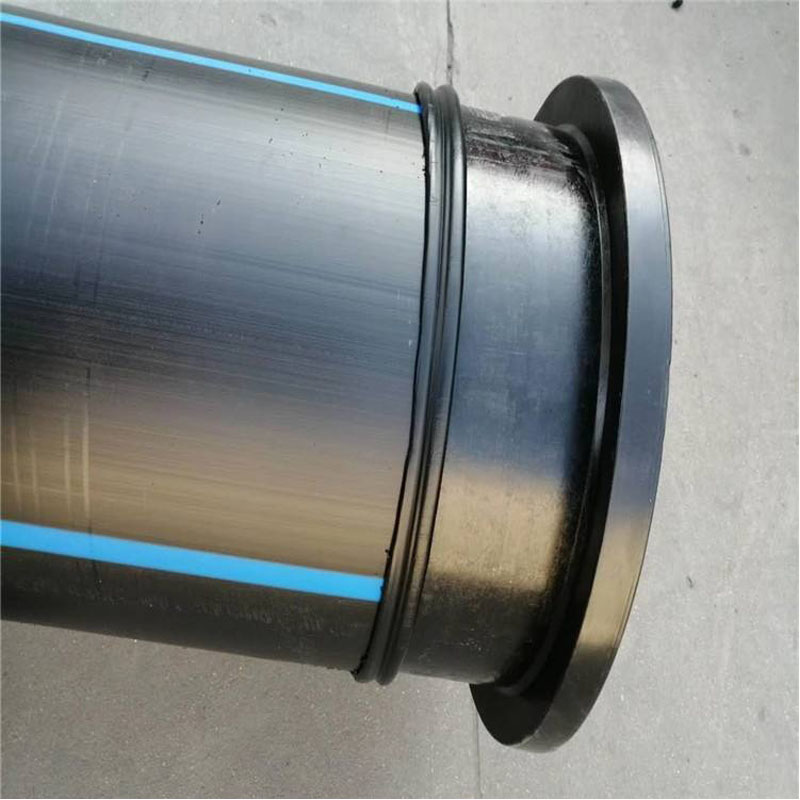
Introduction
Polypropylene Random (PPR) piping systems have become increasingly prevalent in chilled water applications due to their corrosion resistance, cost-effectiveness, and ease of installation. This technical guide focuses on PPR pipe specifically engineered for chilled water systems, manufactured in China, and delves into the material science, manufacturing processes, performance characteristics, potential failure modes, and relevant industry standards. Chilled water systems, vital for large-scale HVAC installations, demand materials capable of withstanding consistently low temperatures and associated thermal stresses. Chinese-manufactured PPR pipes offer a competitive solution, but require careful assessment of material quality and adherence to engineering best practices to ensure long-term system reliability. This document aims to provide a comprehensive resource for engineers, procurement managers, and maintenance personnel involved in the specification, installation, and operation of PPR chilled water piping.
Material Science & Manufacturing
PPR pipes are manufactured from polypropylene random copolymers. The “random” designation indicates a non-linear structure, resulting in improved impact resistance and flexibility compared to homopolymer polypropylene. The raw material is typically polypropylene resin blended with stabilizers (antioxidants and UV stabilizers) and, in some cases, clarifying agents to improve optical properties. Key physical properties influencing performance in chilled water applications include density (typically 0.905-0.92 g/cm³), tensile strength (typically 20-30 MPa), and elongation at break (typically 200-500%). Manufacturing processes primarily involve extrusion. Polypropylene granules are fed into an extruder where they are melted and forced through a die to create the pipe profile. Critical parameters during extrusion include melt temperature (190-230°C), die pressure, and cooling rate. Improper control of these parameters can lead to variations in wall thickness, residual stresses, and potential ovality. Socket fusion welding is the most common joining method for PPR pipes. This process utilizes a heating tool to melt the pipe and fitting surfaces, creating a homogenous weld. Precise temperature and pressure control during welding are crucial to ensure a strong, leak-proof joint. Pipe schedules (SDR – Standard Dimension Ratio) dictate the pressure-bearing capacity of the pipe; lower SDR values correspond to thicker walls and higher pressure ratings. For chilled water systems, SDR 11 or SDR 16 are commonly employed.
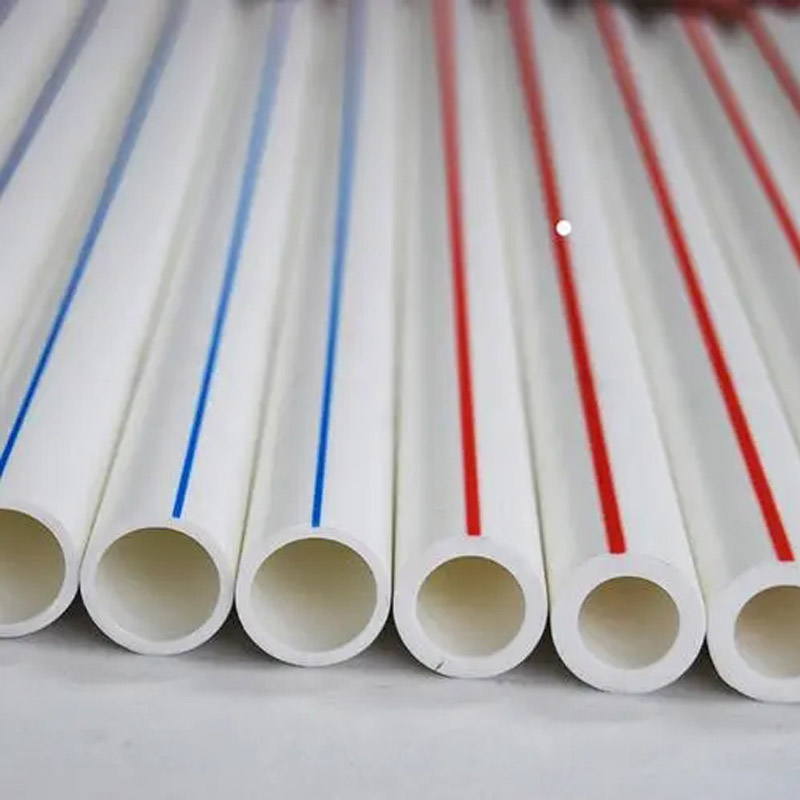
Performance & Engineering
The performance of PPR pipes in chilled water systems is primarily governed by their ability to withstand hydrostatic pressure, thermal stress, and chemical compatibility with the chilled water fluid. Hydrostatic pressure testing is essential to verify the integrity of the piping system. Engineering calculations must account for water hammer effects, which can generate significant pressure surges. PPR’s relatively low Young’s modulus (typically 1.1-1.5 GPa) imparts some flexibility, mitigating the impact of water hammer, but appropriate surge protection devices should still be considered. Thermal stress arises from the temperature differential between the chilled water and the ambient environment. PPR has a coefficient of linear thermal expansion of approximately 0.15 mm/m·°C. This expansion and contraction must be accommodated through expansion loops or flexible connectors to prevent stress cracking. Chemical compatibility is generally excellent with typical chilled water treatment chemicals, including glycols and corrosion inhibitors, provided concentrations are within recommended limits. However, prolonged exposure to certain aggressive chemicals should be avoided. Finite Element Analysis (FEA) is often employed to model stress distributions within the piping system and optimize support locations. The design must also adhere to local plumbing codes and industry standards regarding pipe support spacing and seismic restraint requirements. The impact resistance of PPR is a key consideration, particularly during installation and operation where accidental impacts can occur. Properly supported piping and careful handling procedures are essential.
Technical Specifications
| Parameter | Unit | SDR 16 | SDR 11 |
|---|---|---|---|
| Nominal Diameter | mm | 20-160 | 20-125 |
| Pressure Rating @ 20°C | bar | 16 | 25 |
| Burst Pressure @ 20°C | bar | 48 | 75 |
| Operating Temperature Range | °C | -20 to +70 | -20 to +70 |
| Tensile Strength | MPa | 22-28 | 25-32 |
| Elongation at Break | % | 300-600 | 400-700 |
Failure Mode & Maintenance
Common failure modes in PPR chilled water piping include slow crack growth (SCG) due to sustained stress and environmental factors, particularly at weld joints. SCG is often initiated by minor defects or residual stresses introduced during welding. Another potential failure mode is brittle fracture, especially at low temperatures if the material is susceptible to impact damage. UV degradation can also occur if pipes are exposed to direct sunlight for extended periods, reducing their mechanical properties. Corrosion is generally not a concern with PPR, but contamination of the chilled water with incompatible chemicals can lead to material degradation. Regular maintenance includes visual inspections for leaks, cracks, and signs of deformation. Pressure testing should be conducted periodically to verify system integrity. Weld joints should be carefully examined for any evidence of cracking or porosity. If leaks are detected, the affected section of pipe should be cut out and replaced using proper socket fusion welding techniques. Preventive maintenance measures include ensuring proper water treatment to maintain chemical compatibility and providing adequate support to prevent excessive stress on the piping. Thermal cycling should be minimized to reduce fatigue stresses. Proper insulation of the piping can help mitigate temperature fluctuations and prevent condensation.
Industry FAQ
Q: What is the acceptable level of weld joint deformation in a PPR chilled water system?
A: Any significant deformation (more than 1mm) at a weld joint is unacceptable and indicates a potential weakness. The weld should be smooth and consistent with the surrounding pipe material. Visual inspection is crucial, and non-destructive testing (e.g., ultrasonic testing) may be employed for critical applications to detect subsurface defects.
Q: How does glycol concentration in chilled water affect the long-term performance of PPR pipes?
A: While PPR exhibits good compatibility with glycols, higher glycol concentrations (above 30% by volume) can slightly reduce the material’s tensile strength and increase its susceptibility to SCG. Regular monitoring of glycol concentration and maintaining it within recommended limits is essential.
Q: What is the recommended maximum pipe support spacing for 63mm SDR 16 PPR pipe in a chilled water application?
A: Support spacing should not exceed 2 meters. Closer spacing may be required if the pipe is subject to significant vibration or thermal movement. Supports should be designed to prevent abrasion and allow for thermal expansion.
Q: Are there specific standards for testing the chemical resistance of PPR pipes used in chilled water systems?
A: ASTM F441 is relevant for evaluating the chemical resistance of PPR piping materials. However, specific testing protocols may vary depending on the water treatment chemicals used in the chilled water system. Manufacturers’ data sheets should be consulted for compatibility information.
Q: How do I identify potential SCG in PPR pipe before a catastrophic failure occurs?
A: Look for hairline cracks, particularly around weld joints or areas of high stress concentration. A noticeable change in pipe color or a slight odor may also indicate SCG. Regular visual inspections and pressure testing are the most effective methods for early detection.
Conclusion
PPR piping offers a viable and cost-effective solution for chilled water systems, particularly when sourced from reputable Chinese manufacturers. However, successful implementation hinges on a thorough understanding of the material’s properties, proper manufacturing control, and adherence to sound engineering practices. Careful attention to welding procedures, thermal stress management, and chemical compatibility is crucial to ensure long-term system reliability and minimize the risk of premature failure.
Future developments in PPR technology are focused on enhancing impact resistance, improving UV stability, and developing more robust welding techniques. Furthermore, advancements in non-destructive testing methods will enable more effective monitoring of system integrity. Proper material selection, meticulous installation, and proactive maintenance are all critical factors in maximizing the lifespan and performance of PPR chilled water piping systems.
-
DN25 HDPE Compression Fitting-HORON INTERNATIONAL|Reliable Irrigation Solutions
NewsFeb.11,2026
-
china corrugated hdpe pipe fittings Performance Analysis
News2026-05-22
-
china ppr pipe for hot water Performance Analysis
News2026-05-22
-
china ppr Technical Performance Analysis
News2026-05-22
-
china corrugated dual wall pipe Performance Analysis
News2026-05-22
-
china sink inlet pipe Material Performance Analysis
News2026-05-22
-
china 1 2 inch pvc Performance Analysis
News2026-05-21
-
china hdpe pipe joint coupler Performance Analysis
News2026-05-21
-
china ppr pipes and fittings price list Technical Analysis
News2026-05-21
-
china 9 inch pvc pipe price Performance Analysis
News2026-05-21
-
china 2 inch borewell column pipe price Performance Engineering
News2026-05-21
-
china hdpe pipe suppliers Performance Analysis
News2026-05-20
-
china submersible pump column pipe Performance Engineering
News2026-05-20
-
china 8 hdpe corrugated pipe Manufacturing Analysis
News2026-05-20
-
china dual wall hdpe pipe Performance Analysis
News2026-05-20
-
china water lines under sink Performance Analysis
News2026-05-20