

Feb . 11, 2026 00:01 Back to list
china ppr 3 4 price Performance Analysis
Introduction
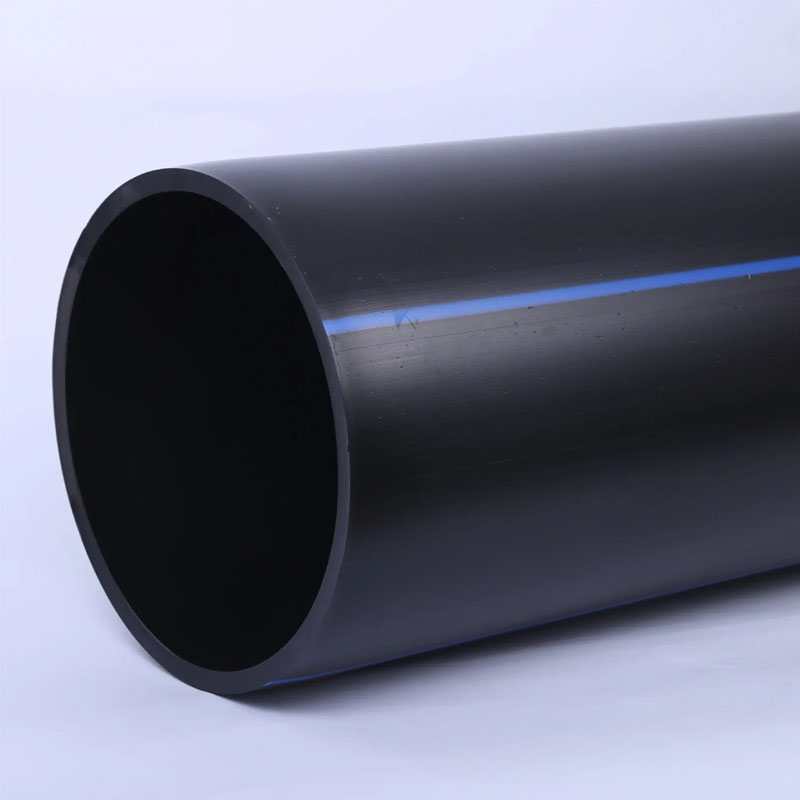
Polypropylene Random Copolymer (PPR) pipe, specifically the 3 and 4 series commonly referenced as "china ppr 3 4 price", represents a significant segment of the thermoplastic piping market. These pipes are predominantly utilized in hot and cold water distribution systems within residential, commercial, and industrial settings. The '3' and '4' designations refer to the System Number (S) classification, dictated by ISO 15876, indicating the hydrostatic pressure rating at 20°C – S3 being suitable for up to 20 bar and S4 for up to 25 bar. The competitive pricing stemming from Chinese manufacturing, denoted by “china ppr 3 4 price”, has led to its widespread adoption, necessitating a thorough understanding of its material properties, manufacturing processes, performance characteristics, and potential failure modes. This guide provides a comprehensive technical analysis, addressing critical aspects for procurement managers, engineers, and quality control personnel.
Material Science & Manufacturing
PPR pipe is manufactured from polypropylene random copolymer, a polymer derived from propylene monomer. The ‘random’ designation indicates the random distribution of comonomers (typically ethylene) within the polypropylene chain, disrupting the polymer's crystallinity and enhancing its impact resistance and flexibility compared to homopolymer polypropylene. Raw material selection is crucial; the polypropylene must adhere to standards like ISO 10731-1, specifying requirements for molecular weight distribution, melt flow rate (MFR – typically between 0.3 - 1.0 g/10min for PPR pipe), and ethylene content (generally between 4-7%).
The manufacturing process predominantly employs extrusion. Polypropylene granules are fed into an extruder, melted, and then forced through a circular die to create the pipe. Key parameters requiring precise control include extrusion temperature (typically between 190-230°C), die pressure, haul-off speed, and cooling rate. Variations in these parameters directly affect the pipe's dimensional accuracy, wall thickness uniformity, and surface finish. Further, quality control involves hydrostatic testing at various stages, adhering to ISO 11671, to verify pressure resistance. Socket fusion and electrofusion welding are the common joining methods, necessitating precisely machined fittings and adherence to welding parameters specified in ISO 15876-3. Improper welding can lead to weak joints and premature failure.
Performance & Engineering
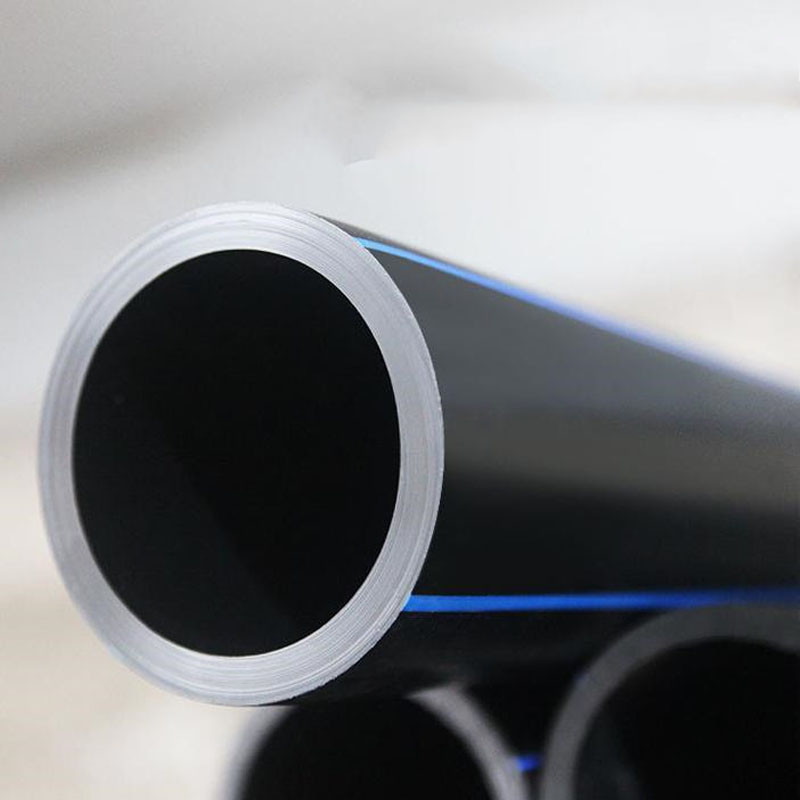
The performance of PPR pipes is governed by several key engineering principles. Hydrostatic pressure resistance, as mentioned earlier, is critical, validated by short-term and long-term hydrostatic strength tests as per ISO 11671. Thermal expansion is a significant consideration; PPR has a coefficient of thermal expansion approximately 10 times greater than steel (around 0.03 mm/m°C). Consequently, pipe installations require expansion loops and anchoring systems to accommodate thermal movement and prevent stress buildup that could lead to cracking. Chemical resistance is generally good, but prolonged exposure to strong oxidizing agents should be avoided. The pipes exhibit good resistance to many common household chemicals but compatibility testing is recommended for specific applications.
Force analysis under operational loads, including internal pressure, external soil loads (for buried applications), and dynamic loads (water hammer), is essential for ensuring long-term structural integrity. Furthermore, creep resistance—the tendency of the material to deform slowly under sustained stress—is a critical performance metric, especially at elevated temperatures. PPR materials exhibit creep behavior, and designs should account for this through appropriate safety factors and wall thickness calculations based on DIN 19569.
Technical Specifications
| Parameter | S3 (PN20) | S4 (PN25) | Standard Reference |
|---|---|---|---|
| Hydrostatic Pressure (20°C) | 20 bar | 25 bar | ISO 11671 |
| Hydrostatic Pressure (70°C) | 13 bar | 16 bar | ISO 11671 |
| Operating Temperature Range | -40°C to +95°C (Short Term +110°C) | -40°C to +95°C (Short Term +110°C) | DIN 19569 |
| Density | 0.905 - 0.925 g/cm³ | 0.905 - 0.925 g/cm³ | ISO 1183 |
| Melt Flow Rate (MFR) | 0.3 - 1.0 g/10min | 0.3 - 1.0 g/10min | ISO 1133 |
| Oxygen Permeability (OTR) | < 0.1 cm³/m²/day | < 0.1 cm³/m²/day | DIN 4726 |
Failure Mode & Maintenance
PPR pipes, while robust, are susceptible to several failure modes. Slow Crack Growth (SCG), induced by sustained tensile stress in conjunction with aggressive chemicals, is a primary concern. This manifests as brittle cracks propagating slowly over time. Another common failure mode is delamination, particularly in areas of poor welding or inconsistent wall thickness. UV degradation can also occur, especially in outdoor applications; prolonged exposure to sunlight can cause embrittlement and discoloration. Oxidation, primarily due to exposure to high temperatures and oxygen, can lead to material degradation and reduced mechanical properties. Furthermore, water hammer can cause sudden pressure surges, exceeding the pipe's pressure rating and leading to catastrophic failure.
Preventive maintenance involves regular visual inspections for leaks, cracks, and discoloration. Proper jointing procedures are crucial, ensuring complete fusion and avoiding excessive welding temperatures. For buried pipelines, corrosion protection (where applicable) and adequate bedding material are essential. Periodically flushing the system to remove sediment buildup can prevent blockages and reduce the risk of water hammer. In cases of detected cracks or leaks, sections should be replaced using compatible PPR fittings and adhering to proper welding protocols.
Industry FAQ
Q: What is the impact of varying water hardness on the lifespan of PPR pipes?
A: High water hardness can lead to scale buildup inside the PPR pipes, reducing the internal diameter and increasing flow resistance. While PPR is generally resistant to scale adhesion, significant buildup can create localized stress points and potentially contribute to delamination over the long term. Water softening systems are recommended in areas with extremely hard water.
Q: How do different welding techniques (socket fusion vs. electrofusion) affect the joint strength and reliability?
A: Electrofusion welding generally produces stronger and more reliable joints compared to socket fusion, due to the precise control of welding parameters (temperature, pressure, and time) achieved through electrical resistance heating. Socket fusion relies on manual heating, introducing more variability. However, proper training and adherence to manufacturer’s guidelines are critical for both techniques to achieve acceptable joint integrity.
Q: What are the key differences in performance between PPR-U, PPR-C, and PPR-GF materials?
A: PPR-U is the standard polypropylene random copolymer. PPR-C incorporates chlorinated polypropylene for enhanced chlorine resistance. PPR-GF contains glass fiber reinforcement, increasing stiffness and creep resistance, making it suitable for higher-temperature and higher-pressure applications. The selection depends on the specific application requirements and fluid composition.
Q: Can PPR pipes be used for compressed air systems?
A: Generally, PPR pipes are not recommended for compressed air systems. PPR has a relatively high permeability to gases, leading to air leakage. Furthermore, the impact resistance of PPR may be insufficient to withstand potential impacts from tools or equipment in a compressed air environment. Alternative materials, such as polyethylene or nylon, are more suitable for compressed air applications.
Q: What are the limitations of using 'china ppr 3 4 price' pipes in seismic zones?
A: PPR pipes are relatively brittle compared to more ductile materials like polyethylene. In seismic zones, the rigidity of PPR can make it more susceptible to cracking or fracturing under stress from ground movement. Flexible couplings and seismic bracing are crucial for mitigating these risks. A thorough seismic risk assessment and engineering design are necessary.
Conclusion
China ppr 3 4 price, representing PPR piping systems, offers a cost-effective solution for hot and cold water distribution, but demands careful consideration of material properties, manufacturing quality, and installation practices. Understanding the impact of factors such as thermal expansion, hydrostatic pressure, and potential failure modes is critical for ensuring long-term reliability and preventing premature system degradation. Proper welding techniques, adherence to relevant industry standards, and appropriate maintenance protocols are paramount to maximizing the service life and minimizing operational risks.
Future developments in PPR technology focus on enhancing material properties, such as improved creep resistance and UV stability, as well as incorporating smart features like leak detection sensors. Continued adherence to rigorous quality control standards and implementation of comprehensive system designs will be essential to further solidify the position of PPR as a viable and sustainable piping solution in diverse applications.
-
DN25 HDPE Compression Fitting-HORON INTERNATIONAL|Reliable Irrigation Solutions
NewsFeb.11,2026
-
china corrugated hdpe pipe fittings Performance Analysis
News2026-05-22
-
china ppr pipe for hot water Performance Analysis
News2026-05-22
-
china ppr Technical Performance Analysis
News2026-05-22
-
china corrugated dual wall pipe Performance Analysis
News2026-05-22
-
china sink inlet pipe Material Performance Analysis
News2026-05-22
-
china 1 2 inch pvc Performance Analysis
News2026-05-21
-
china hdpe pipe joint coupler Performance Analysis
News2026-05-21
-
china ppr pipes and fittings price list Technical Analysis
News2026-05-21
-
china 9 inch pvc pipe price Performance Analysis
News2026-05-21
-
china 2 inch borewell column pipe price Performance Engineering
News2026-05-21
-
china hdpe pipe suppliers Performance Analysis
News2026-05-20
-
china submersible pump column pipe Performance Engineering
News2026-05-20
-
china 8 hdpe corrugated pipe Manufacturing Analysis
News2026-05-20
-
china dual wall hdpe pipe Performance Analysis
News2026-05-20
-
china water lines under sink Performance Analysis
News2026-05-20