

Feb . 11, 2026 00:01 Back to list
china hdpe tube pipe Manufacturing Analysis
Introduction
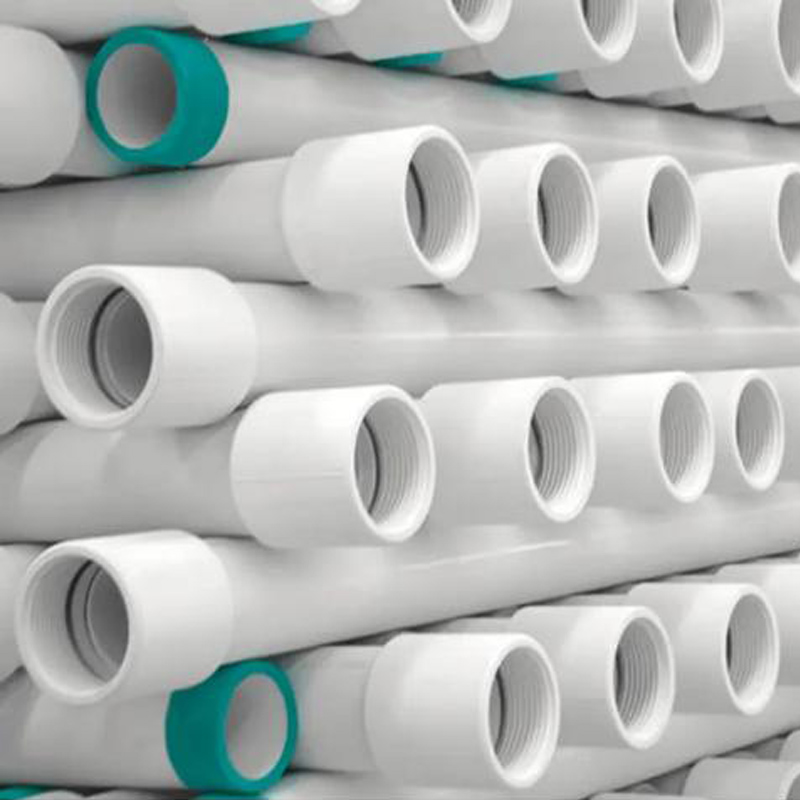
High-Density Polyethylene (HDPE) tube pipe, manufactured in China, represents a significant segment of the global polyethylene piping market. Positioned within the infrastructure supply chain, it serves crucial roles in water distribution, gas transmission, industrial fluid handling, and drainage systems. These pipes are valued for their durability, corrosion resistance, and cost-effectiveness, offering a compelling alternative to traditional materials like ductile iron and steel. Core performance characteristics include pressure bearing capacity, tensile strength, and environmental stress crack resistance (ESCR), which determine suitability for various applications and operating conditions. The Chinese manufacturing base provides a substantial production capacity catering to both domestic and international demand, often emphasizing competitive pricing alongside evolving quality standards. Understanding the nuances of Chinese HDPE pipe production, material properties, and industry standards is critical for procurement professionals and engineers alike.
Material Science & Manufacturing
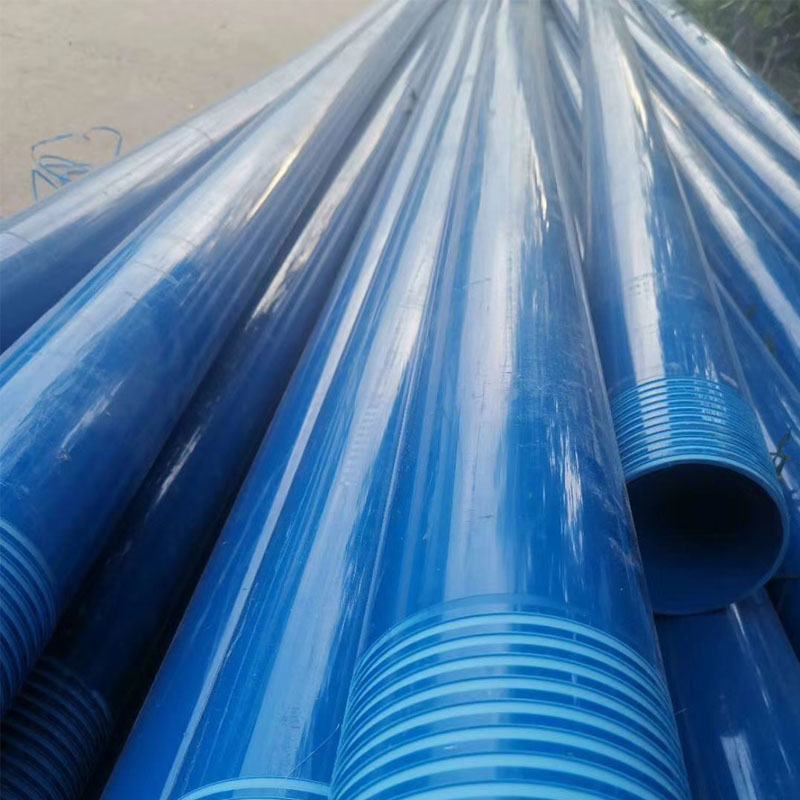
HDPE tube pipe derives its properties from the polymerization of ethylene, resulting in a thermoplastic with a high degree of linearity. The raw material, typically a resin grade specified by density (ranging from 0.93 to 0.97 g/cm³ for pipe applications), dictates key physical characteristics. Manufacturing commonly employs extrusion processes. The process begins with HDPE resin being fed into a hopper, then conveyed by a screw mechanism into a heated barrel. This melting process is meticulously controlled, with temperature profiles (typically between 180°C and 260°C, varying with resin grade) influencing viscosity and preventing degradation. A die, precisely engineered to the desired pipe dimensions, shapes the molten polyethylene. Critical parameters during extrusion include die temperature, screw speed, and haul-off speed, all impacting wall thickness uniformity and dimensional accuracy. Cooling is achieved through water baths or air cooling, followed by precise cutting to specified lengths. Butt fusion, electrofusion, and mechanical fittings are commonly used for joining pipe segments. Quality control is essential, with stringent checks for resin purity, melt flow index (MFI – a measure of viscosity), and hydrostatic pressure testing to verify long-term strength. The addition of carbon black is a common practice to enhance UV resistance, particularly for above-ground applications, impacting the final product’s long-term performance in sunlight exposure.
Performance & Engineering
The performance of HDPE tube pipe is governed by several engineering principles. Hydrostatic design stress (HDS) calculations, based on pipe diameter, wall thickness, and material’s minimum yield strength (MRS), determine maximum allowable operating pressure. The pipe's ability to withstand internal pressure is critical, particularly in water distribution systems. Sustained pressure testing and burst pressure testing are performed according to standards like ISO 1167 to validate design assumptions. Environmental factors, specifically temperature variations, significantly influence HDPE’s behavior. While HDPE maintains ductility at low temperatures, high temperatures can reduce its strength and increase creep. Soil loading, encompassing external pressure from backfill, is another key consideration. Proper bedding and backfill procedures are crucial to prevent pipe deformation and potential failure. Chemical compatibility is paramount, especially when conveying corrosive fluids. HDPE exhibits excellent resistance to many chemicals, but prolonged exposure to strong oxidizing agents or hydrocarbons can induce degradation. Long-term creep resistance, the ability to withstand sustained loads over extended periods without significant deformation, is assessed through creep rupture testing, informing service life predictions. The tensile strength and elongation at break are key material properties that define the pipe's resistance to fracture under stress. Fatigue analysis, considering cyclic loading from pressure fluctuations or soil movement, is also vital in critical applications.
Technical Specifications
| Parameter | Unit | Typical Value (DN/ID 110mm, SDR 17) | Testing Standard |
|---|---|---|---|
| Outside Diameter | mm | 125 | GB/T 5817.1-2006 |
| Inside Diameter | mm | 110 | GB/T 5817.1-2006 |
| Wall Thickness | mm | 7.5 | GB/T 5817.1-2006 |
| Pressure Rating (PN) | bar | 10 | ISO 1167 |
| Hydrostatic Stress (MRS) | MPa | 5.0 | ISO 1167 |
| Melt Flow Index (MFI) | g/10min | 0.5 – 1.0 | GB/T 18442.2-2008 |
Failure Mode & Maintenance
Several failure modes can affect HDPE tube pipe. Slow Crack Growth (SCG), or Environmental Stress Cracking (ESC), is a primary concern, particularly in applications involving sustained tensile stress and exposure to aggressive chemicals. This initiates from surface flaws and propagates slowly through the material. Fatigue cracking can occur under cyclic pressure or external loads, leading to brittle fracture. Oxidative degradation, caused by exposure to UV radiation and oxygen, results in embrittlement and loss of mechanical properties. Joint failures, often related to improper fusion techniques or inadequate surface preparation, are common points of weakness. Soil subsidence or excessive loads can cause pipe deformation and cracking. Maintenance involves regular visual inspections for signs of cracking, deformation, or joint leakage. Pressure testing can identify areas of reduced integrity. For minor cracks, heat welding techniques can be employed for repair. For significant damage, pipe replacement is generally the most reliable solution. Proper installation practices, including adequate bedding support and appropriate jointing procedures, are crucial preventative measures. Consideration should be given to cathodic protection in electrically conductive soil environments to mitigate corrosion of any metallic components associated with the piping system. Thorough flushing of the pipeline system is recommended to remove debris and prevent blockages.
Industry FAQ
Q: What are the key differences between PE80, PE100, and PE40 HDPE pipe materials?
A: These designations refer to the pipe's Minimum Required Strength (MRS), a measure of long-term hydrostatic strength. PE80 has an MRS of 5.0 MPa, PE100 has an MRS of 6.3 MPa, and PE40 has an MRS of 3.2 MPa. Higher MRS values indicate increased pressure bearing capacity and improved long-term durability. PE100 is generally preferred for more demanding applications, while PE80 and PE40 are suitable for lower-pressure systems.
Q: What is the significance of the SDR (Standard Dimension Ratio) in HDPE pipe selection?
A: SDR is the ratio of the pipe's outside diameter to its wall thickness (D/t). A lower SDR value indicates a thicker wall and, consequently, a higher pressure rating. Selecting the appropriate SDR is critical to ensure the pipe can withstand the anticipated operating pressure and external loads. Higher pressures require lower SDR values and thicker walls.
Q: How does the quality of HDPE pipe manufactured in China compare to European or North American standards?
A: Historically, there were concerns regarding quality consistency in Chinese HDPE pipe manufacturing. However, significant improvements have been made in recent years. Many Chinese manufacturers now adhere to international standards like ISO and EN, and independent certification programs are becoming increasingly prevalent. It is essential to verify the manufacturer’s certifications and conduct thorough quality control inspections.
Q: What are the recommended bedding materials and installation procedures for HDPE pipe in various soil conditions?
A: Proper bedding is crucial to prevent pipe deformation and stress cracking. In stable soil, a minimum bedding depth of 300mm is recommended, using granular materials like sand or gravel. In unstable soil, increased bedding depth and the use of compacted granular layers are necessary. Avoid sharp rocks or debris that could damage the pipe. Follow manufacturer’s guidelines and local regulations for installation procedures.
Q: What methods are available for detecting leaks in buried HDPE pipe systems?
A: Common leak detection methods include acoustic leak detection (listening for the sound of escaping fluid), tracer gas detection (injecting a harmless gas into the pipe and detecting its presence at the surface), and correlation techniques (analyzing pressure fluctuations to pinpoint leak locations). Ground Penetrating Radar (GPR) can also be used to locate buried pipes and identify potential damage.
Conclusion
China-manufactured HDPE tube pipe represents a competitive and increasingly reliable solution for a wide range of infrastructure applications. The material’s inherent properties – durability, corrosion resistance, and flexibility – combined with advancements in manufacturing technology, make it a viable alternative to traditional piping materials. However, successful implementation necessitates a thorough understanding of material science, engineering principles, and relevant industry standards.
Selecting the appropriate pipe grade (PE80, PE100, etc.), SDR, and installation procedures are crucial for ensuring long-term performance and preventing premature failure. Prioritizing quality control, verifying manufacturer certifications, and adhering to best practices in installation and maintenance will maximize the lifespan and reliability of HDPE pipe systems, providing a cost-effective and sustainable infrastructure solution.
-
DN25 HDPE Compression Fitting-HORON INTERNATIONAL|Reliable Irrigation Solutions
NewsFeb.11,2026
-
china corrugated hdpe pipe fittings Performance Analysis
News2026-05-22
-
china ppr pipe for hot water Performance Analysis
News2026-05-22
-
china ppr Technical Performance Analysis
News2026-05-22
-
china corrugated dual wall pipe Performance Analysis
News2026-05-22
-
china sink inlet pipe Material Performance Analysis
News2026-05-22
-
china 1 2 inch pvc Performance Analysis
News2026-05-21
-
china hdpe pipe joint coupler Performance Analysis
News2026-05-21
-
china ppr pipes and fittings price list Technical Analysis
News2026-05-21
-
china 9 inch pvc pipe price Performance Analysis
News2026-05-21
-
china 2 inch borewell column pipe price Performance Engineering
News2026-05-21
-
china hdpe pipe suppliers Performance Analysis
News2026-05-20
-
china submersible pump column pipe Performance Engineering
News2026-05-20
-
china 8 hdpe corrugated pipe Manufacturing Analysis
News2026-05-20
-
china dual wall hdpe pipe Performance Analysis
News2026-05-20
-
china water lines under sink Performance Analysis
News2026-05-20