

Feb . 11, 2026 00:01 Back to list
china hdpe pipes Performance Analysis
Introduction
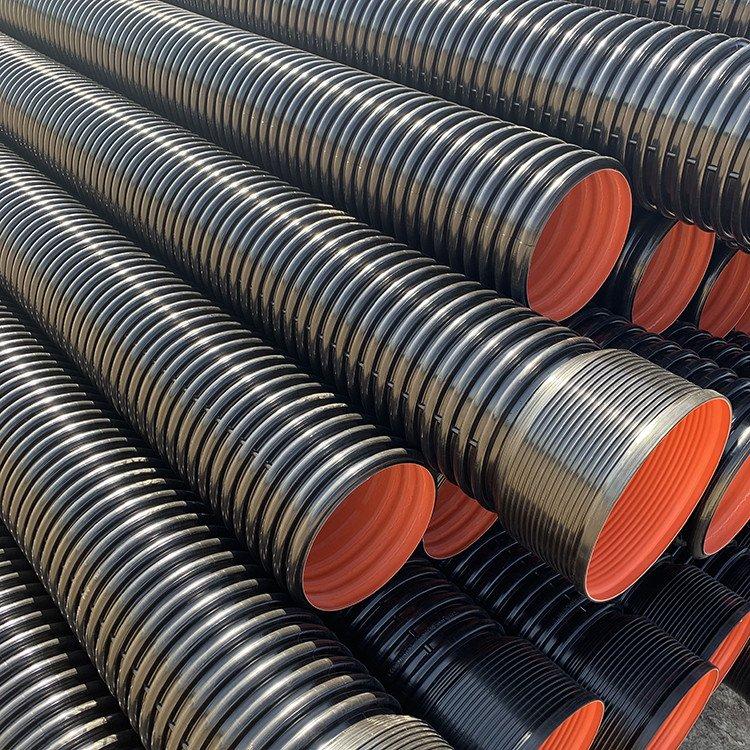
High-Density Polyethylene (HDPE) pipes manufactured in China represent a significant component of the global infrastructure market. These pipes are utilized extensively in water distribution, gas transportation, sewage systems, drainage, and industrial applications. Their increasing prevalence is driven by their advantageous combination of cost-effectiveness, durability, and corrosion resistance, particularly compared to traditional materials like ductile iron or steel. HDPE’s flexibility allows for trenchless installation techniques, reducing disruption and cost. This guide provides a comprehensive technical overview of China HDPE pipes, encompassing material science, manufacturing processes, performance characteristics, failure modes, and relevant industry standards. A key industry pain point is maintaining consistent quality control across numerous Chinese manufacturers, impacting long-term performance and necessitating rigorous independent testing and adherence to international standards.
Material Science & Manufacturing
HDPE pipes are produced from polyethylene resin, a thermoplastic polymer created through the polymerization of ethylene. The density of HDPE, typically ranging from 0.93 to 0.97 g/cm³, dictates its mechanical properties. Higher density generally correlates with increased tensile strength and rigidity. China's HDPE pipe manufacturers predominantly utilize polyethylene resins sourced from both domestic petrochemical plants and international suppliers. Manufacturing typically involves extrusion processes. Raw material pellets are fed into an extruder, melted, and forced through a die to create a continuous pipe profile. Critical parameters during extrusion include melt temperature (180-240°C), die pressure, haul-off speed, and cooling rate. Butt fusion, electrofusion, and socket fusion are common joining methods. Quality control is crucial, focusing on resin molecular weight distribution, melt flow index (MFI), and oxidation induction time (OIT) to ensure material integrity. A major challenge within the Chinese manufacturing landscape is variability in resin quality, necessitating strict incoming material inspection protocols.
Performance & Engineering
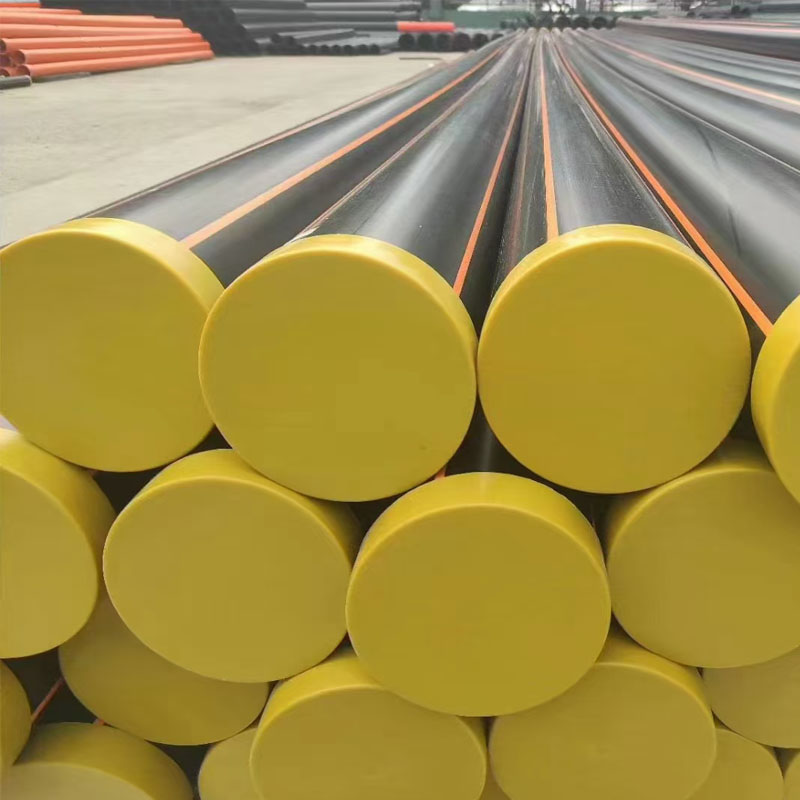
The performance of HDPE pipes is governed by several key engineering considerations. Hydrostatic pressure resistance is paramount, particularly for water and gas transportation. This is directly related to the pipe’s dimensions (diameter and wall thickness) and the PE material’s Minimum Required Strength (MRS). Stress cracking resistance is critical, especially in applications involving exposure to detergents or solvents. Slow Crack Growth (SCG) is a potential failure mechanism, and the pipe’s resistance to SCG is assessed through standardized testing. HDPE exhibits excellent chemical resistance to most acids, bases, and salts, making it suitable for aggressive environments. Environmental Stress Cracking (ESC) is a significant factor. Buried HDPE pipes are subject to external loads from soil overburden, traffic, and thermal expansion/contraction. Finite element analysis (FEA) is often employed to model these loads and optimize pipe design. Long-term creep behavior, or the gradual deformation under sustained load, must also be considered. Compliance with relevant standards (discussed later) ensures adequate safety factors and performance reliability.
Technical Specifications
| Parameter | Unit | Typical Value (China HDPE Pipe - PN16) | Test Standard |
|---|---|---|---|
| Nominal Diameter | mm | 50-630 | GB/T 5817.1 |
| Nominal Pressure | bar | 16 | GB/T 5817.2 |
| Material | - | PE100 | GB/T 18173.2 |
| MRS (Minimum Required Strength) | MPa | 10.0 | ISO 1167 |
| Density | g/cm³ | 0.95-0.97 | GB/T 18173.1 |
| Hydrostatic Pressure Test | bar | ≥2.5 x PN for 2 hours | GB/T 5817.2 |
Failure Mode & Maintenance
HDPE pipe failures can arise from several sources. Slow Crack Growth (SCG), as mentioned earlier, is a prevalent long-term degradation mechanism, exacerbated by sustained tensile stress and exposure to certain chemicals. Brittle fracture can occur at low temperatures, particularly with lower-grade materials. UV degradation can weaken the material if exposed to sunlight for prolonged periods (often seen in irrigation applications). Corrosion is not typically a failure mode for HDPE itself, but galvanic corrosion can occur at joints between HDPE and dissimilar metals. Third-party damage during excavation is a common cause of immediate failure. Maintenance typically involves regular visual inspections for cracks, leaks, or deformation. Leak detection surveys using acoustic methods can identify hidden leaks. For minor damage, repair sleeves or clamps can be used. More significant damage usually necessitates pipe replacement. Preventative measures include proper backfilling techniques, the use of warning tape, and minimizing exposure to UV radiation. A key failure analysis consideration is distinguishing between material defects and installation-related issues.
Industry FAQ
Q: What is the expected service life of a China-manufactured HDPE pipe in a potable water application?
A: The expected service life is typically 50-100 years, assuming proper installation, water quality, and operating pressures. However, this is heavily dependent on the PE100 resin quality and consistent adherence to manufacturing standards. Regular water quality analysis and pressure monitoring are crucial for extending service life.
Q: How does the weld quality of electrofusion joints compare to butt fusion joints in HDPE piping systems?
A: Electrofusion joints generally offer more consistent and reliable weld quality due to the precise control of heating and pressure. However, they are more expensive and require skilled operators. Butt fusion, while cost-effective, relies heavily on operator skill and environmental conditions for optimal weld strength. Non-destructive testing (NDT) is recommended for both methods.
Q: What are the key differences between PE80, PE100, and PEHD materials used in HDPE pipe manufacturing?
A: PE80 has a Minimum Required Strength (MRS) of 8.0 MPa, PE100 has an MRS of 10.0 MPa, and PEHD is a general term referring to HDPE with varying densities. PE100 offers superior long-term hydrostatic strength and resistance to SCG, making it the preferred choice for demanding applications. PE80 is typically used for lower-pressure applications.
Q: What impact does soil corrosivity have on the performance of buried HDPE pipes?
A: While HDPE is not susceptible to corrosion itself, corrosive soils can accelerate the degradation of surrounding materials and potentially induce stress on the pipe. Proper cathodic protection measures may be required in highly corrosive environments, particularly when connecting to metallic components. Ensure adequate bedding material is used.
Q: What is the role of hydrostatic testing in quality control for China HDPE pipes?
A: Hydrostatic testing is a critical quality control measure. Pipes are subjected to internal pressure significantly exceeding their design pressure for a specified duration. This verifies the pipe’s ability to withstand operating pressures and identifies any defects or weaknesses in the material or welds. Testing must adhere to stringent standards like GB/T 5817.2.
Conclusion
China HDPE pipes provide a robust and cost-effective solution for a wide range of fluid and gas transportation applications. The material’s inherent properties – including chemical resistance, flexibility, and weldability – contribute to its widespread adoption. However, maintaining consistent quality control during manufacturing is a paramount concern. Diligent material sourcing, rigorous testing, and adherence to international standards are essential to ensure long-term reliability and prevent premature failure.
Future trends in China’s HDPE pipe industry will likely focus on the development of higher-performance materials with enhanced SCG resistance and improved UV stability. Increased automation in manufacturing processes and the implementation of advanced inspection techniques will further enhance product quality. Furthermore, the growing emphasis on sustainability will drive the demand for recycled HDPE materials in pipe production.
-
DN25 HDPE Compression Fitting-HORON INTERNATIONAL|Reliable Irrigation Solutions
NewsFeb.11,2026
-
china corrugated hdpe pipe fittings Performance Analysis
News2026-05-22
-
china ppr pipe for hot water Performance Analysis
News2026-05-22
-
china ppr Technical Performance Analysis
News2026-05-22
-
china corrugated dual wall pipe Performance Analysis
News2026-05-22
-
china sink inlet pipe Material Performance Analysis
News2026-05-22
-
china 1 2 inch pvc Performance Analysis
News2026-05-21
-
china hdpe pipe joint coupler Performance Analysis
News2026-05-21
-
china ppr pipes and fittings price list Technical Analysis
News2026-05-21
-
china 9 inch pvc pipe price Performance Analysis
News2026-05-21
-
china 2 inch borewell column pipe price Performance Engineering
News2026-05-21
-
china hdpe pipe suppliers Performance Analysis
News2026-05-20
-
china submersible pump column pipe Performance Engineering
News2026-05-20
-
china 8 hdpe corrugated pipe Manufacturing Analysis
News2026-05-20
-
china dual wall hdpe pipe Performance Analysis
News2026-05-20
-
china water lines under sink Performance Analysis
News2026-05-20