

Feb . 11, 2026 00:01 Back to list
china hdpe pipe for water supply price list Performance Analysis
Introduction
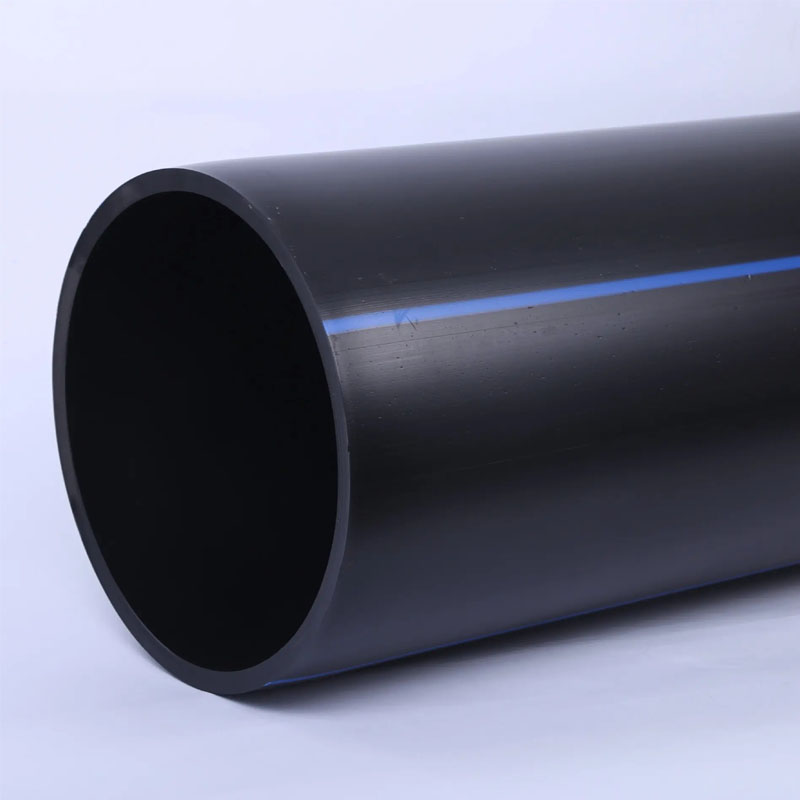
High-Density Polyethylene (HDPE) pipe has become a dominant material in water supply systems globally, and particularly within the Chinese manufacturing landscape. This technical guide provides an in-depth exploration of HDPE pipes specifically intended for water supply applications, focusing on the materials science, manufacturing processes, performance characteristics, potential failure modes, and relevant industry standards. The proliferation of “china hdpe pipe for water supply price list” offerings necessitates a thorough understanding of the technical specifications underlying these products. HDPE’s advantageous combination of corrosion resistance, flexibility, lightweight nature, and cost-effectiveness has driven its widespread adoption, replacing traditional materials like ductile iron and concrete in many applications. This guide serves as a resource for engineers, procurement managers, and technical professionals involved in the selection, installation, and maintenance of HDPE water supply pipelines. A key driver for increased adoption is the capability of HDPE to be joined using heat fusion, resulting in leak-free, structurally sound pipelines. Understanding the nuances of polyethylene grades, pipe wall thickness, and pressure rating is critical for ensuring long-term system reliability and compliance with water quality regulations.
Material Science & Manufacturing
HDPE pipes for water supply are typically manufactured from polyethylene resins categorized by density and molecular weight. The most common grades used are PE3408, PE4710, and PE6308, with higher numbers indicating increased density and improved mechanical properties. These resin designations adhere to ISO/TS 10761, classifying polyethylene materials for pressure applications. The raw material, sourced from ethylene or propylene, undergoes a polymerization process, usually Ziegler-Natta or metallocene catalysis, to create the polyethylene polymer chains. The density is controlled by catalyst selection and polymerization conditions. Critical physical properties include tensile strength (typically 20-35 MPa for PE3408, increasing with density), elongation at break (200-800%), and impact resistance. Manufacturing predominantly utilizes extrusion processes. Resin pellets are fed into an extruder where they are heated, melted, and forced through a die to create the pipe profile. Critical parameters during extrusion include melt temperature (180-220°C), die pressure, and cooling rate. Proper cooling is vital to maintain dimensional stability and prevent warping. Pipe dimensions are tightly controlled by the die design and downstream sizing equipment. For larger diameter pipes, co-extrusion may be employed to create multi-layer structures, combining different polyethylene grades to optimize cost and performance. Chemical compatibility is paramount; HDPE exhibits excellent resistance to most chemicals found in potable water, though prolonged exposure to strong oxidizers should be avoided. The presence of carbon black is common to provide UV protection, particularly in above-ground applications. Quality control at the manufacturing stage includes rigorous testing of hydrostatic pressure, tensile strength, and impact resistance according to relevant standards.
Performance & Engineering
The performance of HDPE pipes in water supply applications is governed by several key engineering principles. Hydrostatic design stress (HDS) is a critical parameter, calculated using Barlow's formula: S = P D / (2 t), where S is HDS, P is the internal pressure, D is the pipe outer diameter, and t is the pipe wall thickness. This determines the pipe's ability to withstand internal pressure without failure. Long-term hydrostatic strength (LTHS) is also crucial, accounting for the reduction in strength over time due to creep. HDPE exhibits excellent creep resistance, but it is still factored into design calculations. The pipe’s flexibility allows for some ground movement and thermal expansion/contraction without inducing excessive stress. Soil loading is another important consideration; the pipe must be adequately bedded and covered to prevent external loads from causing deformation or collapse. The allowable bending radius is typically 20 times the pipe outer diameter to avoid kinking. Water hammer (pressure surge) can occur during rapid valve closures or pump starts/stops. The elastic modulus of HDPE (approximately 700-800 MPa) is relatively low, which helps to dampen pressure surges, but surge protection devices may be necessary in critical applications. Compliance with water quality standards is essential. HDPE is NSF/ANSI 61 certified, ensuring that it does not leach harmful contaminants into the water. Jointing methods, such as butt fusion, socket fusion, and electrofusion, are critical for maintaining the integrity of the pipeline. Butt fusion is the preferred method for larger diameter pipes, providing a fully welded joint with strength equal to or greater than the base material. Proper fusion parameters (temperature, pressure, and cooling time) must be strictly adhered to.
Technical Specifications
| Parameter | PE3408 | PE4710 | PE6308 | Unit |
|---|---|---|---|---|
| Hydrostatic Design Stress (HDS) | 8.0 | 10.0 | 12.5 | MPa |
| Long-Term Hydrostatic Strength (LTHS) | 6.3 | 8.0 | 10.0 | MPa |
| Tensile Strength at Yield | 20 | 28 | 35 | MPa |
| Elongation at Break | 600 | 700 | 800 | % |
| Impact Resistance (Charpy, -20°C) | 20 | 30 | 40 | kJ/m² |
| Service Temperature Range | -40 to +60 | -40 to +60 | -40 to +60 | °C |
Failure Mode & Maintenance
Despite their durability, HDPE pipes are susceptible to certain failure modes. Slow Crack Growth (SCG) is a common issue, particularly in areas with high stress concentrations (e.g., around fittings or damaged areas) and exposure to aggressive chemicals. SCG manifests as brittle fractures that propagate slowly over time. UV degradation can occur in above-ground applications if the pipe is not adequately protected with carbon black or UV stabilizers. This results in surface cracking and loss of mechanical properties. Corrosion, while HDPE itself is corrosion-resistant, can occur at joints if dissimilar metals are used and galvanic corrosion develops. Ground movement and settlement can induce excessive stress on the pipe, leading to cracking or deformation. Damage during installation (e.g., over-bending, improper fusion) is also a frequent cause of failure. Maintenance procedures include regular visual inspections for signs of cracking, deformation, or UV degradation. Leak detection surveys using acoustic methods can identify hidden leaks. Periodic pressure testing can verify the integrity of the pipeline. Repairs can be performed using heat fusion saddles or mechanical couplings. In cases of severe damage, pipe replacement may be necessary. Preventative maintenance, such as ensuring adequate bedding and cover, protecting against UV exposure, and implementing proper surge protection, is critical for maximizing the lifespan of HDPE pipelines. Regular flushing of the pipeline can remove sediment buildup, preventing blockages and maintaining water quality. Detailed records of installation, repairs, and inspections should be maintained.
Industry FAQ
Q: What is the impact of varying soil conditions on HDPE pipe performance?
A: Soil conditions significantly affect HDPE pipe performance. Highly abrasive soils can accelerate wear, while expansive clays can exert excessive lateral pressure. Proper bedding and adequate cover are essential to mitigate these effects. A well-compacted granular bedding material provides support and distributes loads evenly, preventing deformation. Geotextiles can be used to separate the pipe from abrasive soils and prevent damage.
Q: How does the choice of jointing method affect long-term pipeline reliability?
A: Butt fusion is generally considered the most reliable jointing method for HDPE pipes, providing a homogeneous weld that maintains the pipe's structural integrity. Socket fusion and electrofusion are suitable for smaller diameter pipes but require careful control of fusion parameters. Improper fusion can lead to weak joints prone to failure.
Q: What is the role of pressure rating in selecting the appropriate HDPE pipe for a specific application?
A: The pressure rating (PN - Nominal Pressure) indicates the maximum internal pressure the pipe can withstand at a specific temperature. Selecting a pipe with an adequate pressure rating is critical to ensure long-term safety and prevent burst failures. The design pressure of the water supply system must be carefully considered when choosing the appropriate pipe.
Q: How do temperature fluctuations affect HDPE pipe dimensions and stresses?
A: HDPE exhibits a relatively high coefficient of thermal expansion. Temperature fluctuations can cause the pipe to expand and contract, inducing stresses in the pipeline. Sufficient flexibility and expansion joints are necessary to accommodate these movements. The design should account for the expected temperature range in the application.
Q: What considerations are important when handling and storing HDPE pipes on a construction site?
A: HDPE pipes should be stored in a cool, dry, and shaded area, away from direct sunlight and potential sources of damage. Pipes should be supported evenly to prevent deformation. Avoid stacking pipes excessively high. Careful handling during unloading and installation is essential to prevent scratches or gouges that could compromise the pipe's integrity.
Conclusion
HDPE pipe represents a robust and reliable solution for water supply systems, offering a compelling combination of performance, cost-effectiveness, and longevity. Understanding the material science, manufacturing nuances, and potential failure modes is paramount for ensuring successful implementation. Careful consideration of design parameters, proper installation techniques, and routine maintenance are essential to maximize the lifespan and minimize the risk of failures. The “china hdpe pipe for water supply price list” landscape is diverse, and informed procurement decisions based on a thorough understanding of technical specifications are crucial.
Looking ahead, advancements in polyethylene resin technology and manufacturing processes will likely lead to even more durable and high-performing HDPE pipes. Increased emphasis on sustainable materials and environmentally friendly manufacturing practices will further enhance the appeal of HDPE as a preferred material for water infrastructure projects. Continued research and development in areas such as SCG mitigation and UV stabilization will contribute to improved long-term reliability and reduced life-cycle costs.
-
DN25 HDPE Compression Fitting-HORON INTERNATIONAL|Reliable Irrigation Solutions
NewsFeb.11,2026
-
china corrugated hdpe pipe fittings Performance Analysis
News2026-05-22
-
china ppr pipe for hot water Performance Analysis
News2026-05-22
-
china ppr Technical Performance Analysis
News2026-05-22
-
china corrugated dual wall pipe Performance Analysis
News2026-05-22
-
china sink inlet pipe Material Performance Analysis
News2026-05-22
-
china 1 2 inch pvc Performance Analysis
News2026-05-21
-
china hdpe pipe joint coupler Performance Analysis
News2026-05-21
-
china ppr pipes and fittings price list Technical Analysis
News2026-05-21
-
china 9 inch pvc pipe price Performance Analysis
News2026-05-21
-
china 2 inch borewell column pipe price Performance Engineering
News2026-05-21
-
china hdpe pipe suppliers Performance Analysis
News2026-05-20
-
china submersible pump column pipe Performance Engineering
News2026-05-20
-
china 8 hdpe corrugated pipe Manufacturing Analysis
News2026-05-20
-
china dual wall hdpe pipe Performance Analysis
News2026-05-20
-
china water lines under sink Performance Analysis
News2026-05-20