

Feb . 11, 2026 00:01 Back to list
china hdpe pipe coupling Performance Analysis
Introduction
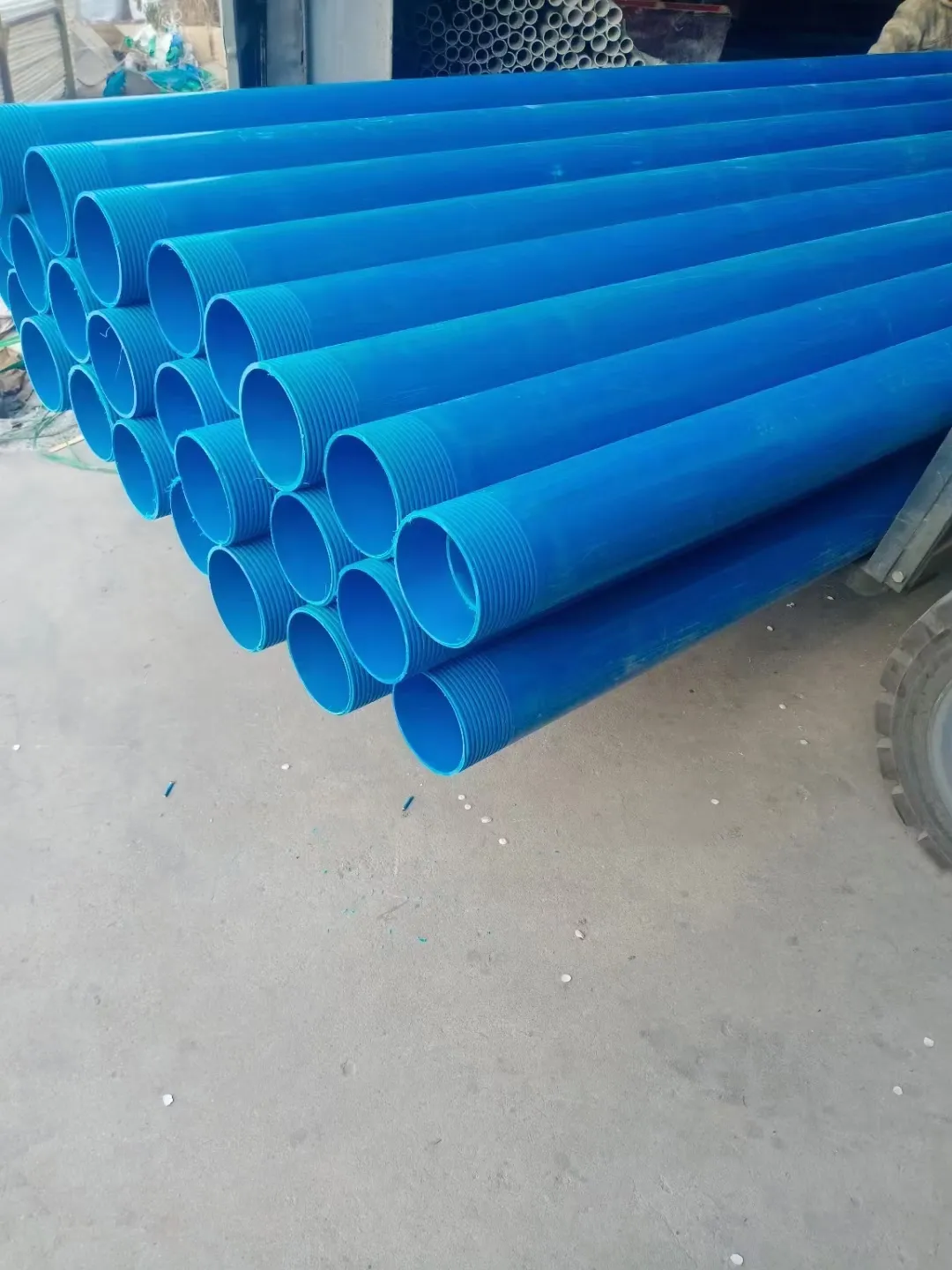
High-Density Polyethylene (HDPE) pipe couplings are integral components in fluid and gas transmission systems, particularly within infrastructure projects encompassing water distribution, irrigation, sewage, and industrial piping. These couplings, manufactured in China to a growing global demand, facilitate the joining of HDPE pipes, ensuring leak-proof connections vital for operational efficiency and environmental protection. Unlike traditional metallic coupling methods, HDPE couplings offer advantages in corrosion resistance, flexibility, and reduced installation costs. Their technical position within the industry chain lies immediately downstream of HDPE pipe extrusion and upstream of system installation and commissioning. Core performance characteristics revolve around maintaining consistent internal pressure ratings, exhibiting resistance to chemical degradation, and offering long-term joint integrity, especially crucial in demanding applications like potable water delivery and industrial effluent handling. The industry faces persistent challenges in ensuring consistent quality control across various manufacturers, long-term creep resistance of the HDPE material under sustained pressure, and reliable sealing performance under variable temperature and soil conditions.
Material Science & Manufacturing
HDPE pipe couplings are primarily manufactured from high-density polyethylene resin, typically grades conforming to PE100, PE80, or PE63 standards, defined by their minimum required strength (MRS) – a critical determinant of long-term hydrostatic strength. Raw material properties include a density typically ranging from 0.93 to 0.97 g/cm³, a relatively low coefficient of friction, and excellent dielectric properties. The manufacturing process predominantly involves injection molding. The HDPE resin is heated to its molten state and injected under high pressure into a pre-designed mold cavity. Key parameters influencing coupling quality include melt temperature (typically 180-220°C), mold temperature (30-60°C), injection pressure (70-100 MPa), and cooling rate. Precise control of these parameters is critical to minimize internal stresses, warpage, and voids within the coupling body. Electrofusion welding is also employed for larger diameter couplings, involving heating the coupling and pipe end simultaneously using electrical resistance, fusing them together to create a homogenous joint. Compatibility with the HDPE pipe material is ensured through resin selection and careful control of welding parameters, avoiding excessive heating that can lead to degradation. Chemical compatibility focuses on resistance to acids, bases, and solvents commonly encountered in various application environments. Furthermore, manufacturers often incorporate UV stabilizers to enhance resistance to sunlight degradation, crucial for above-ground applications.
Performance & Engineering
Performance analysis of HDPE pipe couplings centers around their ability to withstand internal hydrostatic pressure, external loads (soil loading, traffic loads), and cyclical stress. Force analysis involves calculating hoop stress within the coupling body under pressure, considering the pipe outer diameter, wall thickness, and internal pressure. Finite Element Analysis (FEA) is routinely used to optimize coupling geometry and identify stress concentration points. Environmental resistance is paramount. HDPE, while inherently corrosion resistant, can be susceptible to slow crack growth (SCG) under sustained tensile stress in specific environments. Maintaining appropriate safety factors in design and adhering to recommended installation practices mitigate this risk. Compliance requirements necessitate adherence to international standards such as ASTM D2412 (Pipe Couplings) and ISO 4427 (Plastics piping systems for water supply and irrigation). Proper sealing is critical. Elastomeric gaskets, typically made of nitrile rubber (NBR) or ethylene propylene diene monomer (EPDM), are employed to create watertight seals. Gasket compression and material properties directly influence sealing performance. The design must account for thermal expansion and contraction of the pipe material, preventing undue stress on the coupling and gasket. Fatigue resistance is important for applications with frequent pressure fluctuations, and long-term creep resistance needs assessment to ensure joint integrity over decades of service.
Technical Specifications
| Parameter | Unit | PE100 Coupling (DN100) | PE80 Coupling (DN100) |
|---|---|---|---|
| Nominal Diameter | mm | 100 | 100 |
| Pressure Rating (PN) | bar | 16 | 12.5 |
| Minimum Required Strength (MRS) | MPa | 10 | 8 |
| Operating Temperature Range | °C | -20 to +60 | -20 to +60 |
| Gasket Material | - | NBR/EPDM | NBR/EPDM |
| Weight | kg | 0.8 | 0.75 |
Failure Mode & Maintenance
Common failure modes for HDPE pipe couplings include gasket failure leading to leakage, cracking due to excessive stress or slow crack growth (SCG), deformation from external loads, and joint separation due to improper installation. Fatigue cracking can occur under cyclical pressure loading, particularly near stress concentration points within the coupling geometry. Delamination can occur in electrofusion welded couplings if the welding parameters are not properly controlled, leading to insufficient fusion between the coupling and pipe materials. Degradation from UV exposure can embrittle the HDPE, reducing its impact resistance. Oxidation can also occur over extended periods, especially in the presence of certain chemicals. Maintenance involves regular visual inspections for cracks, leaks, or deformation. Periodic pressure testing can verify joint integrity. Gasket replacement may be necessary every 5-10 years, depending on operating conditions and gasket material. For electrofusion couplings, ensure proper welding procedures are followed, including surface preparation, voltage/current control, and cooling time. Preventive measures include protecting above-ground couplings from direct sunlight with UV-resistant coatings or shielding, and ensuring adequate soil cover to prevent mechanical damage. Proper backfilling and compaction procedures minimize external stress on the coupling. In cases of observed SCG, reducing operating pressure or replacing the coupling with a higher-grade material may be necessary.
Industry FAQ
Q: What are the key differences between injection-molded and electrofusion HDPE couplings in terms of performance and application?
A: Injection-molded couplings are generally used for smaller diameter pipes and lower pressure applications due to their simpler manufacturing process and cost-effectiveness. Electrofusion couplings offer superior strength and leak-proof performance for larger diameters and higher pressure systems. They create a homogenous weld, minimizing the risk of joint separation. However, electrofusion requires skilled operators and specific welding equipment.
Q: How does the Minimum Required Strength (MRS) of the HDPE resin affect the long-term performance of the coupling?
A: MRS is a direct indicator of the HDPE's resistance to long-term creep and slow crack growth. Higher MRS values correlate to longer service life and improved performance under sustained pressure and stress. Selecting a coupling with an appropriate MRS value for the intended application is critical.
Q: What factors contribute to slow crack growth (SCG) in HDPE pipe systems, and how can it be mitigated?
A: SCG is initiated by sustained tensile stress combined with exposure to aggressive chemicals or environmental factors. Mitigating SCG involves using HDPE materials with higher MRS, minimizing stress concentrations through proper installation practices, avoiding contact with incompatible chemicals, and controlling operating temperatures.
Q: What is the appropriate method for verifying the integrity of an electrofusion weld after installation?
A: Visual inspection for any surface defects is the first step. Non-destructive testing methods, such as ultrasonic testing or radiography, can detect internal voids or incomplete fusion. Hydrostatic pressure testing is also used to verify the overall joint integrity.
Q: What are the common causes of gasket failure in HDPE pipe couplings and how can they be prevented?
A: Gasket failure can be caused by improper installation (over-compression or under-compression), incompatibility with the conveyed fluid, degradation due to temperature or chemical exposure, or mechanical damage. Prevention involves using the correct gasket material for the application, following manufacturer’s installation instructions carefully, and regularly inspecting gaskets for signs of wear or degradation.
Conclusion
China-manufactured HDPE pipe couplings represent a vital component in modern fluid and gas transmission infrastructure. Their selection and implementation demand a thorough understanding of material science, manufacturing processes, and engineering principles. Ensuring the correct coupling specification – defined by parameters like pressure rating, MRS, and gasket material – is crucial for long-term performance and reliability.
Addressing the industry’s challenges, particularly in maintaining consistent quality control and mitigating the risks of SCG, requires adherence to stringent international standards and best practices. Future developments will likely focus on advanced HDPE resin formulations offering enhanced creep resistance, improved sealing technologies, and smarter monitoring systems to detect potential failures proactively. The continued success of HDPE pipe coupling technology hinges on a commitment to both material innovation and rigorous quality assurance procedures.
-
DN25 HDPE Compression Fitting-HORON INTERNATIONAL|Reliable Irrigation Solutions
NewsFeb.11,2026
-
china corrugated hdpe pipe fittings Performance Analysis
News2026-05-22
-
china ppr pipe for hot water Performance Analysis
News2026-05-22
-
china ppr Technical Performance Analysis
News2026-05-22
-
china corrugated dual wall pipe Performance Analysis
News2026-05-22
-
china sink inlet pipe Material Performance Analysis
News2026-05-22
-
china 1 2 inch pvc Performance Analysis
News2026-05-21
-
china hdpe pipe joint coupler Performance Analysis
News2026-05-21
-
china ppr pipes and fittings price list Technical Analysis
News2026-05-21
-
china 9 inch pvc pipe price Performance Analysis
News2026-05-21
-
china 2 inch borewell column pipe price Performance Engineering
News2026-05-21
-
china hdpe pipe suppliers Performance Analysis
News2026-05-20
-
china submersible pump column pipe Performance Engineering
News2026-05-20
-
china 8 hdpe corrugated pipe Manufacturing Analysis
News2026-05-20
-
china dual wall hdpe pipe Performance Analysis
News2026-05-20
-
china water lines under sink Performance Analysis
News2026-05-20