

Feb . 11, 2026 00:01 Back to list
china hdpe pipe cost Performance Analysis
Introduction
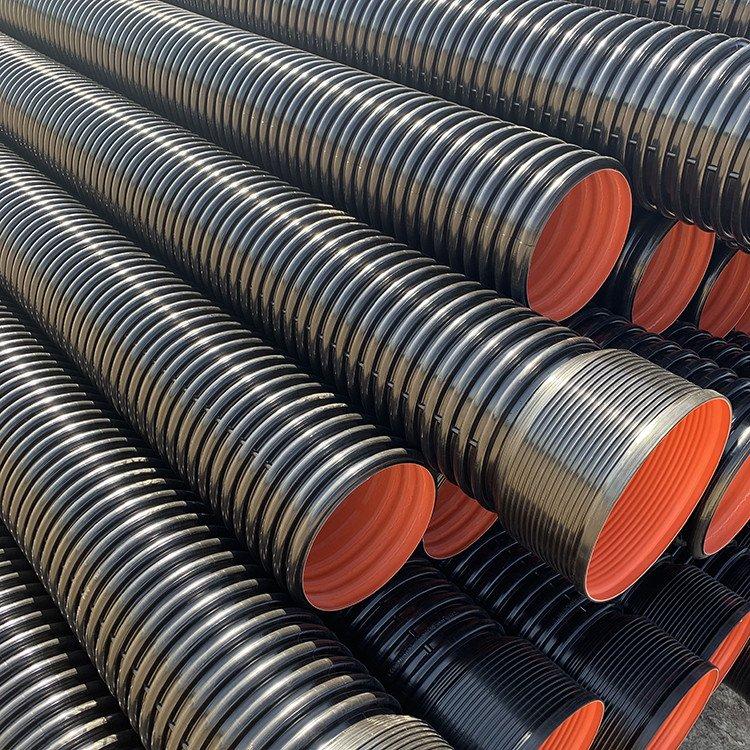
High-Density Polyethylene (HDPE) pipe, particularly that sourced from China, represents a significant segment of the global pipeline infrastructure market. Its prevalence stems from a combination of cost-effectiveness, robust performance characteristics, and versatile application possibilities. This guide provides an in-depth technical analysis of Chinese HDPE pipe, covering material science, manufacturing processes, performance engineering, failure modes, and relevant industry standards. The 'cost' element is inextricably linked to manufacturing scale, raw material pricing (specifically polyethylene resin grades), and competitive pressures within the Chinese market, impacting global pricing trends. HDPE pipes find application across diverse sectors including water distribution, gas transmission, sewage, drainage, industrial mining, and agricultural irrigation. Understanding the nuances of HDPE pipe quality, particularly from Chinese manufacturers, is crucial for ensuring long-term system reliability and minimizing life-cycle costs. This analysis addresses the inherent trade-offs between initial purchase price and long-term operational integrity.
Material Science & Manufacturing
HDPE pipe production begins with polyethylene (PE) resin, typically produced via the polymerization of ethylene. The high density is achieved through control of polymerization conditions, resulting in minimal branching. The resin grade directly influences the pipe's properties. Common grades include HDPE R100, PE80, and PE100, distinguished by their minimum required strength (MRS – Minimum Required Strength) as defined by ISO 11679. R100 exhibits the highest MRS and is preferred for higher-pressure applications. Raw material purity, molecular weight distribution, and the presence of additives (carbon black for UV resistance, stabilizers for thermal degradation) are critical parameters. Manufacturing processes commonly employed include extrusion. The extrusion process involves melting the PE resin and forcing it through a die to create the pipe's desired diameter and wall thickness. Key process parameters include melt temperature (typically 180-210°C), die pressure, haul-off speed, and cooling rate. Precise control of these parameters is vital to achieve uniform wall thickness, dimensional accuracy, and minimize residual stress. Butt fusion, electrofusion, and socket fusion are prevalent joining techniques, demanding strict adherence to temperature and pressure guidelines to ensure robust, leak-proof joints. Chinese manufacturers often utilize large-scale extrusion lines with automated process control systems to achieve economies of scale and maintain consistent quality. The quality of the cooling process – typically water baths – directly impacts the pipe’s long-term hydrostatic strength.
Performance & Engineering
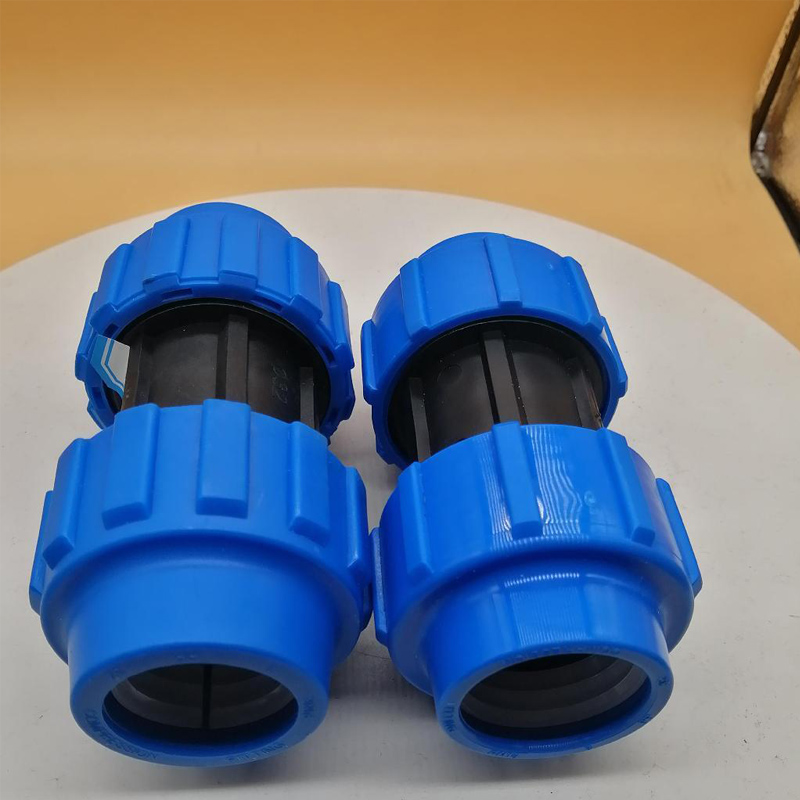
The performance of HDPE pipe is dictated by its mechanical, chemical, and environmental resistance. Stress cracking, caused by sustained tensile stress in the presence of certain chemicals, is a primary concern. Slow Crack Growth (SCG) testing (ASTM D1694) is crucial for evaluating resistance to this phenomenon. Hydrostatic pressure testing (ISO 11679) determines the pipe's ability to withstand internal pressure without failure. The hoop stress calculation, based on Barlow's formula (σ = PD/2t, where σ is hoop stress, P is internal pressure, D is outer diameter, and t is wall thickness), is fundamental to pipe design. HDPE exhibits excellent chemical resistance to acids, alkalis, and many solvents, making it suitable for transporting a wide range of fluids. However, prolonged exposure to strong oxidizing agents should be avoided. Environmental resistance is a critical consideration, particularly UV exposure. Carbon black additives provide UV protection, but prolonged exposure can still lead to degradation. Buried HDPE pipes benefit from the shielding effect of the surrounding soil. Temperature affects HDPE's mechanical properties; its strength decreases with increasing temperature. Soil thermal conductivity and burial depth influence the pipe's operating temperature. Furthermore, the coefficient of linear expansion for HDPE is relatively high (approximately 0.2 mm/m/°C), necessitating considerations for thermal expansion and contraction in long pipeline runs. Proper anchoring and expansion joints are essential to prevent stress build-up.
Technical Specifications
| Parameter | PE80 | PE100 | PE100+ | Unit |
|---|---|---|---|---|
| Minimum Required Strength (MRS) | 8.0 | 10.0 | 12.5 | MPa |
| Density | 0.953 – 0.965 | 0.960 – 0.975 | 0.975 – 0.985 | g/cm³ |
| Hydrostatic Pressure Rating (PN) | 6.3 – 16 | 10 – 25 | 16 – 32 | Bar |
| Service Temperature Range | -40 to +60 | -40 to +60 | -40 to +60 | °C |
| SCG Resistance (F50) | ≥ 500 | ≥ 800 | ≥ 1000 | Hours |
| Wall Thickness Tolerance | ± 12.5% | ± 10% | ± 7.5% | % |
Failure Mode & Maintenance
HDPE pipe failures can arise from several mechanisms. Slow Crack Growth (SCG), as mentioned previously, is a common long-term failure mode. Third-party damage during installation (excavation strikes) is a frequent cause of immediate failure. Sustained load stress, particularly around fittings or unsupported spans, can lead to creep rupture. Environmental stress cracking is exacerbated by exposure to aggressive chemicals and elevated temperatures. Oxidation, particularly at high temperatures, can degrade the polymer matrix. UV degradation, even with carbon black additives, contributes to embrittlement over extended periods. Joint failures often occur due to improper fusion techniques (insufficient heating, inadequate pressure) or contamination during the fusion process. Maintenance strategies include regular visual inspections for cracks, deformation, or leaks. Cathodic protection may be necessary in corrosive environments. Pressure testing should be conducted periodically to verify system integrity. For buried pipelines, ground cover depth is a critical factor in preventing mechanical damage and temperature fluctuations. Preventative maintenance programs should incorporate detailed record-keeping of installation dates, material specifications, and inspection findings. Utilizing quality fusion equipment and certified technicians are paramount for reliable joint integrity.
Industry FAQ
Q: What is the impact of varying raw material polyethylene grades on the overall cost of Chinese HDPE pipe?
A: The polyethylene resin grade is a primary cost driver. PE100 and PE100+ resins, offering superior mechanical properties and longer service life, command a premium compared to PE80. Chinese manufacturers often offer options across these grades, allowing for price differentiation. Fluctuations in crude oil prices directly affect the cost of ethylene, the feedstock for PE production, and therefore, HDPE pipe prices. Negotiating favorable raw material supply contracts is a key strategy for Chinese manufacturers to remain competitive.
Q: How does the manufacturing process control in Chinese HDPE pipe facilities compare to European or North American standards?
A: While historically there were concerns about quality control, many Chinese HDPE pipe manufacturers have significantly upgraded their production facilities and implemented stringent quality management systems (ISO 9001 certification is common). Modern extrusion lines often incorporate automated process control and online monitoring systems. However, variability still exists between manufacturers. Independent third-party certification (e.g., from SGS, TUV) provides a higher level of assurance regarding adherence to international standards. It is essential to conduct factory audits and review quality control documentation before placing large orders.
Q: What specific testing procedures should be mandated to verify the long-term performance of HDPE pipe sourced from China?
A: Beyond standard hydrostatic pressure testing, prioritize SCG testing (ASTM D1694), Oxidative Induction Time (OIT) testing (ASTM D3895) to assess oxidation resistance, and UV exposure testing (ASTM D4455) to evaluate UV degradation. Verify that the pipe meets the MRS requirements of ISO 11679 for the intended application. Review material certificates and test reports from accredited laboratories.
Q: What are the common failure modes observed in Chinese HDPE pipe installations, and how can they be mitigated?
A: Common failures include SCG due to exposure to aggressive soils, third-party damage during installation, and joint failures caused by improper fusion. Mitigation strategies include thorough site assessment to identify potential chemical threats, careful excavation practices, employing qualified fusion technicians, and conducting regular inspections.
Q: How do transportation costs and import duties influence the landed cost of Chinese HDPE pipe in various international markets?
A: Transportation costs (shipping freight, inland transport) and import duties can significantly increase the overall cost. Utilizing containerized shipping and optimizing logistics are crucial for minimizing transportation expenses. The application of import duties varies by country and trade agreement, requiring careful consideration. Bulk purchases can often negotiate more favorable shipping rates.
Conclusion
Chinese HDPE pipe presents a compelling value proposition due to its cost-competitiveness and increasingly robust manufacturing capabilities. However, a comprehensive understanding of material science, manufacturing processes, and potential failure modes is paramount. Diligent quality control, thorough testing, and adherence to international standards are essential for ensuring long-term performance and minimizing life-cycle costs. The "cost" benefit must be weighed against the potential risks associated with variability in quality, and rigorous verification procedures are indispensable.
Future developments in HDPE pipe technology will likely focus on enhanced polymer formulations with improved SCG resistance, integration of smart monitoring systems for leak detection and condition assessment, and advancements in fusion techniques to further enhance joint integrity. Continued investment in quality control infrastructure by Chinese manufacturers will be critical for sustaining their position in the global market.
-
DN25 HDPE Compression Fitting-HORON INTERNATIONAL|Reliable Irrigation Solutions
NewsFeb.11,2026
-
china corrugated hdpe pipe fittings Performance Analysis
News2026-05-22
-
china ppr pipe for hot water Performance Analysis
News2026-05-22
-
china ppr Technical Performance Analysis
News2026-05-22
-
china corrugated dual wall pipe Performance Analysis
News2026-05-22
-
china sink inlet pipe Material Performance Analysis
News2026-05-22
-
china 1 2 inch pvc Performance Analysis
News2026-05-21
-
china hdpe pipe joint coupler Performance Analysis
News2026-05-21
-
china ppr pipes and fittings price list Technical Analysis
News2026-05-21
-
china 9 inch pvc pipe price Performance Analysis
News2026-05-21
-
china 2 inch borewell column pipe price Performance Engineering
News2026-05-21
-
china hdpe pipe suppliers Performance Analysis
News2026-05-20
-
china submersible pump column pipe Performance Engineering
News2026-05-20
-
china 8 hdpe corrugated pipe Manufacturing Analysis
News2026-05-20
-
china dual wall hdpe pipe Performance Analysis
News2026-05-20
-
china water lines under sink Performance Analysis
News2026-05-20