

Feb . 11, 2026 00:01 Back to list
china 32mm pvc pipe Performance Analysis
Introduction
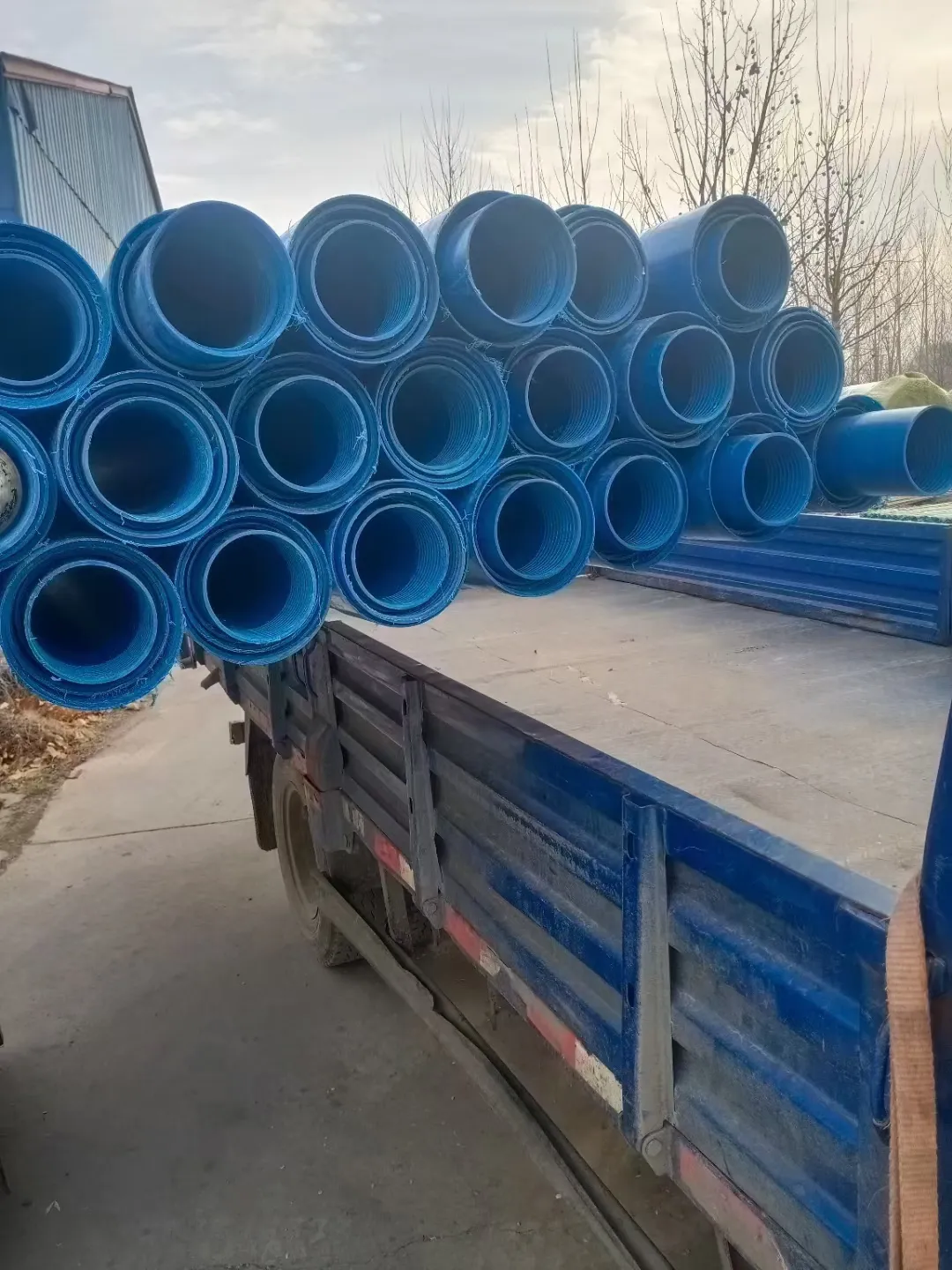
China 32mm PVC pipe refers to a rigid plastic pipe with an internal diameter of 32 millimeters, manufactured in China from Polyvinyl Chloride (PVC) resin. This pipe is a staple in numerous industries including water supply, drainage, irrigation, and electrical conduit applications. Its position in the industrial chain is fundamental, serving as a cost-effective alternative to metallic piping systems. Core performance characteristics of 32mm PVC pipe include its resistance to corrosion, low weight, ease of installation, and high flow capacity relative to its diameter. However, limitations exist regarding temperature sensitivity and potential for brittleness at low temperatures. Understanding these properties is crucial for optimal application and long-term system integrity. The manufacturing focus in China prioritizes both domestic demand and international export, resulting in a competitive landscape characterized by a wide range of quality levels and adherence to various international standards.
Material Science & Manufacturing
The primary raw material for 32mm PVC pipe is PVC resin, a thermoplastic polymer produced through the polymerization of vinyl chloride monomer (VCM). PVC resin exhibits inherent rigidity and chemical inertness. Additives are critical to tailoring the material properties: plasticizers increase flexibility, stabilizers prevent degradation during processing and use (primarily heat and UV light), lubricants aid in extrusion, and impact modifiers enhance toughness. Common plasticizers include phthalates and increasingly, bio-based alternatives due to environmental concerns. Stabilizers often comprise metal-based compounds like barium, zinc, and calcium stearates.
Manufacturing typically involves extrusion. PVC compound is fed into a single-screw extruder where it’s heated and plasticized. The molten PVC is then forced through a die that shapes it into a 32mm diameter pipe. Precise control of the extrusion temperature profile (typically between 180°C and 220°C) is paramount to prevent thermal degradation. Cooling is achieved through water baths, establishing the pipe’s final dimensions and rigidity. Post-extrusion, pipes undergo dimensional inspection, hydrostatic pressure testing (to verify burst resistance), and marking for identification and traceability. Quality control focuses heavily on ensuring consistent wall thickness, diameter, and material composition. Improper parameter control during extrusion can lead to defects like ovality, surface imperfections, and variations in mechanical strength. The process adheres to stringent QA/QC protocols to meet required specifications.

Performance & Engineering
The performance of 32mm PVC pipe is governed by several engineering principles. Hydrostatic pressure resistance, crucial for water and fluid transport, is determined by the pipe’s wall thickness, material properties, and diameter. The Barlow formula (S = P D / (2 t), where S is hoop stress, P is internal pressure, D is diameter, and t is wall thickness) governs this relationship. Long-term performance is also influenced by creep, the gradual deformation under sustained stress, especially at elevated temperatures.
Environmental resistance is a key consideration. PVC exhibits good resistance to many acids, alkalis, and salts, but is susceptible to degradation by strong oxidizing agents and some organic solvents. UV exposure can lead to embrittlement and discoloration; therefore, UV stabilizers are critical. Temperature plays a significant role. PVC becomes brittle below 0°C and can lose significant strength at temperatures exceeding 60°C. Soil conditions also influence performance when used for underground applications; factors like soil acidity, presence of sulfates, and external loads need to be accounted for. Relevant compliance requirements include ASTM D1785 (for PVC pipe dimensions and properties) and local building codes pertaining to plumbing and drainage systems. The pipe’s ability to withstand external loads (e.g., traffic load if buried) is critical to prevent cracking and failure.
Technical Specifications
| Parameter | Unit | Typical Value (China 32mm PVC Pipe) | Test Standard |
|---|---|---|---|
| Nominal Diameter | mm | 32 | GB/T 10002.1 |
| Outside Diameter | mm | 42.4 | GB/T 10002.1 |
| Wall Thickness | mm | 2.3 - 3.2 | GB/T 10002.1 |
| Pressure Rating | MPa | 0.6 - 1.6 | GB/T 10002.2 |
| Tensile Strength | MPa | >55 | GB/T 10002.3 |
| Impact Strength (Charpy) | kJ/m² | >5 | GB/T 10002.3 |
Failure Mode & Maintenance
Common failure modes for 32mm PVC pipe include: Brittle Fracture: Occurs at low temperatures or due to excessive impact, particularly with thinner-walled pipes. Stress Cracking: Caused by sustained tensile stress in the presence of corrosive substances. UV Degradation: Leads to surface cracking and loss of impact strength due to prolonged exposure to ultraviolet radiation. Hydrostatic Failure: Rupture due to exceeding the pressure rating, often caused by water hammer or inadequate support. Joint Failure: Leakage or separation at solvent-cemented joints due to improper application or solvent degradation. Soil-Induced Cracking: Due to external loads, soil settlement, or corrosive soil conditions.
Preventative maintenance involves regular visual inspection for cracks, discoloration, or leaks. Protecting pipes from direct sunlight with coatings or burial is crucial. Proper jointing procedures, using appropriate solvent cement and ensuring thorough adhesion, are essential. Pressure testing should be performed periodically to verify system integrity. For underground installations, adequate bedding and backfill are critical to distribute loads evenly. In cases of minor cracks, repair sleeves or patching compounds can be used for temporary fixes, but complete replacement is often the most reliable long-term solution. When selecting PVC pipe for specific applications, always consider the operating temperature, pressure, and potential exposure to corrosive substances. Avoid using PVC pipe for applications involving high-temperature fluids or strong oxidizing agents.
Industry FAQ
Q: What is the impact of different PVC formulations (e.g., Schedule 40 vs. Schedule 80) on the pipe’s pressure-bearing capacity?
A: Schedule 40 and Schedule 80 refer to the pipe wall thickness. Schedule 80 pipes have thicker walls, resulting in a significantly higher pressure rating. The increased wall thickness provides greater resistance to hoop stress under internal pressure. The choice depends on the application's required pressure rating and safety factor. Always consult relevant standards (ASTM D1785) and engineering calculations to determine the appropriate schedule for a given application.
Q: How does the quality of the solvent cement affect the long-term performance of PVC pipe joints?
A: Solvent cement quality is paramount. Inferior cements may not fully dissolve and fuse the PVC surfaces, leading to weak joints susceptible to leakage and failure. Ensure the cement is specifically formulated for PVC pipe joining, has a compatible formulation with the PVC resin, and is applied according to the manufacturer’s instructions (proper surface preparation, application technique, and curing time).
Q: What are the limitations of using PVC pipe in corrosive soil environments?
A: While PVC is generally resistant to many chemicals, prolonged exposure to highly acidic or alkaline soils can cause degradation. Sulfate attack is also a concern, as it can lead to cracking and weakening of the pipe material. Mitigation strategies include using thicker-walled pipes, applying protective coatings, or utilizing alternative materials better suited for corrosive environments (e.g., HDPE).
Q: What measures can be taken to prevent stress cracking in PVC pipe systems?
A: Preventing stress cracking requires minimizing sustained tensile stress and avoiding contact with aggressive chemicals. Ensure proper pipe support to prevent bending and flexing. Avoid over-tightening joints. Select PVC formulations with enhanced resistance to stress cracking. Consider using alternative materials if the system will be exposed to highly corrosive substances.
Q: What is the expected service life of a properly installed and maintained 32mm PVC pipe system?
A: A properly installed and maintained 32mm PVC pipe system can have a service life of 50 years or more, depending on the application and environmental conditions. Regular inspections, preventative maintenance, and adherence to relevant standards are crucial for maximizing lifespan. However, factors like exposure to extreme temperatures, UV radiation, and corrosive substances can significantly reduce service life.
Conclusion
China 32mm PVC pipe represents a versatile and cost-effective solution for a wide array of fluid conveyance and conduit applications. Its performance is intricately linked to the interplay of material science, manufacturing precision, and diligent engineering considerations. Understanding the impact of factors like temperature, pressure, chemical exposure, and UV radiation is crucial for ensuring long-term system reliability.
The continued development of PVC formulations, coupled with improvements in manufacturing processes and adherence to stringent quality control standards, will further enhance the performance and durability of these pipes. By prioritizing proper installation techniques, preventative maintenance, and informed material selection, industries can maximize the lifespan and minimize the risk of failure in 32mm PVC pipe systems, solidifying its position as a mainstay in modern infrastructure.
-
DN25 HDPE Compression Fitting-HORON INTERNATIONAL|Reliable Irrigation Solutions
NewsFeb.11,2026
-
china corrugated hdpe pipe fittings Performance Analysis
News2026-05-22
-
china ppr pipe for hot water Performance Analysis
News2026-05-22
-
china ppr Technical Performance Analysis
News2026-05-22
-
china corrugated dual wall pipe Performance Analysis
News2026-05-22
-
china sink inlet pipe Material Performance Analysis
News2026-05-22
-
china 1 2 inch pvc Performance Analysis
News2026-05-21
-
china hdpe pipe joint coupler Performance Analysis
News2026-05-21
-
china ppr pipes and fittings price list Technical Analysis
News2026-05-21
-
china 9 inch pvc pipe price Performance Analysis
News2026-05-21
-
china 2 inch borewell column pipe price Performance Engineering
News2026-05-21
-
china hdpe pipe suppliers Performance Analysis
News2026-05-20
-
china submersible pump column pipe Performance Engineering
News2026-05-20
-
china 8 hdpe corrugated pipe Manufacturing Analysis
News2026-05-20
-
china dual wall hdpe pipe Performance Analysis
News2026-05-20
-
china water lines under sink Performance Analysis
News2026-05-20