

Feb . 11, 2026 00:01 Back to list
china 2.5 inch pvc pipe Performance Analysis
Introduction
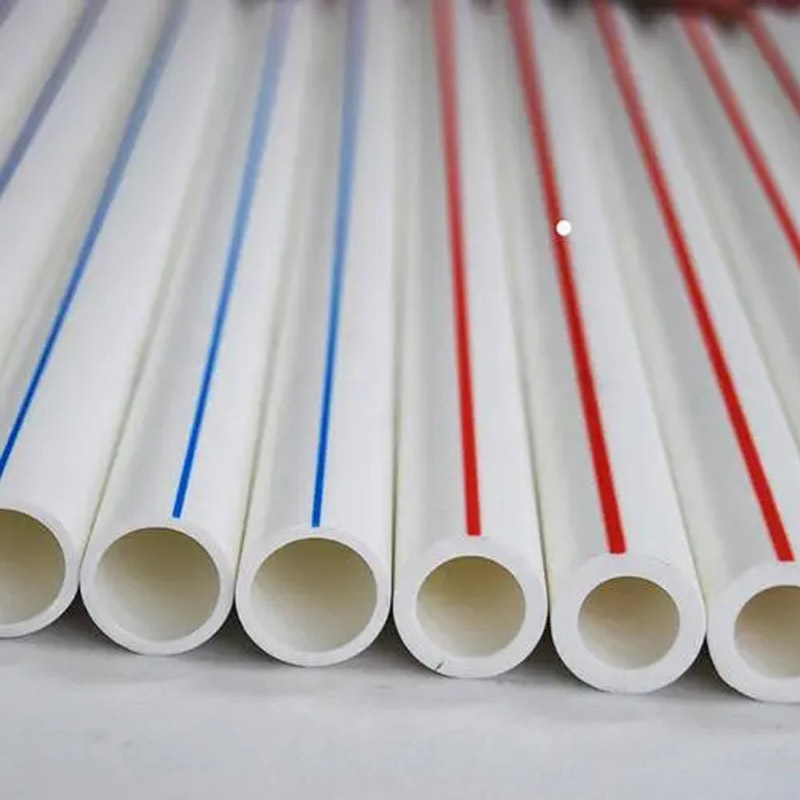
China 2.5 inch PVC pipe represents a ubiquitous component in modern fluid conveyance systems, finding extensive application across irrigation, drainage, potable water distribution, and various industrial processes. Positioned within the broader polymer piping industry, it constitutes a cost-effective alternative to metallic piping, particularly where corrosion resistance is paramount. This technical guide provides an in-depth examination of its material science, manufacturing processes, performance characteristics, potential failure modes, and relevant industry standards. Core performance parameters include pressure rating, tensile strength, impact resistance, and long-term hydrostatic strength, all critical considerations for engineers and procurement professionals. The proliferation of Chinese manufactured PVC pipe has driven down costs, yet quality control and adherence to international standards remain key concerns for end-users. This guide aims to demystify these considerations, providing a comprehensive resource for informed decision-making.
Material Science & Manufacturing
The foundational material of 2.5 inch PVC pipe is Polyvinyl Chloride (PVC), a thermoplastic polymer synthesized from vinyl chloride monomer (VCM). PVC’s inherent properties, including chemical inertness, high chlorine content (approximately 57%), and amorphous structure, contribute to its robust resistance to corrosion and weathering. For pipe production, PVC is rarely used in its pure form; instead, formulations incorporate plasticizers (typically phthalates or alternative esters) to enhance flexibility and impact resistance, stabilizers (often organotin compounds or calcium-zinc formulations) to prevent thermal degradation during processing, lubricants to improve flow characteristics, and pigments for coloration. The specific formulation dictates the pipe’s rigidity and suitability for different applications.
Manufacturing typically employs extrusion processes. PVC compound is fed into a single or twin-screw extruder, where it's heated, melted, and homogenized. The molten PVC is then forced through a die of the desired 2.5 inch diameter and wall thickness. Critical parameters during extrusion include screw speed, barrel temperature profile (typically ranging from 130°C to 200°C depending on the PVC formulation), and die temperature. Precise temperature control is crucial to prevent PVC degradation and ensure dimensional accuracy. Following extrusion, the pipe is cooled rapidly using a water bath to solidify the polymer matrix and maintain shape. Post-extrusion processes include cutting to desired lengths, beveling of ends for socket welding, and quality control inspections including hydrostatic pressure testing. The degree of crystallinity, achieved through controlled cooling rates, influences the pipe's long-term creep resistance.
Performance & Engineering
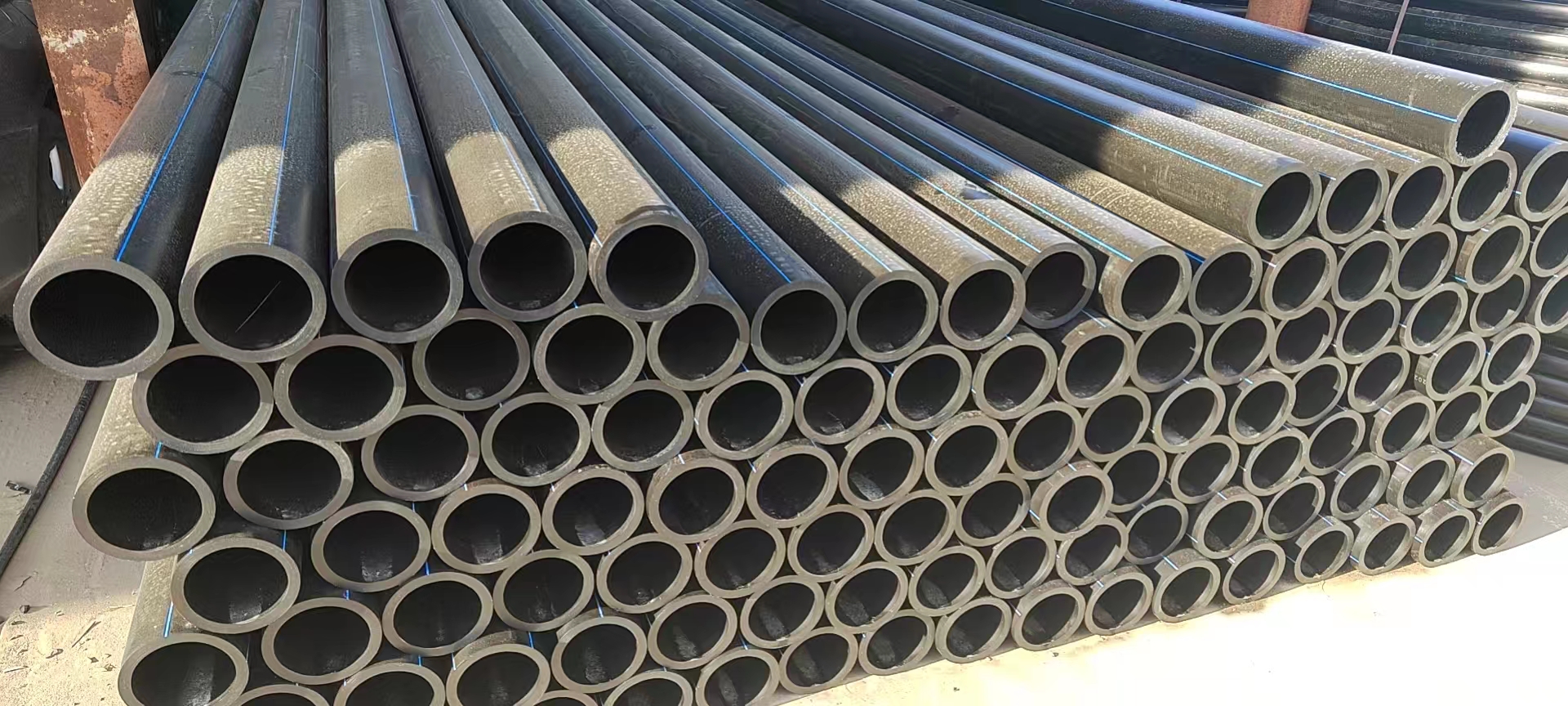
The performance of 2.5 inch PVC pipe is dictated by several key engineering considerations. Firstly, hydrostatic pressure rating, commonly expressed in psi or bar, determines the maximum internal pressure the pipe can withstand without failure. This is governed by Barlow’s Formula (S = PR/2t, where S = stress, P = pressure, R = radius, and t = wall thickness). Wall thickness is therefore a critical design parameter. Secondly, tensile strength and elongation at break define the pipe's resistance to axial forces. PVC exhibits relatively low tensile strength compared to metals, necessitating careful consideration of soil loading and external stresses during burial. Thirdly, impact resistance, measured using Izod or Charpy impact tests, is crucial for preventing brittle fracture, particularly during handling and installation. Plasticizers significantly enhance impact strength.
Environmental resistance is another vital factor. While PVC is generally resistant to many chemicals, prolonged exposure to certain solvents and strong oxidizing agents can cause swelling and degradation. UV degradation is also a concern, especially for above-ground applications; UV stabilizers are incorporated into the PVC formulation to mitigate this effect. Thermal expansion and contraction must also be accounted for in pipeline design, as PVC has a significantly higher coefficient of thermal expansion than metals. Proper jointing techniques, such as solvent welding or mechanical couplings, are essential to maintain the integrity of the system and prevent leakage. Stress corrosion cracking, although less common in PVC than in some other polymers, can occur under sustained tensile stress in the presence of specific chemicals.
Technical Specifications
| Parameter | Schedule 40 (Standard Wall) | Schedule 80 (Heavy Wall) | ASTM D1785 Dimension |
|---|---|---|---|
| Nominal Pipe Size (inches) | 2.5 | 2.5 | 2.5 |
| Outside Diameter (inches) | 2.670 | 2.670 | 2.670 |
| Wall Thickness (inches) | 0.083 | 0.112 | Variable, per Schedule |
| Pressure Rating (psi @ 73°F) | 200 | 325 | Dependent on Schedule & Temp. |
| Tensile Strength (psi) | 6,000 - 8,000 | 6,000 - 8,000 | ASTM D638 |
| Impact Strength (Izod Notched, ft-lb/in) | 10 - 15 | 12 - 20 | ASTM D256 |
Failure Mode & Maintenance
Several failure modes can affect 2.5 inch PVC pipe in service. Long-term hydrostatic stress can lead to creep rupture, particularly at elevated temperatures. This is exacerbated by material defects or stress concentrations at joints. Brittle fracture can occur due to impact damage, especially in cold weather, or from pre-existing cracks propagating under sustained load. UV degradation causes surface chalking and loss of mechanical properties, reducing impact resistance and accelerating creep. Chemical attack from incompatible substances can lead to swelling, softening, and eventual failure. Another common failure mode is crazing, microscopic cracks forming on the surface due to tensile stress.
Maintenance primarily focuses on preventative measures. Regular visual inspections for cracks, deformations, and signs of UV degradation are essential. Proper bedding and backfill during installation minimize external stresses. Protection from direct sunlight and exposure to harsh chemicals prolongs service life. In cases of minor leaks, repair couplings can be used. For larger failures, complete pipe replacement is typically required. Hydrostatic testing can be performed periodically to assess the integrity of the pipeline. Joint integrity should be verified through non-destructive testing methods, such as ultrasonic testing, particularly in critical applications. Avoid using abrasive cleaning agents that can damage the pipe surface and create stress concentrations.
Industry FAQ
Q: What is the impact of water hammer on 2.5 inch PVC pipe and how can it be mitigated?
A: Water hammer, a pressure surge caused by sudden changes in flow velocity, can induce significant stress on PVC pipe, leading to cracking or joint failure. PVC's brittleness makes it more susceptible to water hammer damage than ductile materials like steel. Mitigation strategies include installing surge arrestors (air chambers or pressure relief valves), gradually opening and closing valves, and ensuring proper pipe anchoring to prevent movement. Slow-closing valves and pressure reducing valves are also crucial.
Q: How does the formulation of the PVC compound affect its long-term performance in buried applications?
A: The PVC compound’s formulation critically impacts long-term buried performance. Higher levels of plasticizers improve impact resistance but may accelerate creep. Stabilizer type and concentration determine resistance to thermal degradation and UV exposure. The presence of fillers affects stiffness and cost. Soil chemical composition can also interact with the PVC, potentially causing degradation; formulations with enhanced chemical resistance are necessary in aggressive soil environments.
Q: What are the differences between Schedule 40 and Schedule 80 PVC pipe, and when would you choose one over the other?
A: Schedule 40 and Schedule 80 refer to the pipe’s wall thickness. Schedule 80 has a thicker wall, resulting in a higher pressure rating and greater rigidity. Schedule 40 is suitable for lower-pressure applications like irrigation and drainage. Schedule 80 is preferred for higher-pressure systems, industrial processes, or applications requiring increased mechanical strength and durability, such as chemical transport.
Q: What are the implications of using non-standard PVC pipe (e.g., from unverified manufacturers) in a critical infrastructure project?
A: Using non-standard PVC pipe carries significant risks. Unverified manufacturers may use inferior raw materials, deviate from established manufacturing processes, and lack quality control procedures. This can lead to reduced pressure ratings, increased failure rates, and potential catastrophic consequences in critical infrastructure projects. Adhering to recognized standards (ASTM, ISO) and sourcing from reputable suppliers is paramount.
Q: What is the effect of temperature on the pressure rating of 2.5 inch PVC pipe?
A: The pressure rating of PVC pipe decreases as temperature increases. This is because the material’s tensile strength and stiffness decrease with rising temperature. Pressure rating charts provided by manufacturers typically specify derating factors for different temperatures. It’s crucial to account for the maximum operating temperature of the fluid being conveyed when selecting and installing PVC pipe.
Conclusion
China 2.5 inch PVC pipe offers a compelling balance of cost-effectiveness and performance for a wide range of fluid conveyance applications. However, its successful implementation requires a thorough understanding of its material properties, manufacturing nuances, and potential failure modes. Critical parameters such as wall thickness, pressure rating, and chemical compatibility must be carefully considered during system design and material selection. Prioritizing adherence to international standards and rigorous quality control measures is essential to ensure long-term reliability and prevent premature failure.
Looking ahead, advancements in PVC formulations, including the development of bio-based plasticizers and enhanced UV stabilizers, will further improve its sustainability and durability. The continued refinement of extrusion processes and quality control protocols will be crucial for maintaining the competitiveness of Chinese manufactured PVC pipe in the global market. A holistic approach encompassing material science, engineering design, and proactive maintenance is paramount for maximizing the lifespan and minimizing the lifecycle cost of PVC piping systems.
-
DN25 HDPE Compression Fitting-HORON INTERNATIONAL|Reliable Irrigation Solutions
NewsFeb.11,2026
-
china corrugated hdpe pipe fittings Performance Analysis
News2026-05-22
-
china ppr pipe for hot water Performance Analysis
News2026-05-22
-
china ppr Technical Performance Analysis
News2026-05-22
-
china corrugated dual wall pipe Performance Analysis
News2026-05-22
-
china sink inlet pipe Material Performance Analysis
News2026-05-22
-
china 1 2 inch pvc Performance Analysis
News2026-05-21
-
china hdpe pipe joint coupler Performance Analysis
News2026-05-21
-
china ppr pipes and fittings price list Technical Analysis
News2026-05-21
-
china 9 inch pvc pipe price Performance Analysis
News2026-05-21
-
china 2 inch borewell column pipe price Performance Engineering
News2026-05-21
-
china hdpe pipe suppliers Performance Analysis
News2026-05-20
-
china submersible pump column pipe Performance Engineering
News2026-05-20
-
china 8 hdpe corrugated pipe Manufacturing Analysis
News2026-05-20
-
china dual wall hdpe pipe Performance Analysis
News2026-05-20
-
china water lines under sink Performance Analysis
News2026-05-20