

Feb . 11, 2026 00:01 Back to list
yellow pvc pipe Product Performance Analysis
Introduction
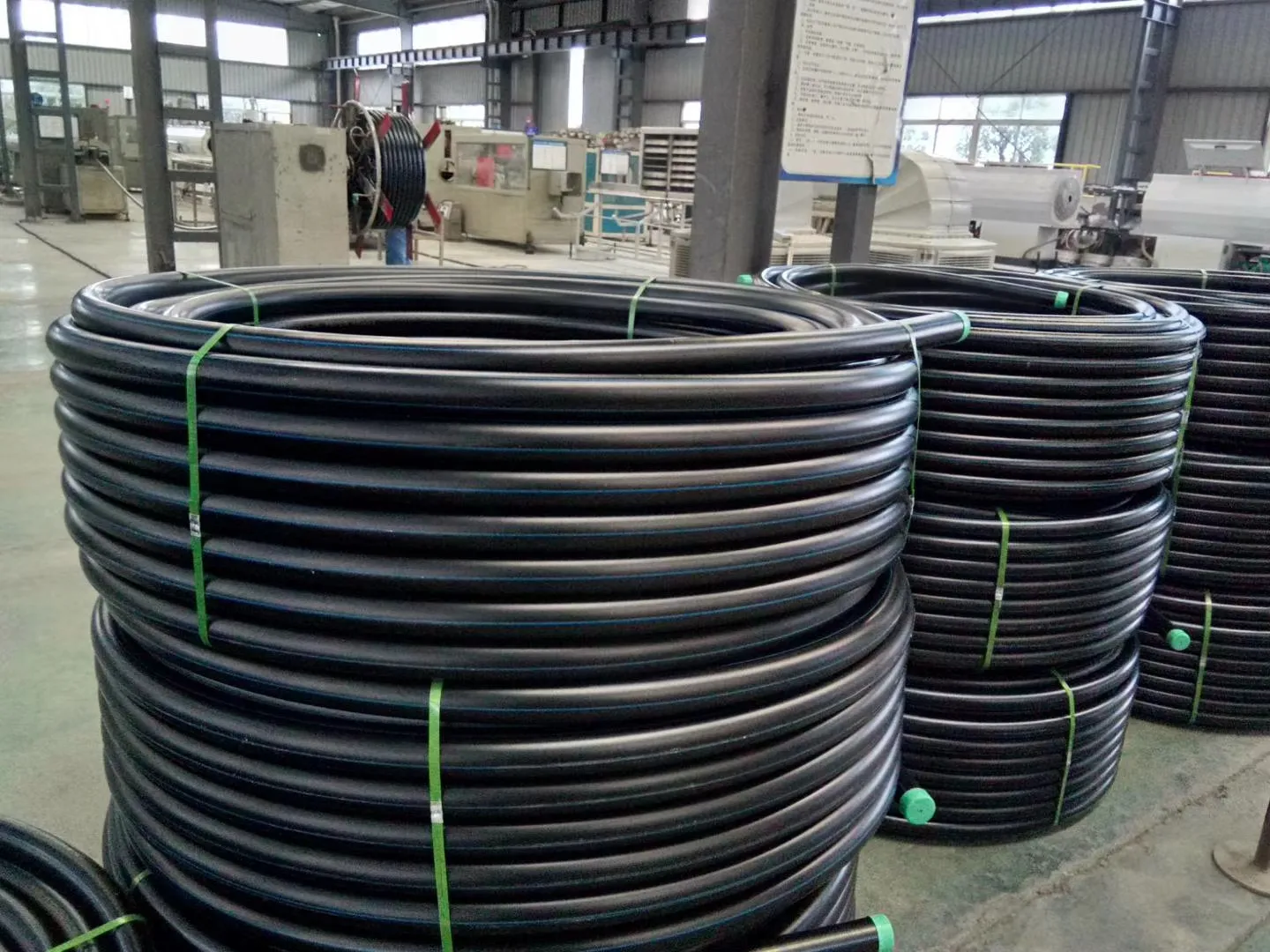
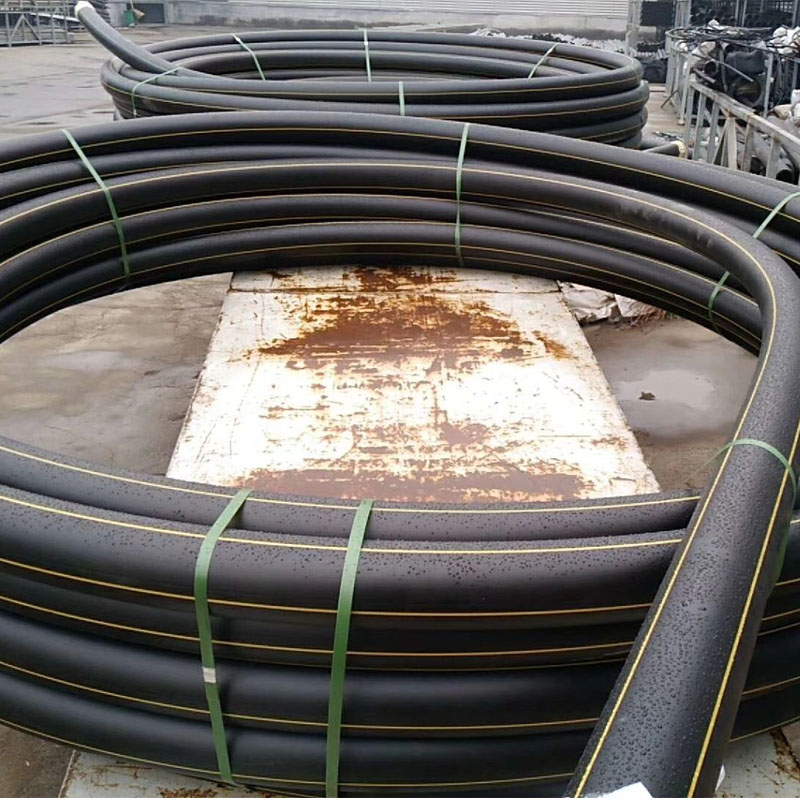
Polyvinyl chloride (PVC) pipe, specifically yellow PVC pipe, represents a significant component in fluid conveyance systems across numerous industries including irrigation, drainage, chemical processing, and potable water distribution. The yellow coloration, standardized for specific applications, commonly denotes gas lines and hazardous material conveyance, providing a crucial visual warning. PVC's widespread adoption stems from its cost-effectiveness, corrosion resistance, and relatively simple installation process. However, its performance is critically dependent on the formulation of the PVC compound, the manufacturing process, and adherence to rigorous industry standards. This guide provides a comprehensive technical overview of yellow PVC pipe, encompassing material science, manufacturing techniques, performance characteristics, failure modes, and relevant international standards, intended for procurement managers, engineers, and technical specialists.
Material Science & Manufacturing
Yellow PVC pipe is primarily composed of polyvinyl chloride resin, a thermoplastic polymer produced by the polymerization of vinyl chloride monomer (VCM). The resin itself is inherently brittle; therefore, plasticizers, typically phthalates or more recently, bio-based alternatives like citrates, are added to enhance flexibility and impact resistance. Stabilizers, such as organotin compounds (though increasingly phased out due to environmental concerns, replaced by calcium-zinc systems), are crucial to prevent degradation during processing and service life, particularly from heat and UV exposure. The yellow coloration is achieved through the addition of pigment concentrates, commonly iron oxides or organic pigments, carefully selected for UV stability and compatibility with the PVC matrix.
Manufacturing predominantly employs extrusion processes. PVC compound is fed into a single-screw or twin-screw extruder, where it is heated, melted, and homogenized. The molten PVC is then forced through a die, shaping it into the desired pipe diameter and wall thickness. Critical parameters during extrusion include barrel temperature profile (typically ranging from 160°C to 210°C depending on the formulation), screw speed, die temperature, and cooling rate. Post-extrusion, pipes undergo sizing and calibration to ensure dimensional accuracy. Further processing includes cutting to length, beveling (for solvent welding), and quality control inspections. The hydrostatic pressure testing, conforming to ASTM D1785, is a critical step to verify the pipe’s ability to withstand internal pressure. Impact strength is also assessed according to ASTM D2444. The consistency of material blending and precise control of extrusion parameters are paramount to achieving uniform mechanical properties and long-term performance.
Performance & Engineering
The performance of yellow PVC pipe is governed by several key engineering properties. Tensile strength, typically ranging from 50-70 MPa, dictates its resistance to cracking under load. Flexural modulus, around 3-4 GPa, determines its stiffness and resistance to bending. Impact strength, measured using Izod or Charpy tests, is critical for applications subjected to sudden shocks or impacts. The long-term hydrostatic strength (LTHS) is a crucial parameter, assessed using hydrostatic stress rupture tests (ASTM D1597), and is particularly important for potable water applications, determining the pipe's ability to withstand sustained internal pressure over decades. Chemical resistance is another vital aspect; PVC exhibits good resistance to many acids, alkalis, and salts, but is susceptible to attack by some organic solvents.
For gas lines, the performance is further assessed by leak tightness under specified gas pressure, and the ability to withstand ground movement and external loads. In applications involving hazardous materials, compatibility with the conveyed substance must be rigorously verified. Finite element analysis (FEA) is increasingly used to model pipe behavior under various loading conditions, optimizing wall thickness and material formulations for specific applications. The thermal expansion coefficient of PVC (approximately 8 x 10⁻⁵ /°C) needs consideration in design, especially for long pipelines, to accommodate expansion and contraction due to temperature fluctuations. Compliance with regional building codes and industry standards, such as those related to trenching and backfilling procedures, is crucial for ensuring the structural integrity of the installed pipeline.
Technical Specifications
| Parameter | Unit | Typical Value (Schedule 40) | Test Standard |
|---|---|---|---|
| Tensile Strength | MPa | 55-65 | ASTM D638 |
| Flexural Modulus | GPa | 3.0-3.5 | ASTM D790 |
| Impact Strength (Izod Notched) | J/m | 5-10 | ASTM D256 |
| Hydrostatic Pressure (LTHS @ 23°C) | MPa | 10-15 (depending on SDR) | ASTM D1597 |
| Water Absorption (24hr) | % | <0.1 | ASTM D570 |
| Coefficient of Linear Thermal Expansion | /°C | 8 x 10⁻⁵ | ASTM E228 |
Failure Mode & Maintenance
Yellow PVC pipe is susceptible to several failure modes. Embrittlement due to prolonged UV exposure is a common issue, leading to cracking, particularly in outdoor applications. Chemical attack, especially by certain organic solvents, can cause swelling, softening, and eventual failure. Stress cracking, induced by sustained tensile stress in the presence of certain chemicals, is another potential failure mechanism. Fatigue cracking can occur in pipelines subjected to cyclical pressure fluctuations or vibrations. Joint failures are often attributed to improper solvent welding techniques (insufficient cleaning, incorrect solvent application, or inadequate curing time) or inadequate support leading to excessive stress at the joint. Delamination can occur within the pipe wall if the PVC compound is not properly mixed or processed.
Preventive maintenance includes regular visual inspections for cracks, discoloration, or deformation. Protection from direct sunlight through coatings or burial is crucial to prevent UV degradation. Proper jointing procedures, adhering to ASTM D2855 for solvent cementing, are essential. Ensure adequate support and anchoring of pipelines to minimize stress. For pipelines conveying corrosive fluids, periodic testing of the fluid’s compatibility with PVC is recommended. Should leaks or damage occur, localized repair using appropriate PVC repair compounds or replacement of the affected section is necessary. Long-term monitoring of hydrostatic pressure and flow rates can provide early warning signs of potential failure.
Industry FAQ
Q: What is the significance of the yellow color coding in PVC pipe?
A: The yellow color, as per industry standards (often referencing DOT regulations in the US), specifically identifies PVC pipe intended for use with natural gas or potentially hazardous materials. This color coding serves as a crucial visual warning to personnel during installation, maintenance, and in the event of an emergency.
Q: How does temperature affect the long-term performance of PVC pipe?
A: Elevated temperatures accelerate the degradation of PVC, reducing its long-term hydrostatic strength. Lower temperatures can increase brittleness, making it more susceptible to cracking under impact. Therefore, the operating temperature range specified by the manufacturer should be strictly adhered to, and thermal expansion and contraction must be accounted for in the system design.
Q: What are the key considerations when solvent welding PVC pipe?
A: Proper surface preparation – thorough cleaning with a PVC cleaner to remove dirt and grease – is paramount. The correct solvent cement formulation must be used, compatible with both the pipe and fitting materials. Application should be quick and even, followed by immediate joining and firm pressure for adequate curing time, as specified by the solvent cement manufacturer. Avoid excessive solvent cement, as this can weaken the joint.
Q: What is the difference between Schedule 40 and Schedule 80 PVC pipe?
A: Schedule 40 and Schedule 80 refer to the pipe wall thickness. Schedule 80 has a thicker wall compared to Schedule 40, resulting in higher pressure ratings and greater mechanical strength. Schedule 80 is typically used in applications requiring higher pressure or greater durability, while Schedule 40 is sufficient for lower-pressure applications like irrigation.
Q: What are the environmental concerns associated with PVC and what alternatives are available?
A: The production and disposal of PVC can raise environmental concerns related to the use of chlorine and plasticizers. While significant advancements have been made in reducing emissions and improving recycling rates, bio-based PVC alternatives utilizing renewable feedstocks and non-phthalate plasticizers are gaining traction, offering a more sustainable option. HDPE and polypropylene are also frequently considered as alternative materials, depending on the specific application requirements.
Conclusion
Yellow PVC pipe remains a widely utilized material in numerous industrial applications due to its combination of cost-effectiveness, chemical resistance, and ease of installation. However, realizing its full potential and ensuring long-term reliability necessitates a thorough understanding of its material properties, manufacturing processes, and potential failure modes. Proper selection of the appropriate schedule, correct installation techniques (particularly solvent welding), and protection from environmental factors are critical to maximizing its service life and minimizing the risk of failure.
Future developments are focused on enhancing PVC formulations with improved stabilizers and plasticizers, promoting sustainable manufacturing practices, and developing more robust recycling technologies. A continued emphasis on quality control, adherence to industry standards, and proactive maintenance programs will be essential for maintaining the integrity and performance of yellow PVC pipe infrastructure in the years to come.
-
DN25 HDPE Compression Fitting-HORON INTERNATIONAL|Reliable Irrigation Solutions
NewsFeb.11,2026
-
discount ppr for hot water Performance Analysis
News2026-06-25
-
discount bulk pvc pipe Material Performance
News2026-06-25
-
discount pvc pipes price list Material Science and Manufacturing
News2026-06-25
-
discount 20 ft pvc pipe Performance Analysis
News2026-06-25
-
discount ppr cold water pipe Performance Analysis
News2026-06-25
-
discount 24 inch diameter pvc pipe price Performance Analysis
News2026-06-24
-
discount 4 hdpe drain pipe Performance Analysis
News2026-06-24
-
discount 12 hdpe pipe Performance Analysis
News2026-06-24
-
discount hdpe reducing coupling Performance Analysis
News2026-06-24
-
discount hdpe corrugated sewer pipe Performance Engineering
News2026-06-24
-
discount pvc pipe cost per foot Material and Performance Analysis
News2026-06-23
-
discount double walled corrugated pipe Performance Analysis
News2026-06-23
-
discount hdpe sprinkler pipe price list Performance and Engineering
News2026-06-23
-
discount water pipe in kitchen Technical Analysis
News2026-06-23
-
discount hdpe to pvc pipe coupling Performance Engineering
News2026-06-23