

Feb . 11, 2026 00:01 Back to list
water supply hdpe pipe product Performance Analysis
Introduction
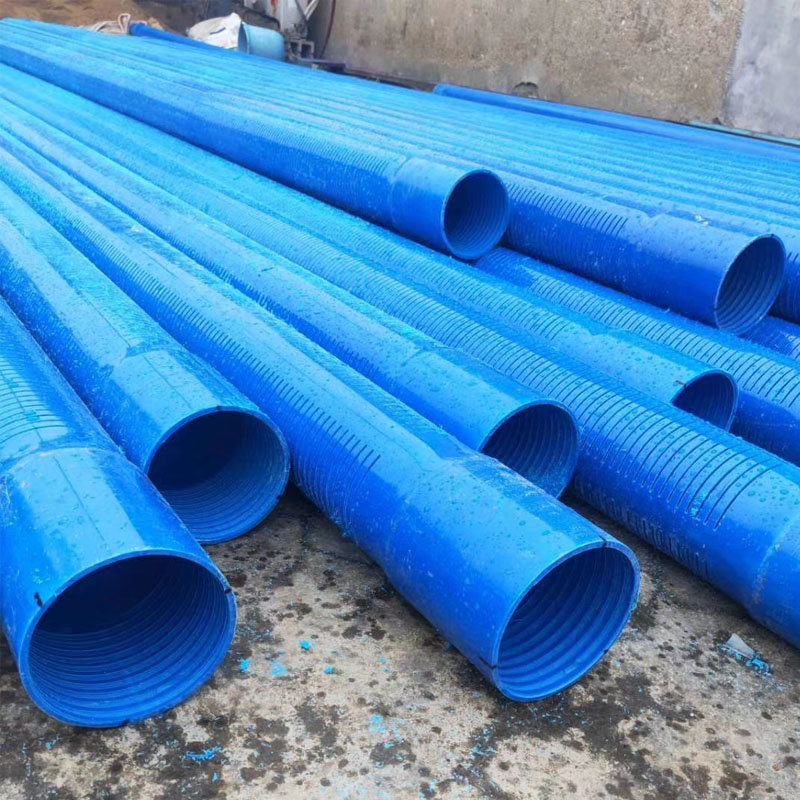
High-Density Polyethylene (HDPE) pipe for water supply represents a significant advancement in potable water distribution infrastructure. Positioned as a direct replacement for traditional materials like ductile iron, steel, and PVC, HDPE pipe delivers enhanced durability, corrosion resistance, and long-term cost-effectiveness. This guide provides a comprehensive technical overview of HDPE pipe, encompassing material science, manufacturing processes, performance characteristics, failure modes, and relevant industry standards. The core performance characteristics center around its pressure bearing capacity, leak-free joints achieved through heat fusion, and resistance to chemical degradation found in varying water compositions. A primary industry pain point is the initial cost compared to PVC, coupled with a lack of widespread understanding of proper installation techniques to maximize its lifespan and performance benefits.
Material Science & Manufacturing
HDPE pipe is manufactured from polyethylene resin, a thermoplastic polymer produced through the polymerization of ethylene. The density of the polyethylene dictates its properties; HDPE exhibits a density of approximately 0.941 to 0.965 g/cm³, contributing to its high strength-to-density ratio. Raw material selection is critical; typically, resins meeting or exceeding ASTM D3350 standards are employed. Key properties of the PE resin include molecular weight distribution, melt flow index, and density. These parameters influence the pipe's resistance to slow crack growth (SCG) and its weldability.
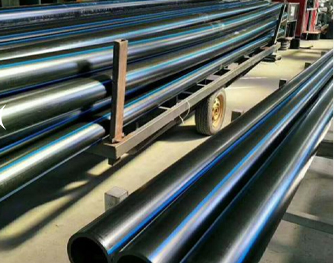
Manufacturing typically involves extrusion processes. The polyethylene resin is fed into an extruder where it is heated and melted. A mandrel and die are used to shape the molten plastic into a continuous pipe. Critical parameters during extrusion include melt temperature (typically 180-210°C), extrusion pressure, and cooling rate. Proper cooling is essential to ensure dimensional stability and prevent warping. Pipe diameters range from small distribution lines to large transmission mains, with wall thicknesses varying based on pressure requirements (SDR – Standard Dimension Ratio). Post-extrusion, pipes are often marked with identifying information including material designation (PE3408, PE4710, etc.), dimensions, manufacturing date, and relevant standards compliance. Quality control includes hydrostatic testing, where pipes are subjected to internal pressure exceeding their rated working pressure for a specified duration, ensuring leak-proof integrity.
Performance & Engineering
The performance of HDPE pipe is governed by its ability to withstand internal and external pressures, resist chemical attack, and maintain long-term structural integrity. Force analysis considers hoop stress (circumferential stress due to internal pressure) and longitudinal stress (axial stress due to pressure and thermal expansion/contraction). The pipe’s ability to handle surge pressures (water hammer) is also crucial, requiring consideration of pipe material damping characteristics and potentially the use of surge arrestors.
Environmental resistance is a significant advantage. HDPE is virtually immune to corrosion from most chemicals found in soil or water, eliminating the need for protective coatings commonly required for metallic pipes. However, resistance to UV degradation necessitates the use of carbon black additives during manufacturing, providing UV protection. Long-term hydrostatic strength is paramount; HDPE exhibits a bimodal molecular weight distribution which contributes to improved creep resistance, meaning it deforms less under sustained pressure. Compliance requirements include meeting the standards set forth by AWWA (American Water Works Association), NSF International for potable water safety, and local building codes. Joints are typically formed through heat fusion (butt fusion, socket fusion, electrofusion), creating a weld that is as strong or stronger than the base pipe material, eliminating leak points inherent in mechanical joints.
Technical Specifications
| Parameter | Unit | PE3408 | PE4710 |
|---|---|---|---|
| Hydrostatic Design Stress (HDS) | MPa | 8.0 | 10.0 |
| Hydrostatic Design Basis (HDB) | Hours | 1600 | 1600 |
| Minimum Tensile Strength | MPa | 28 | 37 |
| Elongation at Break | % | >300 | >400 |
| Slow Crack Growth Resistance (SCGR) | Hours | >1000 | >5000 |
| Operating Temperature Range | °C | -40 to +60 | -40 to +60 |
Failure Mode & Maintenance
While HDPE pipe offers exceptional durability, several failure modes can occur. Slow Crack Growth (SCG) is a primary concern, often initiated by stress concentrations around imperfections or notches, exacerbated by sustained stress and the presence of certain chemicals. Fatigue cracking can develop under cyclic loading, particularly in areas subject to vibration or repeated pressure fluctuations. Third-party damage during excavation is a common cause of failure, leading to punctures or cuts. Joint failures, though less frequent with proper heat fusion, can occur due to inadequate welding parameters or contamination during the fusion process. Oxidation can occur over extremely long durations, especially at elevated temperatures.
Maintenance typically involves regular inspections, particularly in areas prone to damage. Leak detection surveys using acoustic sensors can identify potential failures early on. For minor damage, repairs can be performed using mechanical couplings or by heat fusion welding patches. For significant damage, pipe replacement is often necessary. Preventative measures include proper bedding and backfilling to protect the pipe from external loads, corrosion protection where soil conditions are aggressive, and adherence to strict installation guidelines. Regular pressure testing can also help identify potential weaknesses before they lead to catastrophic failure.
Industry FAQ
Q: What are the advantages of HDPE pipe over ductile iron pipe for water transmission?
A: HDPE pipe offers several advantages: lighter weight for easier installation, superior corrosion resistance eliminating the need for coatings, greater flexibility allowing for seismic movement, and leak-free joints achieved through heat fusion. While ductile iron has higher tensile strength, HDPE’s flexibility and resistance to corrosion often outweigh this benefit in water applications.
Q: How does the SDR (Standard Dimension Ratio) affect the pressure rating of HDPE pipe?
A: SDR is the ratio of a pipe's outside diameter to its wall thickness. A lower SDR indicates a thicker wall and therefore a higher pressure rating. Selecting the appropriate SDR is crucial to ensure the pipe can withstand the operating pressure and any potential surge pressures.
Q: What are the best practices for heat fusion welding of HDPE pipe?
A: Proper surface preparation (cleaning and drying), correct welding parameters (temperature, pressure, and time), and skilled operators are essential. Following the manufacturer’s recommendations and adhering to standards like ASTM F2620 is critical for achieving a reliable weld.
Q: Is HDPE pipe suitable for use in all soil types?
A: Generally, yes. However, in highly corrosive soils, additional protection may be necessary. Proper bedding and backfilling are essential to protect the pipe from external loads and potential damage. Soil testing to determine the corrosive potential is recommended.
Q: What is the expected lifespan of a properly installed HDPE water supply pipe?
A: Properly installed HDPE pipe can have a lifespan exceeding 50 years, and in many cases, even 100 years. The long-term performance is due to its inherent corrosion resistance and the integrity of heat-fused joints.
Conclusion
HDPE pipe represents a robust and reliable solution for water supply applications. Its inherent material properties, coupled with advanced manufacturing and joining techniques, offer significant advantages over traditional materials. The resistance to corrosion, flexibility, and leak-free joints translate into lower life-cycle costs and reduced maintenance requirements. Proper material selection, installation practices, and adherence to relevant standards are paramount to realizing the full potential of this technology.
Looking forward, advancements in HDPE resin formulations and welding technologies will continue to enhance the performance and durability of these systems. Increased adoption of HDPE pipe is anticipated as municipalities and water utilities seek to modernize their infrastructure and address the challenges of aging pipelines. Understanding the nuances of HDPE pipe performance—from creep resistance to SCGR—is crucial for long-term infrastructure planning and success.
-
DN25 HDPE Compression Fitting-HORON INTERNATIONAL|Reliable Irrigation Solutions
NewsFeb.11,2026
-
china corrugated hdpe pipe fittings Performance Analysis
News2026-05-22
-
china ppr pipe for hot water Performance Analysis
News2026-05-22
-
china ppr Technical Performance Analysis
News2026-05-22
-
china corrugated dual wall pipe Performance Analysis
News2026-05-22
-
china sink inlet pipe Material Performance Analysis
News2026-05-22
-
china 1 2 inch pvc Performance Analysis
News2026-05-21
-
china hdpe pipe joint coupler Performance Analysis
News2026-05-21
-
china ppr pipes and fittings price list Technical Analysis
News2026-05-21
-
china 9 inch pvc pipe price Performance Analysis
News2026-05-21
-
china 2 inch borewell column pipe price Performance Engineering
News2026-05-21
-
china hdpe pipe suppliers Performance Analysis
News2026-05-20
-
china submersible pump column pipe Performance Engineering
News2026-05-20
-
china 8 hdpe corrugated pipe Manufacturing Analysis
News2026-05-20
-
china dual wall hdpe pipe Performance Analysis
News2026-05-20
-
china water lines under sink Performance Analysis
News2026-05-20