

Feb . 11, 2026 00:01 Back to list
water supply hdpe pipe manufacturers Performance Analysis
Introduction
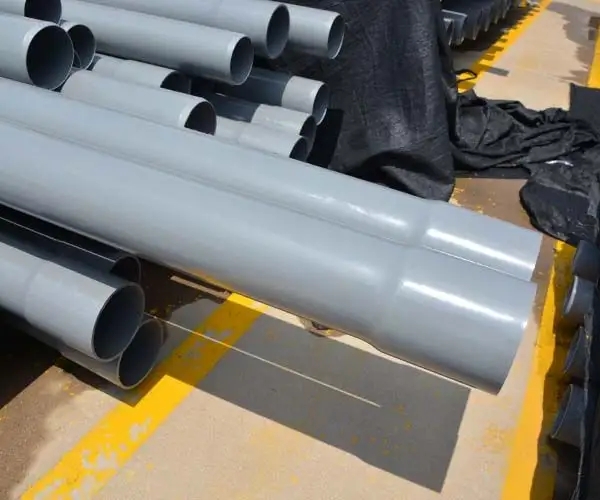
High-Density Polyethylene (HDPE) pipe has become a dominant material in water supply infrastructure globally. This technical guide provides an in-depth analysis of HDPE pipes specifically manufactured for potable water distribution, addressing material science, manufacturing processes, performance characteristics, failure modes, and relevant industry standards. HDPE's corrosion resistance, flexibility, and long-term durability offer significant advantages over traditional materials like ductile iron and PVC. Its position in the water supply chain is critical, serving as the primary conveyance network from treatment facilities to end-users. Core performance metrics center around maintaining water quality, minimizing leakage, and ensuring long service life with minimal maintenance. A primary industry pain point lies in ensuring consistent product quality across manufacturers, particularly concerning PE resin grade, weld integrity, and adherence to stringent potable water regulations.
Material Science & Manufacturing
HDPE pipe manufacturing begins with polyethylene resin, typically sourced from the polymerization of ethylene. The resin grade dictates the pipe’s performance characteristics. Crucially, water supply applications require resins meeting PE 100 specifications (ISO/TS 10731), guaranteeing enhanced slow crack growth resistance (SCGR) and long-term hydrostatic strength. Raw materials also include carbon black for UV protection, stabilizers to prevent oxidation during processing, and potentially additives to enhance flow properties.
The predominant manufacturing process is extrusion. PE resin is fed into a hopper, melted, and forced through a die to form a continuous pipe. Key parameters during extrusion include melt temperature (typically 180-210°C), die pressure, haul-off speed, and cooling rate. Maintaining consistent temperature control is paramount to avoid material degradation and dimensional inconsistencies. Pipe diameters range from small distribution lines (e.g., 16mm) to large transmission mains (e.g., 1200mm or greater). Following extrusion, pipes are typically marked with identification information including size, SDR (Standard Dimension Ratio), PE 100 designation, manufacturer, and date of manufacture.
Fusion welding is the predominant joining method. Common techniques include butt fusion, socket fusion, and electrofusion. Butt fusion, used for larger diameters, involves precisely aligning and heating pipe ends, then pressing them together under controlled pressure. Socket fusion, suitable for smaller diameters, utilizes internal heating elements within fittings. Electrofusion utilizes electrically conductive fittings with embedded heating elements. Welding parameter control – temperature, pressure, and dwell time – is critical. Improper welding leads to weak joints susceptible to premature failure. Non-Destructive Testing (NDT) such as visual inspection and hydrostatic testing are vital quality control measures.
Performance & Engineering
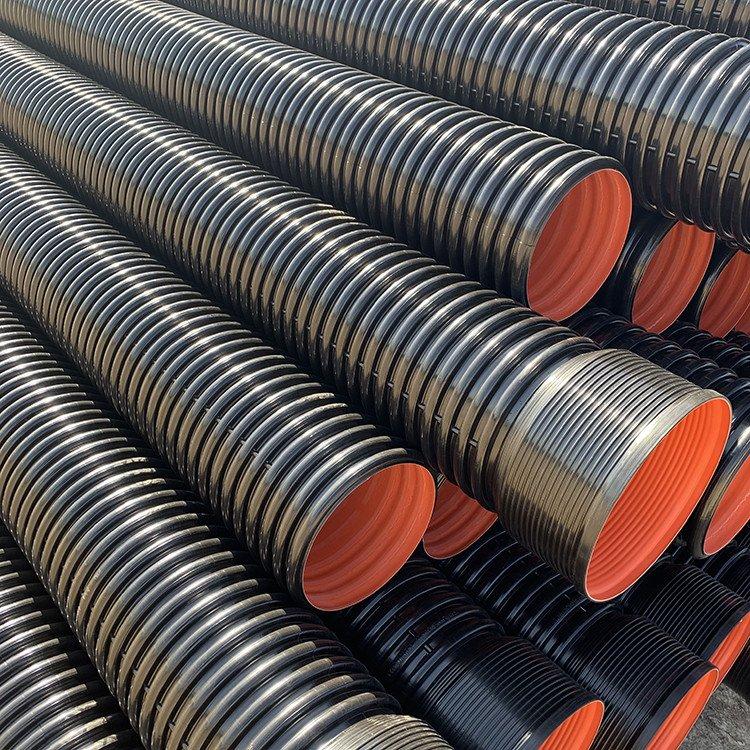
HDPE pipe performance is governed by several key engineering principles. Hydrostatic stress analysis is crucial to determine the pipe’s ability to withstand internal water pressure. SDR, the ratio of pipe diameter to wall thickness, directly correlates to the pipe's pressure rating. Lower SDR values indicate thicker walls and higher pressure capacity. The Hazen-Williams equation is used to calculate flow capacity and pressure loss within the pipe network. HDPE's smooth internal surface minimizes friction losses compared to rougher materials like concrete or corroded steel.
Environmental factors significantly impact long-term performance. While HDPE exhibits excellent chemical resistance to most water treatment chemicals, prolonged exposure to specific oxidants may induce degradation. Temperature fluctuations cause thermal expansion and contraction. Proper installation practices, including allowance for thermal movement and anchoring, are vital to prevent stress cracking. Burial depth and soil conditions also play a role. Corrosive soils can accelerate pipe degradation if adequate protective measures aren’t implemented (e.g., external coating or cathodic protection).
Compliance with potable water regulations is paramount. HDPE pipe must meet NSF/ANSI Standard 61, ensuring that the material does not leach harmful contaminants into the water supply. Burst pressure testing (according to ISO 1167) verifies the pipe's resistance to failure under hydrostatic pressure. Slow Crack Growth Resistance (SCGR) testing (ISO 4437) assesses the pipe's ability to withstand long-term stresses in a corrosive environment.
Technical Specifications
| Parameter | Unit | PE 100 (Typical) | PE 80 (Typical) |
|---|---|---|---|
| Density | kg/m³ | 950-970 | 920-940 |
| Hydrostatic Design Stress (HDS) | MPa | 10.0 | 8.0 |
| SDR (Standard Dimension Ratio) | - | Various (e.g., SDR 17, SDR 11) | Various (e.g., SDR 21, SDR 15) |
| Minimum Burst Pressure | MPa | Dependent on SDR & Size | Dependent on SDR & Size |
| Slow Crack Growth Resistance (SCGR) | Hours | >1000 | >500 |
| Operating Temperature Range | °C | -40 to +60 | -40 to +40 |
Failure Mode & Maintenance
HDPE pipe, while durable, is susceptible to specific failure modes. Slow Crack Growth (SCG) is a primary concern, initiated by sustained stress combined with environmental factors (e.g., corrosive soils, residual stress from manufacturing). SCG manifests as cracks propagating slowly over time, ultimately leading to leakage. Third-party damage during installation or excavation is another common cause of failure. Improper welding techniques introduce stress concentrations at the joint, increasing susceptibility to failure. Oxidation, particularly at elevated temperatures, can degrade the material’s mechanical properties. UV exposure without adequate carbon black content can also lead to embrittlement.
Preventative maintenance is crucial. Regular leak detection surveys, utilizing acoustic methods or tracer gas techniques, can identify early signs of failure. Cathodic protection should be considered in corrosive soil environments. Proper backfilling and compaction around the pipe minimize stress concentrations. A comprehensive record-keeping system, documenting pipe location, material specifications, and installation details, aids in efficient maintenance and repair. Repair techniques include mechanical couplings, heat shrinking sleeves, or excavation and replacement of the damaged section. When replacing sections, ensuring compatibility of resin grades is vital for long-term weld integrity. Periodic visual inspections of exposed pipe sections can identify potential cracking or UV degradation.
Industry FAQ
Q: What is the significance of PE 100 versus PE 80 in water supply applications?
A: PE 100 offers significantly improved Slow Crack Growth Resistance (SCGR) compared to PE 80. This translates to a longer service life, particularly in demanding applications involving high stress levels or corrosive environments. PE 100 also allows for higher Hydrostatic Design Stress (HDS), enabling thinner walls and reduced material costs for the same pressure rating.
Q: How do I ensure the integrity of butt-fused joints?
A: Proper operator training and adherence to manufacturer's recommended welding parameters are critical. Using calibrated welding equipment and ensuring clean, properly prepared pipe ends are essential. Visual inspection of the weld bead for consistent width and fusion is a first step. Pressure testing the joint after cooling confirms its leak-tightness. Destructive testing of sample welds provides further validation.
Q: What are the risks associated with using HDPE pipe in highly corrosive soil?
A: Corrosive soils can accelerate degradation of the HDPE pipe, particularly if the pipe is not adequately protected. Cathodic protection is a highly effective method to mitigate corrosion. Alternatively, a protective coating can be applied to the pipe’s exterior. Soil testing to determine the corrosivity level is crucial for selecting the appropriate protection method.
Q: What is the impact of temperature fluctuations on HDPE pipe performance?
A: HDPE expands and contracts with temperature changes. If not properly accommodated, this thermal movement can induce stress on the pipe and joints, potentially leading to failure. Installation practices must allow for sufficient flexibility and anchoring to prevent stress buildup. Burial depth and soil cover also influence temperature fluctuations.
Q: How does HDPE pipe compare to ductile iron pipe in terms of long-term cost of ownership?
A: While the initial material cost of ductile iron may be lower, HDPE generally offers a lower long-term cost of ownership. HDPE's corrosion resistance eliminates the need for expensive corrosion control measures (e.g., linings, coatings). Its lighter weight reduces installation costs. HDPE's flexibility minimizes the risk of damage from ground movement. And its longer service life translates to reduced replacement frequency.
Conclusion
HDPE pipe represents a robust and reliable solution for water supply infrastructure. Its inherent advantages – corrosion resistance, flexibility, and long-term durability – make it a preferred material over traditional alternatives. However, realizing these benefits requires meticulous attention to material selection (PE 100 resin), manufacturing quality control (especially welding parameters), and proper installation practices. Addressing the potential for Slow Crack Growth (SCG) through appropriate design and material choices is paramount to ensuring long service life.
The future of HDPE pipe in water supply lies in continued innovation in resin technology, improved welding techniques, and the implementation of advanced monitoring systems for leak detection and asset management. Standardization and rigorous quality control across the manufacturing landscape are essential for maintaining industry confidence and maximizing the long-term performance of HDPE water distribution networks. Adherence to established standards and best practices will ensure the continued safe and efficient delivery of potable water for communities worldwide.
-
DN25 HDPE Compression Fitting-HORON INTERNATIONAL|Reliable Irrigation Solutions
NewsFeb.11,2026
-
china corrugated hdpe pipe fittings Performance Analysis
News2026-05-22
-
china ppr pipe for hot water Performance Analysis
News2026-05-22
-
china ppr Technical Performance Analysis
News2026-05-22
-
china corrugated dual wall pipe Performance Analysis
News2026-05-22
-
china sink inlet pipe Material Performance Analysis
News2026-05-22
-
china 1 2 inch pvc Performance Analysis
News2026-05-21
-
china hdpe pipe joint coupler Performance Analysis
News2026-05-21
-
china ppr pipes and fittings price list Technical Analysis
News2026-05-21
-
china 9 inch pvc pipe price Performance Analysis
News2026-05-21
-
china 2 inch borewell column pipe price Performance Engineering
News2026-05-21
-
china hdpe pipe suppliers Performance Analysis
News2026-05-20
-
china submersible pump column pipe Performance Engineering
News2026-05-20
-
china 8 hdpe corrugated pipe Manufacturing Analysis
News2026-05-20
-
china dual wall hdpe pipe Performance Analysis
News2026-05-20
-
china water lines under sink Performance Analysis
News2026-05-20