

Feb . 11, 2026 00:01 Back to list
upvc column pipes products Performance Analysis
Introduction
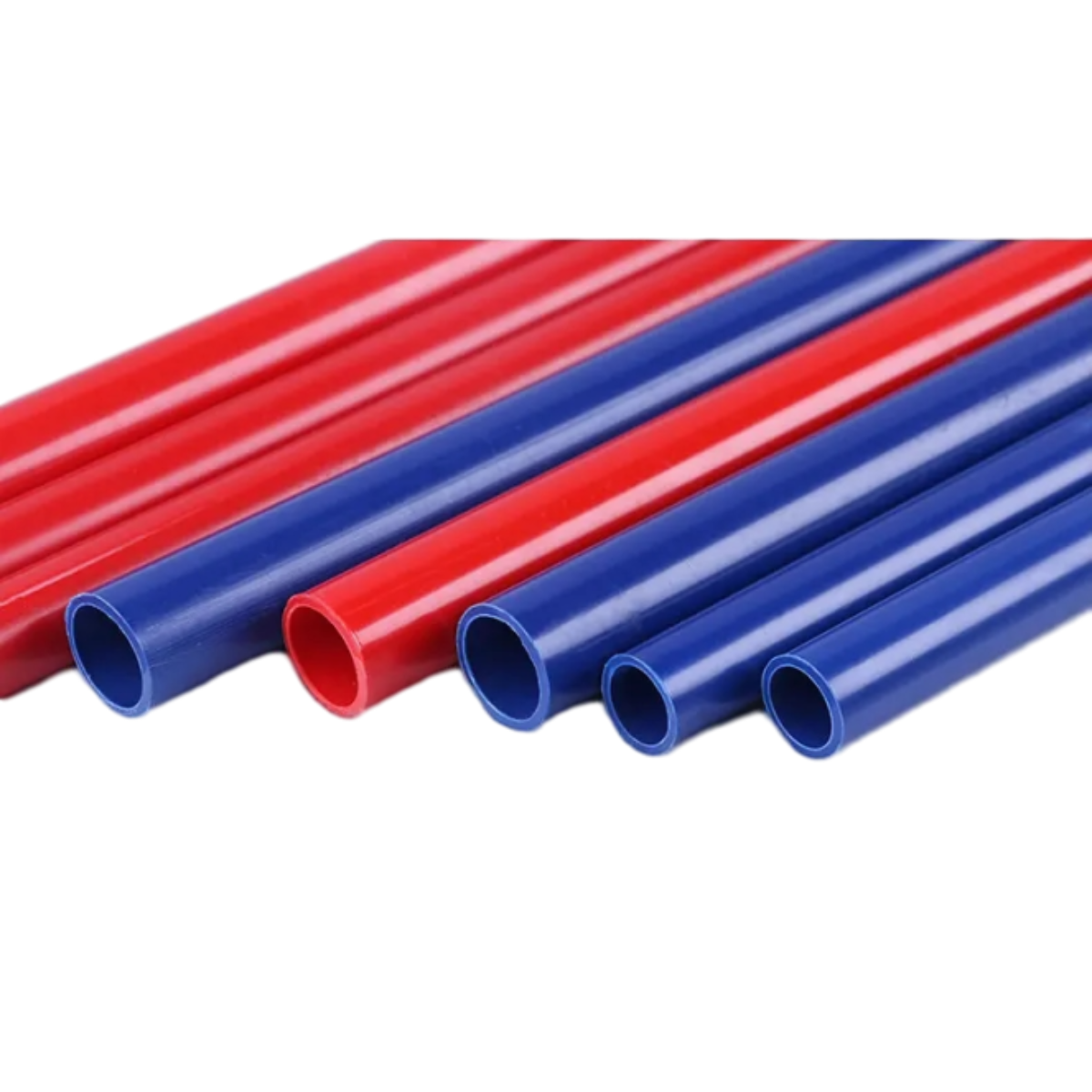
Unplasticized Polyvinyl Chloride (uPVC) column pipes represent a critical component in modern infrastructure, specifically within plumbing, drainage, ventilation, and increasingly, structural applications. Positioned as a direct replacement for traditional materials like cast iron and steel, uPVC pipes offer significant advantages in terms of cost-effectiveness, corrosion resistance, and ease of installation. This guide provides an in-depth technical analysis of uPVC column pipes, encompassing material science, manufacturing processes, performance characteristics, failure modes, and relevant industry standards. Core performance attributes include pressure resistance, tensile strength, impact strength, and long-term durability in varied environmental conditions. The increasing demand for uPVC column pipes is driven by factors such as rapid urbanization, aging infrastructure requiring replacement, and stringent environmental regulations promoting non-corrosive materials.
Material Science & Manufacturing
uPVC column pipes are predominantly manufactured from a rigid PVC compound, composed of polyvinyl chloride resin, stabilizers, lubricants, impact modifiers, and pigments. The PVC resin itself is a thermoplastic polymer produced by the polymerization of vinyl chloride monomer (VCM). Stabilizers, typically based on organotin compounds or calcium-zinc formulations, are crucial for preventing thermal degradation during processing and ensuring long-term UV resistance. Lubricants, such as stearic acid, facilitate processing by reducing friction. Impact modifiers, often acrylic or chlorinated polyethylene, enhance the pipe’s resistance to cracking under stress. The manufacturing process generally involves extrusion. PVC compound is fed into an extruder, where it is heated and plasticized. The molten PVC is then forced through a die that shapes it into a pipe. Key parameters during extrusion include temperature control (melt temperature, die temperature), screw speed, and haul-off speed, all of which influence pipe dimensions, wall thickness, and material properties. Post-extrusion, pipes undergo cooling, cutting to specified lengths, and quality control checks. Material selection impacts chemical resistance; formulations are tailored to withstand exposure to acids, bases, and various industrial chemicals. The inherent limitations of PVC – its relatively low glass transition temperature and susceptibility to chlorine degradation – are addressed through careful formulation and stabilization.
Performance & Engineering
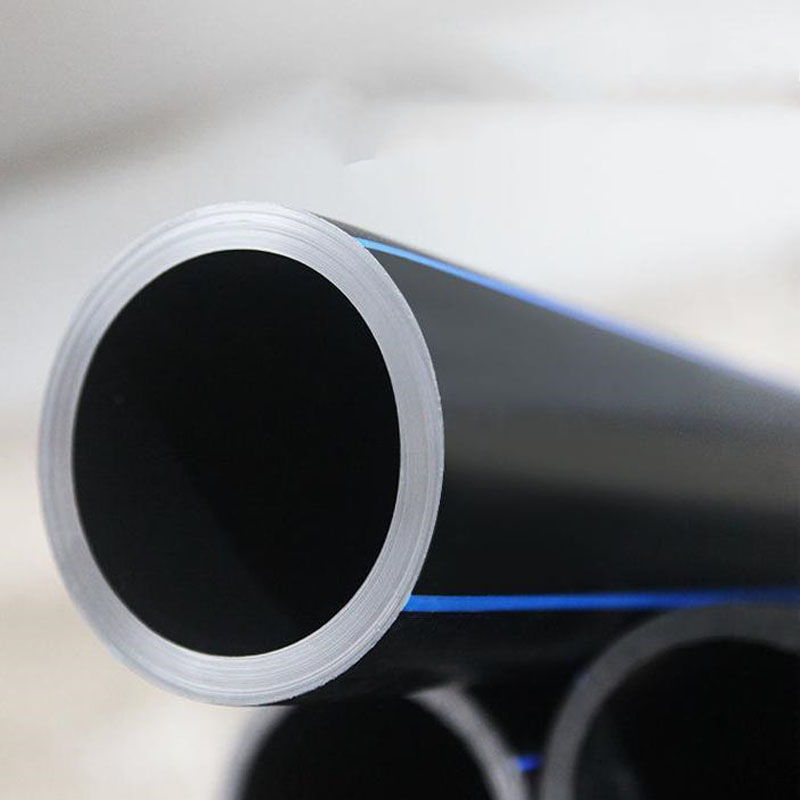
The performance of uPVC column pipes is governed by several critical engineering considerations. Hydrostatic pressure resistance is a primary factor, determined by the pipe’s dimensions (diameter and wall thickness) and the material’s inherent strength. Testing is performed according to standards like ASTM D1785, evaluating burst pressure and sustained pressure capabilities. Tensile strength, measured by ASTM D638, dictates the pipe’s ability to withstand longitudinal stresses. Impact strength, assessed using Izod or Charpy impact tests (ASTM D256), indicates resistance to sudden shocks. Long-term creep resistance is vital, as sustained loads can cause gradual deformation over time. The pipes must also exhibit dimensional stability, minimizing expansion and contraction with temperature fluctuations. Soil loading is a crucial consideration for buried pipes. External loads from soil cover, traffic, and other structures induce stresses on the pipe wall. Engineering designs incorporate appropriate burial depths and bedding materials to distribute loads effectively. Furthermore, the coefficient of thermal expansion for uPVC is significantly higher than that of metals. Engineers must account for this expansion and contraction in pipeline design, utilizing expansion joints or flexible couplings where necessary to prevent stress buildup. Corrosion resistance is a key advantage, but degradation can occur due to prolonged UV exposure. UV stabilizers are added to the PVC formulation, and protective coatings can further enhance resistance.
Technical Specifications
| Parameter | Unit | Typical Value (Schedule 40) | Typical Value (Schedule 80) |
|---|---|---|---|
| Outside Diameter | mm | 110 | 110 |
| Wall Thickness | mm | 3.2 | 4.2 |
| Pressure Rating (Hydrostatic) | MPa | 0.7 | 1.0 |
| Tensile Strength | MPa | 55 | 55 |
| Impact Strength (Izod Notched) | kJ/m2 | 5 | 7 |
| Coefficient of Linear Thermal Expansion | 1/°C | 0.065 x 10⁻³ | 0.065 x 10⁻³ |
Failure Mode & Maintenance
uPVC column pipes, while durable, are susceptible to specific failure modes. Mechanical damage during handling or installation, such as cracking or puncture, is common. Long-term exposure to UV radiation can cause surface degradation, embrittlement, and discoloration. Chemical attack from aggressive substances can lead to swelling, softening, or cracking, particularly if the formulation isn't properly matched to the chemical environment. Slow crack growth (SCG), often initiated by stress concentrations and exacerbated by aggressive chemicals, is a significant concern. Fatigue cracking can occur under cyclic loading, particularly in applications involving vibration or fluctuating pressures. Joint failures, such as leaks at solvent-welded connections, are also frequent. Maintenance typically involves regular visual inspections for cracks, discoloration, or leaks. Damaged sections should be replaced promptly. Solvent cement joints should be re-examined periodically for signs of degradation. Protection from UV exposure, through coatings or burial, is essential for long-term durability. Proper backfilling and bedding are crucial to prevent mechanical stress. Avoid exposure to chemicals incompatible with PVC. For large diameter pipes, cathodic protection may be considered in corrosive environments to mitigate potential degradation.
Industry FAQ
Q: What is the maximum operating temperature for standard uPVC column pipes?
A: Standard uPVC column pipes typically have a maximum recommended operating temperature of 60°C (140°F). Exceeding this temperature can lead to softening, loss of strength, and potential failure. Specialized PVC formulations with higher temperature resistance are available for specific applications.
Q: How does soil acidity affect the long-term performance of buried uPVC pipes?
A: Highly acidic soils can accelerate the degradation of uPVC, particularly if the pipes are not properly stabilized. Acidic conditions can leach stabilizers from the PVC compound, leading to embrittlement and cracking. Selecting a PVC formulation with enhanced acid resistance and ensuring adequate soil buffering are crucial mitigation strategies.
Q: What are the advantages of Schedule 80 uPVC pipe over Schedule 40?
A: Schedule 80 uPVC pipe has a thicker wall thickness than Schedule 40, resulting in higher pressure rating, increased impact strength, and improved resistance to deformation. It's typically used in applications requiring greater structural integrity or handling higher pressures.
Q: What type of solvent cement is recommended for joining uPVC pipes?
A: A solvent cement specifically formulated for PVC and compatible with the pipe's formulation is essential. Ensure the solvent cement is listed for potable water applications if required. Follow the manufacturer's instructions carefully regarding application temperature, drying time, and proper ventilation.
Q: How can slow crack growth (SCG) be prevented in uPVC pipe systems?
A: SCG can be minimized by avoiding sustained stresses, selecting a PVC formulation with high resistance to SCG, protecting the pipe from aggressive chemicals, and ensuring proper installation practices, including adequate support and avoiding sharp bends. Using appropriately rated pipes for the application is also essential.
Conclusion
uPVC column pipes offer a compelling combination of performance, cost-effectiveness, and durability, making them a preferred material for a wide range of applications. Understanding the material science, manufacturing processes, and potential failure modes is critical for ensuring long-term reliability. Careful consideration of factors such as temperature, chemical exposure, soil conditions, and installation practices will maximize the service life of uPVC pipe systems.
Continued advancements in PVC formulations, including the development of enhanced stabilizers and impact modifiers, are expanding the application range of uPVC column pipes. Future research is focused on improving resistance to SCG, enhancing UV stability, and developing sustainable manufacturing practices. The ongoing adoption of uPVC pipes contributes to more efficient, durable, and environmentally responsible infrastructure solutions.
-
DN25 HDPE Compression Fitting-HORON INTERNATIONAL|Reliable Irrigation Solutions
NewsFeb.11,2026
-
china hdpe coupling fittings Performance Analysis
News2026-05-10
-
china hdpe pipe use Performance Analysis
News2026-05-10
-
china hdpe water supply pipe Performance Analysis
News2026-05-10
-
china 1.5 inch pvc pipe Performance Analysis
News2026-05-10
-
china hdpe double wall corrugated pipe Performance Analysis
News2026-05-10
-
china 10mm pvc pipe Performance Analysis
News2026-05-09
-
china ppr pipe for cold water Material Performance
News2026-05-09
-
china type of pvc pipe Material and Manufacturing Analysis
News2026-05-09
-
china hdpe pipe sizes Performance Analysis
News2026-05-09
-
china 50mm pvc pipe Performance Analysis
News2026-05-09
-
china water supply lines under kitchen sink Material Science and Manufacturing
News2026-05-08
-
china green pvc pipe Performance Analysis
News2026-05-08
-
china coupler hdpe pipe Performance Analysis
News2026-05-08
-
china ppr pipe 32mm price Performance Analysis
News2026-05-08
-
china ppr piping system Performance Analysis
News2026-05-08