

Feb . 11, 2026 00:01 Back to list
upvc column pipes product Performance Analysis
Introduction
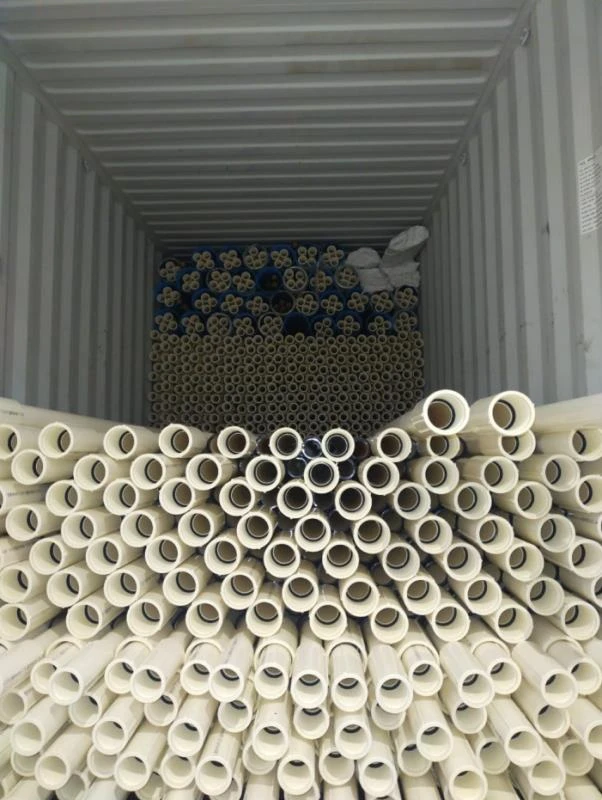
Unplasticized Polyvinyl Chloride (uPVC) column pipes represent a crucial component in modern infrastructure, particularly in water management, drainage, and architectural applications. Positioned within the broader building materials supply chain, these pipes offer a non-corrosive and lightweight alternative to traditional materials like concrete, steel, and cast iron. Their primary function is to provide structural support and a conduit for vertical fluid transfer, typically within building structures or for landscape architecture. Core performance characteristics include compressive strength, tensile strength, impact resistance, and long-term durability against chemical degradation and UV exposure. A key industry pain point centers on balancing cost-effectiveness with sustained performance, particularly concerning long-term structural integrity and resistance to ground settlement in exterior applications. Another significant concern is ensuring consistent dimensional accuracy to facilitate ease of installation and prevent leakage.
Material Science & Manufacturing
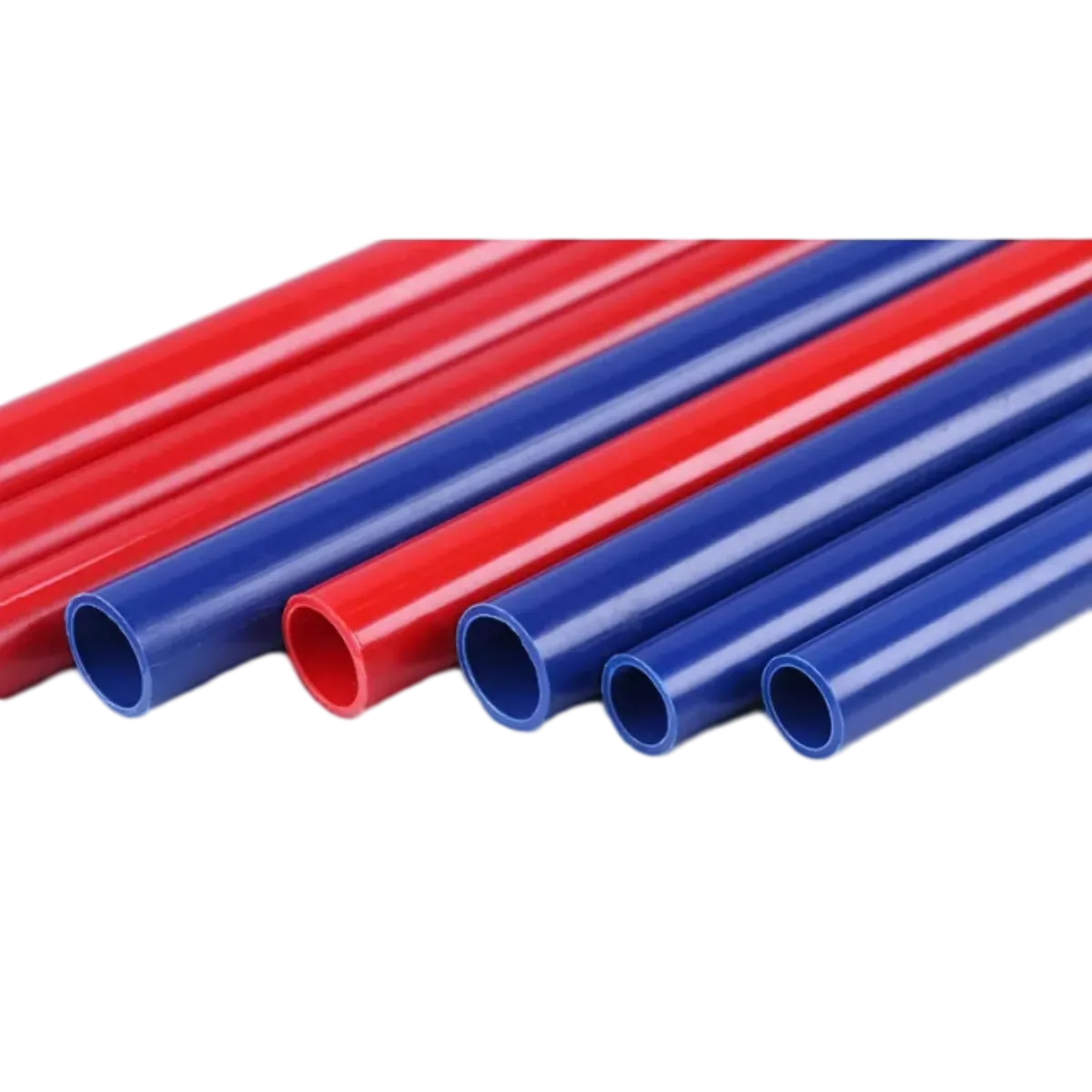
uPVC column pipes are primarily composed of Polyvinyl Chloride (PVC) resin, modified with stabilizers, lubricants, and impact modifiers. The PVC resin itself is derived from vinyl chloride monomer (VCM), a chemical intermediate produced from ethylene and chlorine. Key raw material properties include a glass transition temperature (Tg) around 80°C, a density of approximately 1.4 g/cm³, and inherent resistance to many acids, alkalis, and salts. Manufacturing typically involves extrusion. PVC compound is fed into a single or twin-screw extruder, where it’s heated, melted, and homogenized. The molten PVC is then forced through a die, shaping it into the desired pipe profile. Precise control of extrusion temperature (typically between 180°C – 220°C), screw speed, and die design are critical parameters. Cooling is achieved through water baths or air cooling systems. Post-extrusion, pipes are often subjected to hydrostatic testing to verify pressure resistance and dimensional stability. Impact modification, commonly achieved through the addition of chlorinated polyethylene (CPE) or acrylic impact modifiers, is crucial for enhancing toughness and preventing brittle fracture, particularly in colder climates. Proper compounding ratios and thorough mixing are paramount to ensuring uniform distribution of additives and achieving optimal material properties.
Performance & Engineering
The performance of uPVC column pipes is heavily dictated by load-bearing capacity and resistance to external stresses. Force analysis considers axial loads (compressive forces due to the weight of the structure and supported elements), bending moments (resulting from wind loads or lateral forces), and shear stresses (induced during installation or seismic activity). Finite element analysis (FEA) is frequently employed to model the structural behavior of pipes under various loading scenarios. Environmental resistance is crucial; long-term exposure to UV radiation can cause discoloration and embrittlement. UV stabilizers, such as titanium dioxide, are incorporated into the PVC compound to mitigate this effect. Chemical compatibility must also be considered; while uPVC is resistant to many substances, prolonged exposure to certain solvents and aggressive chemicals can lead to swelling, cracking, or degradation. Compliance requirements vary by region, but generally align with standards related to water quality (ensuring no leaching of harmful substances), fire resistance (uPVC is inherently flame-retardant), and structural integrity. Installation considerations include proper foundation support, adequate joint sealing to prevent water ingress, and allowance for thermal expansion and contraction. Improper installation can significantly compromise the pipe’s long-term performance.
Technical Specifications
| Parameter | Unit | Standard Specification (Typical) | Testing Method |
|---|---|---|---|
| Outer Diameter | mm | 110, 160, 200, 250 | ISO 1452-2 |
| Wall Thickness | mm | 3.2, 4.2, 5.6 | ASTM D1785 |
| Pressure Rating (PN) | Bar | PN10, PN16 | ISO 1452-2 |
| Tensile Strength | MPa | >50 | ASTM D638 |
| Impact Strength (Charpy) | kJ/m² | >5 | ISO 145-6 |
| Water Absorption | % | <0.5 | ASTM D570 |
Failure Mode & Maintenance
Common failure modes in uPVC column pipes include cracking due to excessive stress, particularly in areas of high bending moment or impact. Long-term UV exposure can lead to embrittlement and subsequent cracking. Chemical attack from aggressive substances can cause swelling, softening, or degradation of the PVC material. Joint failures, often resulting from improper sealing or ground movement, are also prevalent. Delamination can occur if the PVC compound is not adequately mixed or if there is contamination during extrusion. Failure analysis often involves visual inspection for cracks, discoloration, or deformation; microscopic examination of fracture surfaces to determine the failure mechanism; and chemical analysis to identify any contributing substances. Maintenance primarily involves regular visual inspections to identify potential issues early on. Proper support and anchoring are critical to prevent excessive stress. Joints should be inspected for leaks and resealed as necessary. Protection from direct sunlight and harsh chemicals is recommended. In areas prone to ground movement, flexible couplings should be used to accommodate differential settlement. Periodic hydrostatic testing can verify the continued integrity of the pipe system.
Industry FAQ
Q: What is the expected service life of a properly installed uPVC column pipe?
A: A properly installed and maintained uPVC column pipe can have a service life exceeding 50 years. However, this is dependent on factors such as UV exposure, chemical environment, soil conditions, and the level of stress it is subjected to. Regular inspections and preventative maintenance are key to maximizing longevity.
Q: How does uPVC perform in extreme temperature conditions?
A: uPVC becomes more brittle at low temperatures, increasing its susceptibility to impact failure. While generally stable at elevated temperatures, prolonged exposure to temperatures exceeding 60°C can lead to softening and creep. Impact modifiers are incorporated to improve low-temperature performance, and careful material selection is crucial for applications in extreme climates.
Q: What are the advantages of uPVC over concrete or steel for column pipes?
A: uPVC offers several advantages: it is significantly lighter than concrete or steel, making installation easier and reducing transportation costs. It is also corrosion-resistant, eliminating the need for protective coatings and reducing long-term maintenance. Furthermore, uPVC is electrically non-conductive and exhibits excellent chemical resistance.
Q: What types of joints are commonly used with uPVC column pipes?
A: Common jointing methods include solvent welding (cementing), mechanical joints (using rubber seals and compression fittings), and flanged connections. Solvent welding provides a strong, watertight seal but requires careful surface preparation and proper application technique. Mechanical joints offer flexibility and ease of disassembly for maintenance.
Q: Is uPVC recyclable?
A: Yes, uPVC is recyclable. However, the recycling infrastructure for uPVC is not as well-developed as for other plastics like PET or HDPE. Post-consumer uPVC can be recycled into a variety of products, including new pipes, profiles, and other building materials. Proper sorting and cleaning are essential for successful recycling.
Conclusion
uPVC column pipes represent a robust and cost-effective solution for a wide range of structural and fluid transfer applications. Their inherent corrosion resistance, lightweight nature, and ease of installation make them a compelling alternative to traditional materials. However, careful consideration must be given to material selection, installation practices, and environmental factors to ensure long-term performance and prevent premature failure.
Future advancements in uPVC technology are likely to focus on enhancing impact resistance, improving UV stability, and developing more sustainable manufacturing processes. Continued research into new additives and compounding techniques will further expand the range of applications for uPVC column pipes, solidifying their position as a vital component of modern infrastructure.
-
DN25 HDPE Compression Fitting-HORON INTERNATIONAL|Reliable Irrigation Solutions
NewsFeb.11,2026
-
china hdpe coupling fittings Performance Analysis
News2026-05-10
-
china hdpe pipe use Performance Analysis
News2026-05-10
-
china hdpe water supply pipe Performance Analysis
News2026-05-10
-
china 1.5 inch pvc pipe Performance Analysis
News2026-05-10
-
china hdpe double wall corrugated pipe Performance Analysis
News2026-05-10
-
china 10mm pvc pipe Performance Analysis
News2026-05-09
-
china ppr pipe for cold water Material Performance
News2026-05-09
-
china type of pvc pipe Material and Manufacturing Analysis
News2026-05-09
-
china hdpe pipe sizes Performance Analysis
News2026-05-09
-
china 50mm pvc pipe Performance Analysis
News2026-05-09
-
china water supply lines under kitchen sink Material Science and Manufacturing
News2026-05-08
-
china green pvc pipe Performance Analysis
News2026-05-08
-
china coupler hdpe pipe Performance Analysis
News2026-05-08
-
china ppr pipe 32mm price Performance Analysis
News2026-05-08
-
china ppr piping system Performance Analysis
News2026-05-08