

Feb . 11, 2026 00:01 Back to list
underground pvc pipe product Performance Analysis
Introduction
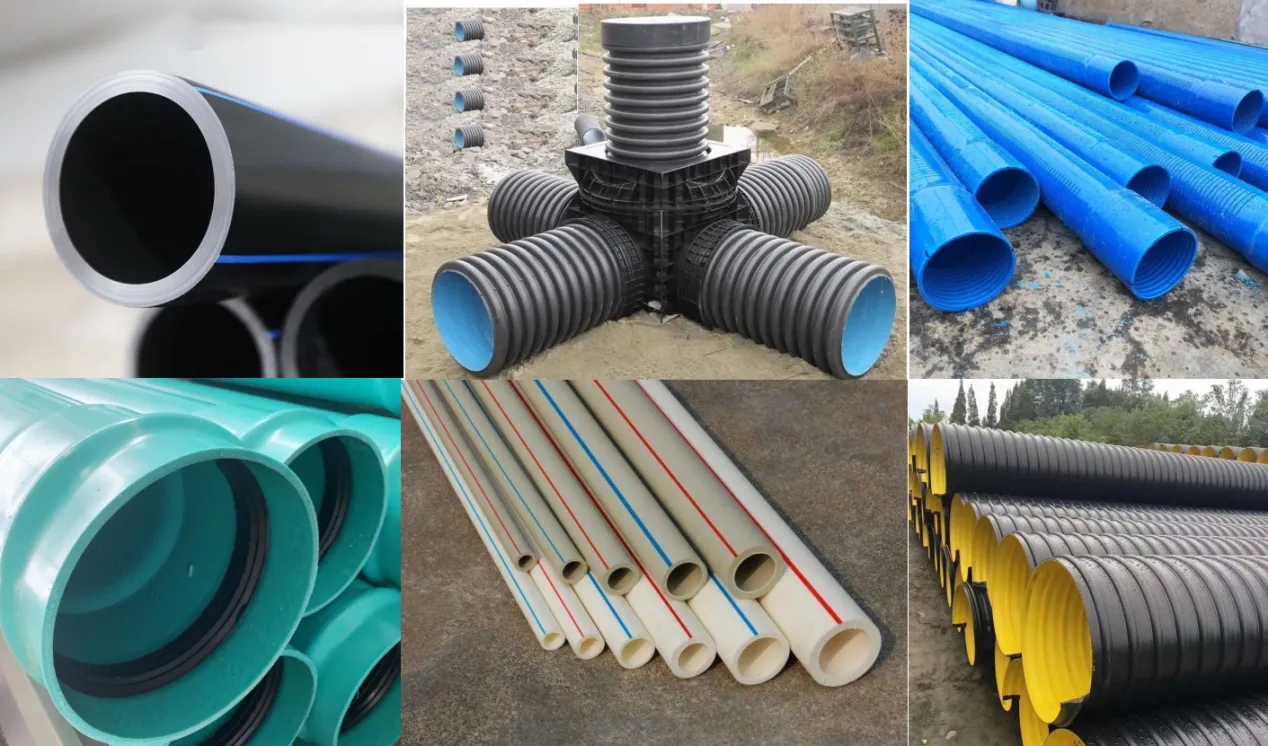
Underground Polyvinyl Chloride (PVC) pipe constitutes a critical component of modern infrastructure, serving primarily in the conveyance of water, sewage, and other fluids below ground level. Positioned within the broader piping industry, PVC pipe represents a significant alternative to traditional materials like ductile iron, concrete, and clay, largely due to its cost-effectiveness, durability, and ease of installation. Its technical position in the supply chain involves resin production (PVC), compounding with stabilizers, lubricants, and impact modifiers, extrusion into pipe form, and finally, quality control and distribution. Core performance characteristics of underground PVC pipe, crucial for its application, include pressure rating (PSI), dimensional ratio (DR), joint type (solvent weld, gasketed), and resistance to chemical degradation. Understanding these characteristics is paramount for ensuring long-term system reliability and minimizing infrastructure failure rates, a significant pain point for municipalities and utility companies.
Material Science & Manufacturing
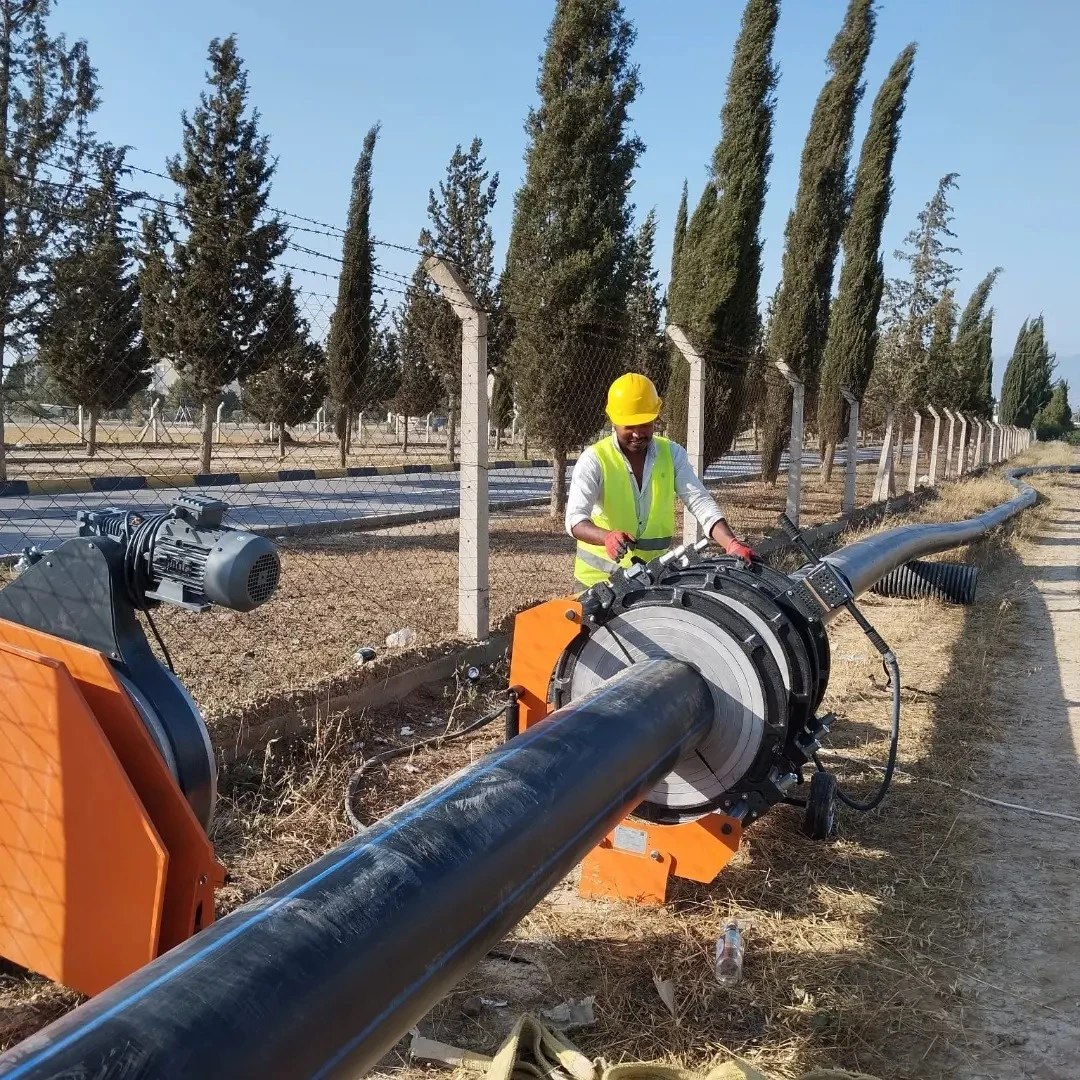
The foundation of underground PVC pipe lies in Polyvinyl Chloride, a thermoplastic polymer produced through the polymerization of vinyl chloride monomer (VCM). PVC resin exhibits inherent rigidity and limited heat stability. Therefore, compounding is critical. Common additives include heat stabilizers (typically organotin compounds or calcium-zinc stabilizers to prevent degradation during processing and service), lubricants (to facilitate extrusion), impact modifiers (such as chlorinated polyethylene - CPE - to enhance toughness, particularly at lower temperatures), and processing aids. The manufacturing process predominantly employs extrusion. PVC compound is fed into a single or twin-screw extruder where it is heated, melted, and forced through a die to create a continuous pipe profile. Critical parameters during extrusion include die temperature, screw speed, haul-off speed, and cooling water flow rate. Improper control of these parameters leads to dimensional inconsistencies, surface defects, and potentially compromised mechanical properties. The choice of PVC resin grade (schedule 40, schedule 80, etc.) dictates wall thickness and resulting pressure handling capability. Jointing methods commonly involve solvent cementing (a chemical welding process requiring precise surface preparation and application) or elastomeric gasketed joints (providing flexibility and ease of installation, but requiring proper gasket selection and compression). Further, the quality of the PVC material is heavily influenced by the vinyl chloride monomer (VCM) purity during polymerization – trace impurities can lead to accelerated degradation and color changes over time.
Performance & Engineering
The performance of underground PVC pipe is governed by a complex interplay of internal pressure, external loads, and environmental factors. Force analysis considers hoop stress (resulting from internal pressure) and longitudinal stress (due to pressure and thermal expansion/contraction). The pressure rating of a pipe is directly related to its wall thickness and diameter – a higher DR (Dimensional Ratio - OD/Wall Thickness) indicates a thinner wall and lower pressure rating. External loads include soil overburden, traffic loads, and impact from construction activities. Proper bedding and backfill procedures are vital to distribute these loads evenly and prevent pipe deformation or cracking. Chemical resistance is a key performance characteristic. PVC is generally resistant to a wide range of acids, bases, and salts, but prolonged exposure to certain solvents and aromatic hydrocarbons can cause swelling and degradation. Compliance requirements are stringent, particularly regarding potable water applications. PVC pipe must meet NSF/ANSI Standard 61 for drinking water system components, ensuring no harmful contaminants leach into the water supply. Furthermore, pipe systems must adhere to local plumbing codes and regulations regarding trenching, bedding, and jointing procedures. Long-term creep resistance, the tendency of PVC to deform slowly under sustained load, is also a critical engineering consideration, particularly for larger diameter pipes and high-stress applications.
Technical Specifications
| Parameter | Schedule 40 | Schedule 80 | ASTM D2241 |
|---|---|---|---|
| Material | PVC (Polyvinyl Chloride) | PVC (Polyvinyl Chloride) | PVC Compound |
| Pressure Rating (PSI at 73°F) | 200 PSI | 350 PSI | Dependent on DR |
| Dimensional Ratio (DR) | 26.7 | 23.2 | Ranges from 6 to 41 |
| Operating Temperature Range | 14°F to 140°F | 14°F to 140°F | Up to 140°F |
| Joint Type | Solvent Weld, Gasketed | Solvent Weld, Gasketed | Solvent Weld, Gasketed, Threaded |
| ASTM Standard | ASTM D1785 | ASTM D1785 | ASTM D2241, ASTM D1785 |
Failure Mode & Maintenance
Underground PVC pipe, while durable, is susceptible to several failure modes. Fatigue cracking can occur due to repeated loading and unloading, particularly in areas of stress concentration (around joints or fittings). This is exacerbated by improper installation or excessive external loads. Chemical attack, particularly from aggressive soil conditions or exposure to incompatible solvents, can lead to material degradation and cracking. Soil settlement and differential movement can cause excessive bending stresses, leading to pipe rupture. Delamination, the separation of layers within the pipe wall, can occur due to inadequate processing or material defects. Oxidation and UV degradation, though primarily a concern for above-ground applications, can affect exposed pipe sections. Maintenance typically involves regular inspections (using CCTV cameras to detect cracks or blockages) and preventative measures such as proper jointing procedures, adequate bedding and backfill, and avoidance of incompatible chemicals. For minor cracks, specialized repair sleeves or wraps can be used. Significant failures often necessitate pipe replacement. Preventive maintenance programs including soil analysis to assess corrosivity and periodic pressure testing can significantly extend the service life of PVC pipe systems. Failure analysis should always include material testing to confirm the PVC compound meets relevant specifications and hasn't degraded prematurely.
Industry FAQ
Q: What is the impact of soil corrosivity on the long-term performance of underground PVC pipe?
A: Soil corrosivity, specifically the presence of sulfates, chlorides, and organic acids, can significantly degrade PVC pipe over time. These chemicals can initiate cracking, embrittlement, and delamination. Prior to installation, a soil analysis should be conducted to determine the corrosivity level. Appropriate PVC compounds with enhanced chemical resistance or the use of protective coatings may be required in highly corrosive environments.
Q: How does temperature affect the pressure rating of PVC pipe?
A: Higher temperatures reduce the pressure rating of PVC pipe. As temperature increases, the material becomes more flexible and less able to withstand internal pressure. Pressure ratings listed in technical specifications are typically based on a reference temperature of 73°F (23°C). Derating factors must be applied when operating at higher temperatures to ensure safe operation.
Q: What are the key differences between Schedule 40 and Schedule 80 PVC pipe?
A: Schedule 40 and Schedule 80 refer to the pipe wall thickness. Schedule 80 has a thicker wall than Schedule 40, resulting in a higher pressure rating and increased resistance to impact and external loads. Schedule 40 is generally used for lower-pressure applications, while Schedule 80 is preferred for higher-pressure or more demanding environments.
Q: What are the best practices for solvent cementing PVC pipe joints?
A: Proper solvent cementing requires thorough surface preparation (cleaning and priming), application of solvent cement to both mating surfaces, quick assembly, and sufficient curing time. Using the correct solvent cement formulation for the specific PVC compound is also crucial. Improper solvent cementing can lead to weak joints prone to leakage and failure.
Q: How important is proper bedding and backfill when installing underground PVC pipe?
A: Proper bedding and backfill are paramount for preventing pipe deformation and failure. A uniform, granular bedding material provides support and distributes external loads evenly. The backfill material should be compacted in layers to avoid point loads and ensure stability. Inadequate bedding and backfill can lead to excessive bending stress, cracking, and joint separation.
Conclusion
Underground PVC pipe offers a compelling combination of cost-effectiveness, durability, and ease of installation, making it a dominant material in numerous infrastructure applications. However, realizing its full potential necessitates a thorough understanding of its material science, manufacturing processes, and engineering principles. Proper material selection, adherence to industry standards, and meticulous installation procedures are critical for ensuring long-term system reliability and minimizing the risk of premature failure.
Future advancements in PVC compound formulations, including enhanced chemical resistance and improved creep performance, will further extend the lifespan and applicability of underground PVC pipe systems. Continued investment in preventative maintenance programs and advanced inspection technologies will also play a vital role in safeguarding critical infrastructure and minimizing lifecycle costs.
-
DN25 HDPE Compression Fitting-HORON INTERNATIONAL|Reliable Irrigation Solutions
NewsFeb.11,2026
-
china corrugated hdpe pipe fittings Performance Analysis
News2026-05-22
-
china ppr pipe for hot water Performance Analysis
News2026-05-22
-
china ppr Technical Performance Analysis
News2026-05-22
-
china corrugated dual wall pipe Performance Analysis
News2026-05-22
-
china sink inlet pipe Material Performance Analysis
News2026-05-22
-
china 1 2 inch pvc Performance Analysis
News2026-05-21
-
china hdpe pipe joint coupler Performance Analysis
News2026-05-21
-
china ppr pipes and fittings price list Technical Analysis
News2026-05-21
-
china 9 inch pvc pipe price Performance Analysis
News2026-05-21
-
china 2 inch borewell column pipe price Performance Engineering
News2026-05-21
-
china hdpe pipe suppliers Performance Analysis
News2026-05-20
-
china submersible pump column pipe Performance Engineering
News2026-05-20
-
china 8 hdpe corrugated pipe Manufacturing Analysis
News2026-05-20
-
china dual wall hdpe pipe Performance Analysis
News2026-05-20
-
china water lines under sink Performance Analysis
News2026-05-20